 English EN
 Germany DE
 French FR
 Portuguese PT
 Spanish ES
.webp)
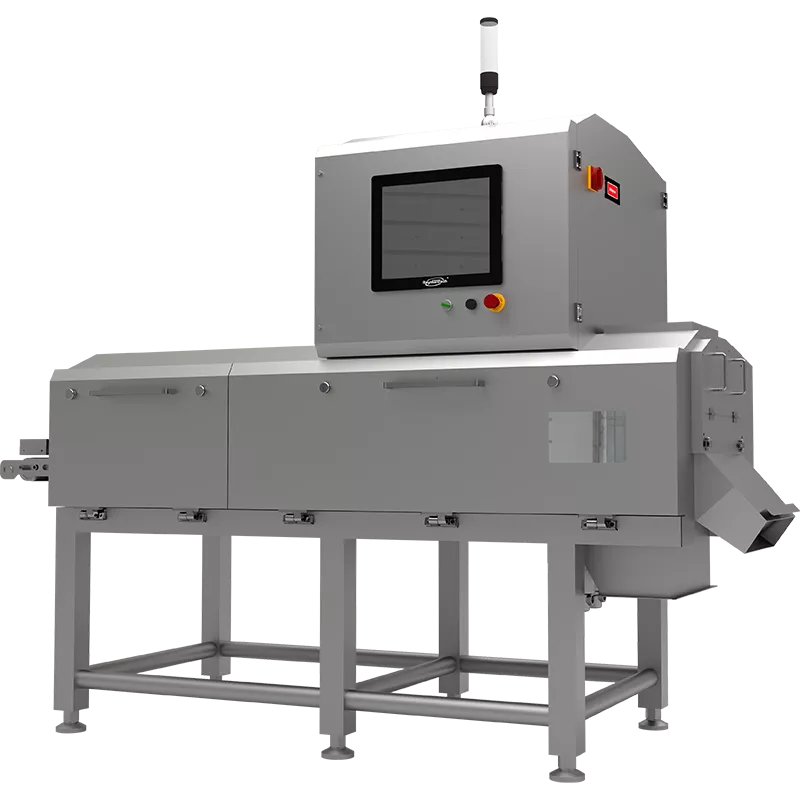
Post-freezing AI optical sorting for blackspot bruising, foreign materials, and grading control in IQF potato production
QF (Individually Quick Frozen) potato products are...
More

We provide you with comprehensive foreign trade solutions to help enterprises achieve global development
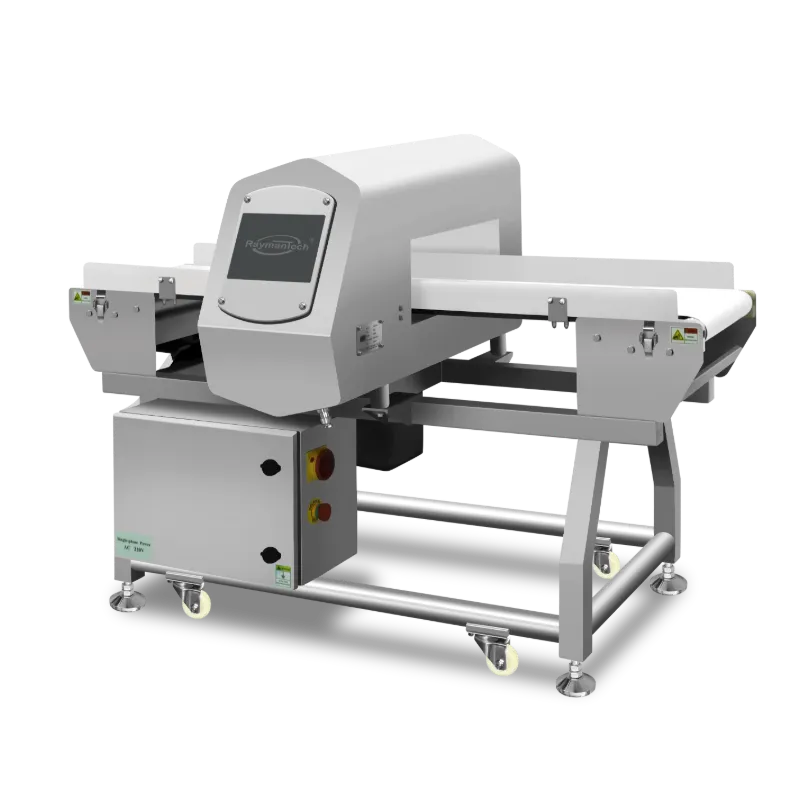
Inspect food and consumer goods for ferrous, non-f...
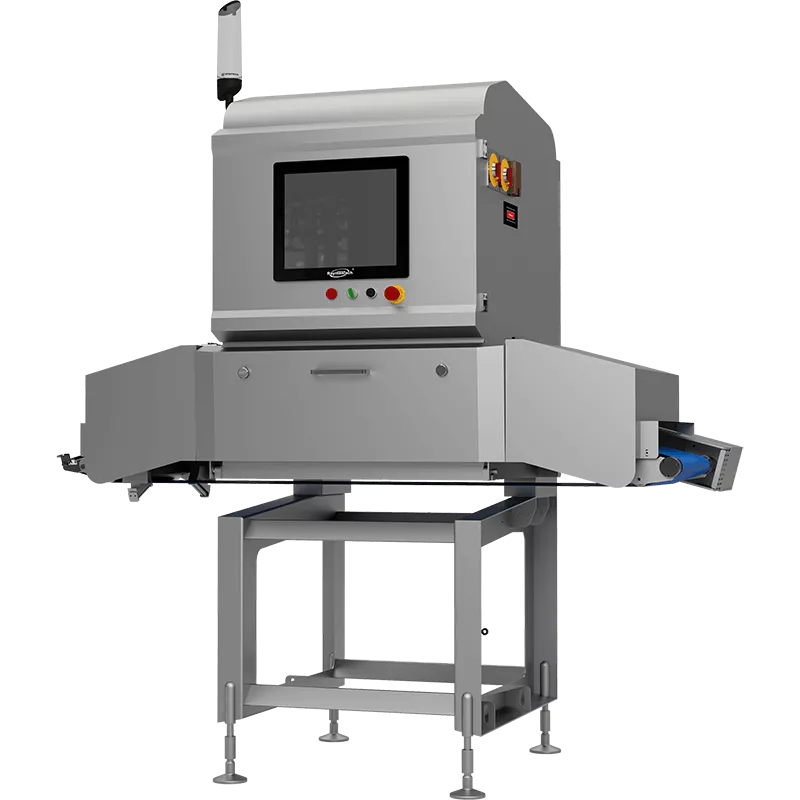
Uneven and overlapped product detection, thin & lo...
.webp)
Recommedation: Chili, walnut, peanuts, soybeans, c...
.webp)
Recommedation: Aquatic products, pet food, candy, ...
Select the most popular foreign trade service products to meet your diverse needs
Select the most popular foreign trade service products to meet your diverse needs








User Comments
Service Experience Sharing from Real Customers
Liam
Senior Data ScientistI was honestly skeptical about deep learning sorting for our e-commerce catalog, but after a week of testing it on product images, the accuracy blew me away. It handles messy categories like 'vintage decor' way better than our old keyword-based system. The only hiccup was the initial setup took a bit of GPU tweaking, but totally worth it.
Emma
Junior Research AssistantAs someone still learning the ropes in biomedical informatics, I found the deep learning sorting module surprisingly intuitive. I used it to sort cell microscopy images by phenotype, and it caught subtle patterns I'd have missed manually. Would love a simpler tutorial for beginners, but the results speak for themselves.
Noah
Warehouse Operations ManagerWe implemented this sorting algorithm on our conveyor belt system six months ago. It's cut mis-sorts by almost 40% and saved us from hiring extra evening shift staff. My only complaint is the dashboard could be more mobile-friendly, but the actual sorting logic is rock solid.
Sophia
Freelance Graphic DesignerI tried deep learning sorting to organize my client's massive stock photo library. It did a decent job grouping similar styles and colors, but it kept mislabeling 'minimalist' shots as 'abstract'. Might be a training data issue on my end. Still, it saved me a weekend of manual tagging.