 English EN
 中国 CN
中国 CN
.png)
Revolutionizing Quality Control with Advanced Hazelnuts Sorting Machines
Advanced nut sorting machine technology combines H...
More

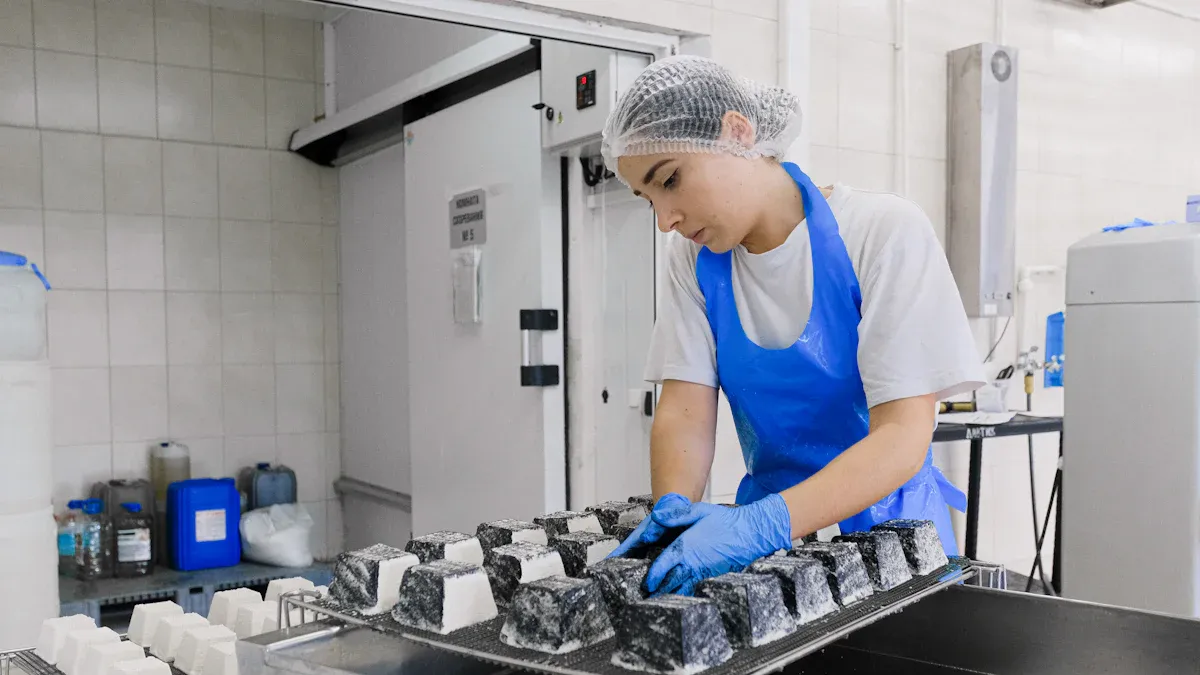
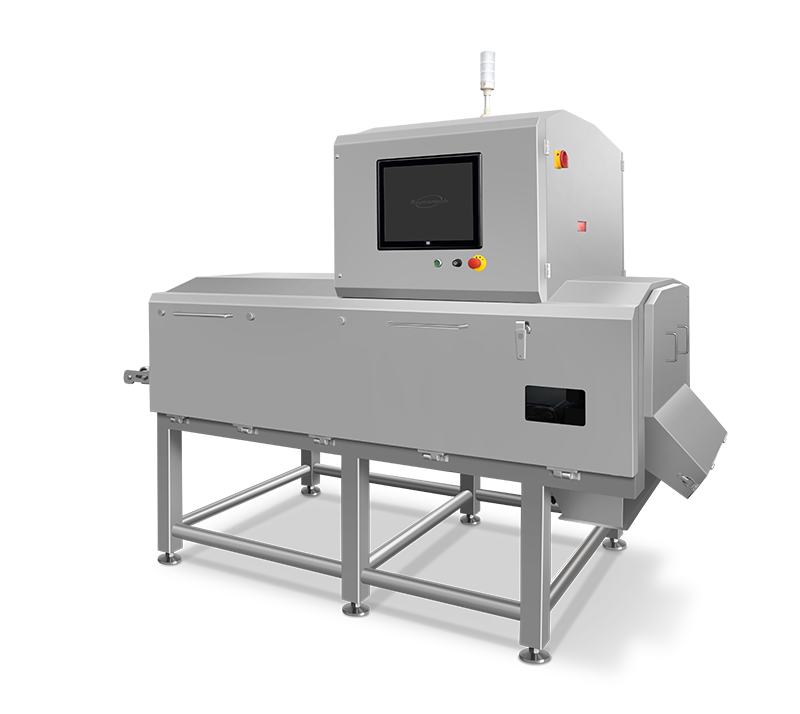
For most food manufacturers, X-ray inspection is a critical investment. It pays for itself by protecting brands and ensuring market access. X-ray technology provides unmatched detection of dense contaminants like metal, glass, and bone that other systems miss. This capability is essential for meeting stringent safety standards.
The cost of one recall far outweighs the investment in reliable x ray inspection systems food industry, especially with foreign material causing 12 U.S. recalls in 2024 alone.
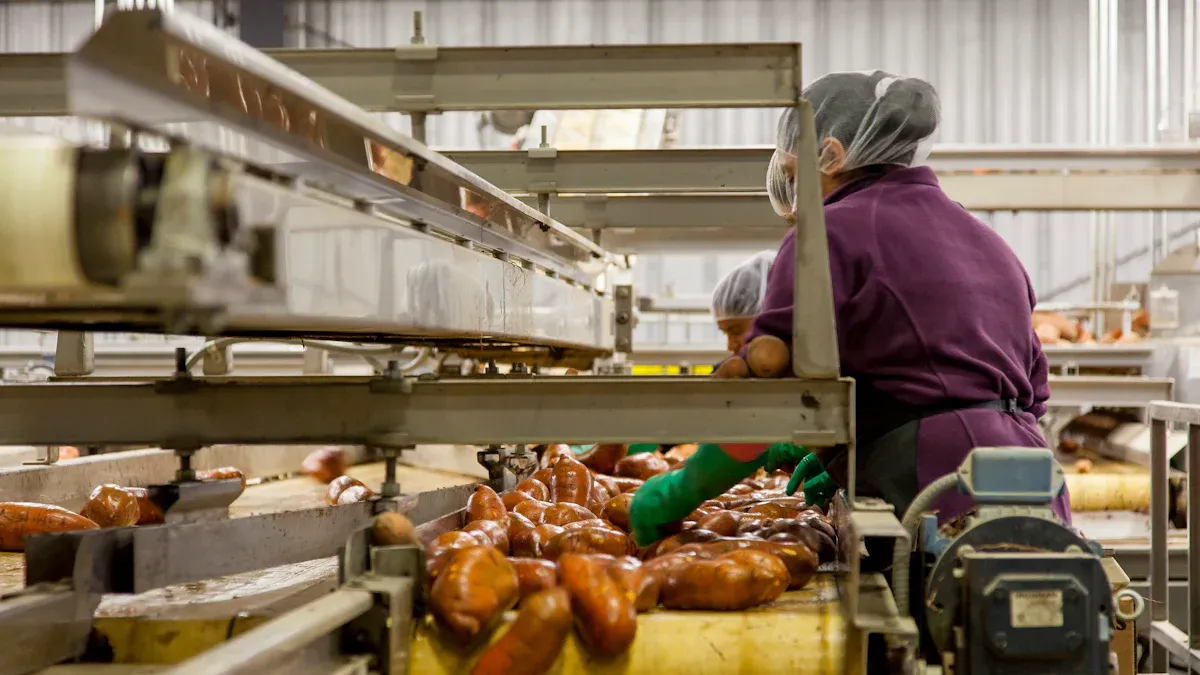
X-ray inspection technology offers a significant advantage by detecting foreign bodies based on their density. An X-ray system identifies materials that are denser than the food product itself. This fundamental difference in operation allows it to find hazards that other technologies cannot.
While standard metal detectors are excellent for finding ferrous and non-ferrous metals, they cannot identify non-metallic contaminants. X-ray systems fill this critical gap. They effectively locate dense foreign bodies regardless of their composition. This includes dangerous materials like glass shards, stones, and calcified bone fragments that are invisible to metal detectors. Advanced systems can even distinguish between different types of contaminants.
| Technology | Strengths (Detection) |
|---|---|
| Single-Energy X-ray | Detects contaminants with a higher density than the product, such as metal, glass, stone, and calcified bone. |
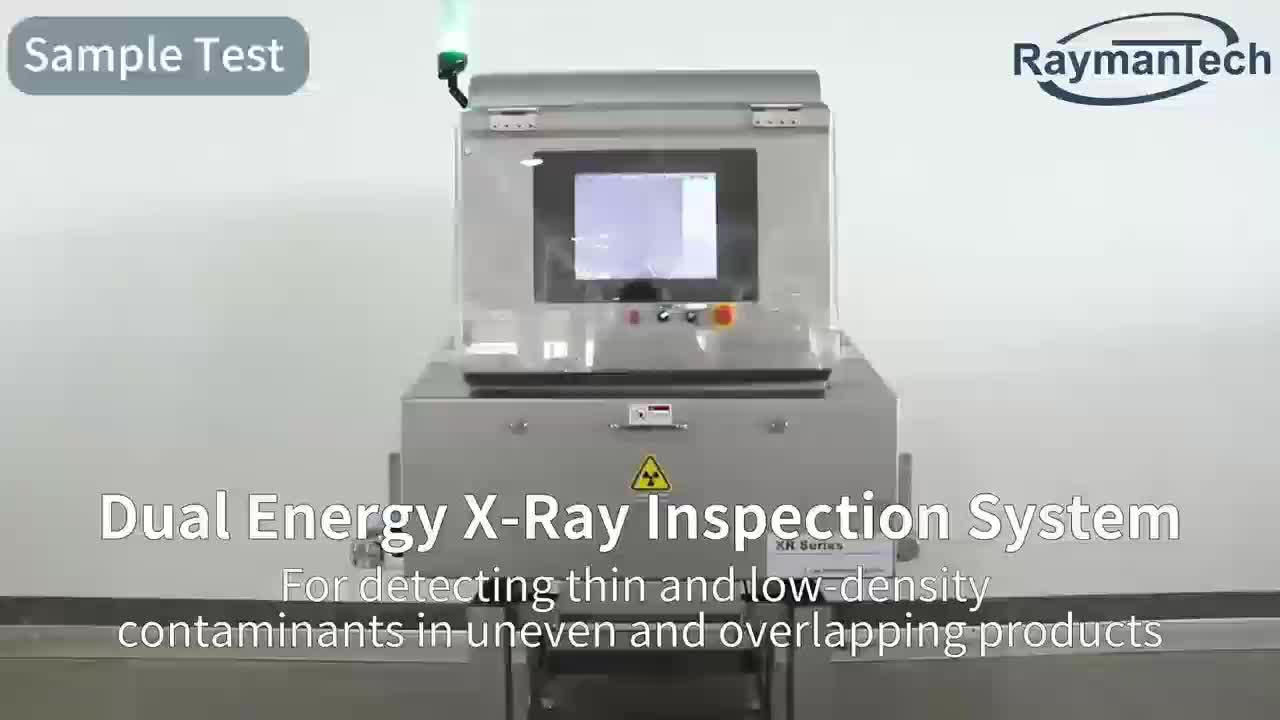
| Dual-Energy X-ray | Excels at detecting low-density contaminants like rubber, plastics, and wood, even in products with complex compositions. |
A primary function of X-ray inspection is to protect consumers from a wide range of harmful materials. The technology is highly effective at identifying numerous high-risk physical hazards, including:
Metal
Glass
Stone
Calcified bone
High-density plastics
Rubbers
Beyond finding contaminants, modern x ray inspection systems food industry also perform crucial quality control checks. The technology looks inside sealed packages to verify completeness and proper formation.
An X-ray system can confirm all components are present in a multi-pack, such as ensuring a salad kit contains its dressing pouch. This capability prevents consumer complaints about missing or broken items, directly enhancing product quality and brand trust.
This function ensures that every product leaving the facility meets quality standards, protecting the brand from negative reviews and customer dissatisfaction.
While superior detection is the primary function of an X-ray system, its true value emerges when calculating the return on investment (ROI). The technology provides a powerful defense against catastrophic business risks, making it a strategic asset rather than just an operational expense. The ROI extends far beyond the initial price tag, safeguarding a company’s finances, reputation, and market position.
A single product recall can inflict devastating financial damage. The direct costs alone are staggering, covering everything from notifying the public to retrieving and destroying contaminated products. These expenses can quickly cripple a business.
A joint study provides a clear picture of the direct financial burden:
| Region | Average Direct Cost of a Food Recall | Source |
|---|---|---|
| United States | $10 million | Grocery Manufacturers Association (GMA) & Food Marketing Institute (FMI) |
| Europe | 8 million Euros | Allianz Global Corporate & Specialty (AGCS) |
These figures, however, only represent the tip of the iceberg. They do not account for indirect costs like regulatory fines, litigation, wasted materials, and lost production time. Investing in robust x ray inspection systems food industry acts as a critical insurance policy. It prevents contaminated products from ever leaving the facility, directly mitigating the risk of incurring these massive recall-related expenses.
A company’s reputation is its most valuable asset, and a food safety incident can destroy decades of consumer trust overnight. Modern consumers expect transparency and a serious commitment to safety. Implementing advanced inspection technology is a clear demonstration of that commitment.
Investing in X-ray inspection helps secure brand loyalty in several key ways:
Ensures Product Safety: It provides a verifiable layer of protection against harmful contaminants that consumers fear most, like glass and metal.
Maintains Consistent Quality: The technology confirms every product meets specifications, reassuring customers they can rely on the brand.
Demonstrates Commitment: Proactively using X-ray inspection signals that consumer well-being is a top priority, building emotional trust.
Costco provides a powerful case study. The retailer reduced customer complaints about bones in its hot dogs from 15-20 per month down to zero after implementing X-ray inspection. This proactive measure prevented potential safety issues and solidified customer confidence.
Failing to manage food safety can also impact a company's market value. Firms with a history of safety events often experience more significant negative impacts on their stock prices following an incident. Protecting the brand is not just about public perception; it is about preserving the financial health and long-term viability of the business.
In today's competitive market, access to major retail channels is essential for growth. Increasingly, large retailers and food service providers are setting their own stringent safety standards that go beyond basic regulatory requirements. Failure to meet these mandates can result in losing key contracts.
Many major retailers now require their suppliers to use advanced foreign body detection. Costco, for example, updated its supplier requirements to mandate X-ray inspection for all food products. This shift leaves manufacturers with a clear choice: adapt or lose business.
As one supplier noted on an industry forum, "Metal detectors are working perfectly but Costco needs Xray."
This trend extends to global food safety certifications. GFSI-benchmarked standards, which are critical for international trade, demand effective foreign body management systems.
Safe Quality Food (SQF) programs require manufacturers to monitor, verify, and validate detection technologies like X-ray devices.
The British Retail Consortium’s (BRC) Global Standard for Food Safety also includes clauses for controlling foreign material with advanced equipment.
Complying with these standards is no longer optional for manufacturers aiming to supply top-tier retailers or compete on a global scale. An X-ray system provides the technological capability needed to meet these essential mandates, securing a manufacturer's place in the modern supply chain.
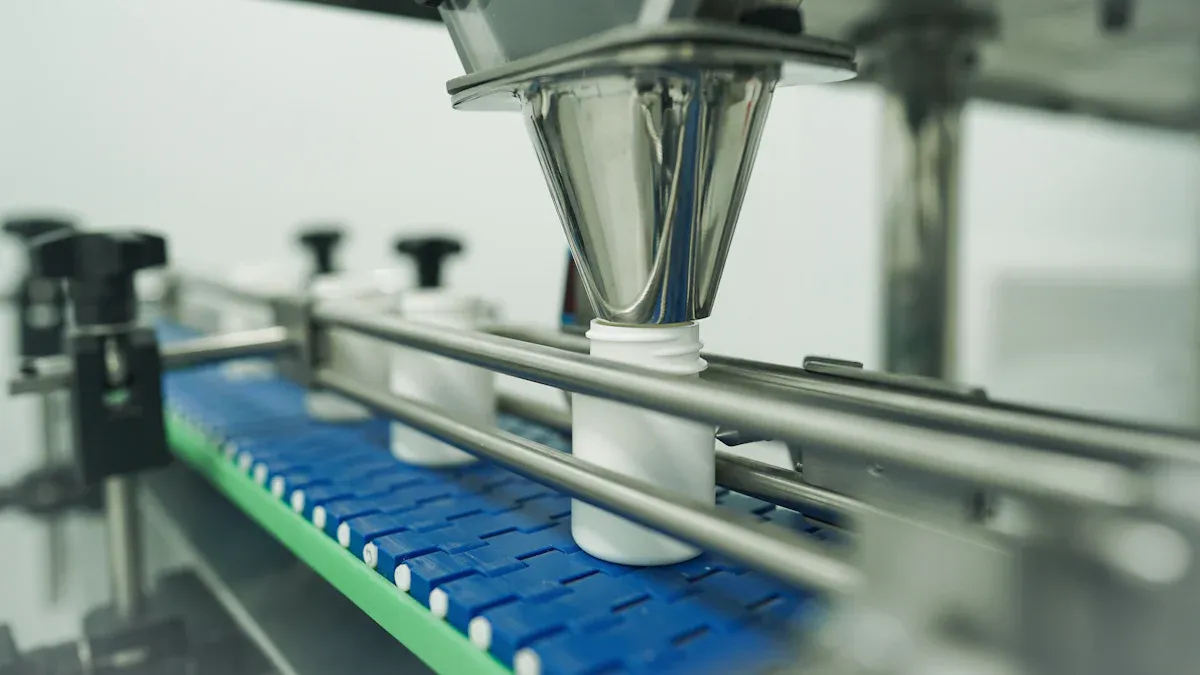
While X-ray inspection offers powerful protection, manufacturers must evaluate several key factors before committing to the technology. A successful implementation depends on understanding the financial, technical, and operational requirements. Making an informed decision involves looking beyond the benefits to the practical realities of integrating an X-ray system into a production line.
The initial purchase price of an X-ray system represents a significant capital expenditure. However, a true cost analysis extends beyond the initial price tag to the total cost of ownership (TCO). Lifetime costs include planned maintenance, software updates, and potential repairs. A system's construction quality directly impacts these expenses. Robustly built machines often require less maintenance and have a longer operational life, which lowers the TCO over time.
Energy consumption is another significant ongoing operational cost. X-ray machines are high-energy devices that demand considerable electricity. This power is necessary to generate X-rays and maintain system efficiency. Facilities with multiple machines or 24/7 operations will see these energy demands become a notable factor in overall expenses.
A comprehensive budget should account for the full lifecycle of the equipment. This includes the initial purchase, installation, energy use, routine maintenance, and eventual part replacements to get a true picture of the investment.
X-ray inspection technology is highly effective, but it is not infallible. The systems work by detecting differences in density. If a contaminant has a density similar to or lower than the food product, the machine may not identify it. This limitation is a critical factor for manufacturers to understand.
Certain low-density materials are notoriously difficult for standard X-ray systems to find. These include common physical contaminants that can still pose a risk or lead to consumer complaints.
| Typical Food Contaminant | Detectability by Standard X-ray |
|---|---|
| Wood Splinters | Typically Not Detectable |
| Insects | Typically Not Detectable |
| Hair | Typically Not Detectable |
| Thin Plastics/Polypropylene | Typically Not Detectable |
| Cherry Pit | Typically Not Detectable |
Product characteristics also influence detection accuracy. Highly textured products or those with variable density, like a bag of trail mix or a salad, can make it harder for the system to isolate a foreign object. Low-density food products present a similar challenge, as there is less contrast between the product and a potential contaminant. Manufacturers must match the inspection technology to their specific product risks.
Implementing advanced technology requires a corresponding investment in human capital. An X-ray system is only as effective as the team operating it. Proper training is not optional; it is essential for maximizing the system's return on investment and ensuring food safety.
Operators require comprehensive training in several key areas:
System Operation: Team members must know how to properly start, run, and calibrate the machine for different products.
Image Interpretation: Staff need the skills to correctly analyze X-ray images to identify contaminants and differentiate them from product variations.
Maintenance and Troubleshooting: Basic maintenance and the ability to troubleshoot common issues like false rejects are crucial for minimizing downtime.
Without this training, manufacturers risk production inefficiencies and, more importantly, a false sense of security. A poorly configured or improperly monitored system can fail to detect contaminants, defeating its purpose. Therefore, factoring in the time and resources for thorough training is a critical step when considering x ray inspection systems food industry.
Choosing the right inspection technology requires a careful evaluation of your specific production environment, risks, and business goals. A systematic approach ensures the final decision aligns with both safety mandates and operational realities.
Manufacturers can use a checklist to guide their evaluation process. Answering these questions helps clarify whether an X-ray system is the right fit for a specific plant.
Product & Contaminant Risk: What are your most common or highest-risk contaminants? A risk assessment of raw materials will classify risks and guide inspection needs.
Compliance Needs: Does the system meet retailer mandates (e.g., Costco) and GFSI standards like SQF or BRC?
Operational Fit: Can the machine keep pace with your production line speed? Is it designed for easy cleaning and maintenance to minimize downtime?
Safety & Usability: Does the system have robust safety features and an intuitive interface that simplifies operator training?
A true ROI calculation looks beyond the initial purchase price. It must account for the value of risk mitigation. While direct costs of a recall are clear, the intangible benefits of brand protection offer significant long-term value.
Protecting brand reputation is a crucial component of ROI. Preventing a single safety incident safeguards consumer trust, preserves market position, and avoids the massive costs associated with crisis response and recovering lost revenue.
This forward-looking analysis frames the investment as a strategic defense for the entire business.
X-ray technology is not a universal solution. A thorough risk assessment may reveal that other systems are more effective or cost-efficient for a specific application. If the primary contaminants are low-density materials that X-rays cannot see, an alternative is necessary.
Consider other technologies when your main risks involve:
Ferrous Metals Only: High-intensity magnetic separation systems are highly effective and more economical for removing only iron-based metals.
Color or Shape Defects: Optical sorting systems use high-resolution cameras to identify and remove products based on color, shape, or surface-level flaws.
Low-Density Plastics: Advanced optical sorters using Near-Infrared (NIR) technology can identify different polymer types.
Ultimately, the best x ray inspection systems food industry are those chosen after a complete analysis of product-specific risks.
X-ray inspection is a powerful tool against dense contaminants. Its financial and reputational protection provides a clear return on investment. As technology evolves with AI-powered quality control, manufacturers must evaluate their specific risks and customer requirements to determine if an X-ray system is the right fit for their production line.
Yes. Food passes through the beam very quickly and does not become radioactive. The process is completely safe. It does not affect the food's quality, taste, or nutritional value.
Metal detectors find only metallic items. X-ray systems detect contaminants based on density. They can find metal, glass, stone, and calcified bone that metal detectors often miss.
No special government certification is required. However, manufacturers must provide thorough training. This ensures correct system operation, image analysis, and safety compliance for effective use of the equipment.

We provide you with comprehensive foreign trade solutions to help enterprises achieve global development
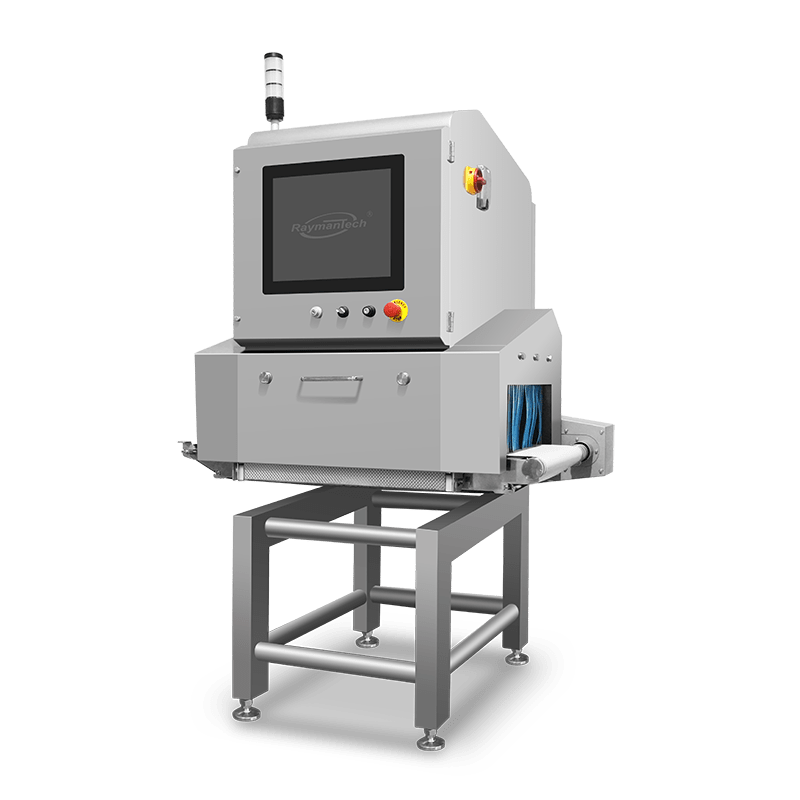
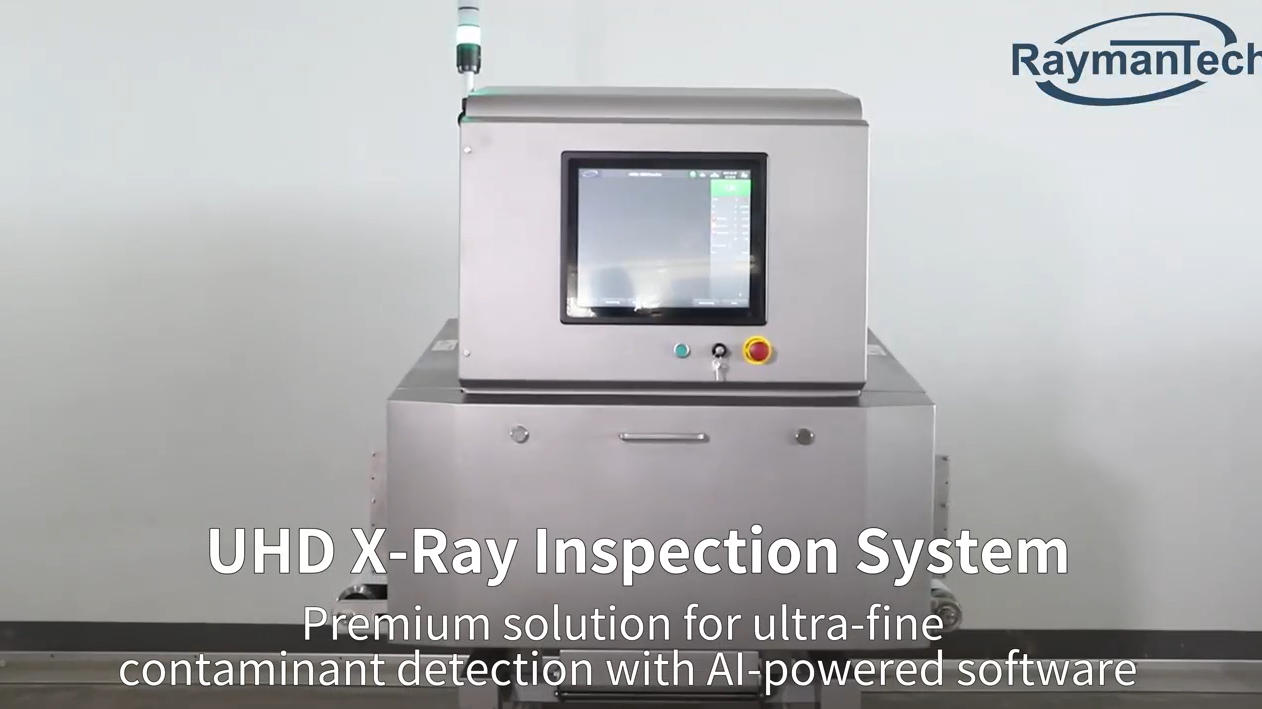
UHD X-Ray detector, AI large model, all food indus...
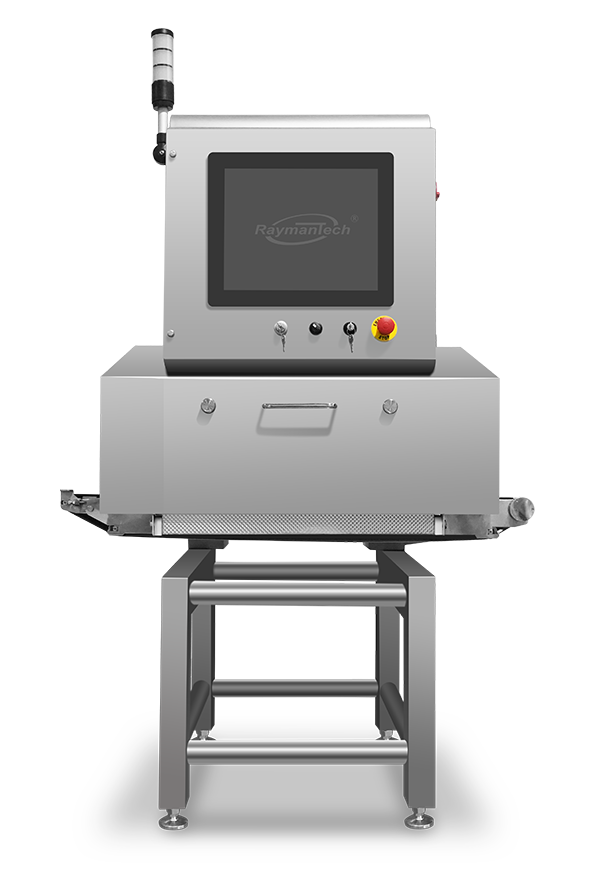
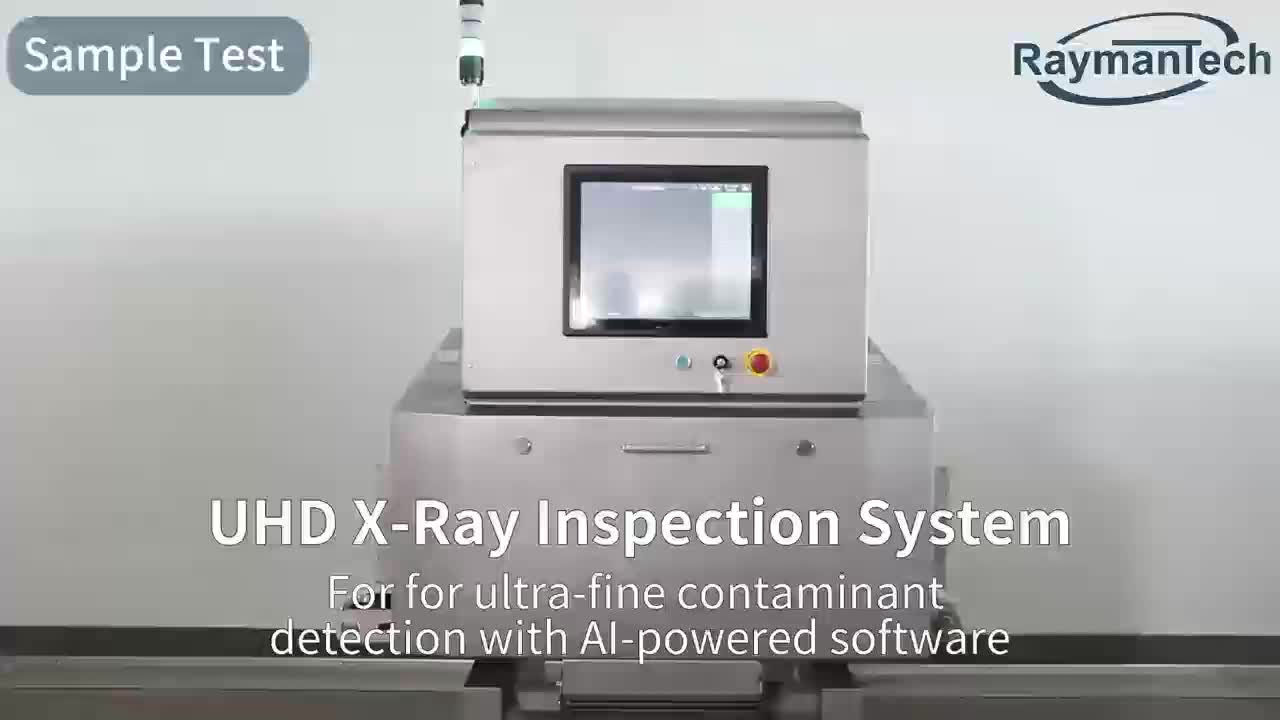
Ultra-fine contaminants detection, UHD X-Ray detec...
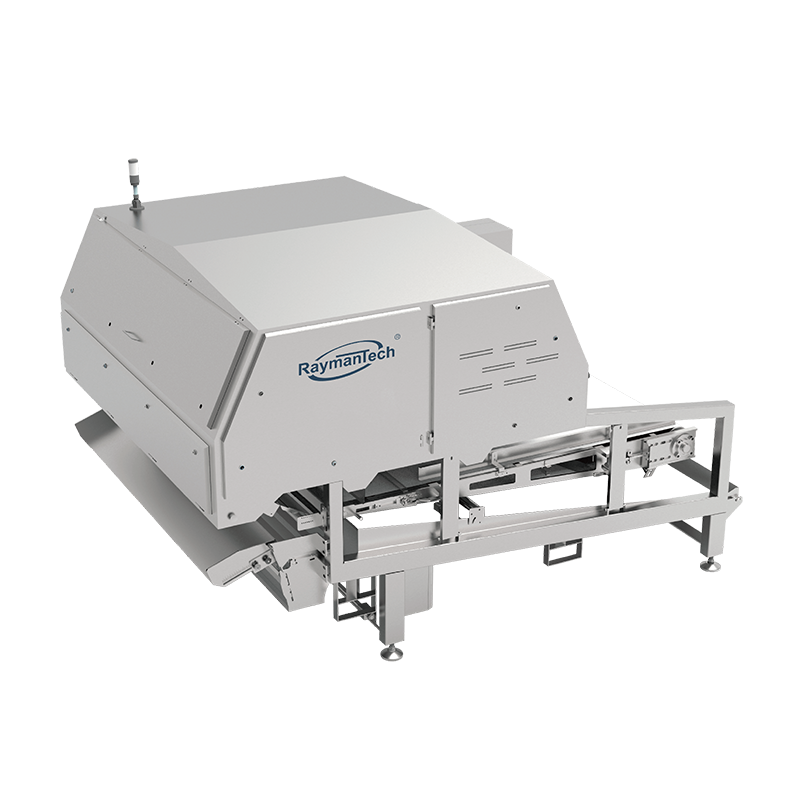
Recommedation: Frozen vegetables such as green be...
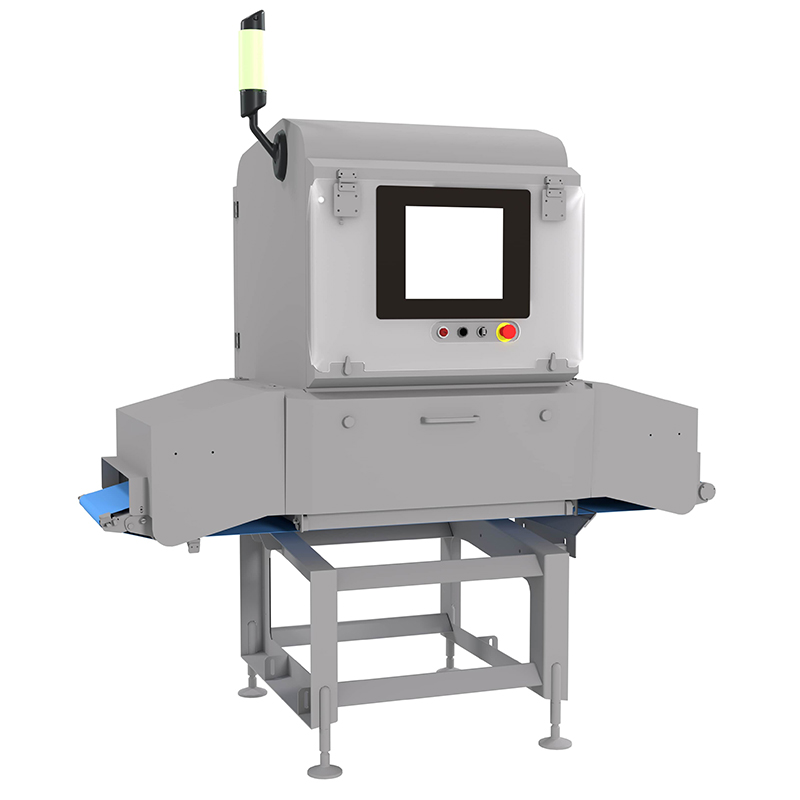
Chicken bone inspection, global poultry AI databas...
Select the most popular foreign trade service products to meet your diverse needs
Select the most popular foreign trade service products to meet your diverse needs







User Comments
Service Experience Sharing from Real Customers
Michael Rodriguez
Quality Control ManagerThese X-ray inspection systems have revolutionized our food safety protocols. The detection accuracy for contaminants like metal fragments and glass shards is exceptional. Our production line efficiency improved by 30% while maintaining perfect compliance with FDA regulations.
Sarah Chen
Production SupervisorOutstanding performance in detecting foreign objects in our packaged snacks. The system's sensitivity settings allow us to customize inspection for different product densities. Minimal false rejects and the user interface is incredibly intuitive for our operators.
David Thompson
Plant ManagerHighly reliable X-ray system for our canned goods production. The bone detection capability in our meat products has significantly reduced customer complaints. The only minor drawback is the initial setup time, but the ongoing performance makes it worthwhile.
Jennifer Williams
Food Safety DirectorThis X-ray inspection system has been instrumental in maintaining our HACCP standards. The automated rejection system works flawlessly, and the data logging features provide perfect traceability for audits. Excellent customer support and maintenance services.