What Is Frozen Block X-Ray and How Does It Revolutionize Specimen Imaging in Pathology Labs?
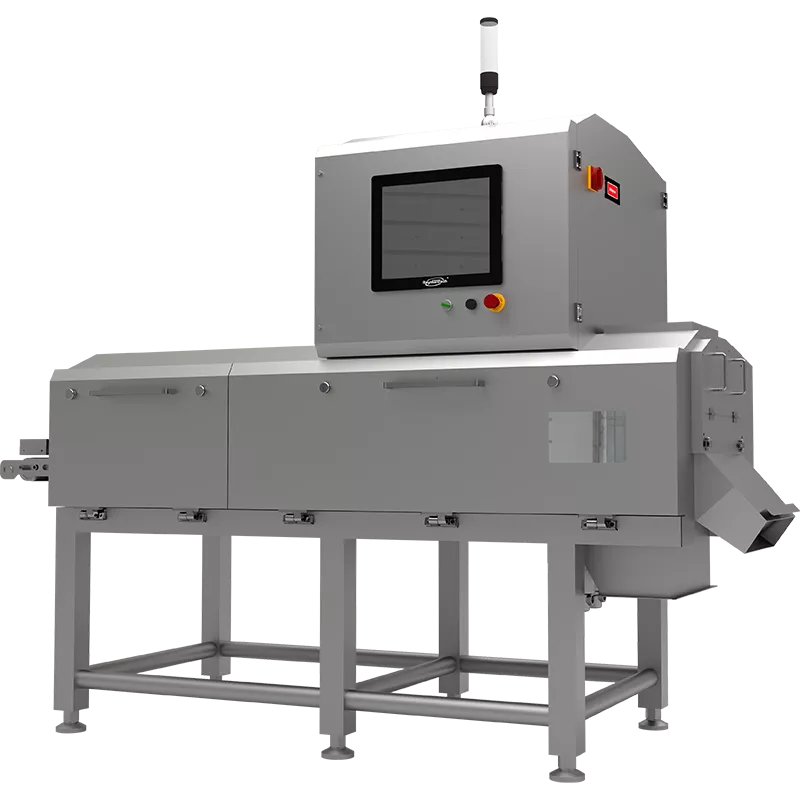
Frozen block x-ray, also known as frozen section block radiography, is a specialized imaging technique used in pathology to verify the presence, location, and orientation of calcified or radiopaque lesions within a frozen tissue block before sectioning. This method is critical for ensuring diagnostic accuracy, especially when dealing with small or scattered microcalcifications that may be invisible to the naked eye. The frozen block x-ray process involves placing the frozen tissue block directly on a digital X-ray detector inside the cryostat or a dedicated cabinet system, producing a high-resolution image within seconds. This allows pathologists to confirm that the target area, such as a suspicious breast calcification or a bone fragment, is properly included in the block for subsequent microscopic analysis. Without frozen block x-ray, there is a significant risk of missing the diagnostic tissue during trimming or sectioning, leading to potential false negatives or repeat biopsies. In practice, the technique is most commonly applied in breast cancer surgery, where intraoperative margin assessment is performed using frozen sections. The frozen block x-ray ensures that the calcifications seen on mammography are actually present in the block, guiding the pathologist to cut the correct face of the tissue. It also helps in documenting the exact location of the lesion for correlation with preoperative imaging. Modern digital frozen block x-ray systems offer high sensitivity for calcium detection, rapid image acquisition, and seamless integration with laboratory information systems. For pathology labs handling high volumes of breast specimens, implementing frozen block x-ray can reduce turnaround time, improve diagnostic confidence, and minimize tissue waste. Radiologists and surgeons also benefit from this verification step, as it provides real-time feedback on specimen adequacy during procedures. In summary, frozen block x-ray is not just an imaging tool but a quality assurance step that bridges radiology and pathology, ensuring that the tissue examined under the microscope truly represents the area of concern identified on clinical imaging. Its routine use is now considered a best practice in many accredited pathology laboratories worldwide.
 English EN
 Germany DE
 French FR
 Portuguese PT
 Spanish ES
.webp)
.webp)


.webp)
.webp)


.webp)





User Comments
Service Experience Sharing from Real Customers
Mike
Senior Food Safety AuditorWe use these frozen block x-rays daily in our cold storage facility to check for metal fragments in bulk meat shipments. The image clarity is incredible even through thick ice layers. Saved us from a major recall last month when it caught a tiny stainless steel bolt.
Sarah
Archaeological Field TechnicianNot the typical use case, I know, but I've been experimenting with this unit on frozen peat cores from a permafrost dig. It reveals subtle density changes that help me spot potential bone fragments before thawing. The software takes a bit of practice, but the hardware is a beast.
Tom
Quality Control SupervisorBought this for inspecting frozen pharmaceutical vials during transport. The conveyor integration was seamless, and the radiation shielding is top-notch. We've had zero false positives from frost buildup, which was a huge headache with our old unit. Highly reliable.
Elena
Materials Testing Lab TechIt works fine for our routine checks on frozen composite panels, but the portability is a bit overhyped. The generator is heavy, and the cooling system needs a dedicated power outlet. Image quality is solid for the price point, though. Just don't expect to haul it up a ladder.