
 English EN
 Germany DE
 French FR
 Portuguese PT
 Spanish ES
How X-ray Inspection Detects Glass Contamination in Food
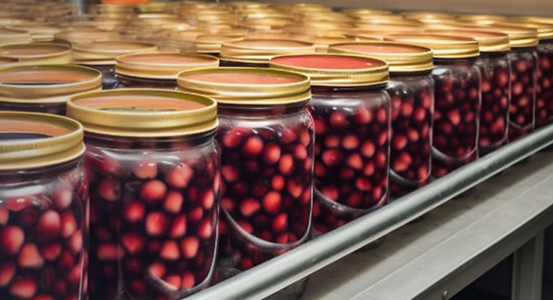
X-ray inspection detects glass in food by identifying differences in density between glass fragments and the surrounding product. This technology is essential for food manufacturers who use glass packaging because glass can break during production and pose serious safety risks. Advanced x-ray systems can find glass fragments that metal detectors miss, helping protect both consumers and brands.
X-ray food inspection machines can detect many contaminants, including glass, that threaten food quality and safety.
These systems close detection gaps left by traditional methods and are especially important for X-ray for Glass in Food applications.
Key Takeaways
X-ray inspection effectively detects glass in food by identifying density differences, ensuring safety for consumers.
Advanced x-ray systems can find small glass fragments that traditional methods, like metal detectors, often miss.
Regular calibration of x-ray systems is crucial for accurate detection of glass and other contaminants.
Multi-beam x-ray technology enhances detection by scanning from multiple angles, reducing blind spots.
Investing in x-ray inspection systems helps manufacturers comply with safety standards and protects their brand reputation.
X-ray for Glass in Food
Density and Absorption Principles
X-ray for glass in food relies on the physical property of density. X-ray systems send x-rays through food products and packaging. When x-rays pass through materials, denser objects absorb more energy. Glass is denser than most foods and packaging materials. This means glass fragments absorb more x-rays and appear as darker spots on the resulting images.
X-ray for glass in food works well because it highlights differences in density. For example, a piece of glass in a jar of jam will absorb more x-rays than the jam itself. The system can spot this difference and flag the product for further inspection. X-ray systems can also detect other dense contaminants, such as metal or stones, using the same principle.
Some advanced x-ray systems use dual energy technology. These systems compare how different materials absorb x-rays at two energy levels. This method helps the system tell the difference between glass and other dense objects. It improves accuracy and reduces the chance of missing a contaminant.
Detecting glass in glass containers presents a unique challenge. Both the container and the contaminant have similar density and material properties. This makes it harder for the x-ray system to spot small glass fragments, especially if they are near the edges or base of the container. Complex shapes and thick areas in the container can also hide contaminants. For this reason, x-ray for glass in food often requires advanced technology and careful system setup.
Note: X-ray for glass in food is essential for manufacturers who use glass packaging. It helps prevent dangerous fragments from reaching consumers and protects brand reputation.
Image Analysis in X-ray Detection
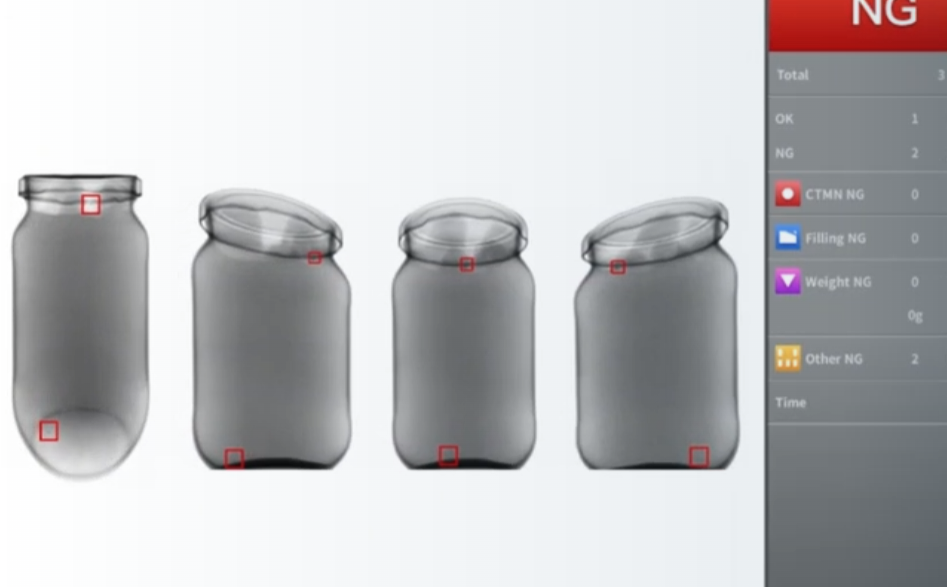
After capturing an x-ray image, the system uses advanced software to analyze the results. The software looks for irregular shapes and abnormal density patterns. It can distinguish between glass fragments, metal pieces, and other foreign objects. This process is much more reliable than manual inspection, which can miss small or hidden contaminants.
The table below shows common image analysis techniques used in x-ray for glass in food:
Technique | Description |
|---|---|
High Contrast X-Ray Images | Shows defects clearly by using high contrast sources and short distances for better clarity. |
Multiple Beam X-Ray Systems | Detects asymmetric glass shards by using different imaging angles and addressing container design challenges. |
Empty Bottle Inspector (EBI) | Checks glass containers before filling to ensure no exterior defects and verifies the interior is free from foreign materials. |
Full Bottle Inspector (FBI) | Detects foreign materials in filled containers, used right after filling and closure. |
X-ray for glass in food uses these techniques to improve detection rates. Multiple beam systems are especially useful for glass containers with complex shapes. They capture images from different angles, reducing blind spots and increasing the chance of finding hidden glass fragments.
X-ray inspection systems can find contaminants that manual inspection often misses.
Small glass pieces are hard to detect, especially in glass containers, but advanced x-ray systems use sensitive algorithms to improve accuracy.
The software can identify foreign materials, including tiny glass shards, that are not visible to the human eye.
Detecting glass in glass containers remains a difficult task. The similar density of the container and the contaminant can make detection nearly impossible for basic systems. Non-traditional container shapes and decorative designs add to the challenge by creating blind spots. Advanced x-ray for glass in food systems overcome these issues by using multiple x-ray sources and smart software. These systems enhance contrast and highlight differences in absorption, making it easier to spot even the smallest glass splinters.
X-ray for glass in food is a critical tool for food safety. It combines physics, engineering, and software to protect consumers from harm and help manufacturers maintain high standards.
Detection Process and Technology
Multi-beam X-ray Systems
Multi-beam x-ray technology has transformed x-ray inspection of food, especially for glass detection in bottles, jars, and cans. These advanced x-ray systems use two, three, or even four x-ray sources to scan products from different angles at the same time. This approach helps eliminate blind spots that can hide glass fragments. For example, a dual-beam x-ray system inspects food from multiple directions, making it easier to spot glass pieces that might be missed by a single beam. Triple-beam x-ray systems go even further by using three independent x-ray sources. This setup improves detection performance by covering more areas, including the base, sidewalls, and neck of glass containers.
The effectiveness of multi-beam x-ray technology depends on both the density of the glass and its orientation inside the packaging. Most foods have a density close to water, which is much lower than glass. This difference allows the x-ray system to highlight glass fragments during low-density food inspection. However, the orientation of a glass shard matters. A shard lying flat is easier to detect than one standing upright. Specialized x-ray technology, like the RaymanTech AI X-Ray Inspection System, uses angled beams to reduce these blind spots and improve contaminant detection in all types of containers.
Multi-beam x-ray systems:
Inspect from multiple angles to reduce blind spots.
Improve image quality for better glass detection.
Cover critical areas such as the base and neck of containers.
Software and Image Processing
Advanced software plays a key role in x-ray inspection of food. The software analyzes x-ray images to find glass fragments, even in thick or complex packaging. It uses high-resolution imaging to detect glass as small as 1.0 mm. Multi-energy analysis helps the x-ray system tell the difference between glass and food, which is important for low-density food inspection. Artificial intelligence (AI) algorithms further enhance detection accuracy by learning to recognize the unique patterns of glass fragments.
Detection Method | Description |
|---|---|
Bottles and Jars | Identifies glass fragments even in thick packaging. |
Pouches and Flexible Packaging | Detects glass inside plastic or foil packs. |
Canned Products | Detects glass in metal cans, an advantage over metal detectors. |
High-Resolution Imaging | Detects glass as small as 1.0 mm. |
Multi-Energy Analysis | Differentiates glass from food. |
Enhances detection accuracy. |
The image processing software uses several steps to improve x-ray technology. First, it creates grayscale images based on how much energy different materials absorb. Dense materials like glass absorb more x-ray energy and appear as darker spots. The software then uses contrast enhancement and masking functions to highlight these dark areas. This process helps the x-ray system distinguish between glass fragments and other objects, such as bottle caps or container edges. Multiple perspectives are often needed, especially for glass-in-glass detection, because splinters can hide at the bottom or sides of containers. The software can detect glass fragments as small as 1.5 to 2 mm, making it a powerful tool for low-density food inspection.
Calibration and Product Orientation
Calibration is essential for any x-ray system used in x-ray inspection of food. Regular calibration ensures that the x-ray technology can accurately detect glass and other contaminants at the correct size and location. Sensitivity checks confirm that the equipment meets safety standards and can find even small fragments during low-density food inspection. Without proper calibration, the x-ray system might miss dangerous pieces or create false alarms.
Product orientation also affects the success of x-ray inspection of food. Round containers are easier to inspect because their shape creates fewer blind spots. Complex shapes, such as oval or square containers, present more challenges for x-ray technology. These shapes may require extra filtering and can lead to variable images during low-density food inspection. Differences in glass thickness and impurities can also make detection harder. For this reason, manufacturers should test their x-ray system with real glass contaminants and adjust the settings for the best detection performance.
Tip: Always calibrate your x-ray system and test with actual glass fragments to ensure reliable contaminant detection.
X-ray technology continues to advance, making x-ray inspection of food safer and more reliable. Multi-beam x-ray systems, smart software, and careful calibration work together to protect consumers and maintain high standards in the food industry.
X-ray Inspection Solutions vs. Traditional Methods
Limitations of Visual and Metal Detection
Traditional methods for detecting glass in food include visual inspection and metal detection. Both methods have important limitations. Metal detectors cannot find glass because glass does not have magnetic or electrical properties. This means that even if a glass fragment is present, a metal detector will not react. Visual inspection also struggles to find glass. Glass is often clear or light-colored, which makes it hard to see among food products. Workers can easily miss small or hidden pieces, especially when inspecting large batches. These limitations can lead to dangerous glass fragments reaching consumers.
Advantages of X-ray Inspection
X-ray inspection solutions offer a much higher level of sensitivity and reliability for glass detection. X-ray systems work by analyzing density differences, which allows them to spot even tiny glass chips that traditional methods might overlook. This technology does not depend on the color or position of the glass. It can inspect all around and through containers, providing complete coverage. X-ray inspection is not affected by the shape or design of the packaging, so it works well with bottles, jars, and cans.
Key advantages of x-ray inspection include:
Full-container inspection: X-ray systems scan every part of the product, reducing the chance of missing glass fragments.
High-speed rejectors: These systems quickly remove contaminated items from the production line. This keeps the process efficient and prevents waste.
Reliable detection: X-ray inspection is recognized as one of the most effective ways to find glass in food. It helps manufacturers maintain high safety and quality standards.
Note: X-ray inspection solutions are especially valuable in high-speed production environments. They ensure that only defective products are removed, keeping the rest of the line moving smoothly.
X-ray inspection has become a trusted tool for food safety. Its ability to detect small glass fragments and remove them quickly protects both consumers and brands.
Practical Benefits of X-ray Inspection
Enhanced Food Safety and Quality
X-ray inspection plays a vital role in food production by detecting glass and other impurities before products reach consumers. Automated x-ray inspection systems scan every glass container, bottle, or jar, identifying even the smallest fragments. This process helps remove contaminated products early, reducing the risk of recalls and protecting public health.
Many food production facilities use x-ray systems to check for impurities at multiple stages. These systems can perform several quality checks at once, such as monitoring fill levels and inspecting seal integrity. As a result, food safety improves, and only high-quality products leave the factory. Automated x-ray inspection also reduces human error, making the process more reliable.
X-ray inspection has become a standard in food production, especially for products packaged in glass containers. Brands that invest in these systems show a strong commitment to food safety and consumer trust.
The table below highlights how advanced x-ray inspection systems help reduce recalls:
Feature | Benefit |
|---|---|
High-sensitivity detection | Finds glass and other impurities early in food production |
Elimination of human error | Ensures consistent quality control and safety compliance |
Inspection documentation | Provides records for traceability and recall prevention |
Compliance and Brand Protection
Meeting international food safety standards is essential for every food production company. X-ray inspection systems help manufacturers comply with regulations by detecting glass and other impurities at every stage. These systems keep detailed records, which are important for audits and traceability. When a company can show proof of regular inspections, it demonstrates due diligence and builds trust with retailers and consumers.
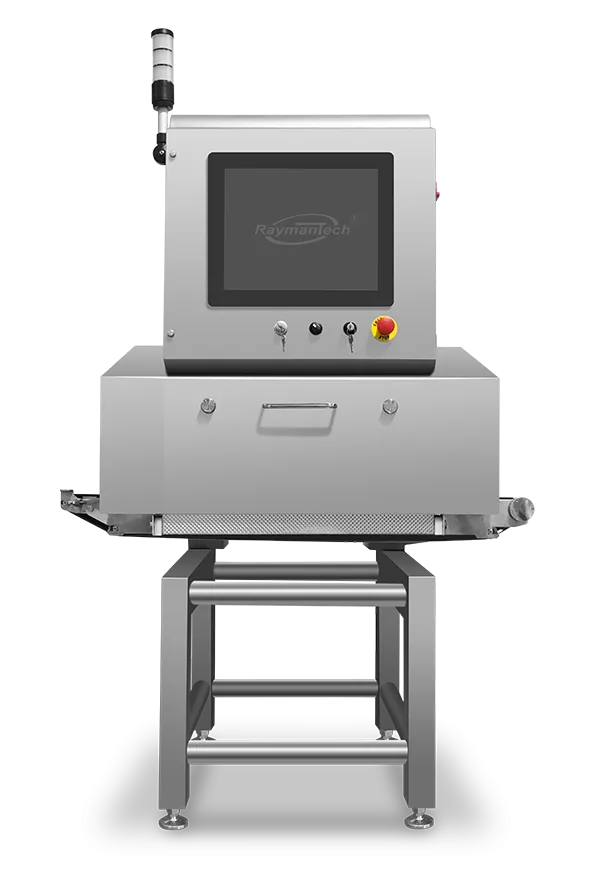
Hygienic design is another key benefit. X-ray machines, like those from RaymanTech, feature stainless-steel construction and easy-to-clean surfaces. This design reduces contamination risks and supports safe food production environments. Automated rejectors work with x-ray systems to remove contaminated products without stopping the line, keeping production efficient.
X-ray inspection protects brand reputation by preventing contaminated products from reaching the market.
Companies using x-ray systems are seen as leaders in food safety.
Consumers feel more confident buying products from brands that use advanced inspection technology.
X-ray inspection stands out as a reliable method for detecting glass in food production. Manufacturers benefit from fewer recalls, improved compliance, and stronger consumer trust. Modern x-ray systems can find fragments as small as 1.5 mm, even inside containers. To maximize results, companies should:
Adjust sensitivity settings for each product.
Integrate x-ray systems smoothly into workflows.
Train staff and schedule regular maintenance.
Long-term Benefit | Description |
|---|---|
Recall prevention | Reduces costly recalls and protects brand reputation. |
Operational efficiency | Speeds up contaminant detection and lowers costs. |
FAQ
What types of glass fragments can x-ray inspection equipment detect?
X-ray inspection equipment can find many types of glass fragments, including chips, slivers, and irregular pieces. The system can also spot glass splinters that are very small or hidden inside food products.
How does x-ray inspection equipment handle glass splinters in glass containers?
X-ray inspection equipment uses advanced imaging and multiple angles to find glass splinters, even when they are inside glass containers. This technology increases detection capability and helps protect consumers from hidden hazards.
Can x-ray machines detect glass splinters in metal cans or plastic packaging?
Yes. X-ray machines can detect glass splinters in metal cans, plastic packaging, and other container types. The equipment uses density differences to locate glass fragments, making it effective for many packaging materials.
What is the smallest size of glass splinters that x-ray inspection equipment can find?
The detection capability depends on the system and product type. Many x-ray inspection equipment models can find glass splinters as small as 1.0 mm, ensuring high safety standards for food products.
Why is regular calibration important for x-ray inspection equipment?
Regular calibration keeps x-ray inspection equipment accurate. It ensures the system finds glass fragments and glass splinters at the correct size and location. Proper calibration also maintains the detection capability of the equipment.

Related Articles
-
 Apr-27-2026
How Safe is X-ray Inspection of Food?
Consumers and manufacturers alike worry about contamination in food – broken glass, metal fragments, plastic or stone – entering a product and harming someone or prompting a recall. X-ray inspection systems have become a key solution: conveyors carrying packaged or unpackaged food pass through a shielded X-ray machine that “sees” inside each item. This technology complements traditional metal detectors and manual checks to catch a wider range of hazards. Importantly, extensive research and industry experience show that food X-ray inspection is extremely safe. Nearly everything we eat – from spices to snacks – is X-rayed at some point during production, and regulatory bodies (like the FDA) report “no known adverse effects” from the low-dose X-ray scans used in food plants.learn more -
 Apr-27-2026
How X-Ray Sorting Machines Integrate AI for Unmatched Precision
X ray sorting machine with AI delivers unmatched precision, real-time contaminant detection, and adaptive sorting for diverse industry needs.learn more -
 Apr-27-2026
RaymanTech X-ray Inspection Systems: The Complete Guide to a Smarter, Safer Production Line
When a single shard of glass, a fragment of bone, or an unnoticed plastic tie can trigger a multimillion-dollar recall and shatter consumer trust, food manufacturers can no longer rely on yesterday’s detection technology. RaymanTech has built an entire ecosystem of X-ray inspection solutions that go far beyond traditional metal detectors, delivering density-based, shape-aware, AI-enhanced inspection across every product format imaginable.learn more




Follow us:


