 English EN
 Germany DE
 French FR
 Portuguese PT
 Spanish ES
The Complete Guide to Glass Container X-ray Inspection for Food and Beverage

Glass container x-ray inspection protects food and beverage products from glass contamination. This process uses advanced technology to scan glass packaging and find hidden threats. Glass contamination can enter during manufacturing or filling. Glass container x-ray inspection can detect small shards or fragments that are not visible to the human eye. Many companies trust glass container x-ray inspection to keep glass packaging safe and maintain product safety and integrity. Reliable systems ensure the highest levels of product safety by removing risks from glass contamination. Glass container x-ray inspection is critical for any operation that uses glass packaging and must prevent glass contamination at every stage.
Key Takeaways
Glass container x-ray inspection is essential for detecting hidden contaminants, ensuring food safety and product integrity.
Advanced x-ray systems can identify both metallic and non-metallic contaminants, making them more effective than traditional methods.
Regular training and integration of x-ray systems into production lines enhance efficiency and accuracy in detecting foreign objects.
Investing in reliable x-ray technology can lead to fewer product recalls, improved brand reputation, and increased consumer trust.
Companies should regularly review their inspection processes and consider advanced solutions like RaymanTech for optimal safety.
How Glass Container X-ray Inspection Works
X-ray Imaging Principles
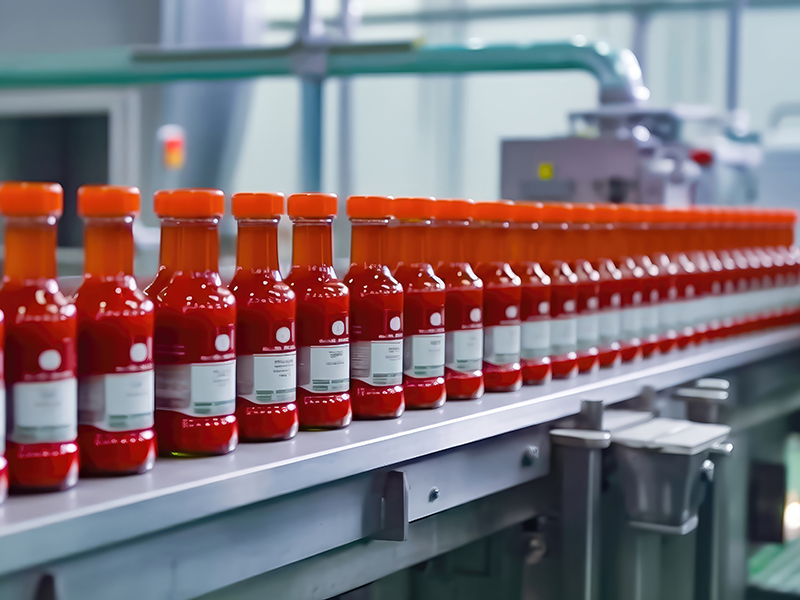
X-ray inspection uses the science of differential absorption. This means that different materials absorb x-rays at different rates. Glass has a higher density than most foods. When x-rays pass through a glass container, the glass absorbs more energy than the food inside. This creates a clear image that highlights differences between the container, the product, and any foreign objects.
The table below shows how x-ray attenuation varies between glass, food, and common contaminants:
Material Type | X-ray Attenuation Characteristics |
|---|---|
Glass | High density leads to significant attenuation, making it easily detectable. |
Food | Varies based on composition; generally lower density than glass, affecting detection sensitivity. |
Common Contaminants | Attenuation varies widely; some may be similar to food, complicating detection. |
This principle allows x-ray inspection systems to spot even small pieces of glass or other physical contaminants that may be hidden inside the product. The ability to see these differences is what makes x-ray such a powerful detection technology for the food and beverage industry.
Tip: X-ray inspection does not damage the food or change its taste. It only creates an image for analysis.
Key System Components
A typical glass container x-ray inspection system includes several important parts:
High contrast x-ray tube with its own power supply. This part creates the x-rays needed for inspection.
Detector that resists wear and lasts a long time. The detector captures the x-rays that pass through the container and turns them into images.
Integrated conveyor system. This moves glass containers smoothly through the inspection area.
Dual horizontally projected x-ray beams, plus an angled beam. These beams allow the system to look through both the bottom and sides of each container.
Subsystems for maximum availability and fault tolerance. These features help the system run reliably, even if one part needs maintenance.
Some systems use a dual-view approach. This means they inspect each glass container from two angles. The two beam angles help the system see through the bottom and the sidewalls. This setup removes blind spots and helps find contaminants in hard-to-see places.
The type of detector and its position also affect how well the system works. The table below compares two common setups:
Feature | Vertical Irradiation Systems | Horizontal Irradiation Systems (Side-shoot) |
|---|---|---|
Primary Use Case | Flat, low-profile products | Tall, upright, or rigid containers |
Observation Angle | Top-down view | Side view through the vertical profile |
Advanced Checks | Contaminant detection | Fill level, mass, and seal checks |
Contaminant Detection Types
X-ray inspection systems can find many types of physical contaminants in glass containers. These include:
Metal
Non-ferrous metals, such as stainless steel
Glass
Bone (calcified)
PVC plastic
Teflon plastic
Ceramic or concrete
Flavor or sugar clumps
Missing product
Modern x-ray inspection can also detect:
Low-density plastics
Thin glass, like fluorescent tubes
Low-density stones
Insects
Wood
Hair
Cardboard
Paper
X-ray inspection is effective at finding both metallic and non-metallic contaminants. It can even spot stones and ceramics because it detects differences in density. This makes x-ray inspection a reliable tool for contamination detection in glass packaging.
Note: X-ray inspection systems help protect consumers by removing products with physical contaminants before they reach the market.
Why Use X-ray Inspection Systems
Regulatory Compliance
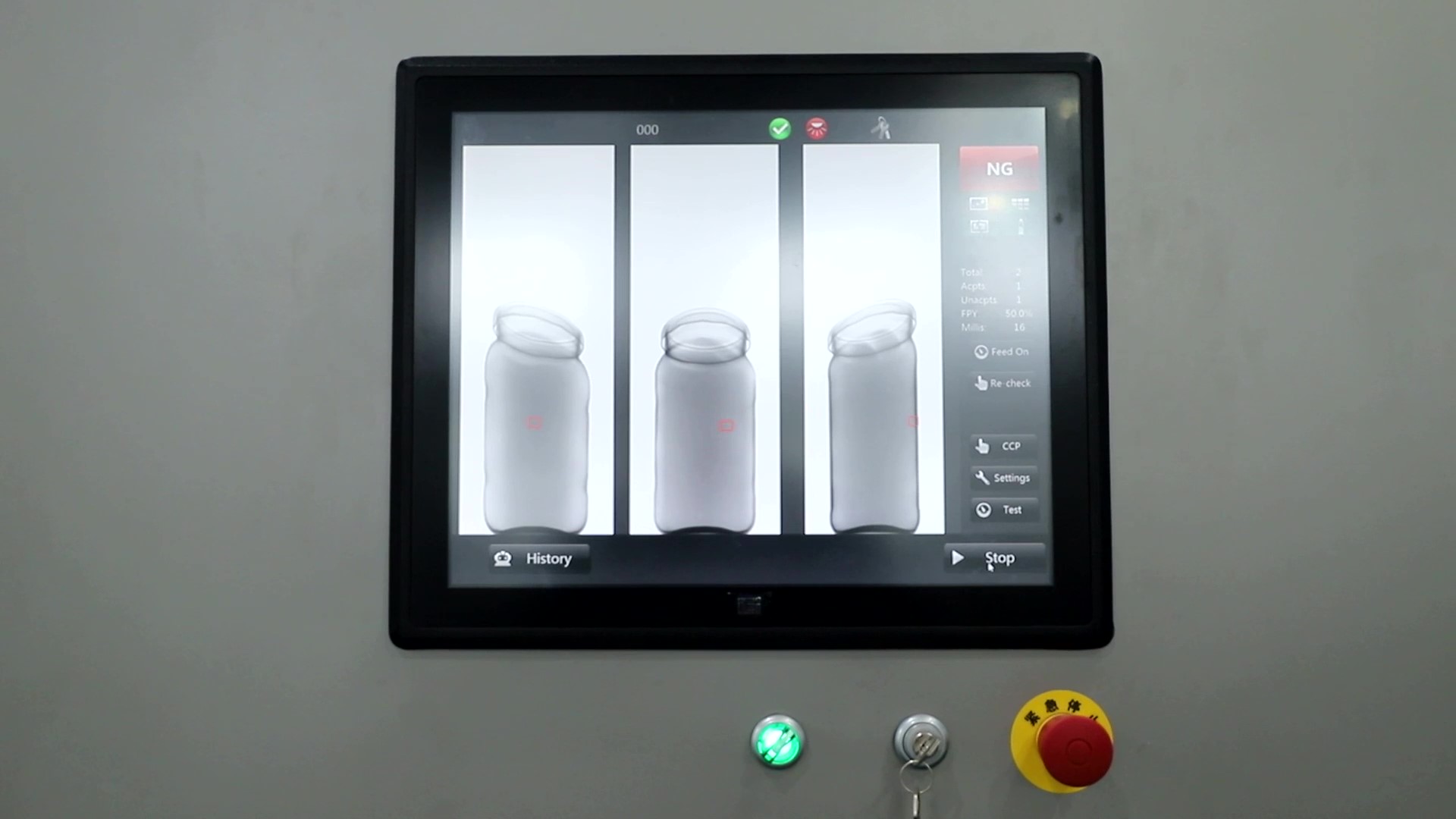
Food and beverage manufacturers must follow strict safety rules. X-ray inspection systems help companies meet these requirements by finding a wide range of contaminants in glass containers. These systems improve risk management by detecting not only metal but also glass, stone, and other foreign objects. They also check for missing or incomplete products. Automated data logging makes it easier to track each batch and simplifies audits. This helps companies comply with Hazard Analysis and Critical Control Points (HACCP) standards and other food safety regulations. By using x-ray inspection systems, manufacturers can show that they take safety seriously and are ready for inspections at any time.
Quality Assurance
X-ray inspection systems play a key role in maintaining product quality. They identify contaminants that traditional methods might miss. This technology also supports quality control checks such as fill level, seal inspection, and mass measurement. Companies benefit from:
Improved accuracy in detecting contaminants
Enhanced fill level measurements
Effective seal inspection
Precise mass and weight determination
Increased overall product integrity
These systems help safeguard products from future contamination and protect brand integrity. By ensuring that only safe products reach consumers, x-ray inspection systems reduce the risk of product recalls and support high standards of quality.
Brand Protection
Protecting a brand’s reputation is vital in the food and beverage industry. X-ray inspection systems lower the risk of defective products reaching consumers by detecting high-density contaminants like glass, metal, and stones. This reduces the chance of harm and legal issues.
The reputational risks for food and beverage brands associated with glass contamination incidents include potential harm to consumers, legal liabilities, and significant damage to brand reputation. Companies must respond quickly and effectively to such incidents to mitigate these risks.
The table below shows how x-ray inspection systems contribute to brand protection:
Benefit | Description |
|---|---|
Increased consumer protection | X-ray systems enhance safety by detecting contaminants, thus protecting consumers. |
Quality assurance improvements | The technology elevates quality control standards, ensuring products meet safety requirements. |
Brand protection and recall prevention | By preventing contamination, x-ray systems help maintain brand image and avoid costly recalls. |
Food safety compliance | Ensures adherence to safety regulations, further protecting the brand's reputation. |
Customer trust | Enhanced safety and quality lead to increased consumer confidence in the brand. |
High ROI | Investment in x-ray technology yields significant returns through reduced recalls and improved brand loyalty. |
Benefits of X-ray Inspection
Advantages Over Other Methods
X-ray inspection offers several key advantages compared to metal detectors and visual inspection. X-ray systems can detect both metallic and non-metallic contaminants, while metal detectors only find metals. X-ray inspection also checks the integrity of the product and packaging, not just for metal. The table below highlights these differences:
Feature | X-ray Inspection | Metal Detection |
|---|---|---|
Contaminant Detection | Detects both metallic and non-metallic contaminants | Excels in detecting metallic contaminants |
Packaging Integrity Checks | Provides multiple checks for product and packaging integrity | Limited to metal detection only |
Sensitivity | Superior sensitivity, including through aluminum foil | Limited to metallic detection only |
Versatility | Versatile in detecting various contaminants | Focused on metallic contaminants only |
X-ray inspection detects a wider range of contaminants, such as glass, bone, stone, and dense plastics. Metal detectors cannot find these materials. X-ray systems also work well regardless of moisture, salt, or temperature, which can cause false rejects in metal detection. This makes x-ray inspection more reliable for glass packaging.
Full-Container and Multi-Beam Coverage
Modern x-ray systems use multi-beam technology to inspect every part of a glass container. These systems can scan from several angles at once, reducing blind spots and improving detection rates. For example, quad-view systems provide four-view coverage and can inspect over 1,000 containers per minute. Some systems, like Peco InspX, can check up to 1,600 bottles per minute and handle containers up to one U.S. gallon in size. This high-speed, full-container coverage ensures that even small contaminants are found before products reach consumers.
Multi-beam x-ray inspection gives manufacturers confidence that every inch of each container is checked for safety.
AI and Advanced Detection
Artificial intelligence (AI) has transformed x-ray inspection. AI-powered systems analyze high-definition images to spot a wide range of contaminants, including glass, metal, stone, bone, and dense plastics. Computers now automatically evaluate x-ray images, making detection faster and more accurate. Advanced detection algorithms have reduced false negatives by up to 40%. Detection rates for small objects now exceed 95% accuracy. This means fewer contaminated products slip through, and fewer safe products are wrongly rejected.
Metric | Improvement |
|---|---|
Reduction in false negatives | Up to 40% |
Detection rate for small objects | Exceeding 95% accuracy |
AI-driven x-ray inspection helps food and beverage companies achieve the highest standards of safety and quality.
X-ray Inspection Challenges
Glass and Packaging Limitations
Inspecting glass containers with x-ray systems presents unique challenges. The shape and curvature of glass bottles or jars can distort x-ray images. This distortion sometimes creates blind spots, making it harder to detect and remove glass contaminants. Dense liquids inside containers can also interfere with the x-ray image, hiding foreign objects from view. Labels and caps may introduce artifacts, which can lead to false alarms or missed detections.
The table below highlights some common limitations:
Limitation | Description |
|---|---|
Shape and Curvature Distortion | Curved surfaces can distort images, creating blind spots for contaminants. |
Liquid Interference | Dense liquids can obscure foreign bodies, making detection difficult. |
Label and Cap Artifacts | Packaging materials can create artifacts, leading to false positives in detection. |
Other factors can also affect inspection accuracy:
Viewing angle: Older machines may miss narrow objects if scanned head-on.
Density of materials: Low-density objects, such as small glass shards, may go undetected.
Interference from packaging: Dense packaging can hinder the inspection process.
Older x-ray machines often struggled with these issues, especially when contaminants had similar density to the product or packaging. This made it difficult to ensure complete safety and prevent potential bacterial contamination.
Addressing Detection Difficulties
Modern x-ray inspection systems use advanced technology to overcome these challenges. High-resolution detectors capture detailed images, making it easier to spot small or low-density contaminants. Multi-lane calibration algorithms adjust sensitivity settings for each product lane, reducing both false positives and negatives. Beam collimation and shaping improve image contrast, helping operators identify foreign objects more clearly.
The table below shows how detection size improves with advanced technology:
Contaminant Type | Detection Size with DXD/DXD+ | Detection Size with Single-Energy X-ray |
|---|---|---|
Aluminum | 2 mm | 3 mm |
Low-mineral glass | 2 mm | 5 mm |
Rubber | 5 mm | 6 mm |
These improvements help manufacturers detect and remove glass contaminants more effectively. By using the latest x-ray systems, companies can also reduce the risk of bacterial hazards that may arise from undetected foreign objects. This approach supports safer food and beverage products for everyone.
Choosing the Right X-ray Inspection System
Selecting the best glass container x-ray inspection systems is a critical decision for food and beverage manufacturers. The right system can improve safety, boost quality, and increase overall production line efficiency. This section explains the most important features, integration steps, and cost considerations to help you make an informed choice.
Key Features to Consider
Modern glass container x-ray inspection systems offer a range of features that support high-speed, accurate, and safe inspections. The following table outlines essential features and their benefits:
Feature | Description |
|---|---|
Parallel Processing | Operates multiple X-ray units at once for fast production lines. |
Adjustable Speed Settings | Matches inspection speed to changes in production flow. |
Bottleneck Identification | Finds and helps fix slow points in the production process. |
Conveyor System Optimization | Keeps products moving smoothly with less jostling or damage. |
Adjustable Guides and Rails | Fits different product sizes for proper alignment during inspection. |
Gentle Product Handling | Prevents breakage or spills, especially for fragile glass containers. |
Diverter Systems | Moves products for re-inspection or rejection based on results. |
Customized Product Handling | Adapts to unique product shapes or requirements. |
Integration with Existing Equipment | Works well with other machines on the production line. |
Operator Training | Ensures staff can use the system safely and effectively. |
Safety is also a top priority. Advanced x-ray systems use non-intrusive inspection methods, which means they do not touch the product. These systems use smart algorithms to detect threats or contaminants. Proper operator training is important to maximize safety and accuracy.
The RaymanTech AI X-Ray Inspection System stands out in this field. It uses multi-beam imaging for full-container coverage, so there are no blind spots. Its AI-powered detection finds both metal and non-metal contaminants, even in complex packaging. The system meets CE radiation standards, which ensures safety for both operators and products. RaymanTech also offers gentle product handling and flexible conveyor options, making it suitable for many types of glass containers.
When compared to other leading systems, RaymanTech provides advanced features such as quad-beam imaging and AI-driven analysis. These features help manufacturers meet industry standards and maintain compliance with food safety regulations.
Tip: Choose a system that matches your product types, production speed, and safety requirements.
Integration with Production Lines
Integrating a new x-ray inspection system into an existing production line requires careful planning. The following steps help ensure a smooth process:
Review generator specifications to match inspection needs.
Use multiple line sensors to improve image quality and detect foreign objects.
Select a system with high pixel resolution for better detection.
Choose a reliable rejection mechanism to remove defective products quickly.
Confirm that the system meets all local certification and safety standards.
Pick user-friendly software for easy operation and training.
Use advanced imaging software to enhance detection, especially for products with similar densities.
Work with experienced suppliers who can provide application support.
Train operators to use the system safely and efficiently.
Consider the total cost of ownership, including maintenance and support.
RaymanTech’s AI X-Ray Inspection System is designed for easy integration. It offers data transfer capabilities for seamless communication with other equipment. The system’s high-speed rejector and adjustable guides help maintain product flow and minimize downtime. These features support better control over the inspection process and help maintain high standards of quality.
Note: Proper integration reduces errors and keeps production running smoothly.
Cost and ROI
Cost is always a key factor when choosing glass container x-ray inspection systems. While the initial investment may seem high, these systems often deliver strong returns. X-ray inspection systems have low ownership costs and offer multifunctional benefits. They reduce maintenance needs and operational expenses over time. This makes them more cost-effective than many other contaminant detection technologies.
RaymanTech’s system provides excellent value. Its advanced features, such as AI detection and multi-beam imaging, help prevent costly recalls and protect your brand. The system’s reliability and safety compliance also lower long-term risks. Investing in a high-quality x-ray inspection system can lead to fewer product losses, improved customer trust, and better compliance with food safety standards.
Investing in the right x-ray inspection system supports both product safety and business growth.
Real-world Applications and Case Studies
Industry Success Stories
Food and beverage companies have adopted x-ray inspection to improve safety and quality. In the seafood industry, processors use x-ray systems to detect glass fragments that may enter during packaging. Dairy producers rely on x-ray inspection to find stones or metal pieces in glass milk bottles. Baby food manufacturers need to ensure that every jar is free from glass shards and other contaminants. Pet food brands also use x-ray inspection to check for foreign objects in canned or jarred products.
RaymanTech’s AI X-Ray Inspection System has played a key role in these industries. A leading seafood exporter installed RaymanTech’s system to inspect glass jars of pickled fish. The system’s multi-beam imaging found tiny glass splinters that other methods missed. A dairy company integrated RaymanTech’s solution for its bottled milk line. The AI detection reduced false rejects and improved product safety. In the baby food sector, a manufacturer used RaymanTech to check every jar for both glass and metal contaminants. The system’s full-container coverage gave the company confidence in its quality control.
Companies that use advanced x-ray inspection report fewer recalls and higher customer trust.
Lessons Learned
Real-world deployments show several important lessons. First, full-container coverage is essential for finding hidden contaminants. Multi-beam and AI-powered systems, like RaymanTech, provide better detection than single-view or manual checks. Second, integration with production lines must be smooth to avoid bottlenecks. Training operators helps maintain high accuracy and safety.
The table below summarizes key takeaways from industry experience:
Lesson | Impact on Operations |
|---|---|
Full-container inspection | Fewer missed contaminants |
AI-powered detection | Lower false reject rates |
Seamless integration | Higher production efficiency |
Operator training | Consistent and safe operation |
Investing in advanced x-ray inspection leads to safer products and stronger brands.
Glass container X-ray inspection protects food and beverage products from hidden dangers. Advanced systems like RaymanTech help companies find contaminants and improve quality. Regularly reviewing inspection processes keeps products safe and builds trust with customers.
Key steps for success:
Assess your current inspection methods
Explore advanced solutions such as RaymanTech
Train staff for best results
For more information, contact an X-ray inspection expert or visit RaymanTech’s website to learn about the latest technology.
FAQ
How safe is X-ray inspection for food products?
X-ray inspection is safe for food. The process uses low radiation levels that do not affect taste, texture, or nutritional value. All systems follow strict safety standards to protect both products and operators.
What contaminants can X-ray systems detect in glass containers?
X-ray systems can find glass, metal, stone, bone, and some plastics. They also detect dense objects that other methods may miss. This helps keep food and beverage products safe for consumers.
Can X-ray inspection systems handle different container shapes and sizes?
Yes. Modern systems adjust to bottles, jars, and cans of various shapes and sizes. Adjustable guides and multi-beam imaging help ensure thorough inspection for each product type.
How often should X-ray inspection systems be calibrated?
Regular calibration is important. Most manufacturers recommend checking calibration at least once a week or after any major maintenance. Proper calibration ensures accurate contaminant detection.

Related Articles
-
 Mar-26-2026
Needle Inspection in the Meat Industry: Overcoming the Limitations of Traditional Metal Detection
Ensuring food safety in meat products is a critical priority for the global food industry. Among the various hazards that may compromise product safety, broken needles from meat processing equipment pose a serious risk to consumers. Accidental needle fragments can occur during deboning, portioning, or mechanical processing, and their presence in final products may lead to severe injuries, product recalls, and reputational damage. As a result, effective needle detection is essential for both regulatory compliance and brand protection.learn more -
 Mar-26-2026
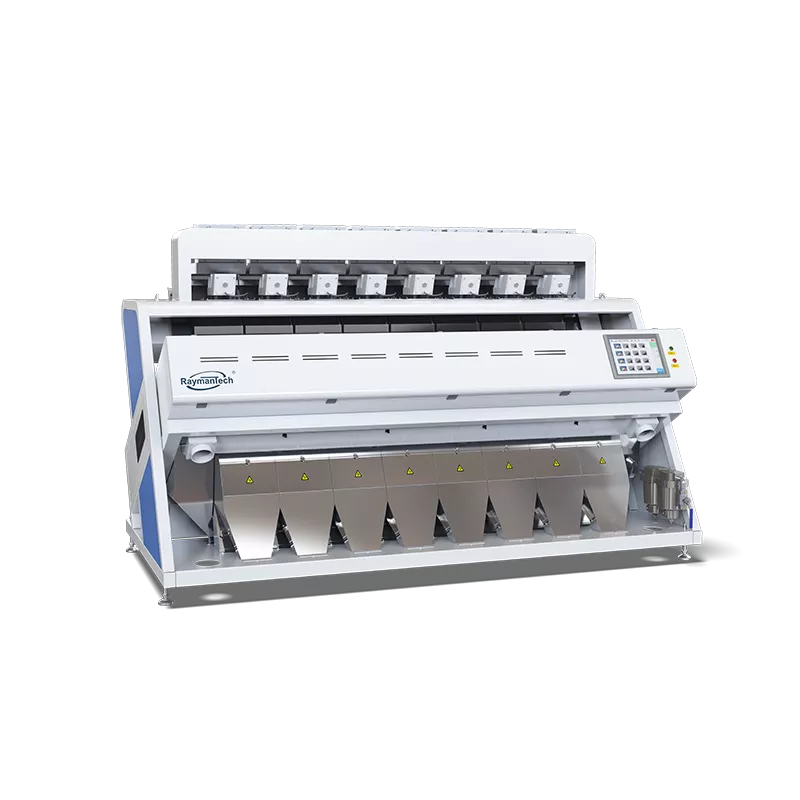
How RaymanTech Soybean Optical Sorter Work
RaymanTech soybean optical sorter offers unmatched accuracy, speed, and adaptability, outperforming competitors in quality and efficiency.learn more -
 Mar-26-2026
Ensuring Beef Safety with Residual Needle Detection
The safety of beef products remains a top concern for both producers and consumers. One overlooked but critical risk is the presence of residual needles in beef cattle. These needles may originate from vaccination, hormonal implants, or medical treatments. If a needle breaks during administration, it can migrate into muscle tissue, posing serious hazards to consumers and complicating meat processing. While the incidence is low, the consequences are severe, ranging from product recalls to brand damage and potential injuries.learn more




Follow us:


