 English EN
 中国 CN
中国 CN
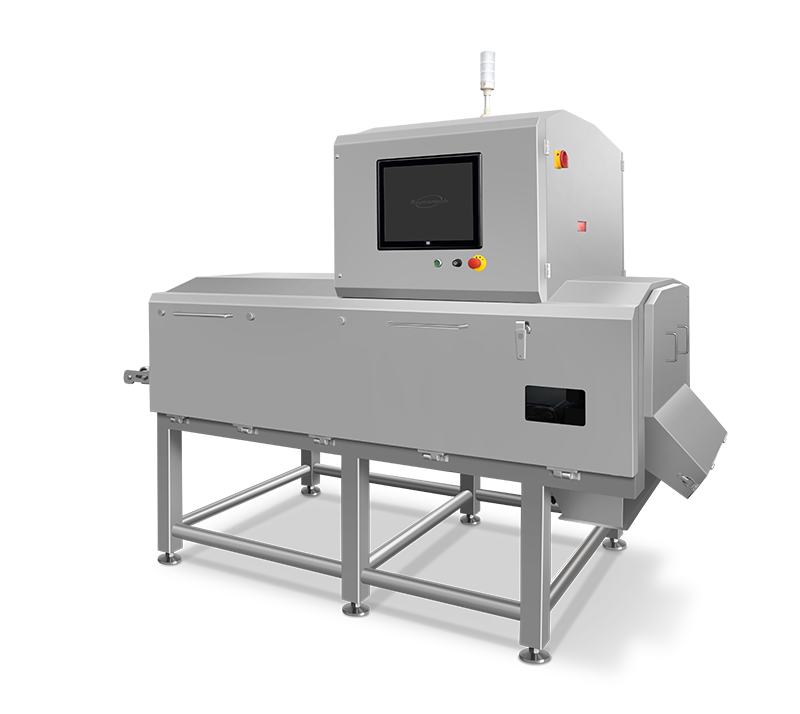
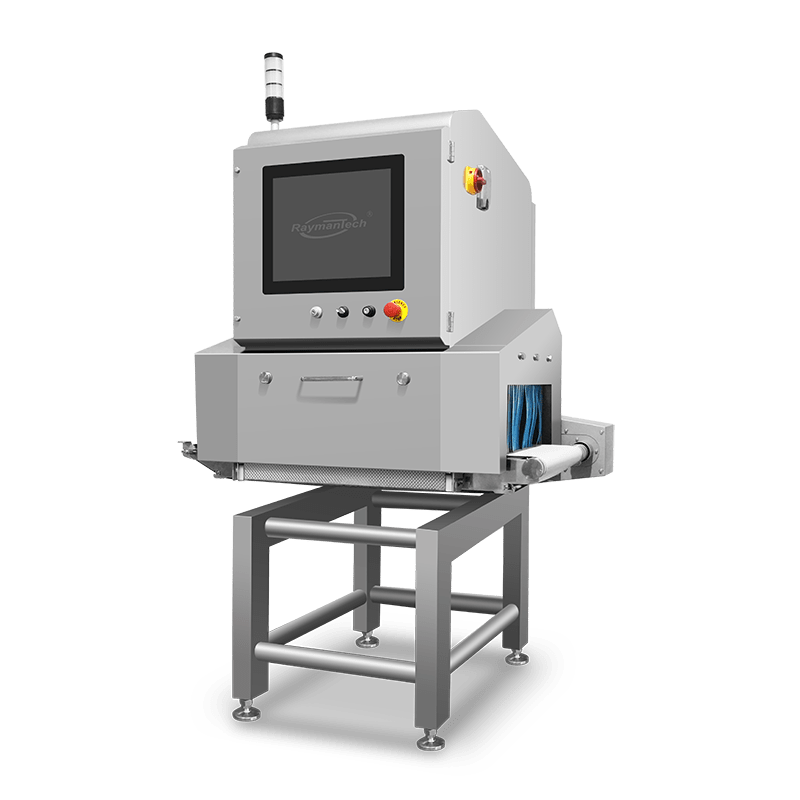
RaymanTech Bulk X-ray Inspection:The First and Most Important Line of Defense in Food Safety
In food processing, the highest-risk moment isn’t ...
More

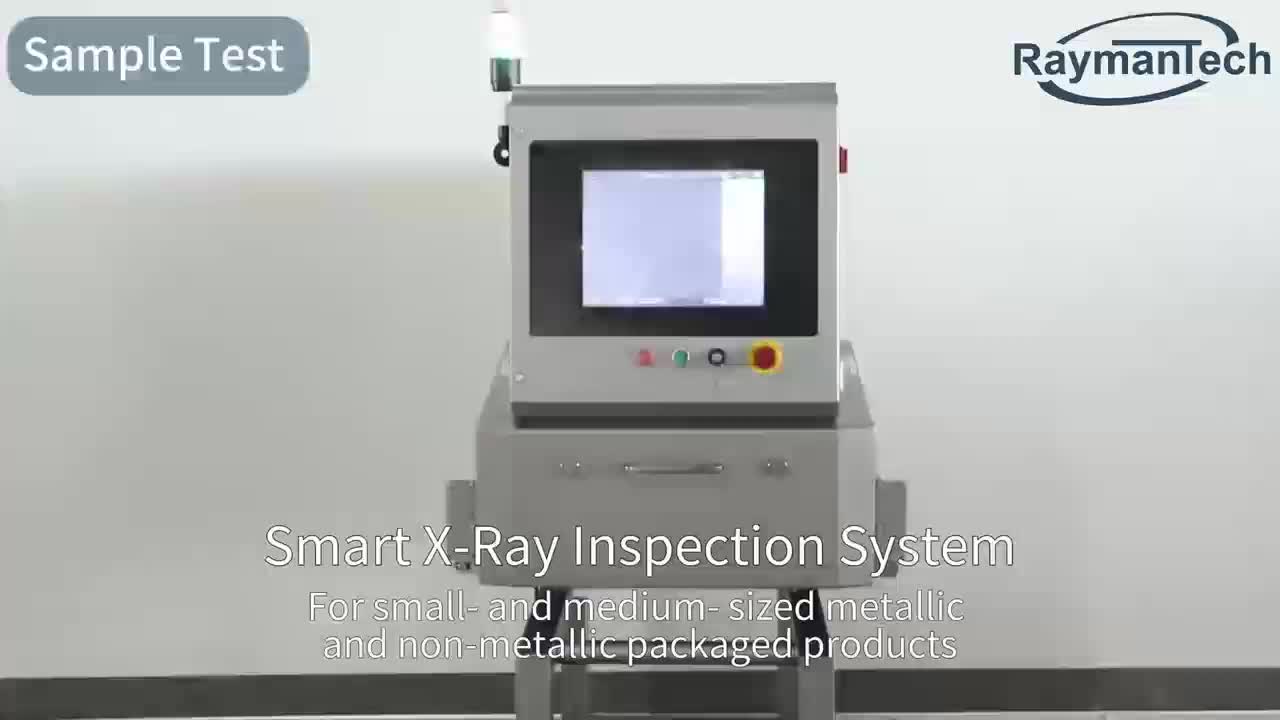
Selecting the correct x ray food inspection equipment is vital, as foreign objects account for 11.4% of food recalls. The choice between systems depends entirely on the product's orientation as it passes through the inspection beam.
Vertical (Top-Down) Beam: Best for flat, low-profile, or bulk-flow products.
Side-Shoot (Horizontal) Beam: Necessary for tall, upright containers like jars and cans.
This decision is crucial for manufacturers in a rapidly expanding global market.
| Region | 2024 Market Size | Projected CAGR (through 2033) |
|---|---|---|
| North America | USD 350 million | N/A |
| Europe | USD 290 million | 6.8% |
| Asia Pacific | USD 220 million | 9.1% |
The effectiveness of an x-ray inspection system hinges on one principle: presenting the largest possible product profile to the inspection beam. This maximizes the chance of detecting a contaminant. The orientation of the beam—either vertical or horizontal—must align with the product's shape and how it travels on the production line.
A vertical, or top-down, beam is the ideal choice for inspecting products that are flat, low-profile, or transported in bulk. The x-ray generator is positioned above the conveyor, casting a beam downward through the product to a detector below. This configuration provides the clearest view of contaminants across the widest surface area of the product.
Common applications for vertical beam systems include:
Bulk-Flow Products: Items like cereals, rice, coffee, and other granular ingredients are inspected effectively with a vertical beam. Some systems even use a vertical pipe and gravity to create a uniform product flow, ensuring consistent inspection density.
Unpackaged Raw Materials: Challenging raw ingredients and other raw food materials benefit from top-down inspection before they enter further processing stages.
Flat Packaged Goods: Products like frozen pizzas, baked goods in trays, and pouches of snacks present a large, flat profile to a vertical beam. This makes it easier to spot foreign bodies that might otherwise be hidden.
Contaminants in these products often originate from processing machinery. A top-down beam is excellent at finding dense foreign objects like metal fragments from mixers, glass shards, or pieces of plastic from broken spatulas.
A side-shoot, or horizontal, beam is necessary for inspecting tall, upright, and rigid containers. In this setup, the x-ray generator and detector are placed on opposite sides of the conveyor. The beam travels horizontally through the side of the product. A top-down beam would struggle with these products, as it would have to penetrate dense lids, bases, or the full height of the contents, obscuring potential contaminants.
This type of x ray food inspection equipment is essential for:
Glass jars and bottles
Metal cans
Plastic bottles and tubs
Other upright containers like cartons
Note: Side-shoot systems are particularly skilled at inspecting the most challenging areas of a container. For example, advanced systems use outer beams designed to navigate around the thick glass walls and the "push-up" (the indentation at the bottom of a bottle), ensuring that contaminants like glass fragments cannot hide in these dense regions.
Beyond contaminant detection, horizontal systems often perform several quality control checks simultaneously. These capabilities can include verifying fill levels, estimating product mass, and checking for missing or improperly seated caps and seals. This dual function adds significant value by combining product safety and quality assurance into a single inspection point.
The table below summarizes the primary differences in observation capabilities.
| Feature | Vertical Irradiation Systems | Horizontal Irradiation Systems (Side-shoot) |
|---|---|---|
| Primary Use Case | Flat, low-profile, or bulk-flow products | Tall, upright, or rigid containers |
| Observation Angle | Top-down view through the largest surface area | Side view through the product's vertical profile |
| Special Handling | Effective for loose products on a conveyor | Ideal for containers that must remain upright |
| Advanced Checks | Primarily focused on contaminant detection | Can also perform fill level, mass, and seal checks |
Ultimately, the choice between vertical and horizontal systems is not about which technology is superior overall. It is about which orientation provides the most unobstructed and comprehensive view of your specific product.
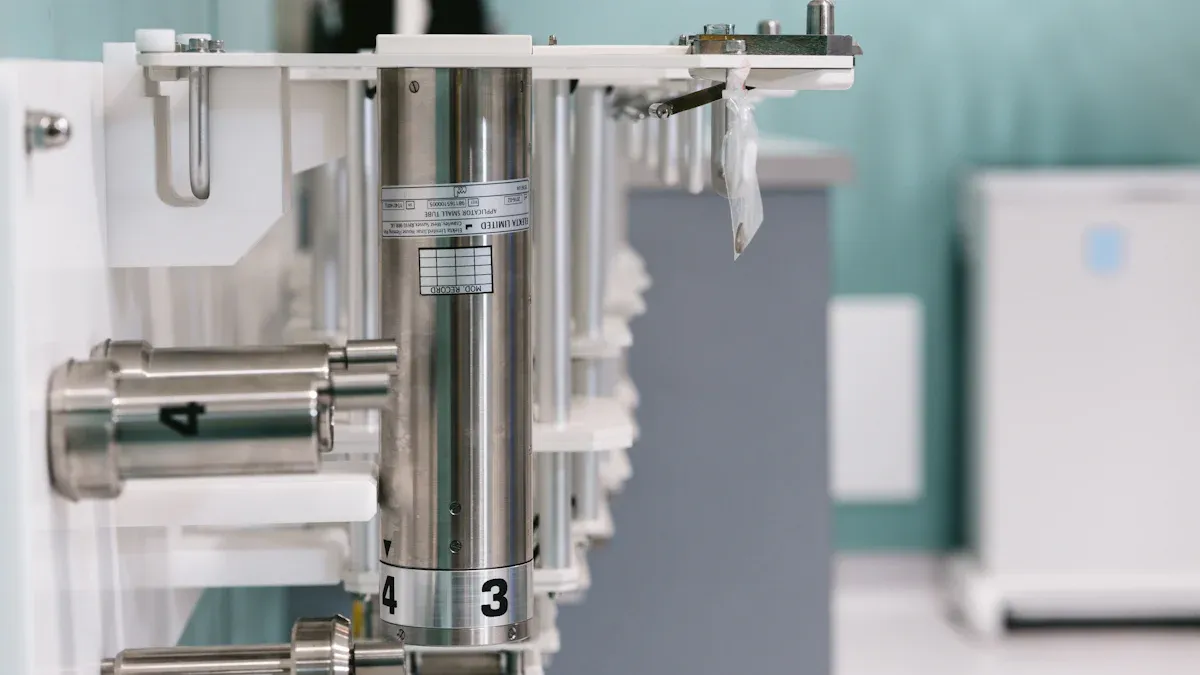
Selecting the right system requires more than just matching the beam to the product's orientation. Manufacturers must also evaluate the product's physical properties, its packaging, and how the equipment will fit into the production line. These factors ensure the chosen x ray food inspection equipment delivers maximum safety and efficiency.
A product's shape and density directly impact inspection accuracy. Uniformly shaped items, like spherical or ellipsoidal products, allow for straightforward beam optimization. Irregular shapes present a more complex inspection challenge. Similarly, product density affects how it appears on an x-ray image.
Density Variation: Factors like moisture content and temperature can alter a product's density.
Contaminant Detection: A contaminant must have a different density than the food to be detected.
Advanced Systems: Dual-energy systems can help identify low-density contaminants in products with non-uniform textures, like mixed nuts or cereals.
Packaging material can pose a significant challenge for some inspection methods, but not for x-ray technology. X-ray systems effectively inspect products inside various packaging types that other technologies cannot penetrate. This makes an x ray food inspection equipment ideal for items in metal foil, metallized film, or dense plastic containers. For challenging materials like glass jars, advanced systems use multiple beams or dual-energy technology to inspect "blind spots" near the bottom and walls, preventing glass fragments from going undetected.
An x ray food inspection equipment must integrate smoothly into an existing production line without creating a bottleneck. Modern systems are designed for high-speed operation, with some side-shoot models inspecting up to 900 packages per minute. They often include automated rejection mechanisms that divert contaminated products without stopping the line. Furthermore, these systems must help manufacturers meet regulatory standards like HACCP and GFSI. Data management features provide traceability and real-time analysis, ensuring compliance and process optimization.
A manufacturer's final decision rests on the product's physical orientation on the production line. The correct x ray food inspection equipment provides the most comprehensive view, maximizing contaminant detection and upholding critical food safety standards like HACCP.
Vertical Beam: Best for inspecting the largest area of flat or bulk-flow products.
Horizontal Beam: Necessary for a complete inspection of tall, standing items.
Yes, x-ray technology effectively penetrates metallic packaging. This capability makes x-ray inspection an ideal solution for products packaged in foil or metallized film, unlike some other inspection methods.
System speed varies by model and product. Many modern systems operate at high speeds, inspecting up to 900 packages per minute. They integrate seamlessly into fast production lines.
No, food inspection x-ray systems use extremely low energy levels. The radiation dose is minimal and does not affect the food's safety, texture, or nutritional value.

We provide you with comprehensive foreign trade solutions to help enterprises achieve global development
High cost performance, compact design, high sensit...
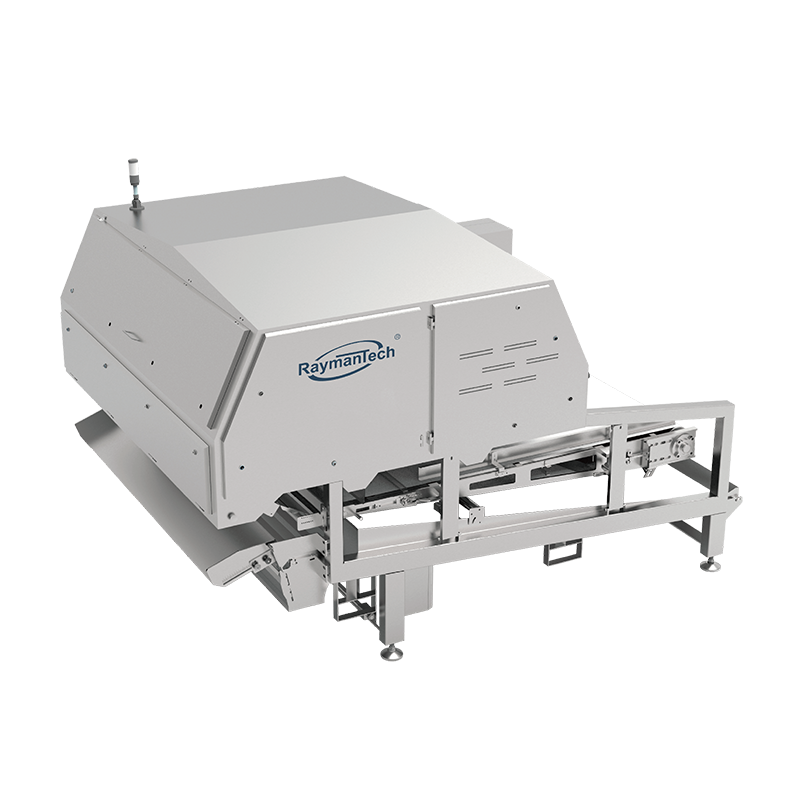
Recommedation: Frozen vegetables such as green be...
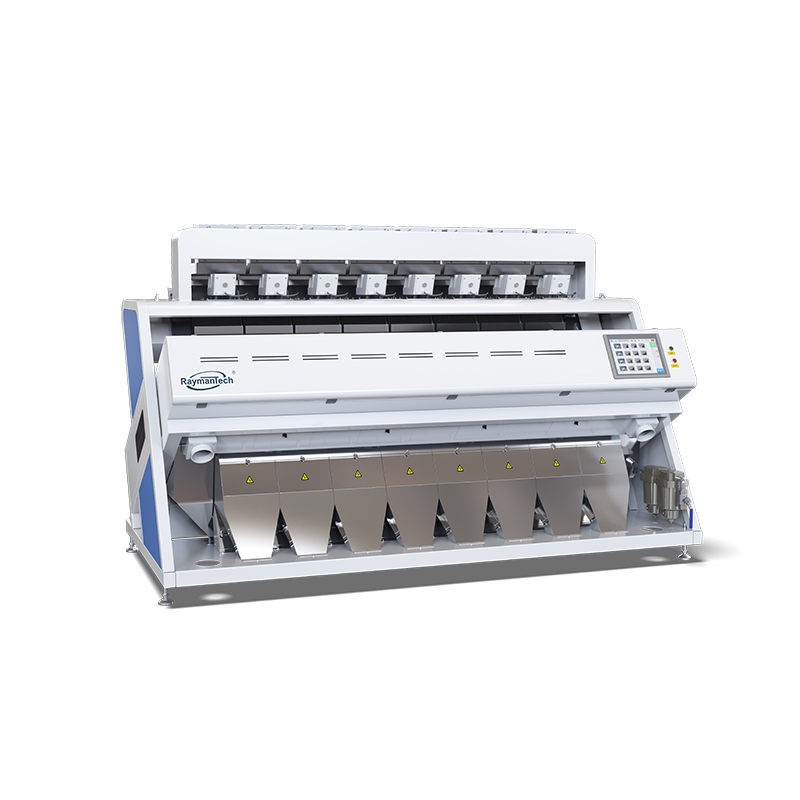
Recommedation: Rice, wheat, corn, grain, pulses, s...
.png)
Recommedation: Aquatic products, pet food, candy, ...
Select the most popular foreign trade service products to meet your diverse needs
Select the most popular foreign trade service products to meet your diverse needs



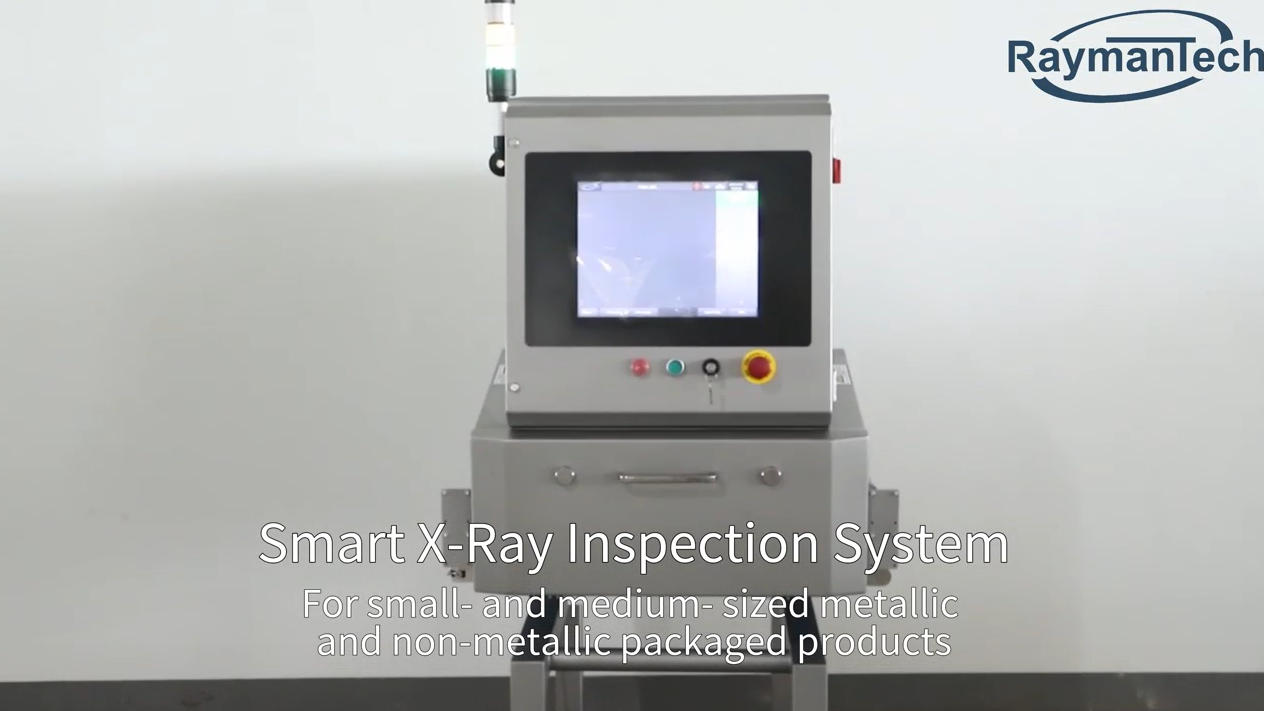

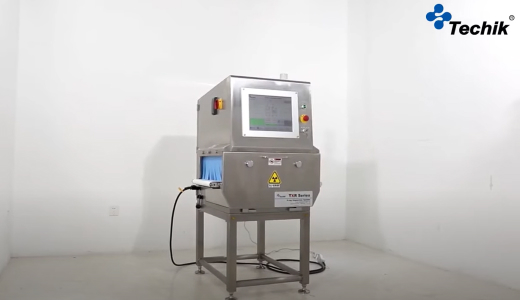



User Comments
Service Experience Sharing from Real Customers
Michael Rodriguez
Quality Assurance ManagerThis X-ray inspection system has revolutionized our quality control process. The detection accuracy for foreign objects like metal fragments and glass shards is exceptional. Reduced our false rejection rate significantly while maintaining high throughput.
Sarah Chen
Production SupervisorHighly reliable equipment that seamlessly integrated into our production line. The automatic rejection system works flawlessly, and the user interface is intuitive. Minor learning curve for operators, but overall excellent performance in detecting contaminants.
David Thompson
Plant ManagerOutstanding investment for food safety compliance. The system consistently identifies density variations and foreign materials we previously missed. Technical support team is responsive and knowledgeable. Essential equipment for any modern food processing facility.
Jennifer Williams
Food Safety CoordinatorImpressive detection capabilities for various contaminants across different product types. The software analytics provide valuable insights for process improvement. Regular maintenance is straightforward, and the machine has proven durable in our demanding environment.