What Are the Best Methods for Accurate Turkey Bone Detection in Processed Poultry Products?
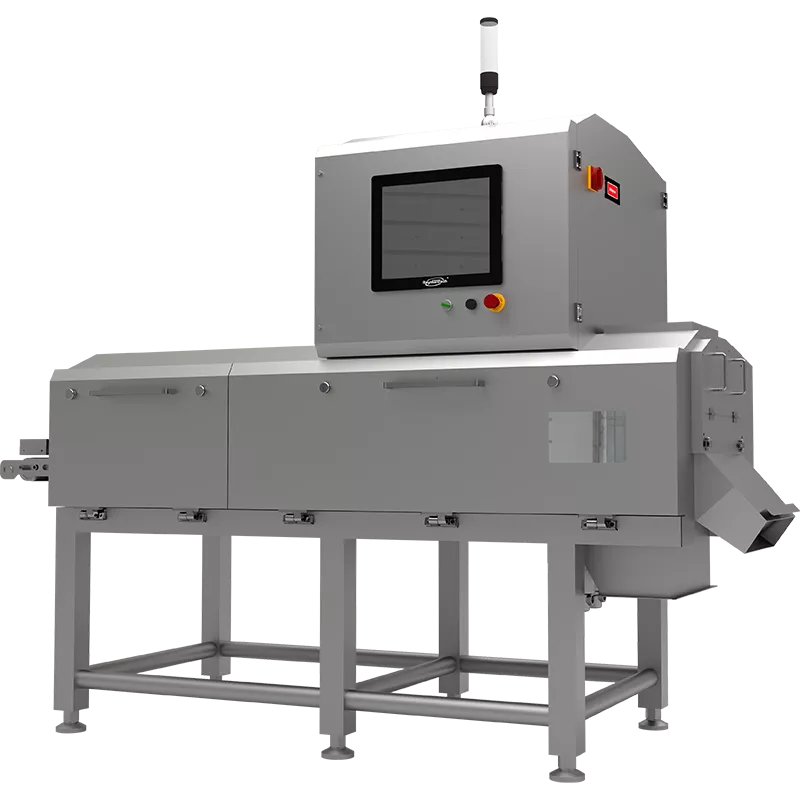
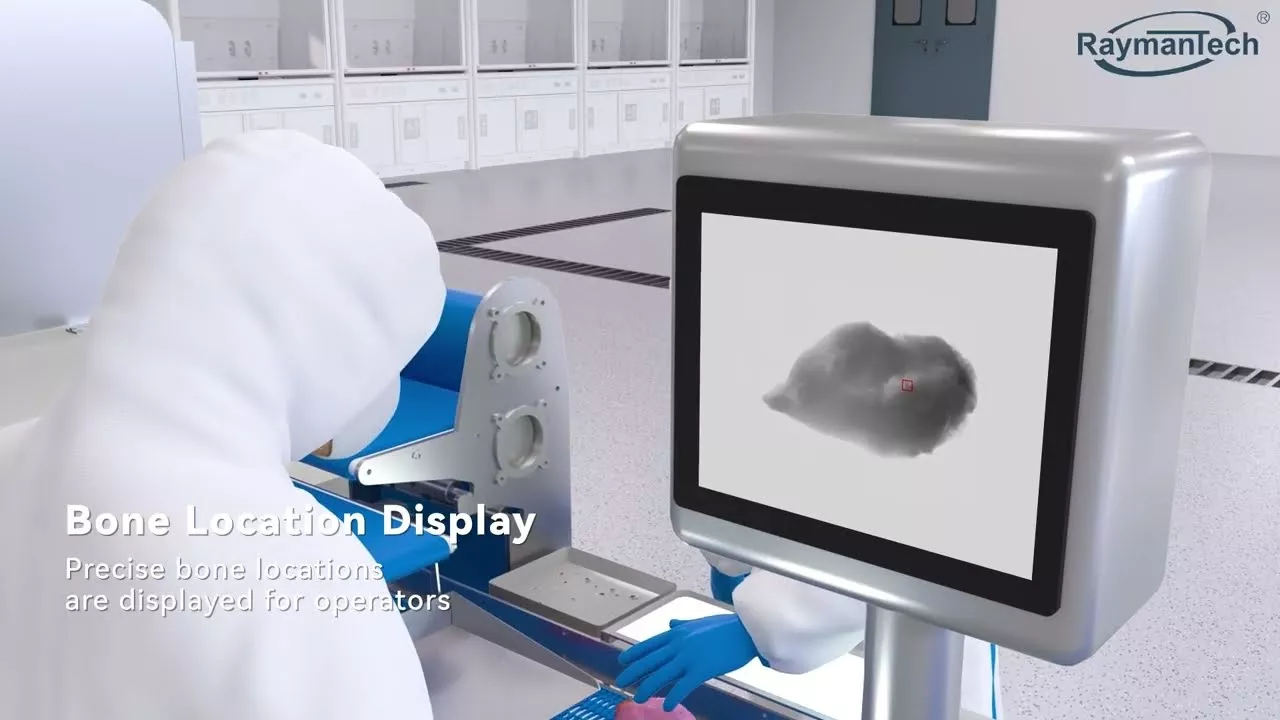
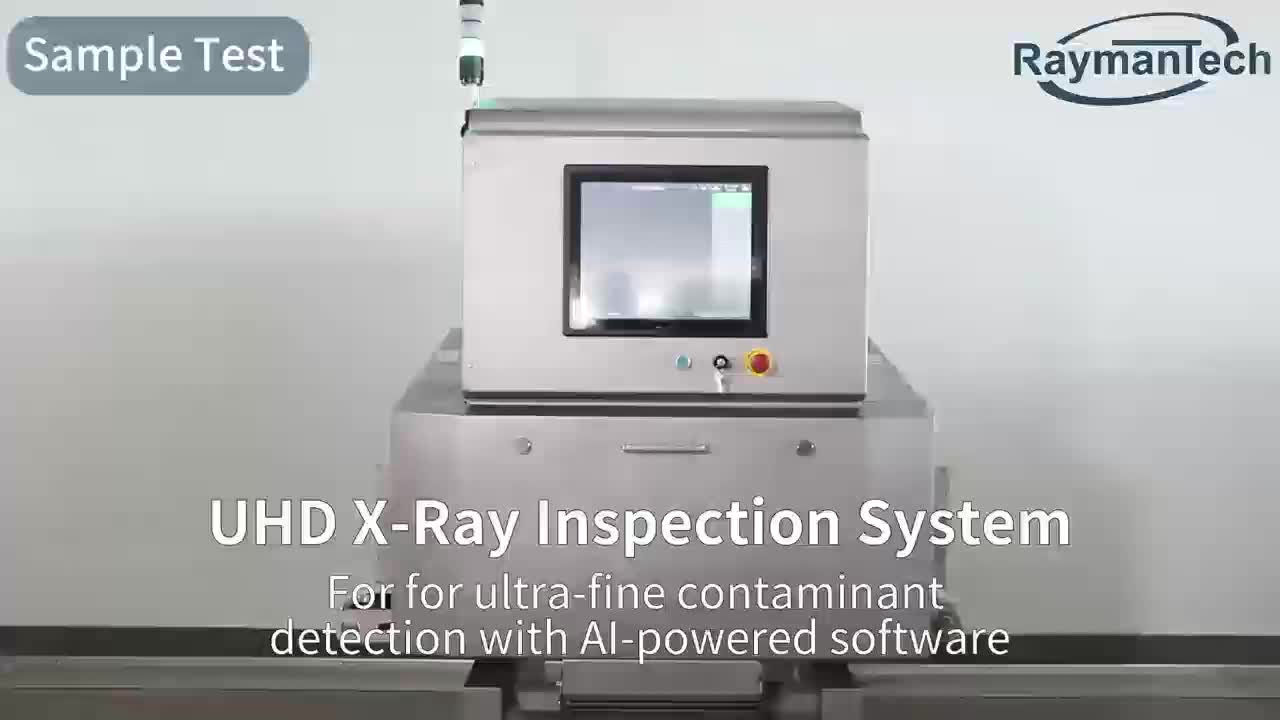
Turkey bone detection is a critical challenge in the poultry processing industry, where even small bone fragments in ground turkey, patties, or deli meats can lead to costly recalls, consumer injuries, and brand damage. The question of how to reliably identify and remove these contaminants is one that every quality control manager and food safety specialist must address. Turkey bone detection relies on a combination of advanced imaging technologies and physical separation techniques, each with distinct advantages. X-ray inspection systems are the most widely adopted solution, as they can penetrate dense meat products and identify calcified bone fragments down to 1-2 millimeters in size. These systems use dual-energy or linear array sensors to differentiate between bone, cartilage, and meat based on density variations. However, turkey bone detection becomes more difficult when dealing with partially calcified or cartilaginous bones, which have a density close to that of muscle tissue. In such cases, hyperspectral imaging and near-infrared spectroscopy offer a complementary approach by analyzing the chemical composition and moisture content of the product, flagging areas that deviate from standard muscle signatures. For bulk processing, mechanical methods like pin-bone removal machines and high-pressure water jets are used to extract visible bones before grinding, but they cannot catch every fragment. The most effective turkey bone detection protocols combine inline X-ray screening with manual inspection at critical control points, supported by regular calibration and employee training. Additionally, magnetic resonance imaging (MRI) is emerging as a research tool for non-destructive detection, though its high cost limits commercial adoption. Ultimately, the choice of technology depends on your product type, line speed, and acceptable tolerance for false positives. By implementing a multi-layered turkey bone detection strategy, processors can reduce contamination risks by over 95 percent while maintaining throughput. Regularly auditing your detection equipment with test samples containing known bone sizes is essential to ensure consistent performance. Remember that no single method is foolproof, so investing in redundant detection systems and continuous process improvement is the only way to achieve the highest food safety standards.
 English EN
 Germany DE
 French FR
 Portuguese PT
 Spanish ES
.webp)
.webp)


.webp)






User Comments
Service Experience Sharing from Real Customers
Jack
Line SupervisorWe run a mid-size poultry plant and this detector cut our manual check time by almost half. It caught a fragment that our old X-ray missed. Worth every penny.
Megan
QA TechnicianI've been testing bone detection systems for three years now. This one handles turkey necks better than most—fewer false positives on cartilage. Only gripe is the interface could be more intuitive.
Oscar
Shift ManagerSet it up on our turkey deboning line last month. The team picked it up fast and we've had zero recalls since. Simple, reliable, and the support guys actually speak English.
Priya
R&D Food TechnologistWe used it in a pilot for bone-in turkey products. The sensitivity adjustment let us dial in exactly what we needed for different cuts. Great for R&D scale-ups.