 English EN
 中国 CN
中国 CN
.png)
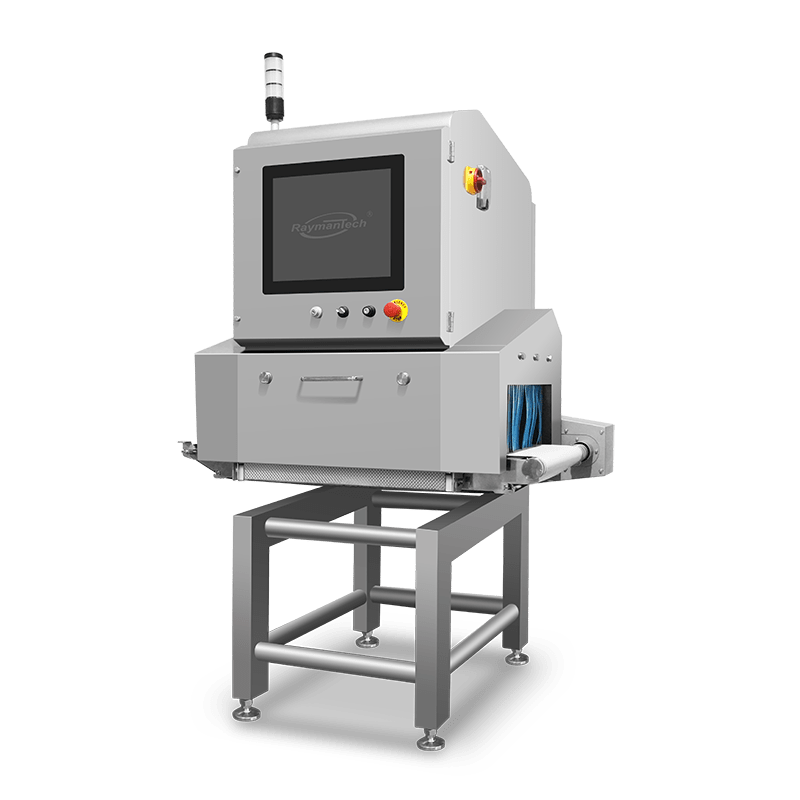
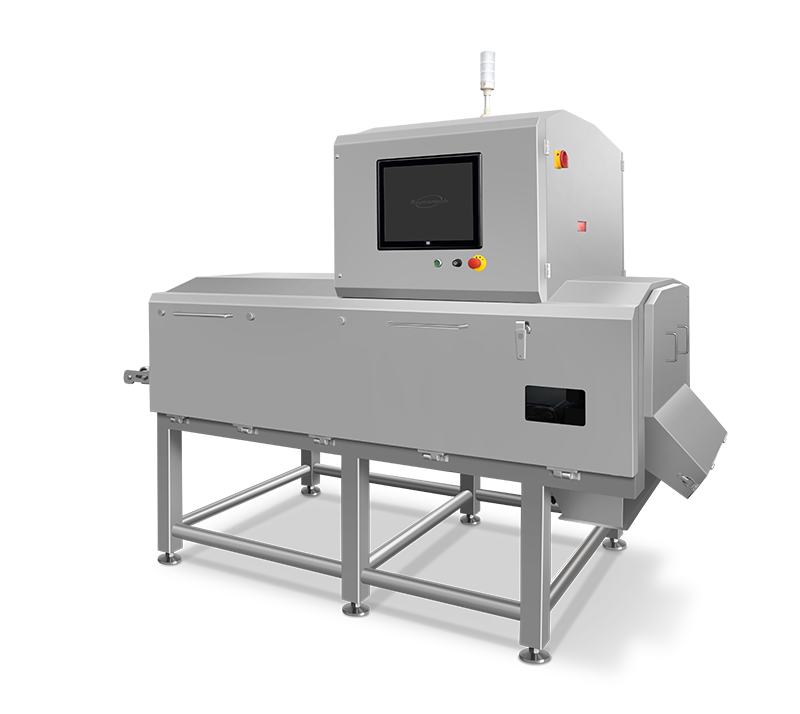
RaymanTech X-ray Inspection Systems: The Complete Guide to a Smarter, Safer Production Line
When a single shard of glass, a fragment of bone, ...
More

New technology gives the food industry powerful tools to protect consumers from contaminated spinach. After the 2006 E. coli outbreak, experts saw how poor traceability led to millions in losses and a sharp drop in sales.
Modern systems, including the Spinach foreign material detector, now help track products and reduce losses by over 90% during incidents.
These advancements boost consumer trust and help keep spinach safer.
Spinach recalls often stem from contamination and the presence of foreign materials. Food safety agencies such as the FDA and USDA frequently cite two main reasons for these recalls:
Contamination with Listeria monocytogenes
Outbreaks of E. coli
Recent reports highlight that frozen organic spinach has been recalled due to possible Listeria contamination. In September 2006, clusters of E. coli infections linked to spinach resulted in 199 illnesses across 26 states, with 102 hospitalizations and three deaths.
Two organic spinach products were recalled due to contamination with Listeria monocytogenes, which can cause serious infections. This incident highlights the impact of microbial contamination on spinach recalls.
Foreign material detection also plays a significant role. Metal fragments and other foreign objects have triggered several recalls, emphasizing the need for advanced detection systems.
Consuming contaminated spinach poses serious health risks. Leafy vegetables account for 22% of foodborne illnesses, making them the leading cause among all food commodities. They are also responsible for 14% of hospitalizations and 6% of deaths related to foodborne diseases. Produce, including spinach, was linked to about half of norovirus outbreaks from 2001 to 2008. Leafy greens rank as the second most common source of E. coli O157 outbreaks.
The following table summarizes recent spinach-related illness outbreaks:
| Date Reported | Total Illnesses | Hospitalizations | HUS Cases | States Affected |
|---|---|---|---|---|
| Dec 3, 2021 | 14 | 4 | 3 | 9 |
| Jan 6, 2022 | 15 | 4 | 3 | 10 |
| N/A | 109 | N/A | N/A | 19 |
These statistics underscore the importance of robust safety measures in spinach production and distribution.
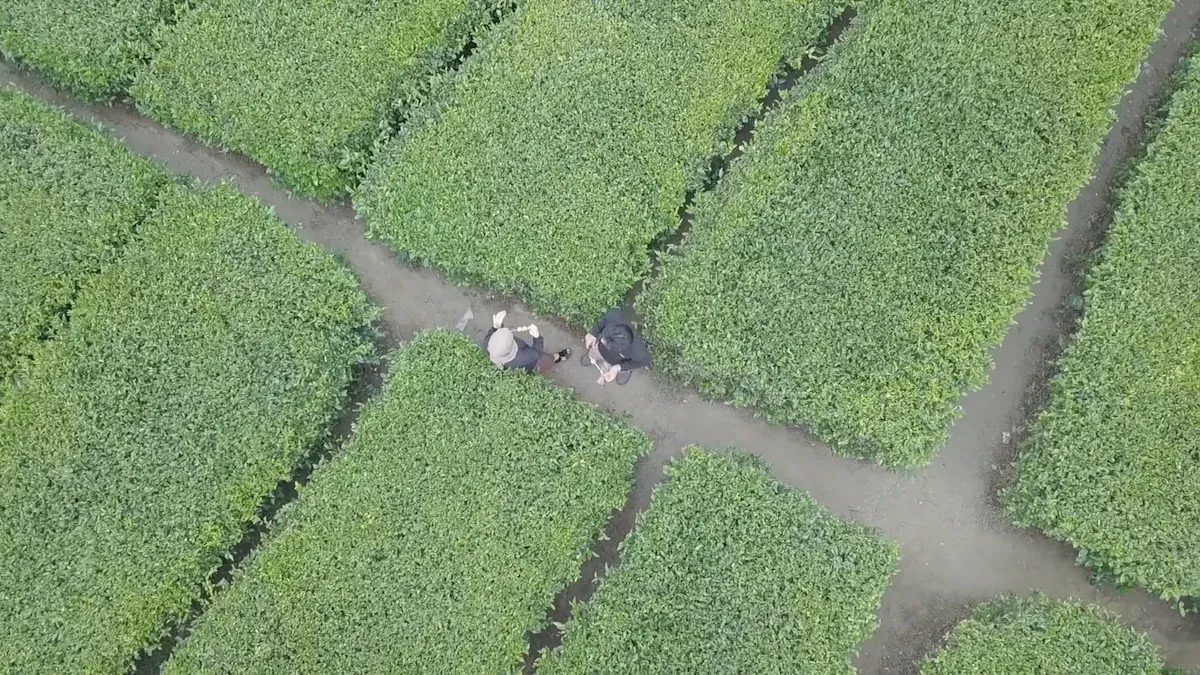
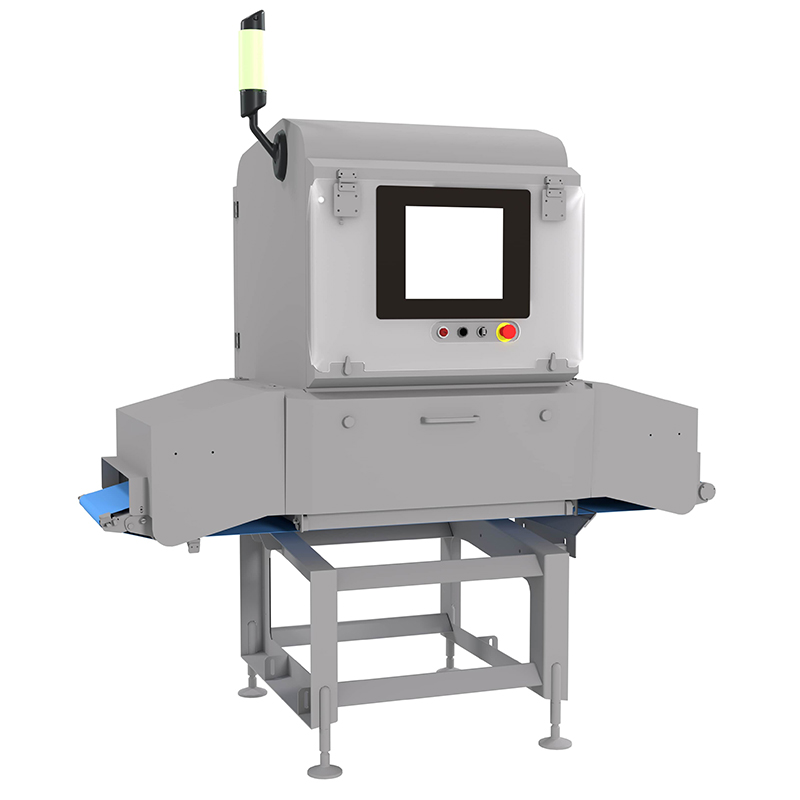
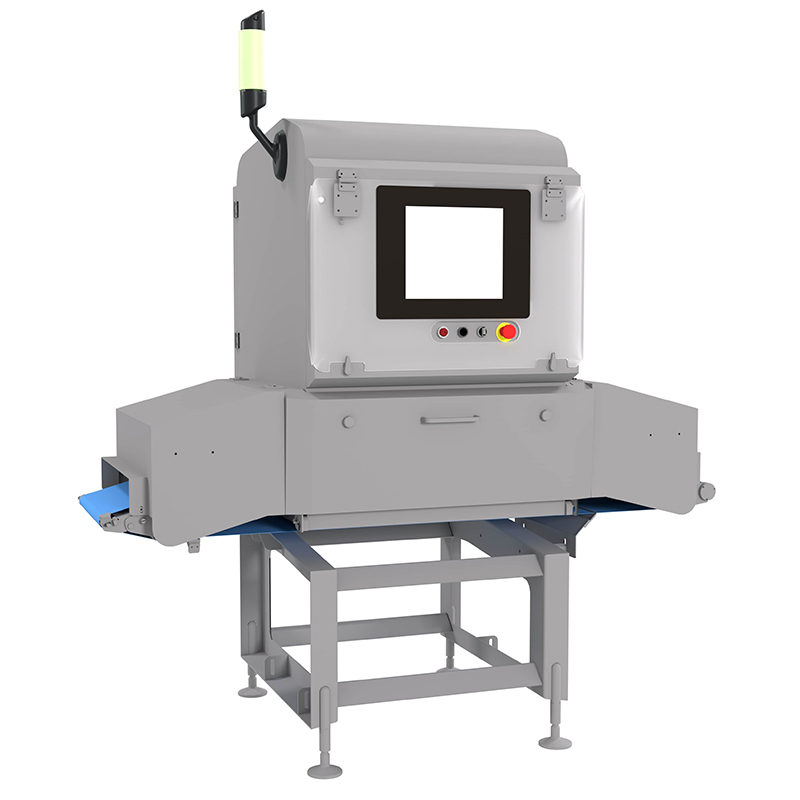
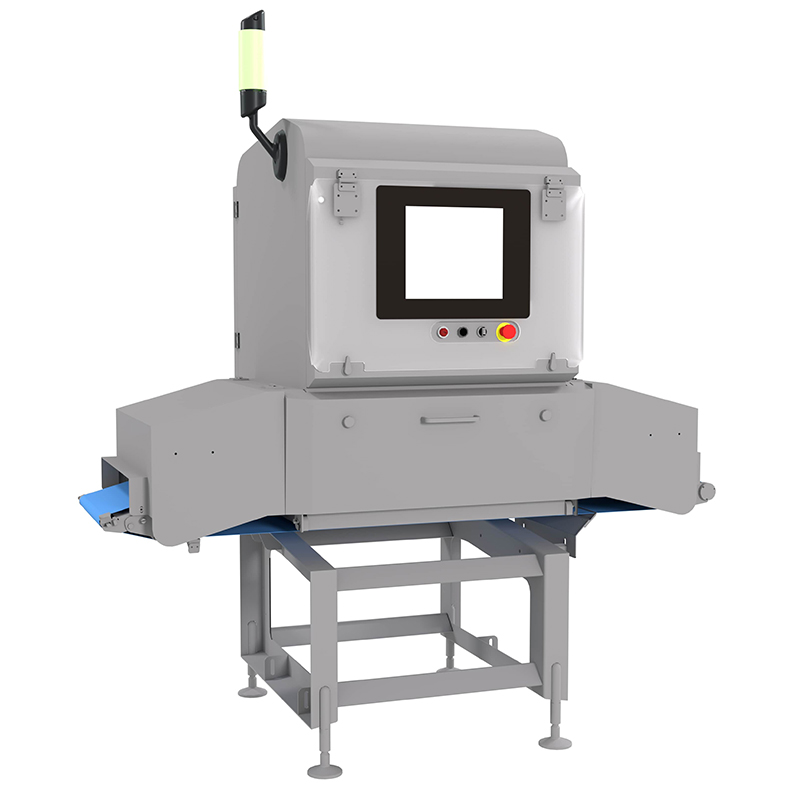
Spinach processing facilities rely on advanced detection systems to identify and remove contaminants before products reach consumers. These systems use a combination of hardware and software to scan spinach leaves for foreign materials and pathogens. The spinach foreign material detector plays a central role in this process by identifying unwanted substances that could compromise food safety.
Modern facilities employ several types of detection technologies:
Metal detection
Optical sorting
Magnets
Sieve or screen separation systems
Each method targets specific threats. For example, X-ray and metal detectors can find small fragments of metal or glass, while optical sorters use cameras and sensors to spot discolored or damaged leaves. Magnets and sieves help remove physical debris. The spinach foreign material detector integrates these technologies to create a multi-layered defense against contamination.
Detection systems now offer real-time monitoring, allowing operators to respond immediately when they identify a problem. The spinach foreign material detector continuously scans products as they move along the processing line. If the system detects a foreign object or signs of contamination, it can automatically remove the affected batch from production.
Real-time alerts help prevent contaminated spinach from reaching store shelves, reducing the risk of recalls and protecting public health.
Operators receive instant notifications, which enables them to investigate and address issues without delay. This rapid response minimizes downtime and ensures that only safe spinach enters the supply chain.
The effectiveness of modern detection systems has improved significantly in recent years. The spinach foreign material detector now achieves detection accuracy rates as high as 98.3%. Similar technologies used for other leafy greens, such as cabbage and green onion, have reached accuracy rates above 98.6%. These high detection rates mean that most contaminants are identified and removed before products leave the facility.
Advanced safety technologies also include antimicrobial treatments. Studies show that treatments using geraniol can significantly reduce contamination levels of E. coli O157:H7 and Salmonella Typhimurium on spinach surfaces, even after repeated contamination events. These innovations help maintain low pathogen levels and support a reduction in contamination incidents.
Cost considerations remain important for producers. The adoption of ozone produce sanitization tunnels is increasing as food safety regulations become stricter. This technology not only helps producers meet compliance standards but also improves the quality of spinach. As a result, producers can reduce waste and enhance marketability, leading to potential cost savings. Many producers are also turning to vertical farming and greenhouse methods, which further support advanced safety measures and influence production costs.
The spinach foreign material detector, combined with these new technologies, represents a major step forward in food safety. By integrating multiple detection methods and real-time monitoring, the industry can better protect consumers and reduce the frequency of spinach recalls.

Consumers now enjoy greater peace of mind when purchasing spinach. Recent market surveys reveal a notable rise in consumer confidence, driven by increased health awareness and a preference for organic and ready-to-eat spinach. The adoption of advanced safety technologies, such as the Spinach foreign material detector, has played a key role in reducing contamination risks. As a result, the frequency of recalls has declined, and shoppers have access to safer spinach options. The trend toward plant-based diets and sustainable farming further supports this positive shift.
| Key Findings | Details |
|---|---|
| Consumer Awareness | 50% unaware of food irradiation |
| Acceptance Increase | 90% acceptance after receiving information |
| Willingness to Purchase | 42% willing to consume irradiated spinach |
| Doubtful Consumers | 35% remain doubtful |
Shoppers can take several steps to verify spinach safety at the point of purchase:
Locate the package code, usually a 10-15 character lot number near the expiration date.
Cross-reference the lot number with the FDA's Recall Monitoring Tool.
Check for recall notices posted by reputable retailers in the produce section.
Consumers should also look for certifications that indicate advanced safety screening. The USDA Organic Seal, for example, confirms compliance with strict federal standards, including annual inspections and detailed record keeping.
Regulatory agencies have introduced new standards to enhance spinach safety. The Western Growers Association now calls for mandatory food safety standards, while state and federal agencies enforce Good Agriculture Practices. Retailers must demonstrate due diligence by monitoring suppliers and maintaining records. Third-party audits, such as those required by the California Leafy Greens Marketing Agreement, help verify compliance but are not foolproof. International standards, like those in the EU, set additional benchmarks for contaminants such as cadmium and lead, encouraging continuous improvement in food safety practices.
New technology continues to transform spinach safety.
Electron-beam irradiation and pH-neutral electrolyzed water both reduce contamination and support safer produce.
Industry experts anticipate AI-driven monitoring, real-time consumer feedback, and expansion to other crops.
| Advancement Type | Description |
|---|---|
| AI and Deep Learning | Automates freshness checks and improves accuracy |
| Real-time Deployment | Provides instant feedback on spinach safety for consumers |
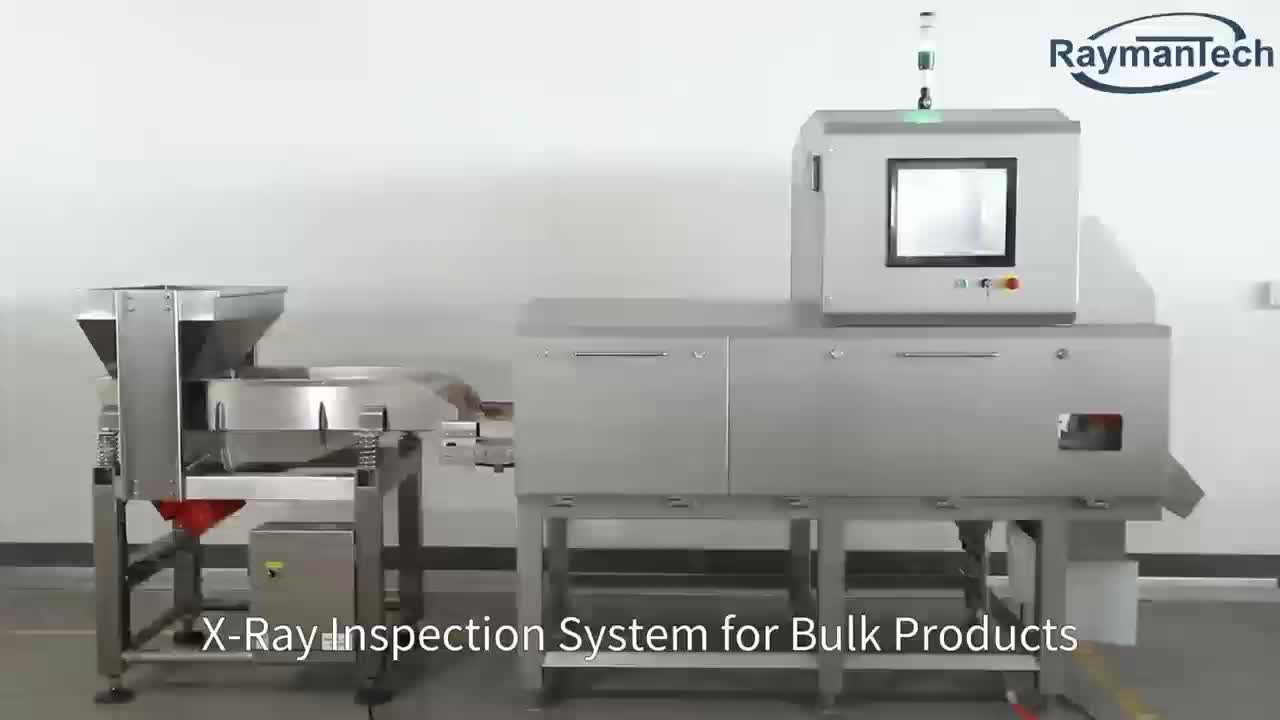
The detector scans spinach for contaminants using advanced sensors. It removes unsafe batches before packaging. This process helps prevent recalls and protects public health.
Consumers should check the FDA’s Recall Monitoring Tool. They can compare package codes and avoid eating spinach from affected lots.
Many producers use similar detection systems for lettuce, kale, and arugula. These technologies help reduce contamination risks across a wide range of leafy vegetables.

We provide you with comprehensive foreign trade solutions to help enterprises achieve global development
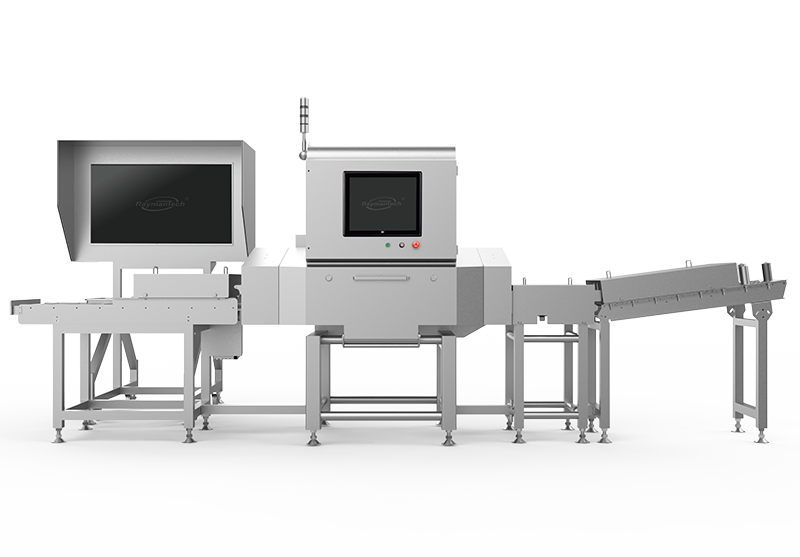
Automatic recognition and rejection, fish bone ins...
Chicken bone inspection, global poultry AI databas...
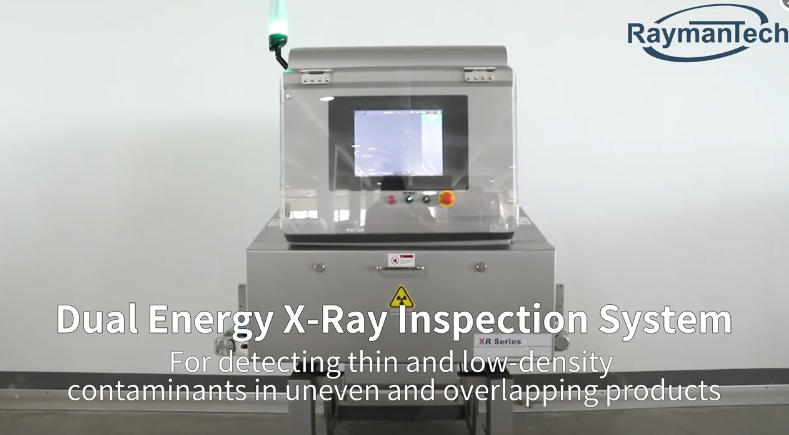
Uneven and overlapped product detection, thin & lo...
Both fat analysis and contaminant inspection (bone...
Select the most popular foreign trade service products to meet your diverse needs
Select the most popular foreign trade service products to meet your diverse needs








User Comments
Service Experience Sharing from Real Customers
James Wilson
Quality Control ManagerThis spinach foreign material detector has revolutionized our line. Its sensitivity to fine plastics and metals is exceptional, drastically reducing our manual inspection load and boosting consumer confidence.
Sarah Chen
Production SupervisorVery reliable machine for detecting foreign objects in fresh spinach. The setup was straightforward, and it integrates well with our existing wash line. Minor false positives, but overall, a great investment for safety.
Robert Miller
Plant EngineerOutstanding performance and durability. The detector's advanced imaging system catches contaminants others miss, including small stones and dense plastics. Essential for any facility processing leafy greens.
Emily Davis
Food Safety OfficerThis detector significantly enhances our HACCP protocols. It's consistent and user-friendly. The data logging feature is excellent for audits. A must-have for maintaining high standards in the fresh produce industry.