Glass in glass detector
Glass in glass detector
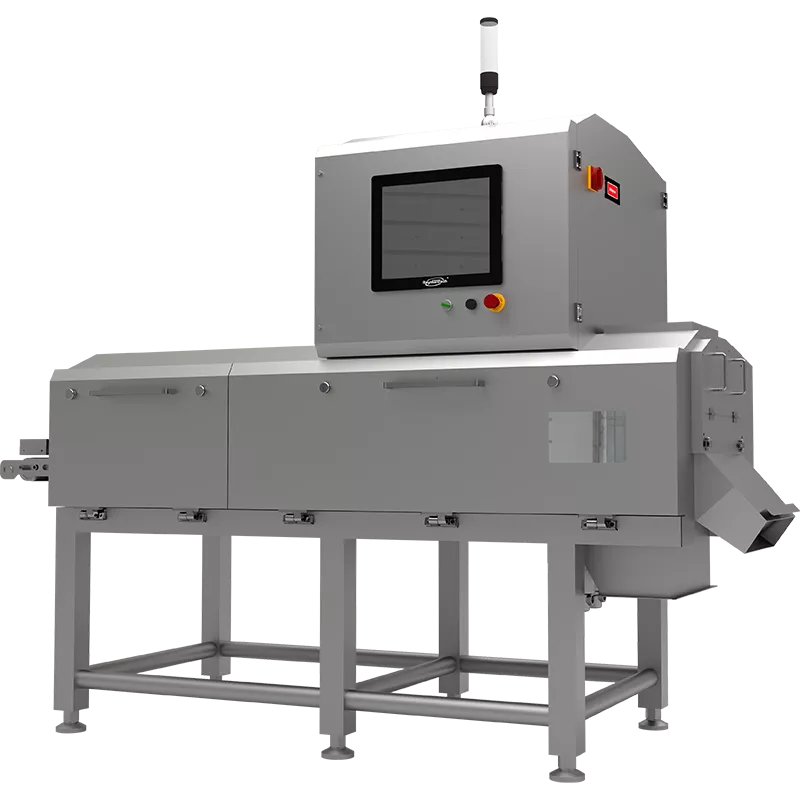
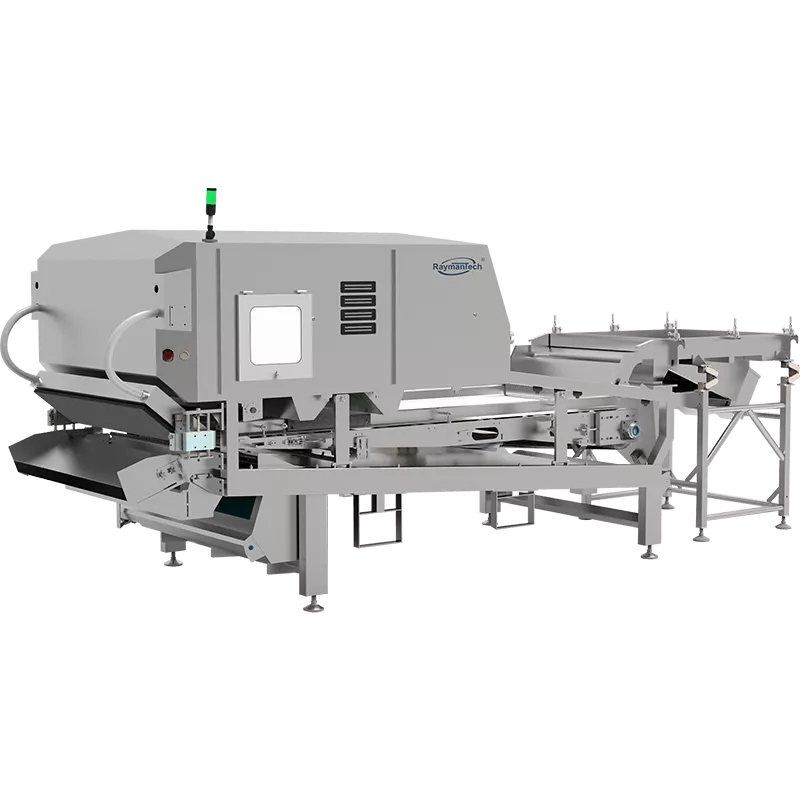
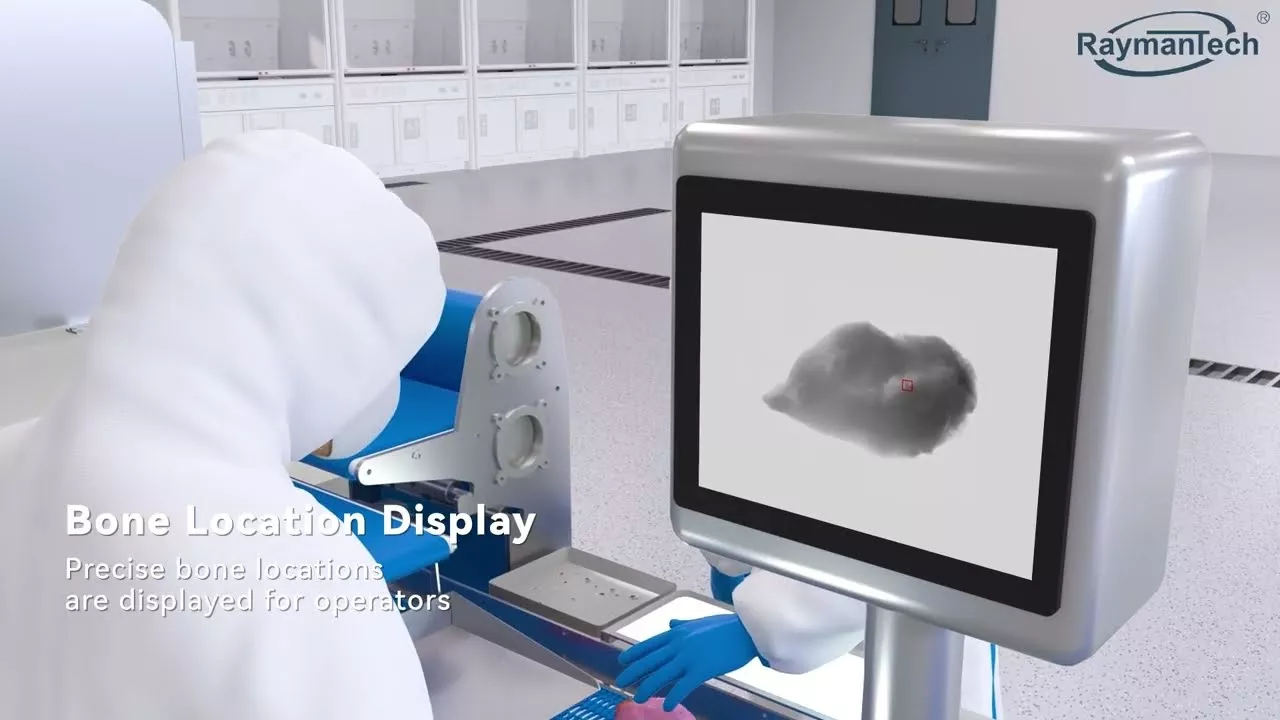
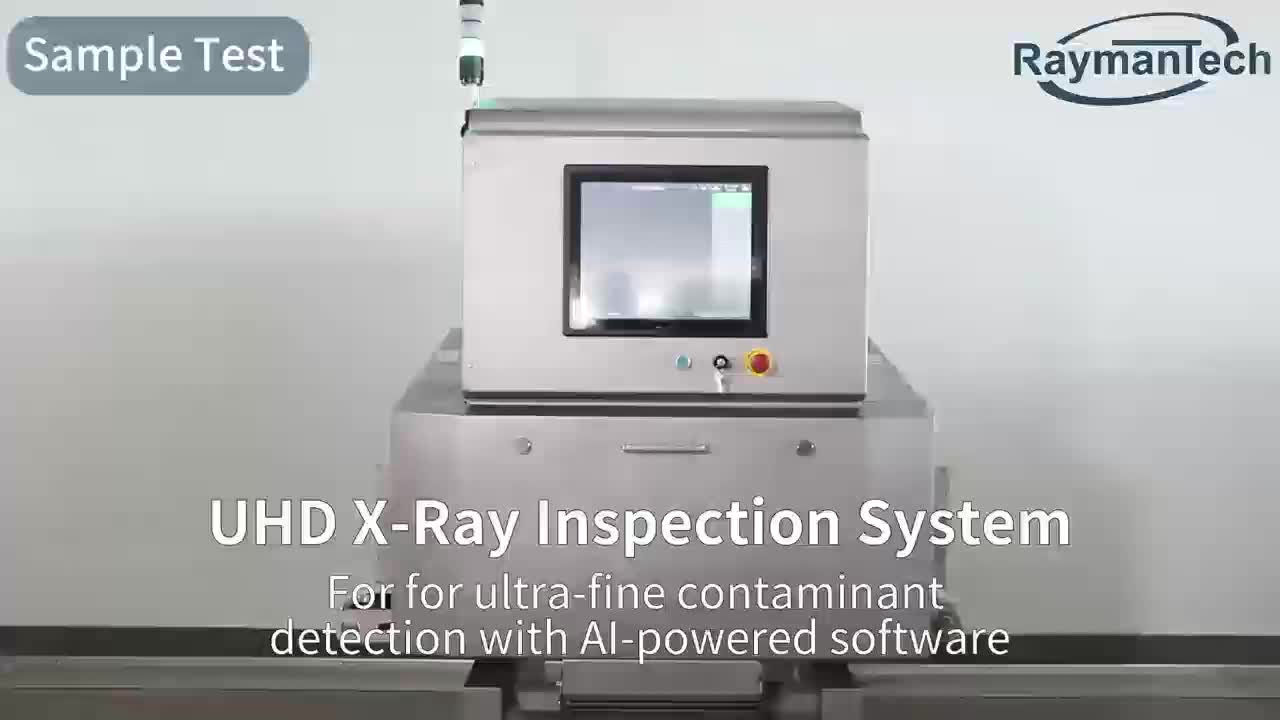
Glass in glass detector is a specialized industrial inspection system designed to identify and reject glass containers that contain a fragment of glass trapped within their own structure or a foreign glass piece within the filled product. This critical quality control technology is primarily utilized in the beverage, pharmaceutical, and food packaging industries to prevent potentially hazardous contaminants from reaching consumers. The core principle involves advanced sensor-based inspection, typically using high-resolution cameras, lasers, or a combination of optical and electromagnetic techniques, to scrutinize containers at high production line speeds. These systems are integrated into filling lines to inspect empty containers before filling (for internal glass fragments) and sometimes after filling (for foreign glass in the liquid). The detection process is non-destructive and automated, ensuring that only flawless containers proceed to capping and packaging, thereby safeguarding brand integrity and consumer safety.
The implementation of glass in glass detector systems is driven by stringent global food and pharmaceutical safety regulations, such as those from the FDA and EFSA, which mandate rigorous contaminant control. Industry data and case studies from leading manufacturers like HEUFT, Teledyne CETEC, and Antares Vision demonstrate significant risk reduction. For instance, typical inspection systems can process from 12,000 to over 80,000 containers per hour, with detection sensitivities capable of identifying glass particles as small as 1mm to 2mm in size, depending on the container color and technology used. Real-world results from bottling plants show that these detectors can reduce consumer complaints related to glass contamination by over 99%, directly impacting recall prevention. The technology effectively addresses flaws such as "bird-swings" (strands of glass inside the bottle), "inclusions" (embedded glass particles), and loose glass fragments from cap sealing or breakage upstream. Investment in such detection technology is quantified not only by avoided recall costs, which can run into millions of dollars per incident, but also by enhanced production line efficiency through the early rejection of defective containers. Market analysis indicates a growing adoption in craft brewing and premium juice sectors, where product integrity is paramount. The systems are often part of a comprehensive inspection suite that includes checks for fill level, cap integrity, and label alignment, providing a holistic quality assurance solution. Continuous technological advancements, such as the integration of AI and machine learning for image analysis, are further improving false-reject rates and detection accuracy, ensuring that manufacturers maintain the highest possible safety standards while optimizing operational throughput and protecting their market reputation.
 English EN
 Germany DE
 French FR
 Portuguese PT
 Spanish ES
.webp)


.webp)
.webp)
.webp)



.webp)



User Comments
Service Experience Sharing from Real Customers
Michael Chen
Laboratory ManagerThe Glass in Glass detector has revolutionized our quality control process. Its sensitivity to minute density variations is exceptional, allowing us to identify impurities in our specialty glass batches with unprecedented accuracy. A game-changer for high-precision manufacturing.
Sarah Johnson
Research ScientistExtremely reliable instrument for our archaeological materials analysis. It non-destructively detects composition layers and repairs in historical glass artifacts, providing crucial data for conservation. The software interface could be more intuitive, but the core detection performance is outstanding.
David Rodriguez
Quality Assurance EngineerAs someone overseeing pharmaceutical packaging lines, this detector is indispensable. It ensures every vial and ampoule is free from internal glass defects that could compromise drug integrity. Its integration into our high-speed production line has been seamless and has significantly reduced waste.
Emily Watson
Optical Systems DeveloperWe use this detector to verify the purity and homogeneity of optical glass blanks for high-end lenses. The precision in identifying subtle inclusions or striae has directly improved our product yield and performance. An essential piece of equipment for any serious optics lab.