Sorting Technology
Sorting technology
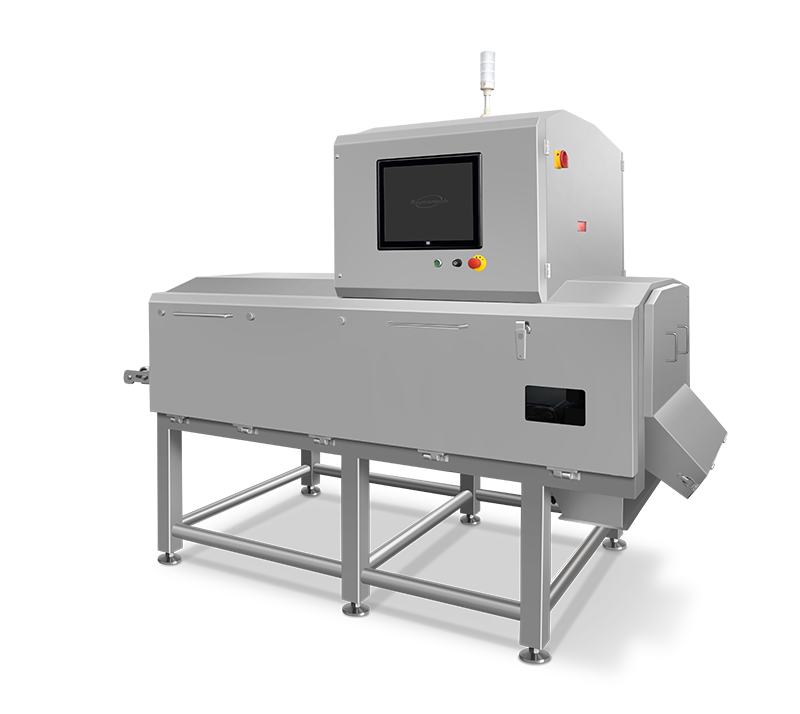
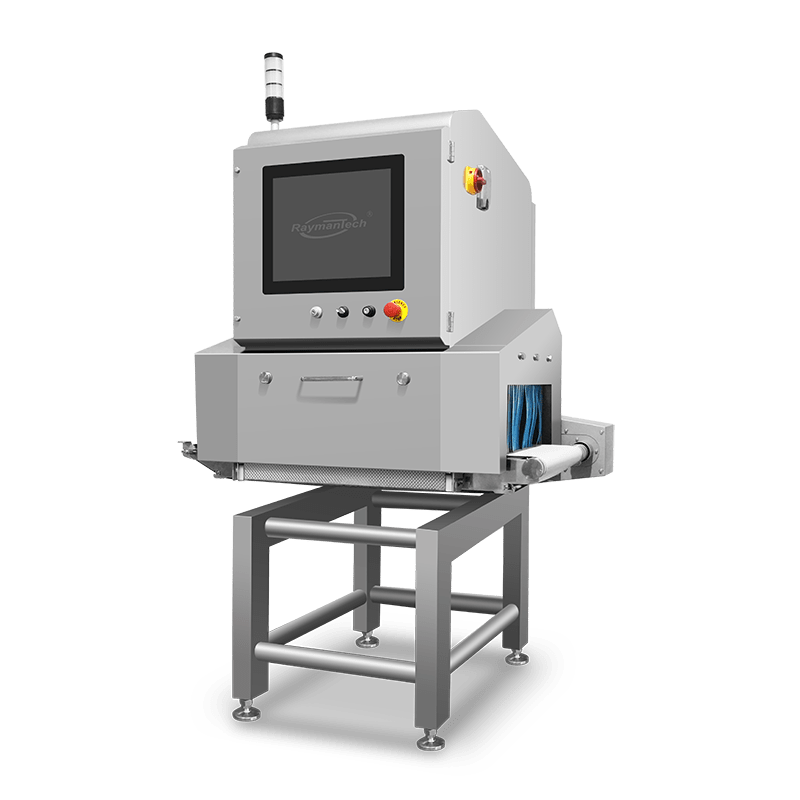
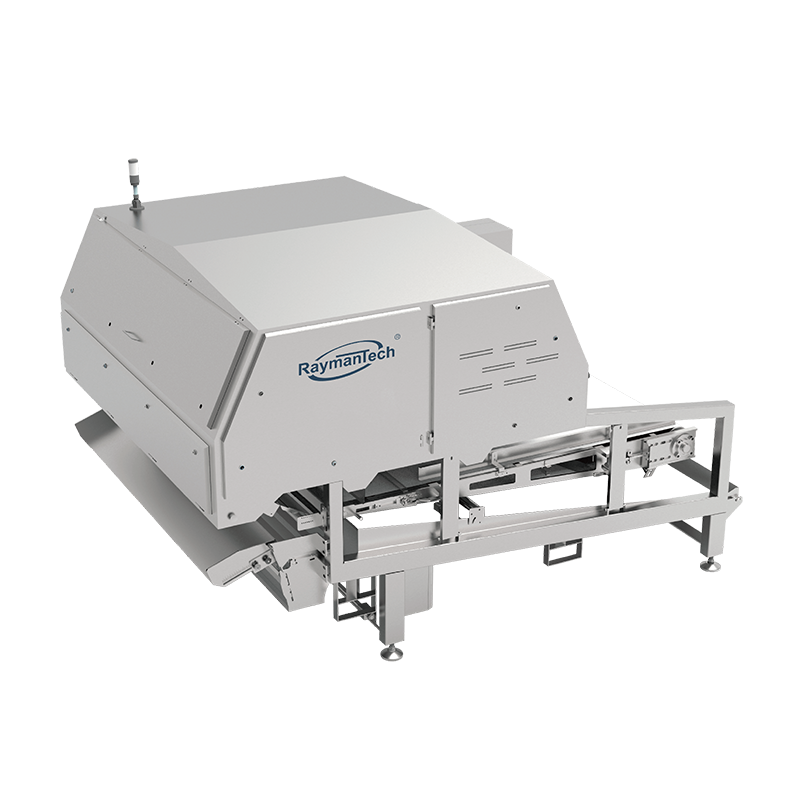
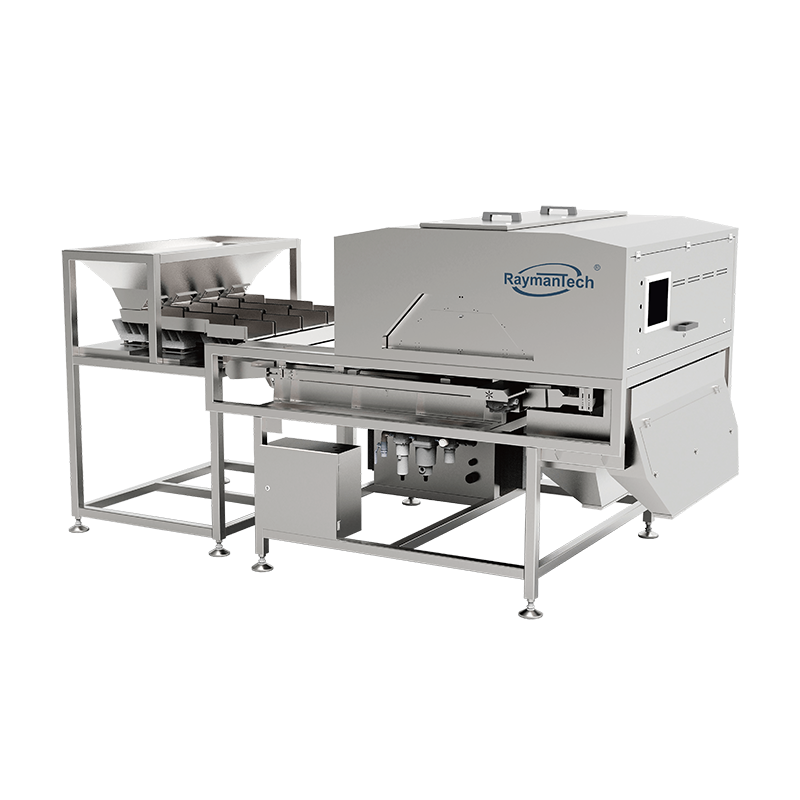
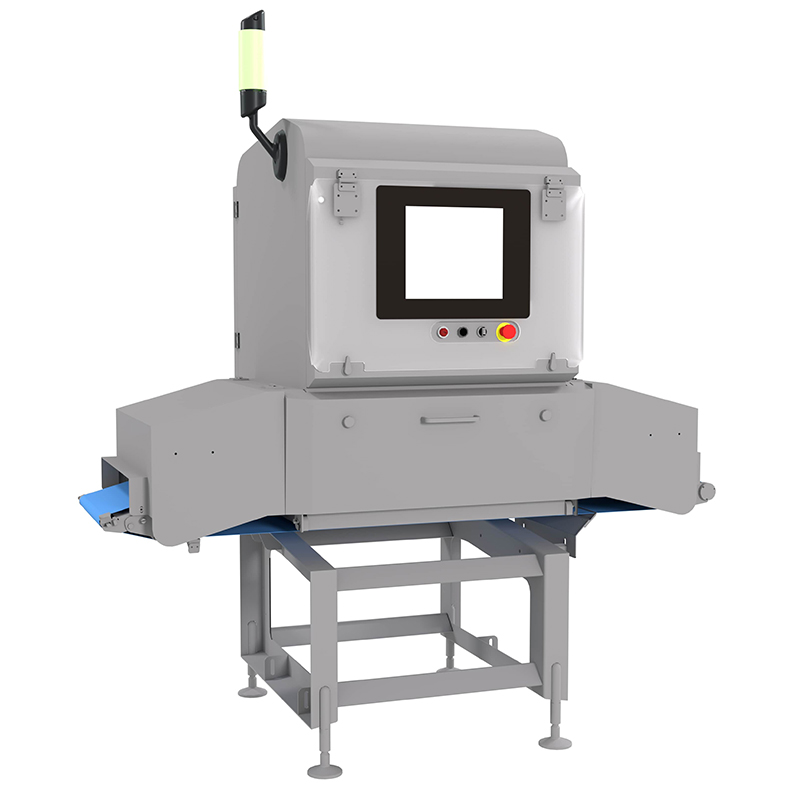
Sorting technology encompasses a range of methods and systems designed to categorize, separate, and organize items based on specific characteristics such as size, shape, color, weight, density, or material composition. This field is foundational to modern logistics, manufacturing, recycling, and agriculture, driving efficiency and accuracy in operations that would be impossible or prohibitively expensive through manual labor. Core methodologies include mechanical screening, sensor-based sorting, and automated robotic systems. Mechanical screens, like vibrating or trommel screens, separate materials based on physical size. Sensor-based systems, including optical sorters, near-infrared (NIR) sensors, X-ray transmission, and electromagnetic sensors, identify materials by their chemical or physical properties and use precisely timed air jets or mechanical arms to divert items. Robotic sorting arms, increasingly powered by advanced machine vision and artificial intelligence, offer high flexibility for complex picking and placing tasks in dynamic environments.
The implementation of advanced sorting technology delivers measurable and transformative benefits across industries, as evidenced by operational data and case studies. In material recovery facilities (MRFs), modern optical sorters can process over 10 tons of recyclable materials per hour with purity rates exceeding 95%, significantly increasing the volume and quality of commodities like PET, HDPE, and paper sold to markets. In the food industry, optical and laser sorting machines inspect up to 20 tons of produce per hour, identifying and ejecting defective items based on color, shape, and biological defects, reducing waste by over 50% compared to manual sorting and enhancing food safety. In mining, sensor-based ore sorters can reject up to 90% of waste rock early in the process, as reported by companies like TOMRA, leading to a drastic reduction in energy and water consumption per ton of valuable mineral produced and increasing mill throughput by 30-40%. E-commerce and parcel distribution centers, such as those operated by Amazon and logistics giants, utilize cross-belt sorters and AI-driven vision systems that route hundreds of thousands of packages daily with 99.9% accuracy, slashing mis-sorts and ensuring next-day delivery capabilities. These technologies directly contribute to lower operational costs, improved product quality, enhanced sustainability through better resource recovery, and the ability to scale operations to meet growing market demands, making them a critical investment for competitive and efficient industrial operations.
 English EN
 中国 CN
中国 CN


.png)







User Comments
Service Experience Sharing from Real Customers
Michael Chen
Warehouse Operations ManagerThe AI-powered optical sorting system has revolutionized our fulfillment center. Accuracy is above 99.5%, and throughput has increased by 40%. A game-changer for e-commerce logistics.
Sarah Johnson
Quality Control SupervisorImplementing this automated color and size sorting line for our fruits has significantly reduced manual labor and improved consistency. Minor initial calibration needed, but now runs flawlessly.
David Rodriguez
Recycling Plant DirectorThe multi-sensor sorting unit for plastics and metals is exceptional. Its near-infrared (NIR) technology achieves purity levels we never thought possible, making our recycling output much more valuable.
Emily Watson
Manufacturing EngineerThe high-speed robotic sorting arms integrated into our assembly line are incredibly precise and reliable. Downtime is virtually zero, and they handle delicate components perfectly. Outstanding technology.