What Are the Hidden Contaminants Seafood X-Ray Inspection Can Detect and How Does It Ensure Safety?
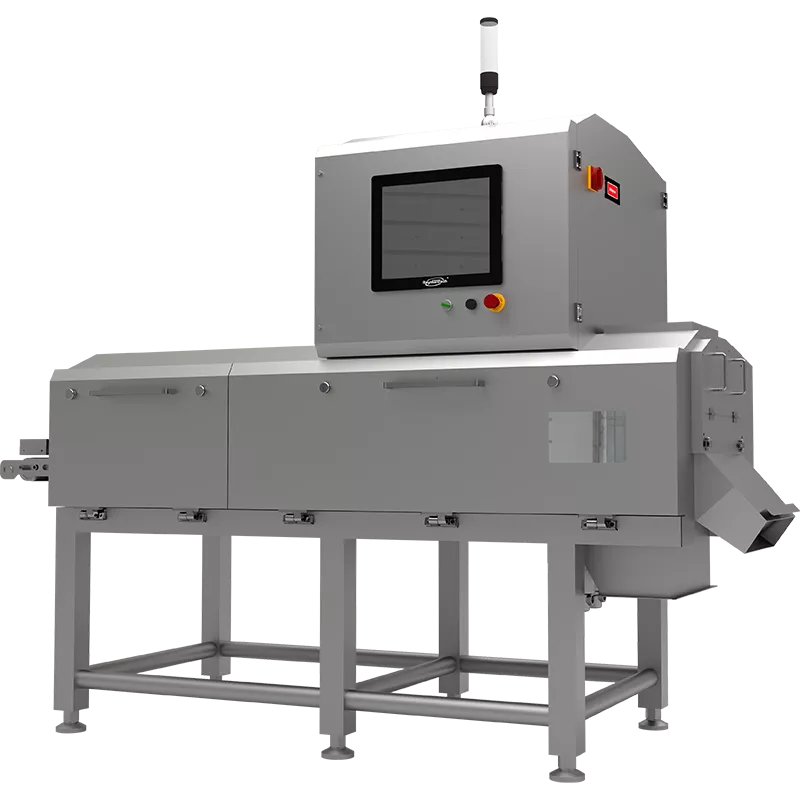
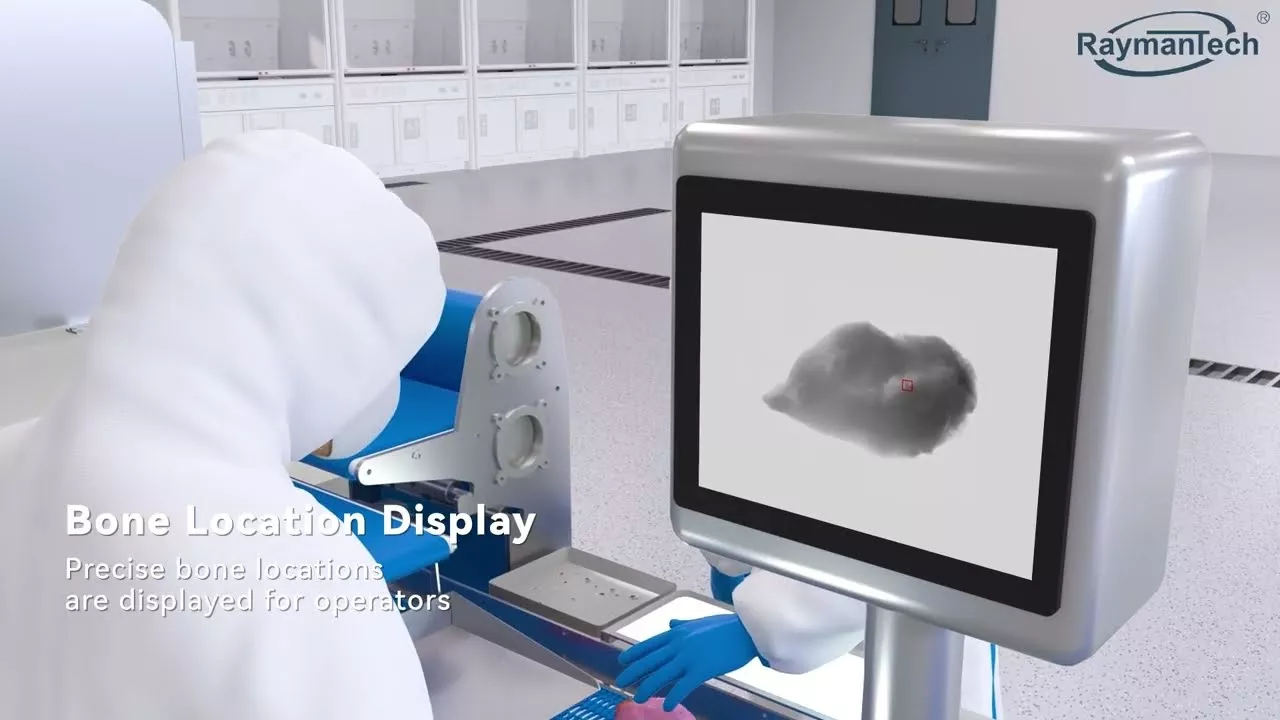
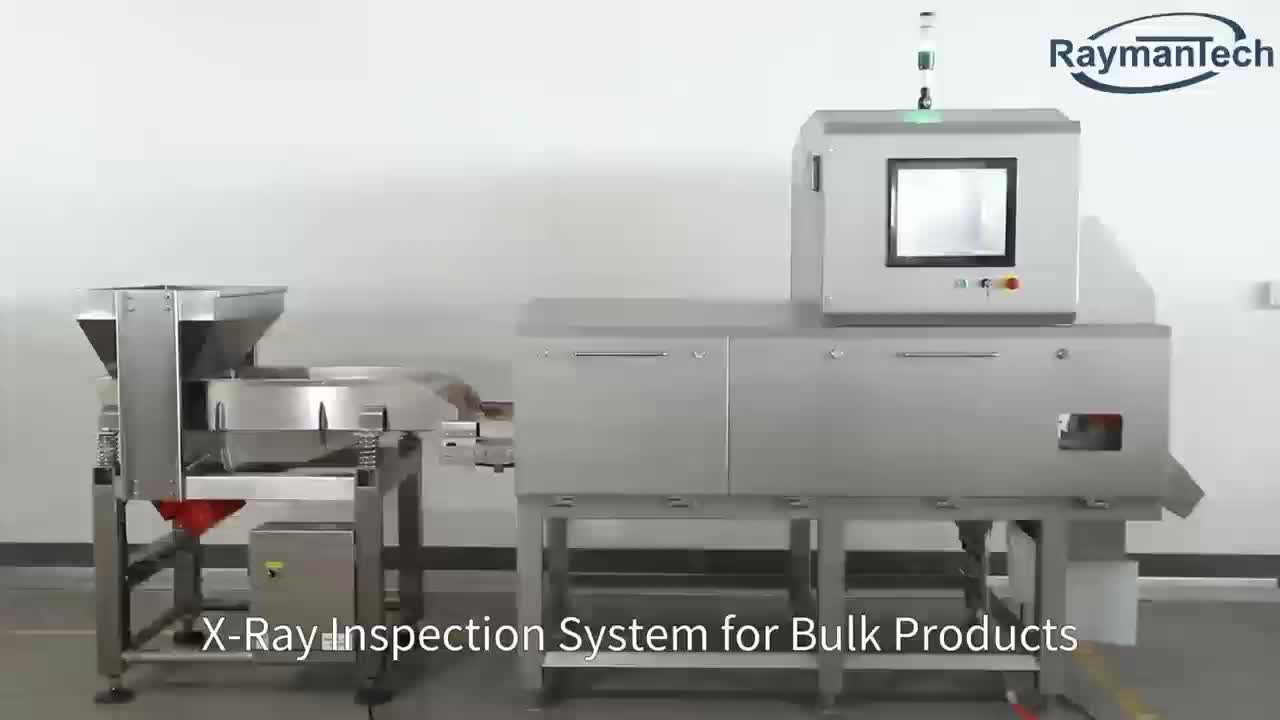
Seafood x-ray inspection is a critical non-destructive testing method used by processors, importers, and distributors to identify physical contaminants that may be present in fish, shellfish, and other marine products. Unlike metal detectors which only find ferrous and non-ferrous metals, modern seafood x-ray inspection systems can detect a much broader range of hazards including bone fragments, glass shards, dense plastics, stones, calcified cartilage, and even certain types of rubber seals from processing equipment. These contaminants often enter the supply chain during harvesting, processing, or packaging, and can cause serious injury to consumers, leading to costly recalls and brand damage. For example, in filleted fish products, pin bones that are missed during manual trimming are a common issue; seafood x-ray inspection technology uses dual-energy algorithms to differentiate between soft tissue and higher-density bone material, even when the bone is thin or angled. Additionally, because seafood products vary widely in moisture content, salt levels, and thickness, advanced x-ray systems automatically adjust their detection parameters to maintain accuracy without increasing false rejection rates. This adaptability is essential for items like frozen shrimp blocks, canned tuna, or smoked salmon slices, where the product matrix can interfere with imaging. The process works by passing the product through a focused x-ray beam; sensors capture the attenuated energy, and software analyzes the image for any pixel anomalies that indicate a density difference consistent with a contaminant. If a contaminant is found, the system triggers an automatic rejection mechanism, typically a push-bar or air-blast diverter, to remove the affected package from the line. Beyond contaminant detection, seafood x-ray inspection also provides critical quality control data, such as fill level verification, portion count, and seal integrity checks, which help reduce giveaway and improve packaging consistency. For businesses operating under HACCP, BRC, or SQF certifications, implementing seafood x-ray inspection is often a mandatory step to meet regulatory requirements and retailer standards. It is important to note that while x-ray technology is highly effective, it does not detect all hazards; for instance, low-density contaminants like hair, insect fragments, or thin plastic films may not be visible. Therefore, a comprehensive food safety program should combine seafood x-ray inspection with other preventive controls such as magnets, sieves, and visual inspection. When selecting a seafood x-ray inspection system, factors to consider include the product line speed, the type of packaging (bulk, MAP, or vacuum), and the specific contaminants of concern. Regular validation with test pieces and proper maintenance of the x-ray generator and detectors are also essential to ensure ongoing detection performance. Ultimately, seafood x-ray inspection is not just a safety tool but a cost-saving investment that protects consumers, reduces liability, and enhances operational efficiency in the seafood industry.
 English EN
 Germany DE
 French FR
 Portuguese PT
 Spanish ES
.webp)
.webp)


.webp)
.webp)






User Comments
Service Experience Sharing from Real Customers
Megan
Quality Assurance SupervisorWe switched to this x-ray system six months ago, and it’s been a game-changer for our shrimp line. It catches tiny shell fragments that our old metal detector missed completely. The setup was straightforward, and the interface is intuitive enough for my team to use without constant retraining. Finally, peace of mind on every batch.
Elena
Owner / OperatorI run a small smoked fish shop, and this x-ray machine has saved me from at least two costly recalls. The only reason I’m not giving five stars is that the initial calibration took a bit of fiddling for our irregular product shapes. But once it’s dialed in, it’s rock solid. Worth every penny for the liability protection alone.
Tom
Production Line ManagerWe run three shifts packing frozen cod fillets, and this x-ray unit handles the volume like a champ. The rejection system is fast and accurate—no more false positives slowing us down. Plus, the data logs make our HACCP audits a breeze. Honestly, I don’t know why we didn’t invest in this years ago.
Priya
Food Safety ConsultantI’ve audited dozens of seafood plants, and the ones using this x-ray consistently have fewer contamination issues. The image clarity is excellent even for dense products like crab legs. I knocked off one star because the software could use a more modern dashboard for trend analysis, but the core detection is top-tier.