 English EN
 中国 CN
中国 CN
.png)
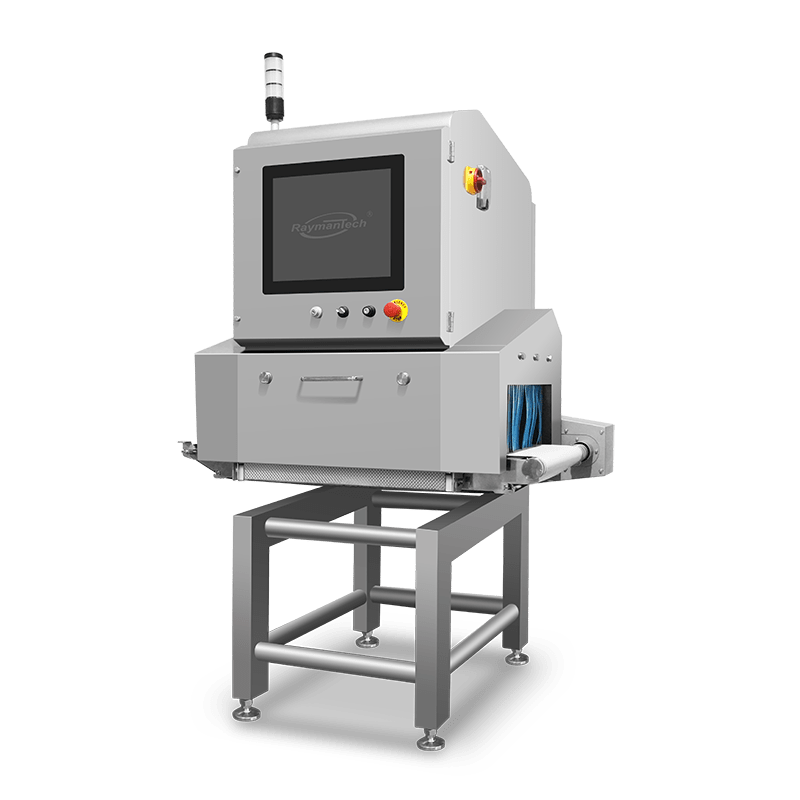
RaymanTech Bulk X-ray Inspection:The First and Most Important Line of Defense in Food Safety
In food processing, the highest-risk moment isn’t ...
More

Operators achieve maximum performance from a scallop grading machine by following proactive maintenance steps.
Efficient maintenance increases productivity and ensures high-quality output.
Optical sorting and gentle handling technologies preserve scallop integrity.
Specialized equipment supports compliance with food safety and traceability standards. Routine care reduces downtime and extends the lifespan of critical processing assets.
Regular maintenance ensures that every scallop grading machine operates at peak efficiency. Well-maintained equipment sorts scallops quickly and accurately, which helps processing lines meet daily production targets. Operators who follow a strict maintenance schedule notice fewer slowdowns and bottlenecks. When machines run smoothly, teams can process more scallops per hour and reduce wasted time.
Tip: Schedule short, daily checks to catch minor issues before they affect output.
Consistent maintenance directly impacts the quality of graded scallops. Clean blades and properly calibrated sensors prevent damage to delicate seafood. When machines function as designed, scallops retain their natural appearance and texture. High-quality output leads to better customer satisfaction and supports premium pricing in the market.
Clean equipment reduces the risk of bruising.
Accurate grading ensures uniform product size.
Proper handling preserves freshness.
Unexpected breakdowns can halt production and increase costs. Routine inspections help teams identify worn parts early, allowing for timely replacements. Preventive care reduces the frequency of emergency repairs and extends the lifespan of each scallop grading machine. Companies that invest in maintenance spend less on major repairs and avoid costly production delays.
Note: Keeping a log of maintenance activities helps track recurring issues and plan future service.
Operators begin each day by inspecting the scallop grading machine for visible signs of wear or misalignment. They check the blades for sharpness and proper positioning. Dull or misaligned blades can damage scallops and reduce grading accuracy. A quick visual scan helps spot loose fasteners or debris that may obstruct moving parts.
Inspect blades and moving components for cleanliness and sharpness.
Confirm that safety guards remain in place and secure.
Test emergency stop functions to ensure operator safety.
Tip: Adjust blade tension daily to maintain consistent grading results and prevent unnecessary strain on the machine.
A well-executed daily inspection routine prevents minor issues from escalating into costly repairs. Operators who document their findings create a valuable maintenance record for future reference.
Weekly cleaning removes buildup that daily wipe-downs might miss. Operators disassemble key parts of the scallop grading machine, such as conveyor belts and grading trays, to access hidden areas. They use food-safe cleaning agents to eliminate residue and prevent bacterial growth.
Remove and clean all detachable components.
Sanitize surfaces that come into contact with scallops.
Inspect sensors and recalibrate them for accurate grading.
A regular calibration schedule ensures that the machine grades scallops by size and weight with precision. Teams who follow a weekly cleaning and calibration plan notice fewer grading errors and maintain higher product quality.
| Task | Frequency | Responsible Party |
|---|---|---|
| Deep cleaning | Weekly | Maintenance Team |
| Sensor calibration | Weekly | Technician |
| Component check | Weekly | Operator |
Each month, supervisors conduct a comprehensive performance review of the scallop grading machine. They analyze production data to identify trends in output and efficiency. This review highlights any gradual decline in performance that daily or weekly checks might overlook.
Examine belts, gears, and bearings for signs of wear or fatigue.
Replace worn parts before they fail and cause downtime.
Review maintenance logs to spot recurring issues.
Note: Scheduling monthly reviews helps teams plan for part replacements and budget for future upgrades.
A proactive approach to monthly maintenance extends the lifespan of the scallop grading machine and supports uninterrupted production. Teams who prioritize these checks reduce the risk of unexpected breakdowns and maintain a competitive edge in seafood processing.
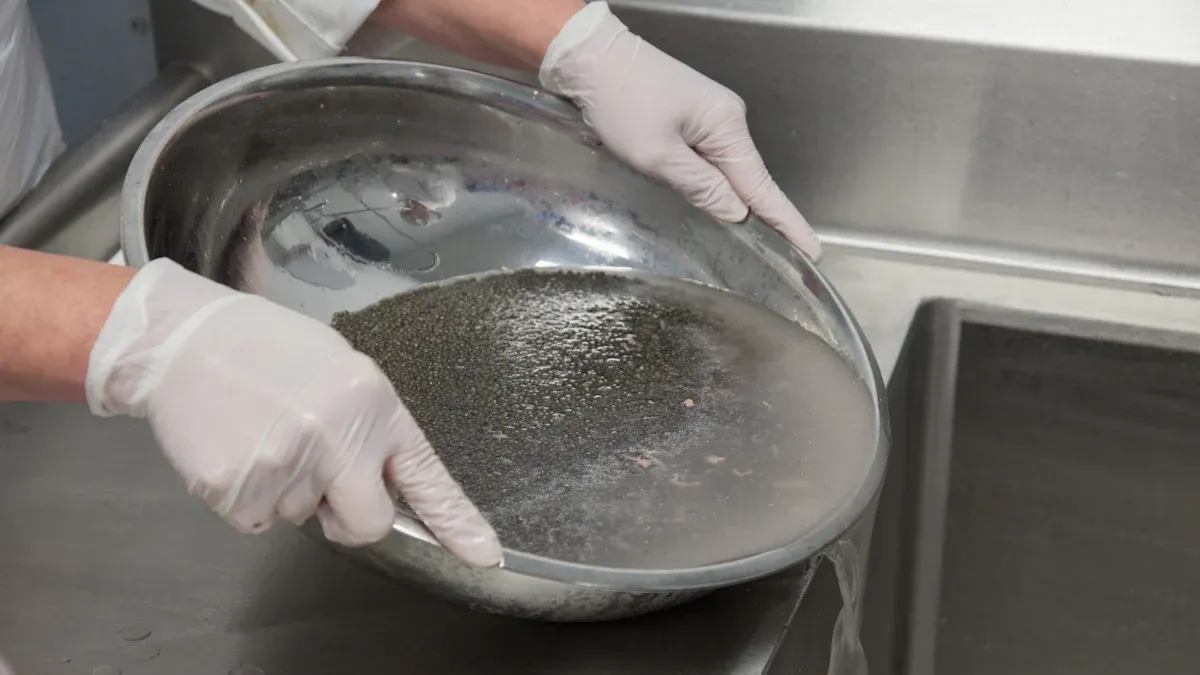
Operators follow a strict cleaning schedule to keep equipment in top condition. They start by shutting down the machine and disconnecting it from power. Next, they remove all detachable parts, such as trays and belts. Each component receives a thorough rinse with warm water to remove residue. Staff use soft brushes to scrub hard-to-reach areas, making sure no scallop fragments remain. After cleaning, they allow all parts to air dry before reassembly.
Tip: Always clean equipment immediately after each production shift to prevent buildup and ensure food safety.
Teams select cleaning agents approved for food processing environments. They read labels carefully and follow manufacturer instructions. Staff wear gloves and protective eyewear to avoid contact with chemicals. Operators dilute concentrated solutions as directed and never mix different agents. After cleaning, they rinse all surfaces with potable water to remove any chemical traces.
| Cleaning Agent Type | Application Area | Safety Precaution |
|---|---|---|
| Detergent | Belts, trays | Wear gloves |
| Sanitizer | Contact surfaces | Rinse thoroughly |
| Degreaser | Motor housings | Use in ventilated area |
Supervisors enforce strict hygiene protocols in the grading area. Staff wear clean uniforms and hairnets at all times. They wash hands before handling equipment or scallops. The team keeps the workspace free from clutter and removes waste promptly. Regular inspections help identify potential contamination risks. The scallop grading machine operates in a designated clean zone to minimize exposure to foreign materials.
Maintaining a clean environment protects both product quality and consumer health.
Operators often encounter several recurring issues with scallop grading machines. Blades may become dull or misaligned, causing inaccurate grading. Sensors can lose calibration, leading to inconsistent sorting. Belts sometimes slip or show signs of wear, which disrupts the flow of scallops. Electrical faults, such as loose wiring or faulty switches, may also interrupt machine operation. Regular observation helps staff detect these problems early.
Tip: Listen for unusual noises or vibrations during operation. These often signal mechanical trouble.
Teams can resolve many common issues with simple solutions. If a blade appears dull, operators should sharpen or replace it immediately. When sensors misread sizes, recalibration restores accuracy. Staff can tighten or realign belts to prevent slippage. For minor electrical faults, checking connections and replacing worn switches often restores function. Keeping a basic toolkit nearby allows for rapid response to these frequent challenges.
Sharpen or replace dull blades
Recalibrate sensors after cleaning
Tighten or realign loose belts
Inspect and secure electrical connections
A proactive approach keeps the scallop grading machine running smoothly. Scheduled servicing prevents unexpected breakdowns and maintains optimal production flow. Preventative service agreements reduce downtime and ensure consistent productivity. Routine tune-ups make maintenance costs predictable and maximize operational efficiency. The following table outlines effective preventive maintenance steps and their benefits:
| Preventive Maintenance Step | Benefits |
|---|---|
| Scheduled servicing | Prevents unexpected breakdowns and maintains optimal production flow |
| Preventative service agreements | Reduces downtime and ensures consistent productivity |
| Routine tune-ups | Makes maintenance costs predictable and maximizes operational efficiency |
Regular preventive care extends equipment lifespan and supports uninterrupted processing.
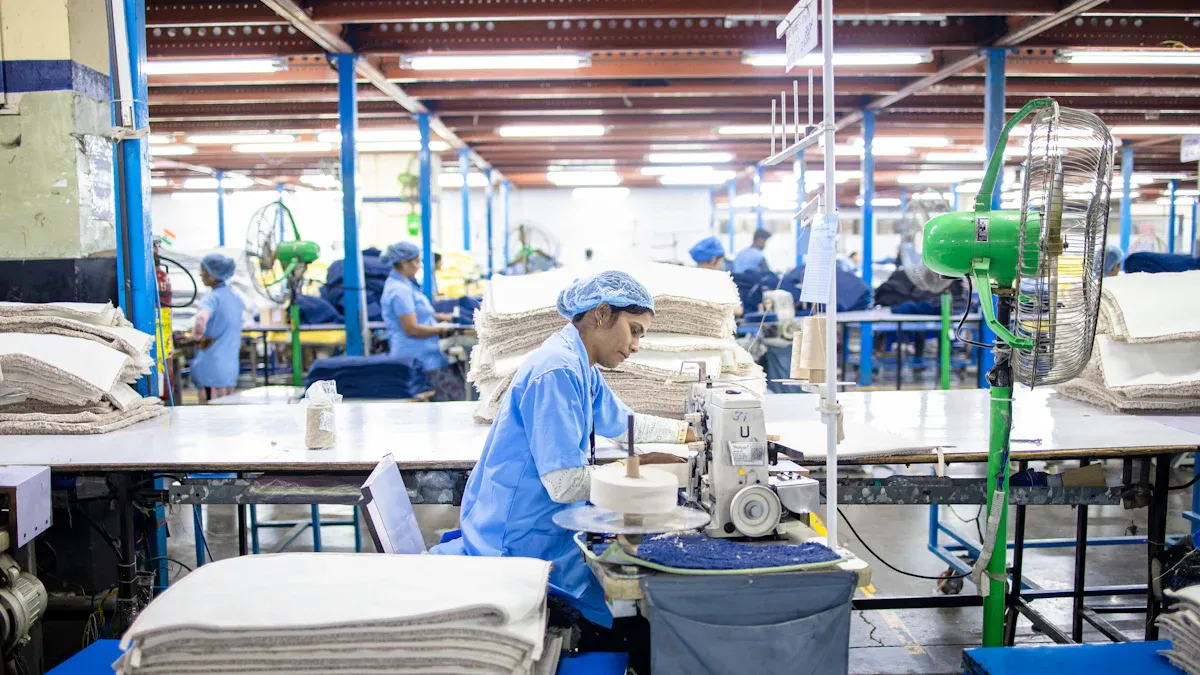
Modern seafood processors rely on advanced data tracking to ensure transparency and accountability. Scallop grading machines in 2026 record every batch processed, capturing details like size, weight, and time of grading. Operators access this information through user-friendly dashboards. These features help companies meet strict food safety regulations and respond quickly to traceability requests. Automated logs also support audits and quality control reviews.
Tip: Use digital traceability tools to streamline compliance and build customer trust.
Seafood processing facilities now benefit from predictive maintenance powered by Industry 4.0 technologies. Many scallop grading machines feature sensors that monitor vibration, temperature, and component wear. IoT devices collect real-time data, while AI algorithms analyze trends to predict when maintenance is needed. Data analytics platforms alert technicians before a part fails, reducing downtime and preventing costly repairs.
IoT sensors track machine health continuously.
AI systems forecast potential breakdowns.
Data analytics optimize maintenance schedules.
Predictive maintenance keeps equipment running efficiently and extends its lifespan.
Remote diagnostics have become essential for minimizing disruptions. Technicians can access scallop grading machines from off-site locations using secure connections. They diagnose issues, update software, and guide on-site staff through repairs without delay. This approach reduces the need for travel and speeds up problem resolution. Many manufacturers now offer 24/7 remote support, ensuring help is always available.
Operators save time and maintain productivity with remote troubleshooting tools.
Operators play a vital role in maintaining equipment performance. They must understand every function and safety feature of the scallop grading machine. Training programs teach staff how to identify mechanical issues, perform routine inspections, and follow cleaning protocols. Supervisors schedule regular workshops to reinforce best practices. Well-trained operators reduce errors and improve product quality.
Tip: Supervisors should use hands-on demonstrations to help staff master new procedures.
Technology in seafood processing evolves quickly. Operators need to stay informed about the latest upgrades and features. Manufacturers often release software updates and new components that enhance grading accuracy. Supervisors encourage staff to attend industry webinars and read technical bulletins. Teams who embrace innovation adapt faster and maintain a competitive edge.
Subscribe to equipment newsletters
Attend virtual training sessions
Review manufacturer documentation
A strong team culture supports continuous improvement. Supervisors set clear expectations for daily maintenance routines. Staff members share feedback and report issues promptly. Teams celebrate achievements, such as reduced downtime or improved grading accuracy. Open communication helps everyone stay engaged and motivated.
| Team Practice | Benefit |
|---|---|
| Daily maintenance logs | Tracks progress |
| Peer mentoring | Builds expertise |
| Recognition programs | Boosts morale |
A maintenance-focused culture ensures long-term reliability and consistent output.
A successful maintenance plan for any scallop grading machine includes routine inspections, technology upgrades, and regular performance reviews. Teams who prioritize proactive care see fewer breakdowns. Ongoing staff training ensures everyone stays updated. Companies that invest in continuous improvement maintain high product quality and operational efficiency.
Operators should calibrate machines weekly. Regular calibration ensures accurate grading and consistent product quality.
Food-grade detergents and sanitizers work best. Operators should always follow manufacturer recommendations for safety and effectiveness.
Yes. Remote diagnostics allow technicians to identify and resolve issues quickly, minimizing production interruptions and costly delays.

We provide you with comprehensive foreign trade solutions to help enterprises achieve global development
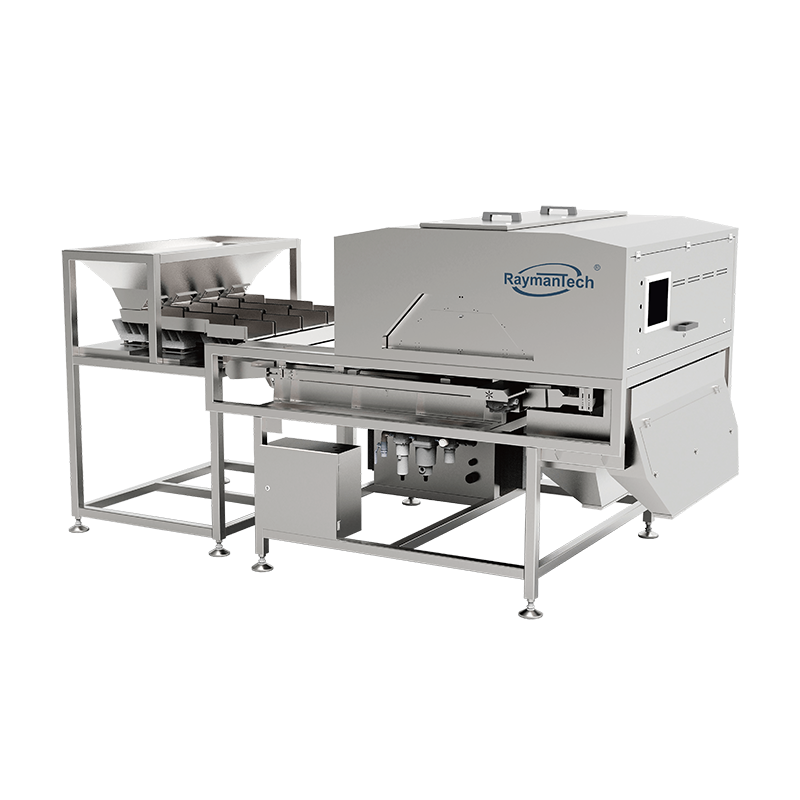
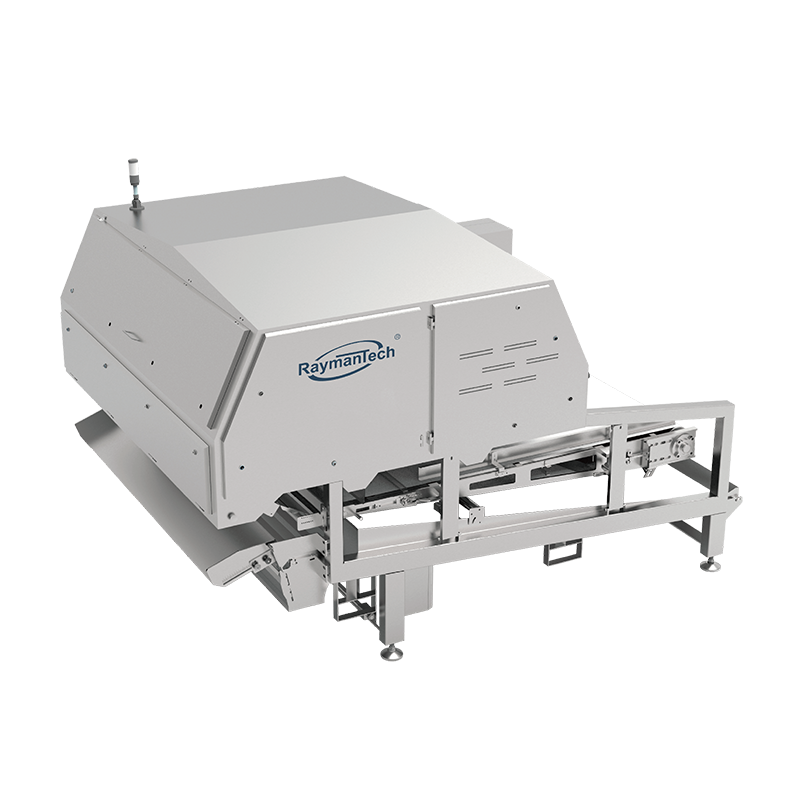
Recommedation: Small particle, flat products such...
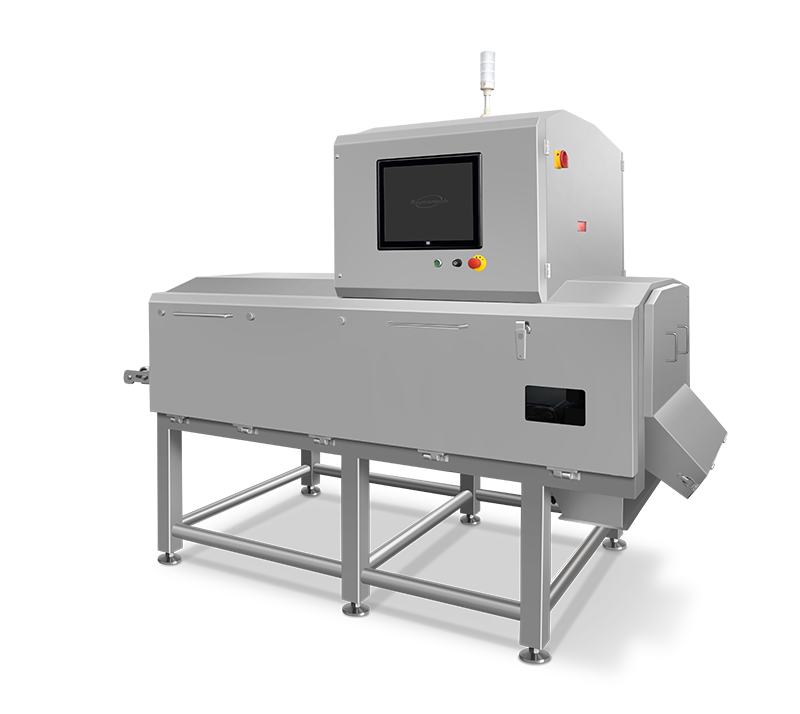
Recommedation: Frozen vegetables such as green be...
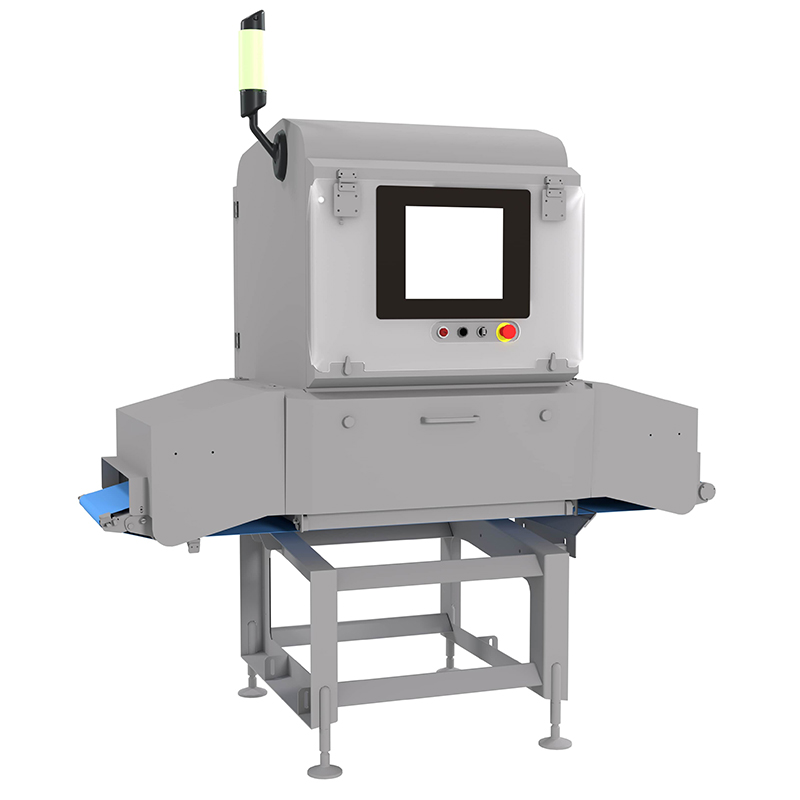
Conventional and unconventional contaminant detect...
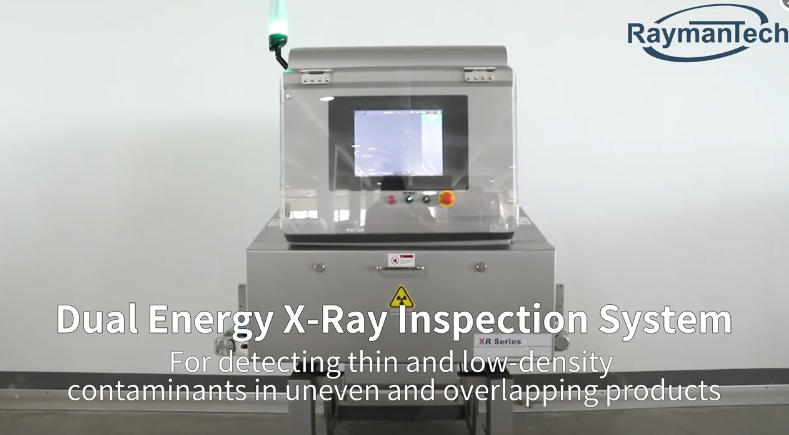
Chicken bone inspection, global poultry AI databas...
Select the most popular foreign trade service products to meet your diverse needs
Select the most popular foreign trade service products to meet your diverse needs








User Comments
Service Experience Sharing from Real Customers
Michael Chen
Production ManagerThis scallop grading machine has revolutionized our processing line. The accuracy and speed are exceptional, significantly reducing labor costs and human error. The touchscreen interface is intuitive, and the maintenance has been minimal. A fantastic investment for any serious seafood processor.
Sarah Johnson
Quality Control SupervisorVery impressed with the consistent grading results. The machine's optical sorting system distinguishes size and shell fragments with remarkable precision. It has boosted our throughput by 40%. One point off as the initial setup instructions could have been clearer, but the support team was very helpful.
David Rodriguez
Plant OwnerAfter six months of operation, this grader has proven its worth. The durability is outstanding, handling our high-volume daily runs without issue. The consistent output quality has helped us secure premium contracts. The ROI was achieved much faster than anticipated. Highly recommended.
Emily Watson
Operations DirectorAn absolute game-changer for our business. The automated grading not only improved efficiency but also enhanced worker safety by minimizing manual handling. The data logging feature provides valuable insights for production planning. Reliable, efficient, and built to last. Excellent product.