 English EN
 中国 CN
中国 CN
Safe Paws, Happy Hearts: Mastering Pet Food Safety with Advanced X-Ray Inspection
As pet owners increasingly view their companions a...
More

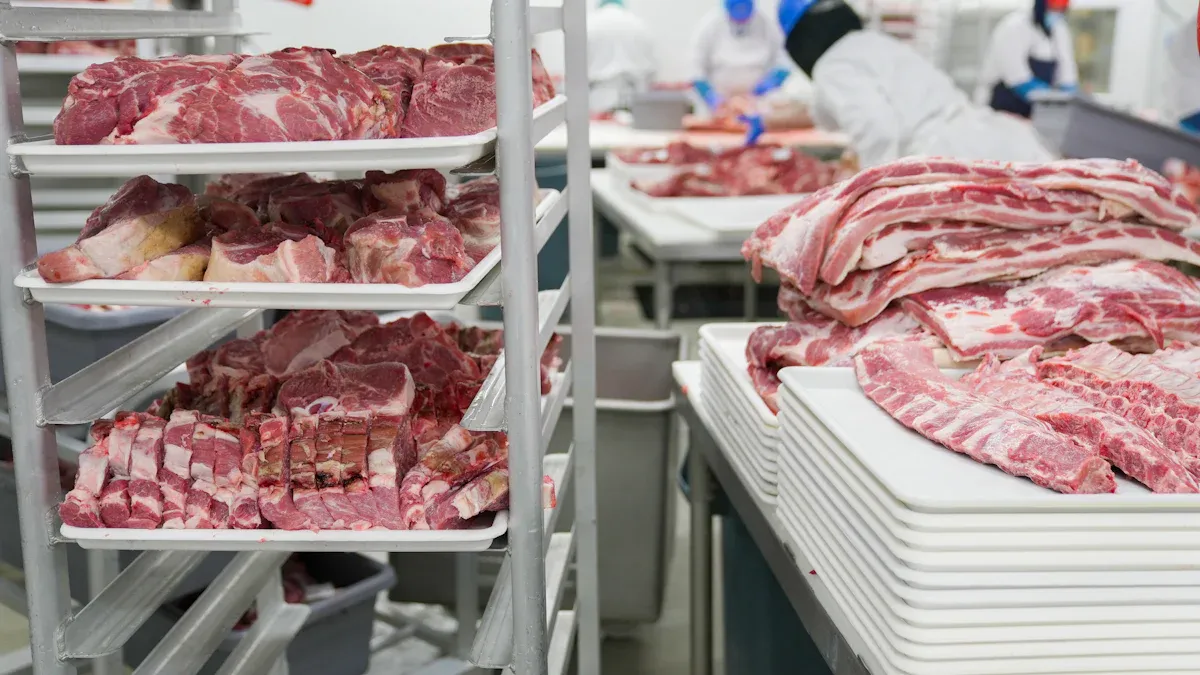
Pipeline metal detector meat systems play a vital role in protecting consumers from metal contamination. Industry reports show that needles, blades, and knives often break during processing, while machine parts and bolts can introduce fragments. The table below highlights common contamination sources in meat processing lines.
| Source of Contamination | Description |
|---|---|
| Needles, blades, and knives | Commonly introduced during flavor, brine, or marinade injections and can break during processing. |
| Machine parts, bolts, and stainless steel | Metal parts can rub against each other, leading to fragments entering the meat. |
| Rubber, plastic, and wood | These materials can come from gaskets, gloves, tools, and equipment used in processing. |
Pipeline metal detector meat systems must detect even the smallest metal fragments to ensure food safety. Advanced models can identify contaminants as small as 0.8mm in meat products. The following table demonstrates the minimum detectable size for these systems:
| Minimum Detectable Size | Type of Product |
|---|---|
| 0.8mm | Meat Products |
This high sensitivity protects consumers and helps meat processors meet strict regulatory standards.
Meat products often create strong signals that can interfere with metal detection. Modern pipeline metal detector meat systems use product effect compensation technology to reduce false positives. These technologies include multi-frequency detection, phase discrimination, and advanced signal processing. The table below outlines how each technology improves accuracy:
| Technology Type | Description |
|---|---|
| Multi-frequency detection | Transmits and analyzes signals at multiple frequencies, distinguishing product signals from contaminants. |
| Phase discrimination | Filters background noise by learning each product’s electromagnetic signature, improving detection accuracy. |
| Advanced signal processing | Minimizes product effect, resulting in fewer false positives in conductive environments. |
Operators benefit from fewer interruptions and more reliable inspection results.
Modern pipeline metal detector meat systems, such as the IQ4 Pipeline Metal Detection System, deliver improved detection capabilities for ferrous, non-ferrous, and stainless steel contaminants. These systems integrate seamlessly into production lines and work effectively with pumped and flowing products like meat slurries and soups. Enhanced accuracy ensures that processors maintain high standards for food safety and quality.
Manufacturers select food-grade stainless steel for pipeline metal detector meat systems to ensure durability and safety. This material resists corrosion, even in environments with high chloride content such as dairy brines or seafood processing. The following table highlights the key properties of food-grade stainless steel:
| Property | Description |
|---|---|
| Corrosion Resistance | Contains molybdenum for superior corrosion resistance. |
| Environmental Suitability | Essential in chloride-rich environments (dairy brines, tomato sauces, seafood processing). |
| Cost Efficiency | Higher upfront cost, but far lower lifecycle cost due to reduced corrosion and longer service life. |
Stainless steel construction extends equipment lifespan and maintains food safety standards.
Operators must clean pipeline metal detector meat systems frequently to prevent contamination. Recommended cleaning protocols include:
Use ordinary detergent or isopropyl alcohol for routine cleaning.
Apply cleaners such as Simple Green, Formula 49, or Clorox disinfecting wipes.
Avoid soaking test pieces, especially laminate cards, and dry them after cleaning.
Remove stuck products by rubbing with a clean cloth; avoid abrasives.
These steps help maintain hygiene and reduce downtime in wet processing areas.
Pipeline metal detector meat systems must meet strict industry standards for hygiene and safety. Systems designed for meat processing comply with certifications such as GFSI/SQF, BRC, and HACCP. Fortress Technology’s Pipeline Metal Detector features an IP69K rating, which prevents bacterial accumulation and supports thorough cleaning. Modular designs reduce external surface area, making it easier to sanitize equipment. These features ensure processors meet International Food Standard (IFS) certification requirements and maintain product safety.
Modern pipeline metal detector meat systems use real-time monitoring to improve the detection and removal of metal contaminants. These advanced systems adapt to different food applications and maintain high sensitivity. Smart inspection technology allows operators to identify specific types of metals quickly. Automation and advanced software help manufacturers respond to incidents without delay. Real-time data also supports compliance with food safety regulations by providing accurate records of each inspection.
Automated reporting features further enhance operational efficiency. The following table highlights how these features support regulatory compliance in the meat industry:
| Feature | Benefit |
|---|---|
| Automatic Testing System | Ensures consistent performance verification, reducing human error. |
| Hygienic Design | Complies with USDA regulations, ensuring safety in meat processing. |
| Data Logging | Facilitates easy data collection for audits, supporting compliance. |
| Quick Maintenance | Reduces sanitation times and ergonomic risks for staff. |
| Halo Ready | Allows processors to activate automatic testing, improving efficiency. |
Integrating pipeline metal detector meat data with quality and traceability systems brings several benefits:
Supports HACCP and GFSI requirements, ensuring food safety compliance.
Minimizes the risk of undetected contamination, protecting consumers.
Simplifies audit preparation through detailed records.
Consistent detection strengthens brand reputation and reduces recalls.
Enhances consumer trust by ensuring product safety at every stage.
Pipeline metal detectors also play a key role in traceability. Their installation in production pipelines allows for immediate detection and removal of contaminants, which improves traceability throughout the supply chain.
Effective data management ensures that meat processors meet industry standards and regulatory requirements. Automated data collection and reporting simplify audit processes and reduce the risk of human error. Reliable data supports continuous improvement and helps companies maintain a strong position in the market.
Meat processing facilities handle a wide range of products, from liquid slurries to dense pastes. Pipeline metal detector meat systems must adapt to these variations to maintain high detection accuracy. Manufacturers offer several customization options to address these needs. The table below highlights key features that support adaptability:
| Feature | Description |
|---|---|
| Digital Signal Processing | Advanced technology ensures high sensitivity for all meat types. |
| Customizable Pipe Sizes | Standard diameters (2-, 3-, 4-, and 5-inch) fit most lines, with custom sizes available. |
| High Viscosity Handling | Designed for thick meats and products from vacuum fillers. |
| IP69K Rating | Withstands harsh washdown environments for reliable operation. |
Processors can select from various reject valves and pipe materials. These systems also support inline inspection of pumped liquids and pastes, ensuring consistent performance across product types.
Production lines in meat plants often change to meet new demands. Pipeline metal detector meat systems feature a flow-through design that fits both liquid and semi-liquid products. The following table outlines integration benefits:
| Feature | Description |
|---|---|
| Flow-Through Design | Supports seamless movement of products through the system. |
| Easy Integration | Installs quickly into existing lines, minimizing downtime. |
| High Sensitivity | Maintains precise detection, even with viscous products. |
| Seamless Integration | Requires no major modifications, improving efficiency and safety. |
This flexibility allows processors to upgrade or reconfigure lines without major disruptions.
Integrating new technology into established automation systems presents challenges. Companies face high capital costs, operational complexities, and the risk of false rejects. Conveyor issues and radio frequency interference can affect detection accuracy. Variability in product uniformity may also cause inconsistent results. To address these challenges, manufacturers recommend a total-cost and risk-aware approach. They often explore nearshoring and dual sourcing to manage costs and ensure reliable supply chains. Long-term contracts help maintain quality and performance in metal detection systems.
Tip: Processors should evaluate both technical and operational factors before integrating new pipeline metal detector meat systems. This approach helps maximize return on investment and maintain food safety standards.
Pipeline metal detector meat systems deliver maximum food safety, regulatory compliance, and operational efficiency by focusing on sensitivity, hygienic design, data connectivity, and integration.
Exceptional sensitivity ensures precise detection and reduces costly recalls or consumer injuries.
Robust stainless steel construction prevents bacterial contamination and supports easy cleaning.
Real-time data collection aids compliance with HACCP standards.
| Challenge | Description |
|---|---|
| High False Reject Rates | Good products are ejected due to strong product signals resembling metal, especially in moist foods. |
| Failing Audits and Compliance Checks | Inconsistent documentation and missing test logs lead to non-compliance during audits. |
| Operator Errors and Misuse | Human operation can introduce errors that affect detection performance and compliance. |
Selecting the right system protects consumers and upholds industry standards.
Pipeline metal detectors can identify ferrous, non-ferrous, and stainless steel contaminants. These systems help processors maintain food safety and meet industry standards.
Operators should clean these systems daily or after each production shift. Regular cleaning prevents contamination and ensures compliance with hygiene standards.
Yes. Most modern pipeline metal detectors offer flexible integration options. They support seamless connection with current automation and data management platforms.

We provide you with comprehensive foreign trade solutions to help enterprises achieve global development
.png)
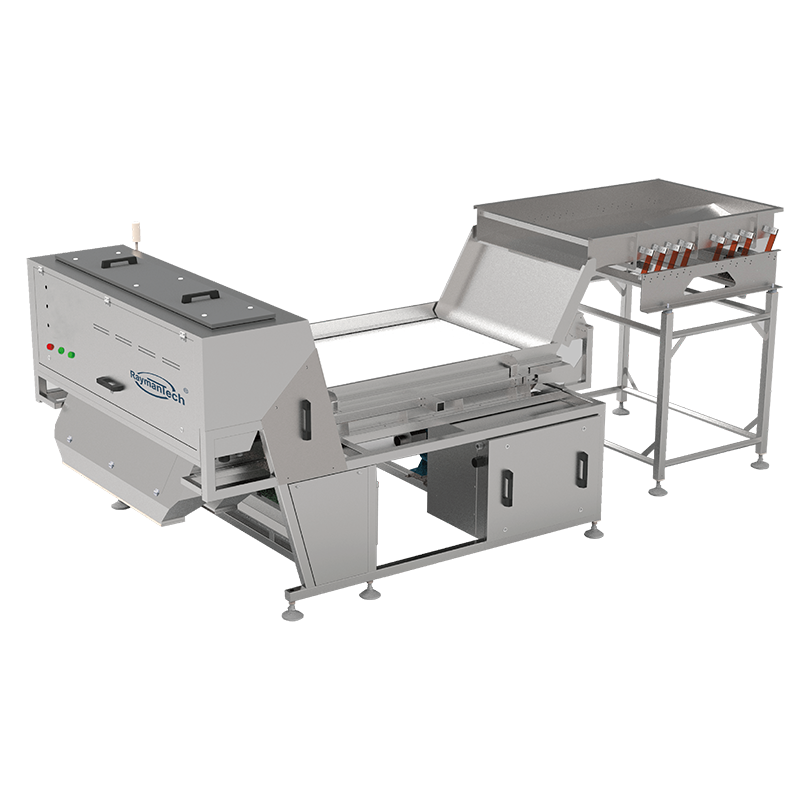
Recommedation: Aquatic products, pet food, candy, ...
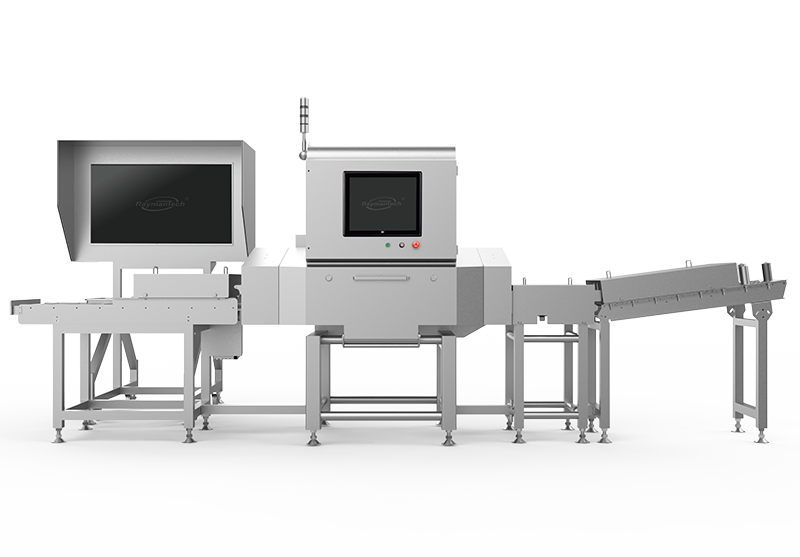
Recommedation: Rice, wheat, corn, grain, pulses, s...
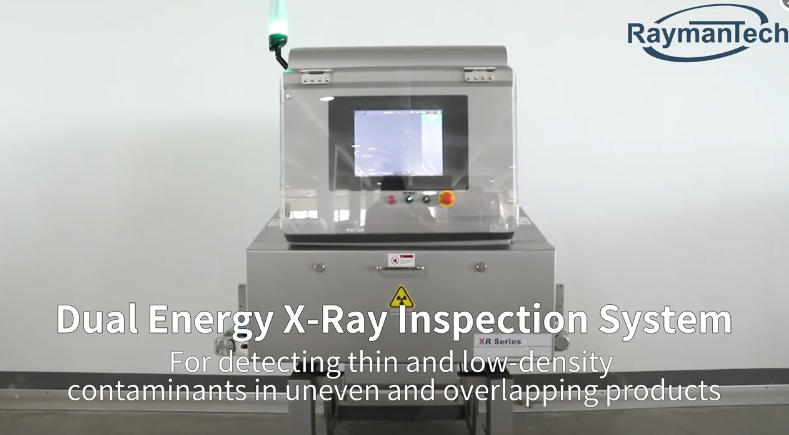
Recommedation: Chili, walnut, peanuts, soybeans, c...
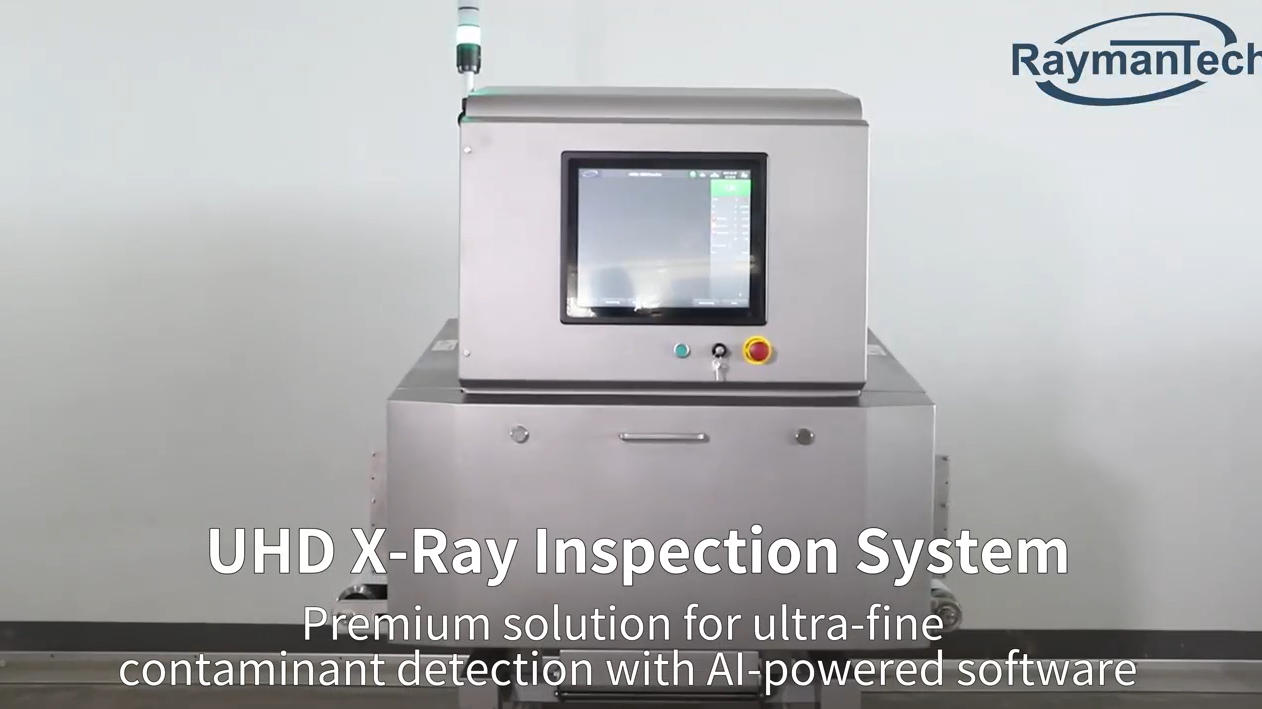
Automatic recognition and rejection, fish bone ins...
Select the most popular foreign trade service products to meet your diverse needs
Select the most popular foreign trade service products to meet your diverse needs







User Comments
Service Experience Sharing from Real Customers
Michael Chen
Quality Control ManagerThis pipeline metal detector has been a game-changer for our meat processing line. Its sensitivity is exceptional, reliably catching the smallest ferrous and non-ferrous contaminants without false positives. The waterproof design makes sanitation a breeze. Highly recommended for ensuring product safety.
Sarah Johnson
Production SupervisorVery reliable and sturdy metal detector for our sausage and ground meat lines. The setup was straightforward, and the automatic rejection system works flawlessly. It gives us and our customers great confidence in our food safety protocols. One point off as the user manual could be more detailed.
David Rodriguez
Plant EngineerExcellent performance in our frozen meat packaging plant. The detector handles extreme temperatures and high-speed conveyor lines without issue. The data logging feature is fantastic for HACCP documentation and traceability. A critical investment for any serious meat processor.
Lisa Wang
Food Safety DirectorOutstanding accuracy and hygiene design. We use it on our final packaged meat products, and it has never missed a test piece. The stainless-steel construction and IP69K rating are perfect for our rigorous washdown environment. It's an essential pillar of our contamination control program.