 English EN
 中国 CN
中国 CN
.png)
Comprehensive Introduction to IP69K Protection Rating — The Gold Standard for Equipment in Meat and Food Processing Environments
Why do IP65/IP67 fail in food plants? Discover the...
More

Pasta x-ray inspection identifies foreign materials in pasta products with advanced imaging technology. This method locates dense contaminants that may threaten food safety.
Metal fragments, glass pieces, stones, dense plastics, and bone fragments often trigger alerts during inspection.
Detection depends on contaminant density, size, and equipment quality.
Metal fragments pose a significant risk in pasta production. These contaminants can originate from machinery wear, broken processing equipment, or accidental introduction during packaging. Pasta x-ray inspection systems excel at detecting metal pieces, including both ferrous and non-ferrous metals. Advanced x-ray technology identifies even small fragments, such as aluminum, with high accuracy. For example, dual-energy x-ray detectors (DXD/DXD+) can detect aluminum pieces as small as 2 mm, while single-energy systems typically identify fragments down to 5 mm. This capability helps manufacturers maintain strict food safety standards and protect consumers from potential harm.
Glass contamination may occur if glass containers break near production lines or if raw materials arrive with embedded glass shards. Pasta x-ray inspection systems can reliably detect glass pieces, especially those with higher mineral content. The detection threshold depends on the type of x-ray system used. The following table summarizes the detection capabilities for low-mineral glass:
| Contaminant | Size detected with single energy x-ray | Size detected with DXD or DXD+ |
|---|---|---|
| Low Mineral Glass | 5 mm | 3 mm |
Modern systems can identify glass fragments as small as 0.5 mm in some cases. This high sensitivity ensures that even tiny glass pieces do not reach consumers. Pasta x-ray inspection remains one of the most effective methods for glass detection compared to traditional metal detectors.
Stones and mineral particles may enter pasta products through raw materials such as semolina or flour. These contaminants often have a density higher than pasta, making them visible to x-ray systems. Modern industrial digital x-ray inspection systems can detect stone particles as small as 0.3 mm. This precision allows manufacturers to remove even the tiniest mineral contaminants before packaging. The ability to detect such small particles demonstrates the advanced capabilities of current pasta x-ray inspection technology.
Tip: Regular calibration of x-ray equipment ensures consistent detection of small stones and mineral particles.
Dense plastics and rubber fragments sometimes enter pasta products from conveyor belts, gaskets, or packaging materials. Not all plastics are detectable, but those with higher density stand out in x-ray images. Leading x-ray inspection systems, such as the Ishida IX-GN Series and Bizerba XRE-D 200/120, offer high sensitivity for these contaminants. The table below highlights the detection capabilities of several industry-leading systems:
| System Name | Detection Capability | Description |
|---|---|---|
| Ishida X Ray Inspection Systems | Detects foreign bodies of the lowest densities | Advanced technology for detecting various plastics and rubber contaminants |
| Ishida IX-GN Series | High sensitivity and accuracy | Proprietary 7-step image analysis for optimal sensitivity to rubber and plastics |
| Bizerba XRE-D 200/120 | Detects a wide range of contaminants | Identifies rubber and plastics, even in aluminum packaging |
Pasta x-ray inspection can detect hard plastic fragments as small as 0.7 mm and rubber pieces down to 0.8 mm. This capability reduces the risk of consumer injury from non-metallic foreign bodies.
Bone fragments, though rare in pasta, may appear if animal-derived ingredients are used or if cross-contamination occurs in shared facilities. X-ray inspection systems can identify calcified bone due to its density. The following list summarizes detectable contaminants in pasta products:
Glass (0.5 mm)
Stone (0.6 mm)
Hard plastic (0.7 mm)
Rubber fragments (0.8 mm)
Calcified bone
Pasta x-ray inspection provides a comprehensive solution for detecting a wide range of dense contaminants, ensuring product safety and quality.
Hair and fibers present a unique challenge for x-ray inspection systems. These contaminants have low density and thin profiles, making them nearly invisible to x-ray imaging. Operators often rely on visual inspection or other detection methods to identify hair or textile fibers in pasta products. X-ray machines cannot distinguish these materials from the surrounding pasta due to similar density levels.
Note: Regular staff training and strict hygiene protocols help reduce the risk of hair and fiber contamination.
Thin plastic films and low-density plastic fragments often escape detection during x-ray inspection. These materials may originate from packaging, gloves, or equipment components. Their density closely matches that of pasta, which limits the contrast in x-ray images.
The following table highlights the detection likelihood for various plastic types:
| Plastic Type | Detection Likelihood | Example Source |
|---|---|---|
| Thin Film | Low | Packaging wrap |
| Low-Density Fragment | Low | Conveyor belt pieces |
| Hard Plastic | High | Machine parts |
Manufacturers should consider supplementary inspection methods for thin plastics to maintain product safety.
Wood splinters and other organic materials, such as plant stems or seeds, rarely appear in pasta products but pose a risk if present. X-ray systems struggle to detect these contaminants because their density is similar to pasta.
Wood fragments may enter during raw material handling.
Organic debris can result from agricultural sources.
Routine ingredient screening and supplier audits help minimize the introduction of wood and organic contaminants.
🛡️ Tip: Combining x-ray inspection with manual checks increases overall detection rates for low-density materials.
The size and shape of a contaminant play a critical role in detection during pasta x-ray inspection. The geometry of the detector influences sensitivity, making certain shapes easier to identify. Placement within the pasta product also affects detection rates. For example, a small metal fragment located at the center of a pasta batch may be harder to spot than one near the surface. Detection results can vary based on the position and orientation of the contaminant.
Detector geometry impacts sensitivity.
Contaminant placement changes detection likelihood.
Shape and size influence detection outcomes.
Density differences between contaminants and pasta determine how effectively x-ray systems can identify foreign materials. Contaminants with higher density require more x-ray power for accurate detection. When a contaminant’s density closely matches pasta, the system may struggle to distinguish it. Pasta x-ray inspection achieves optimal results when the contaminant stands out against the known density of pasta. Operators must consider density variations to maintain high detection rates.
Note: Regular calibration and adjustment of x-ray settings help improve detection of contaminants with densities similar to pasta.
The quality and resolution of x-ray equipment directly impact inspection accuracy. Advanced systems offer features that enhance image clarity and detection capabilities. The following table summarizes key equipment features and their benefits:
| Feature | Description |
|---|---|
| High Resolution | Delivers detailed images for precise contaminant identification. |
| Advanced Image Processing | Uses sophisticated algorithms to improve image clarity and detection. |
| Greyscale Range | Provides up to 65,535 values for deeper contrast and subtle differences. |
| Superior Contaminant Detection | Detects foreign bodies regardless of size, shape, or location. |
| Dual Energy Inspection | Identifies materials not visible with single energy x-ray. |
Recent advancements, such as dual-energy x-ray and photon counting technology, further improve detection accuracy. These technologies allow operators to identify smaller and less dense contaminants, enhancing overall food safety.
Pasta x-ray inspection detects dense contaminants such as glass, bones, stones, and hard plastics. However, low-density objects like hair, insect parts, and organic compounds often escape detection. Manufacturers improve food safety by combining x-ray systems with other measures, reducing risks and enhancing quality control.
Pieces of glass
Bones and other animal parts
Stones and rubble
Hard plastics, silicone, etc.
| Contaminant | Detection Rate |
|---|---|
| Metal fragments | High |
| Glass pieces | High |
| Stones | High |
| Dense plastics | Moderate |
X-ray inspection identifies dense contaminants. It may miss low-density materials such as hair, thin plastics, and wood. Manufacturers use additional safety measures for comprehensive protection.
Manufacturers calibrate x-ray equipment regularly.
Frequent calibration maintains detection accuracy.
Industry standards recommend monthly or quarterly calibration.

We provide you with comprehensive foreign trade solutions to help enterprises achieve global development
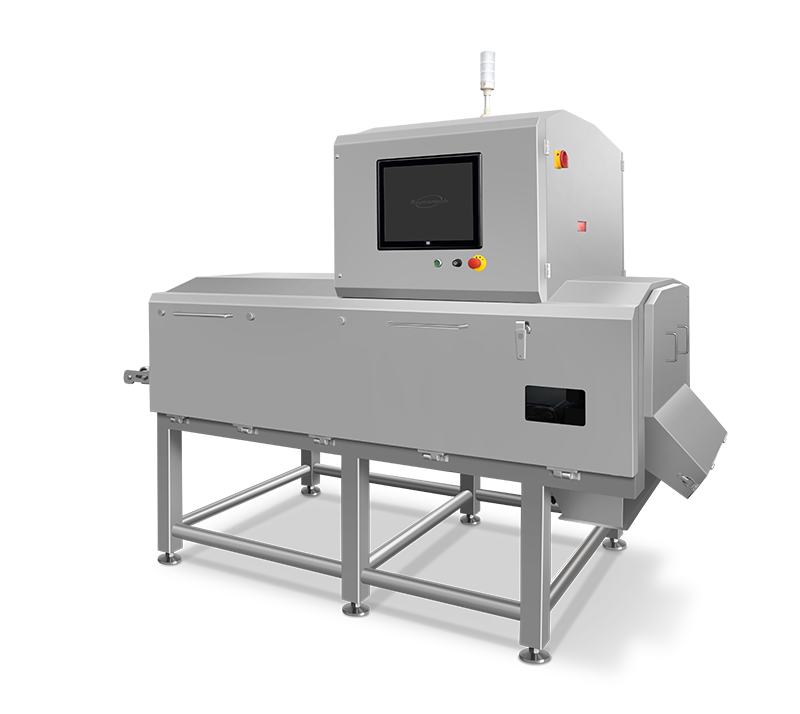
Conventional and unconventional contaminant detect...
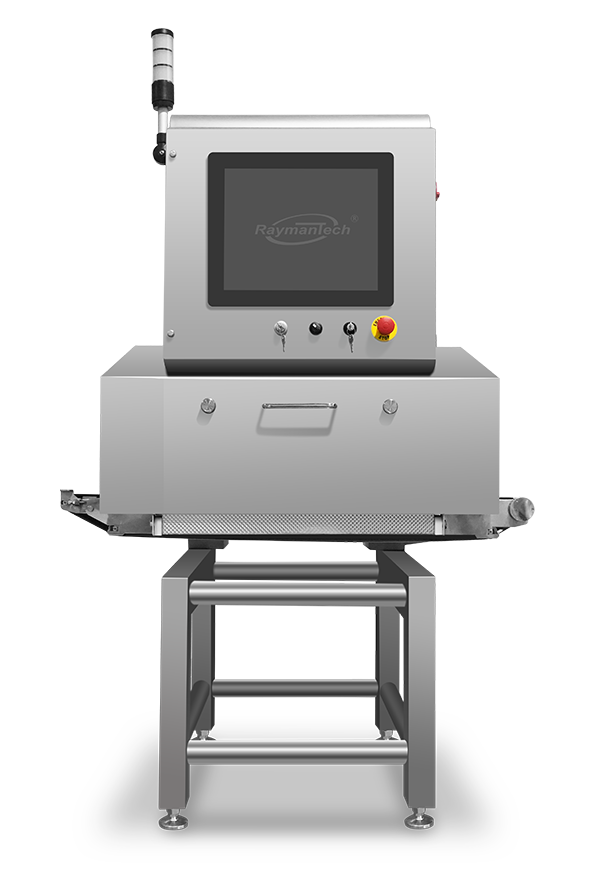
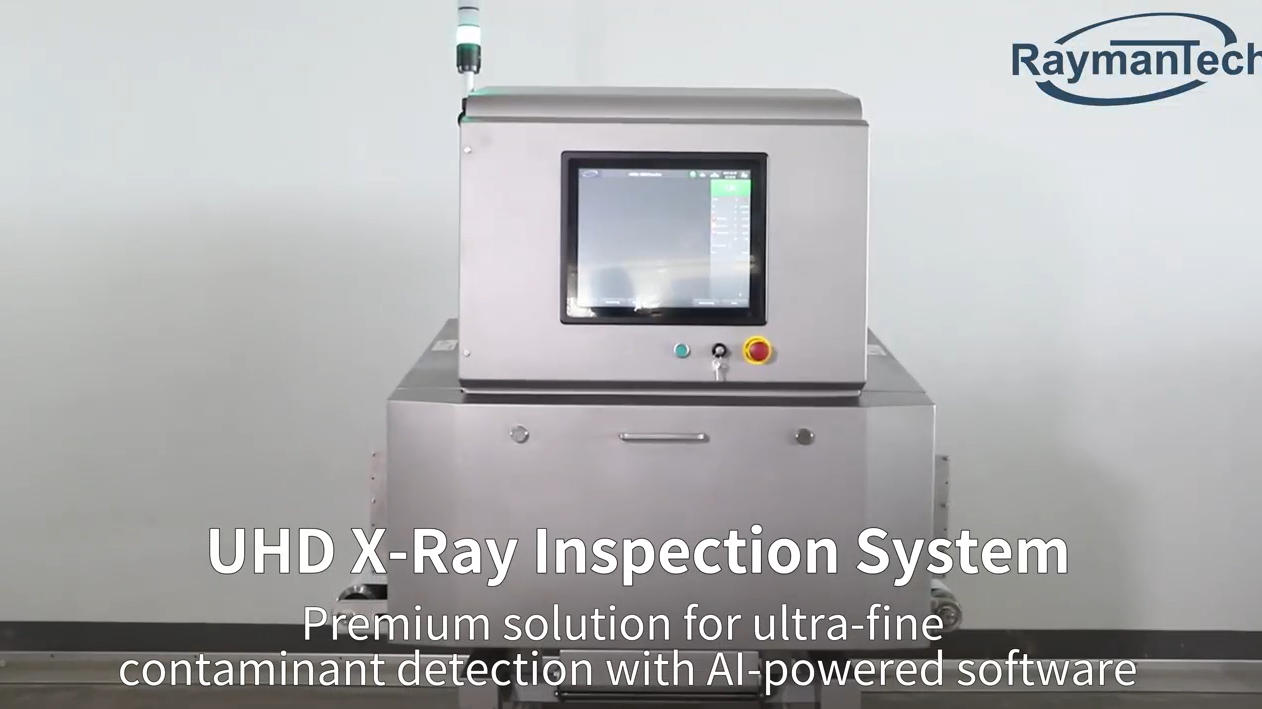
Ultra-fine contaminants detection, UHD X-Ray detec...
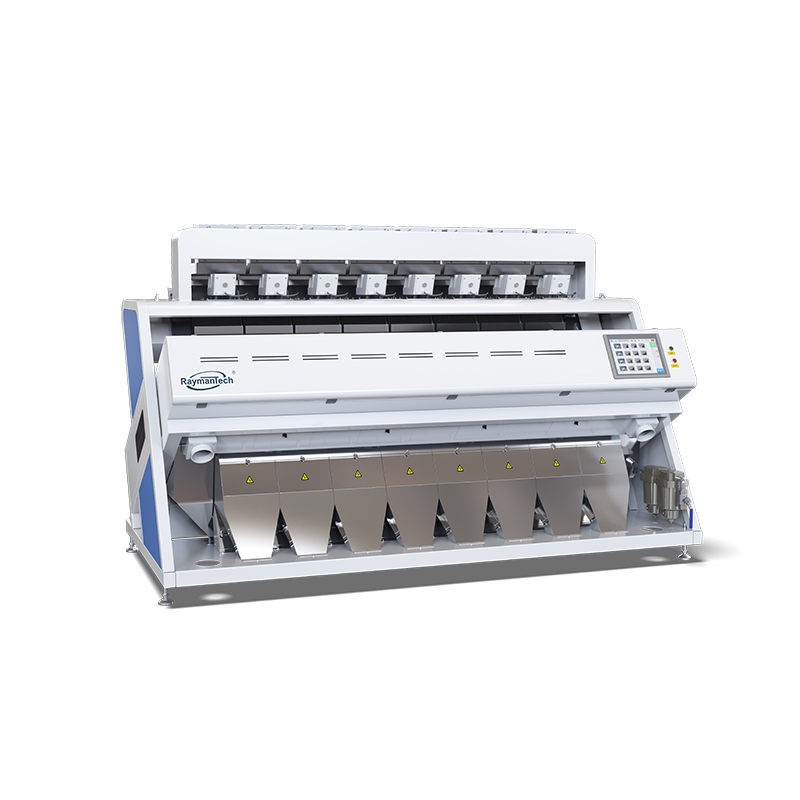
Recommedation: Rice, wheat, corn, grain, pulses, s...
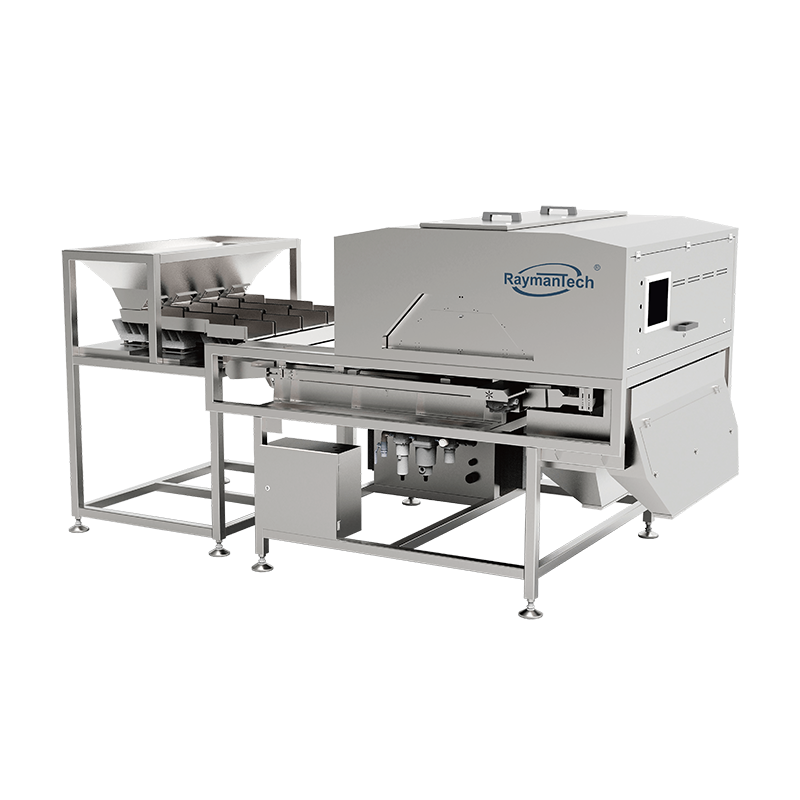
Recommedation: Small particle, flat products such...
Select the most popular foreign trade service products to meet your diverse needs
Select the most popular foreign trade service products to meet your diverse needs







User Comments
Service Experience Sharing from Real Customers
Michael Rodriguez
Quality Control ManagerThis pasta x-ray inspection system has revolutionized our production line. The detection accuracy for foreign materials like metal or glass fragments is exceptional, ensuring our product's safety and compliance. The user interface is intuitive, and downtime has been minimal.
Sarah Chen
Production SupervisorA reliable and robust machine. It effectively identifies density variations and hollow shells in our dried pasta, significantly reducing product waste. The integration with our existing conveyor system was smooth. Would recommend for any pasta producer serious about quality.
James Wilson
Plant EngineerOutstanding investment. The x-ray inspection unit provides unparalleled clarity in detecting contaminants without damaging the product. Maintenance is straightforward, and the technical support team is responsive. It has become an indispensable part of our food safety protocol.
Lisa Thompson
Food Safety SpecialistThis inspection system delivers on its promises. It consistently catches even the smallest impurities, giving us and our customers immense confidence. The data logging feature is excellent for audit trails. A must-have for maintaining high standards in the food industry.