 English EN
 中国 CN
中国 CN
.png)
Principle of X-ray Inspection Machines in the Food Industry
X-ray inspection machines have become indispensabl...
More

The SpaceX Fram2 mission highlights the growth of commercial spaceflight. This sector now drives nearly 80% of the space industry. The historic polar-orbiting mission will conduct 22 experiments focused on human health and sustainability.
These tests, including concepts like a mushroom x ray machine, are crucial for future deep space habitation.
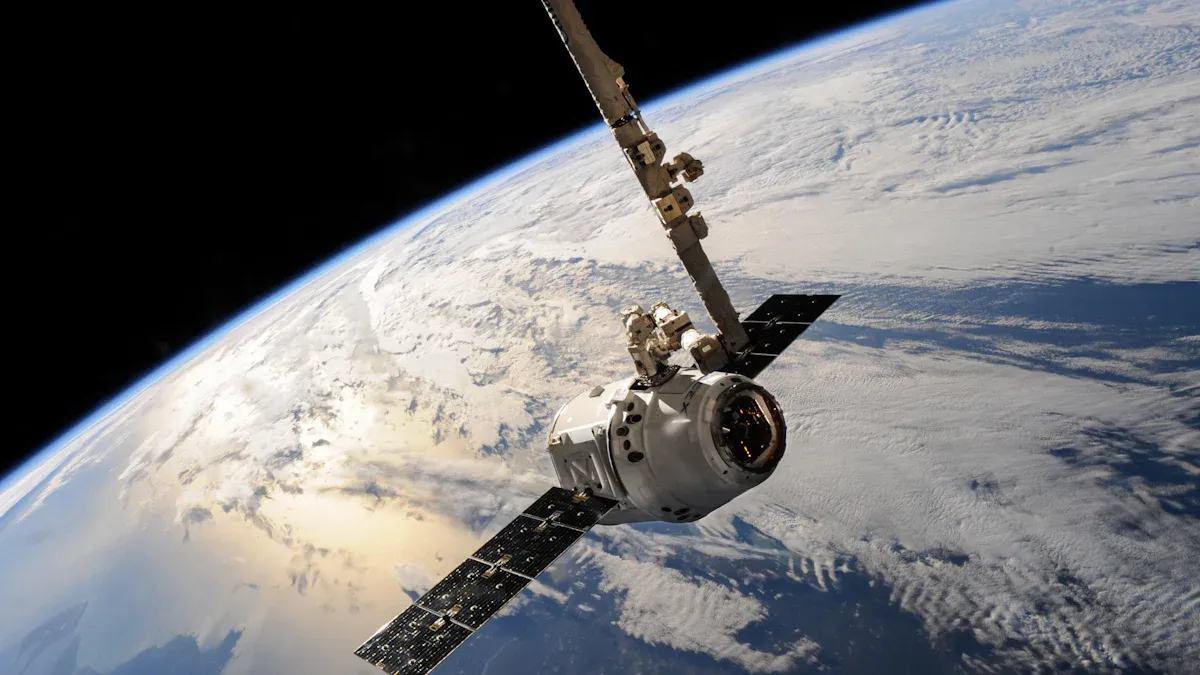
The Fram2 mission will make history with its trajectory. It is the first human spaceflight designed to fly over Earth’s polar regions. The spacecraft will launch into a 90-degree circular orbit, the highest inclination ever achieved by a crewed mission. This unique path offers distinct scientific advantages. While equatorial orbits have blind spots, a polar orbit provides full planetary coverage, allowing for comprehensive observation. It also exposes the crew to higher levels of space radiation near the poles. This exposure presents a valuable opportunity to study the effects of space travel on the human body, gathering crucial data for future deep-space missions to the Moon and Mars.
An international team of four private astronauts will operate the mission and its experiments. The crew members bring diverse expertise to the flight:
Chun Wang: A Maltese entrepreneur and Mission Commander.
Jannicke Mikkelsen: A Norwegian cinematographer serving as Vehicle Commander.
Rabea Rogge: A German robotics researcher acting as Vehicle Pilot.
Eric Philips: An Australian polar adventurer and the Mission Specialist and Medical Officer.
The mission's short 3-5 day duration is a key feature of its experimental design. This timeframe allows researchers to capture a "snapshot" of the human body's initial response to microgravity. Scientists are eager to see if measurable physiological changes occur in such a brief period.
“It allows for us to see if people have changes to microgravity within five days as opposed to five weeks or five months that you see more with the NASA astronauts. So it's allowing us to do a more snapshot-type picture.”
This rapid assessment is critical for understanding the immediate health impacts of spaceflight. Experiments will include pre- and post-flight MRIs, X-rays, and studies on blood health and glucose regulation to detect any swift anatomical or biological shifts.
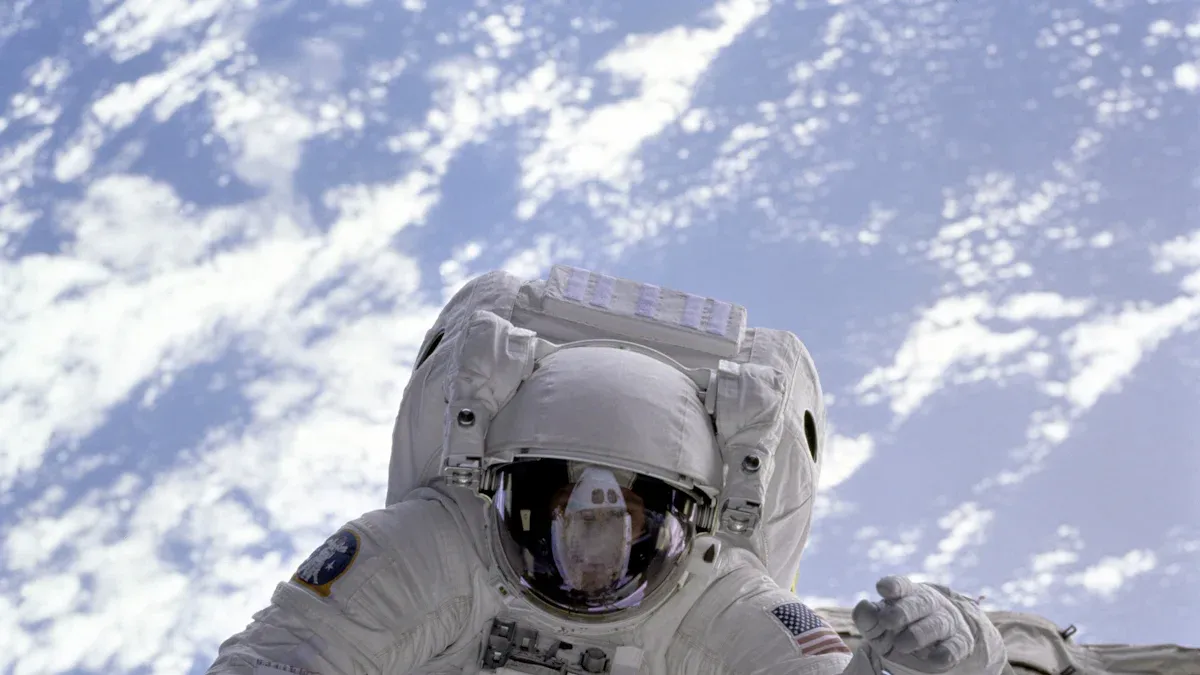
The Fram2 mission is a mobile laboratory for cutting-edge science. Its 22 experiments test technologies vital for humanity's future in deep space. The research covers everything from sustainable food production to advanced medical diagnostics. These pioneering studies, combining concepts like a mushroom x ray machine and portable medical scanners, will generate critical data for missions to the Moon and Mars.
Mission MushVroom tackles a fundamental challenge of long-duration spaceflight: sustainable food. The experiment will attempt to cultivate oyster mushrooms in microgravity. Researchers will monitor how the fungi colonize a substrate and produce fruiting bodies. This is a key step toward creating a reliable, on-demand food source for astronauts. The combination of a mushroom x ray machine and other advanced diagnostics on this mission highlights the diverse scientific payload.
Mushrooms offer significant nutritional advantages for space travel.
They are a rich source of crude protein, containing essential amino acids.
They provide vital nutrients, including B vitamins and antioxidants.
Their bioactive compounds can strengthen the immune system and offer anti-inflammatory benefits.
Exposing mushrooms to UV light converts ergosterol into Vitamin D2. This process can produce amounts far exceeding daily needs, which is crucial for maintaining bone health in microgravity.
Previous studies have explored how fungi behave in space, providing a foundation for this experiment. These efforts show that microgravity affects fungal growth, structure, and even virulence.
| Fungus Species | Environment | Observed Effect |
|---|---|---|
| Candida albicans | Spaceflight | Modified budding, increased growth, and resistance to antifungals. |
| Saccharomyces cerevisiae | HARV / Clinostat | Modified budding and cluster formation; reduced longevity. |
| Aspergillus fumigatus | ISS | Increased growth and virulence. |
| Pleurotus ostreatus | Simulated Microgravity | Modified development of fruiting bodies. |
Mission MushVroom builds on this knowledge, moving from simple observation to applied food production.
The SpaceXray experiment marks a major milestone in space medicine. It will perform the first-ever human X-ray in orbit. This test validates a portable diagnostic imaging system for future missions. The technology is a crucial step toward providing comprehensive medical care far from Earth. The mission's focus on both biological growth and human diagnostics, essentially a mushroom x ray machine and a human one, demonstrates a holistic approach to space habitation.
The system combines two key components:
KA Imaging Reveal 35C Detector: This laptop-sized device uses SpectralDR technology. It captures three images from one low-dose exposure: a soft tissue image, a bone image, and a standard radiograph.
MinXray IMPACT Generator: A compact, battery-powered generator makes the system fully portable and independent of spacecraft power.
This ultra-portable system features lower mass, volume, and power needs. It also delivers a significantly reduced radiation dose, making it ideal for the confined environment of a spacecraft.
On future missions to the Moon or Mars, this capability will be essential. Doctors could use it to diagnose a range of conditions, including fractures from accidents, osteoporosis from bone demineralization, and lung issues like pneumothorax (collapsed lung) or fibrosis caused by inhaling lunar or Martian dust.
Beyond the headline experiments, Fram2 hosts a suite of studies on human physiology. Researchers from institutions like the Medical University of South Carolina (MUSC), Johns Hopkins University, and Baylor College of Medicine are leading these efforts. The mission's unique polar orbit provides a valuable opportunity to study the body's response to higher radiation levels. The diverse research, from a mushroom x ray machine to genetic sequencing, creates a comprehensive health dataset.
A primary focus is understanding the rapid changes that occur in microgravity. Scientists will monitor several key areas:
Cardiovascular Health: Ultrasound probes and wearable devices will analyze blood flow and fluid shifts to the head, especially during exercise.
Musculoskeletal System: The crew will use Blood Flow Restriction (BFR) technology during exercise. This technique helps researchers study its potential to counteract muscle and bone deterioration.
Sleep and Cognition: Dr. Mark Rosenberg of MUSC is leading a study on sleep quality, a common issue for astronauts. Other experiments will track cognitive performance and spatial orientation.
This research provides a "snapshot" of the body's initial adaptation to space, complementing data from long-duration missions. The concept of a mushroom x ray machine is just one part of this multi-faceted scientific endeavor.
The science continues long after the Dragon capsule returns to Earth. The crew will undergo extensive post-flight assessments to measure their recovery. This data is critical for planning crew schedules and medical support for future missions. Comparing this short-duration data to that of astronauts on long ISS missions will refine our understanding of spaceflight's effects. The mission's innovative payload, including the conceptual mushroom x ray machine, provides a rich dataset for this analysis.
Key performance indicators will track the crew's readaptation to Earth's gravity.
Sensorimotor and Cognitive Tests: Immediately after landing, the crew will perform tests to assess balance, movement control, memory, and attention.
Genomic Analysis: The "Space Omics + BioBank" project will analyze post-flight biological samples to identify genetic changes triggered by spaceflight.
Comparative Data: All data will be stored in the EXPAND database. This allows researchers to compare Fram2's results with data from other missions. Studies show that while both short- and long-duration flights cause significant impairment, performance decline is less severe after shorter missions.
This comparative analysis helps scientists distinguish between the immediate effects of space travel and the cumulative impacts of long-term exposure. It validates the importance of short "snapshot" missions like Fram2 in building a complete picture of human health in space. The mission's unique experiments, from a mushroom x ray machine to detailed physiological monitoring, are paving the way for humanity's next giant leap.
The Fram2 mission's experiments represent crucial advancements for human space exploration. This flight directly addresses the challenges of long-term habitation on the Moon and Mars.
By testing sustainable food production and in-flight medical diagnostics, the mission provides vital data for keeping future astronauts healthy and self-sufficient. (astronaut emoji)
Fram2's research paves the way for humanity's next steps into deep space.
The polar orbit enables complete planetary observation. It also exposes the crew to higher radiation, offering crucial health data for future deep-space missions beyond Earth's orbit. (satellite emoji)
This phrase highlights two separate experiments. Mission MushVroom grows mushrooms for food. The SpaceXray experiment tests a portable X-ray machine for human medical diagnostics in space.
The short duration allows scientists to study the human body's immediate response to microgravity. It provides a "snapshot" of initial physiological changes, complementing data from longer missions.

We provide you with comprehensive foreign trade solutions to help enterprises achieve global development
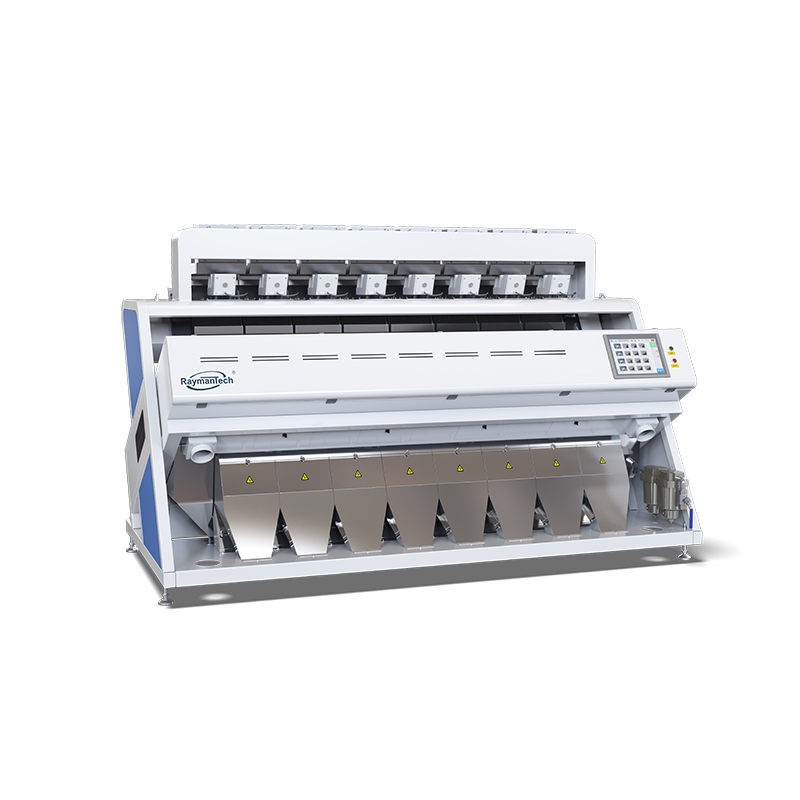
Recommedation: Rice, wheat, corn, grain, pulses, s...
High cost performance, compact design, high sensit...
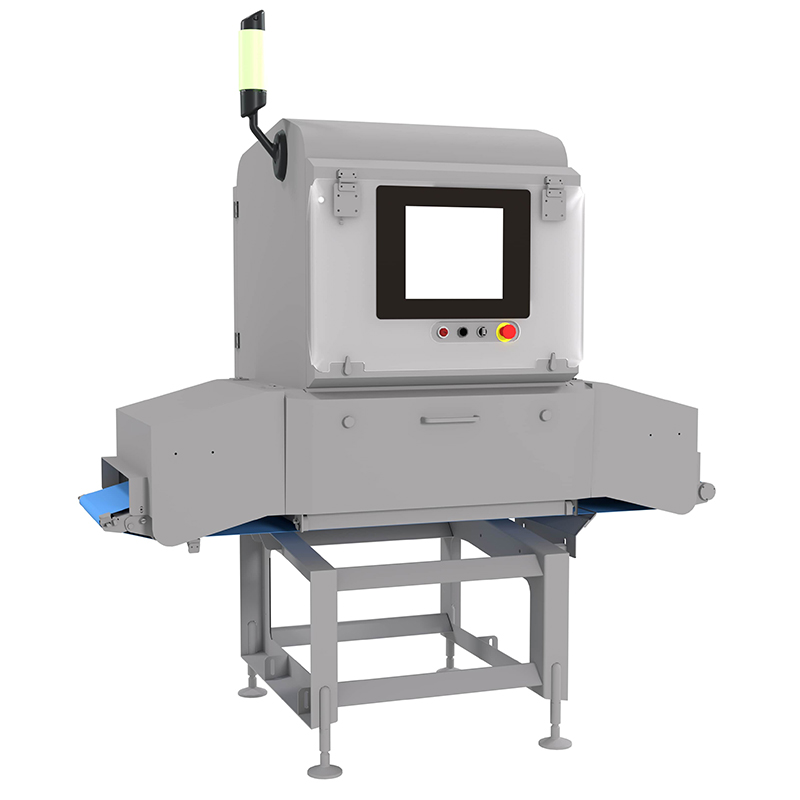
Chicken bone inspection, global poultry AI databas...
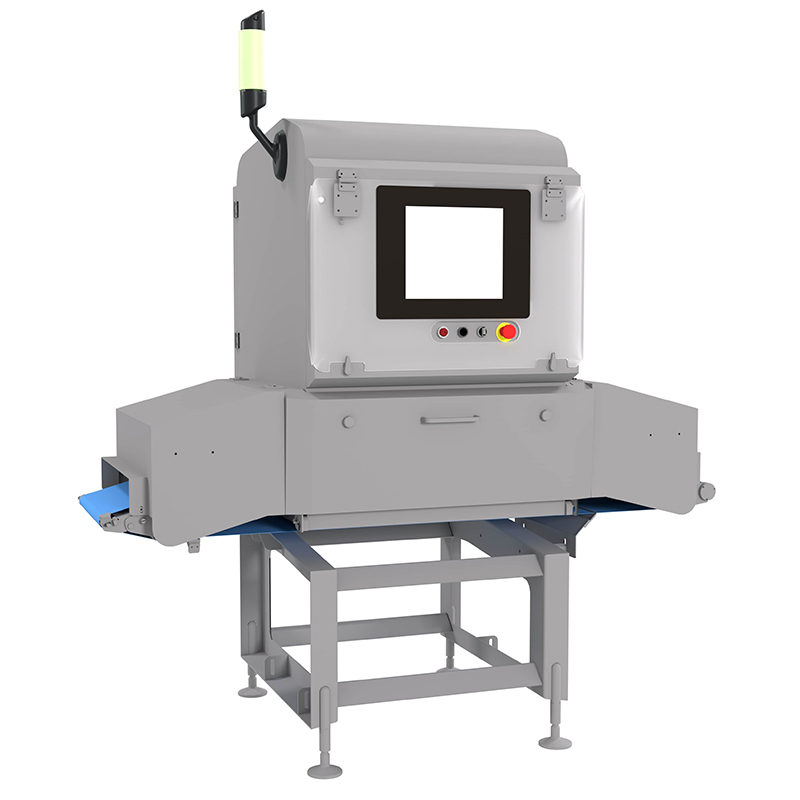
Uneven and overlapped product detection, thin & lo...
Select the most popular foreign trade service products to meet your diverse needs
Select the most popular foreign trade service products to meet your diverse needs









User Comments
Service Experience Sharing from Real Customers
James Wilson
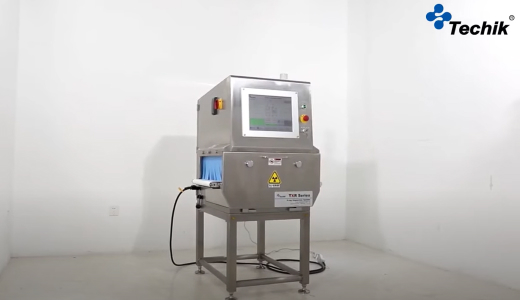
Quality Control ManagerThis mushroom X-ray machine has revolutionized our quality control process. It detects foreign objects with incredible accuracy and has significantly reduced our product recall rate.
Sarah Chen
Production SupervisorOutstanding performance! The machine is easy to operate and maintains consistent detection quality throughout our 24/7 production schedule. A must-have for any mushroom processing facility.
Michael Rodriguez
Food Safety OfficerHighly reliable detection system that helps us maintain strict food safety standards. The image clarity is excellent, though the initial setup required some technical assistance.
Emily Thompson
Operations DirectorWorth every penny! This X-ray machine has improved our product quality and customer satisfaction. The technical support team was very responsive during installation and training.