 English EN
 中国 CN
中国 CN
.png)
Comprehensive Introduction to IP69K Protection Rating — The Gold Standard for Equipment in Meat and Food Processing Environments
Why do IP65/IP67 fail in food plants? Discover the...
More

Leading companies for glass x ray inspection in 2026 include Mettler-Toledo, Eagle Product Inspection, Anritsu, Ishida, and Mekitec. The market reflects this focus, projecting a compound annual growth rate of nearly 7.5% through 2026.
Selecting the right system requires evaluating detection sensitivity, production speed, and software capabilities to ensure product safety and brand integrity.
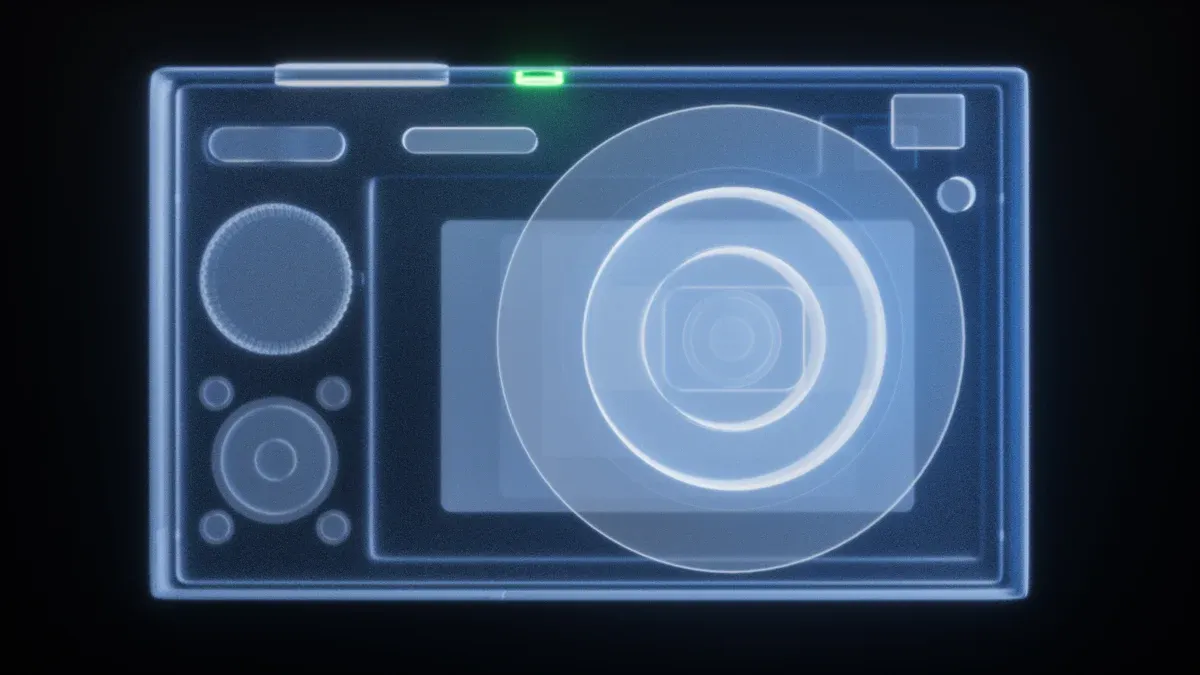
Choosing the right system involves more than just its price tag. Manufacturers must assess specific technical features to guarantee effective contamination detection and seamless production line performance.
Modern glass x ray inspection relies on high-resolution detectors paired with sophisticated software. Advanced deep learning algorithms automatically identify hidden features that older methods miss. This technology provides superior accuracy, overcoming challenges like glass transparency and reflection.
| Algorithm Type | Key Characteristics | Advantages in Detection |
|---|---|---|
| Classical Methods | Edge detection, texture analysis | Faster, more interpretable |
| Advanced Deep Learning | Automatic feature extraction | High accuracy (>90%), robust |
A system must match the facility's production speed. Top-tier machines can inspect a high volume of containers without creating a bottleneck.
Solo systems: up to 2,000 containers per minute (cpm)
Beverage bottlers: 1,800 cpm
Baby food jars: 1,000 cpm
Note: Successful integration requires optimizing product handling. Incorrect spacing between containers or non-uniform bottle shapes can lead to false rejects and reduce overall efficiency.
Intuitive software minimizes downtime and human error. Features like an auto-learn interface and automated product setup allow for rapid changeovers. This software also provides critical data logging and reporting capabilities, generating HACCP-compliant documentation and audit trails essential for regulatory compliance.
The physical construction of a glass x ray inspection system is vital. Machines must feature a hygienic design, often using stainless steel, to withstand rigorous cleaning protocols in food production environments. This prevents bacterial contamination and ensures long-term durability.
The initial purchase is only part of the investment. A comprehensive TCO calculation includes ongoing expenses. These costs cover routine maintenance, potential emergency repairs, necessary spare parts, and periodic software updates that enhance system functionality and security.
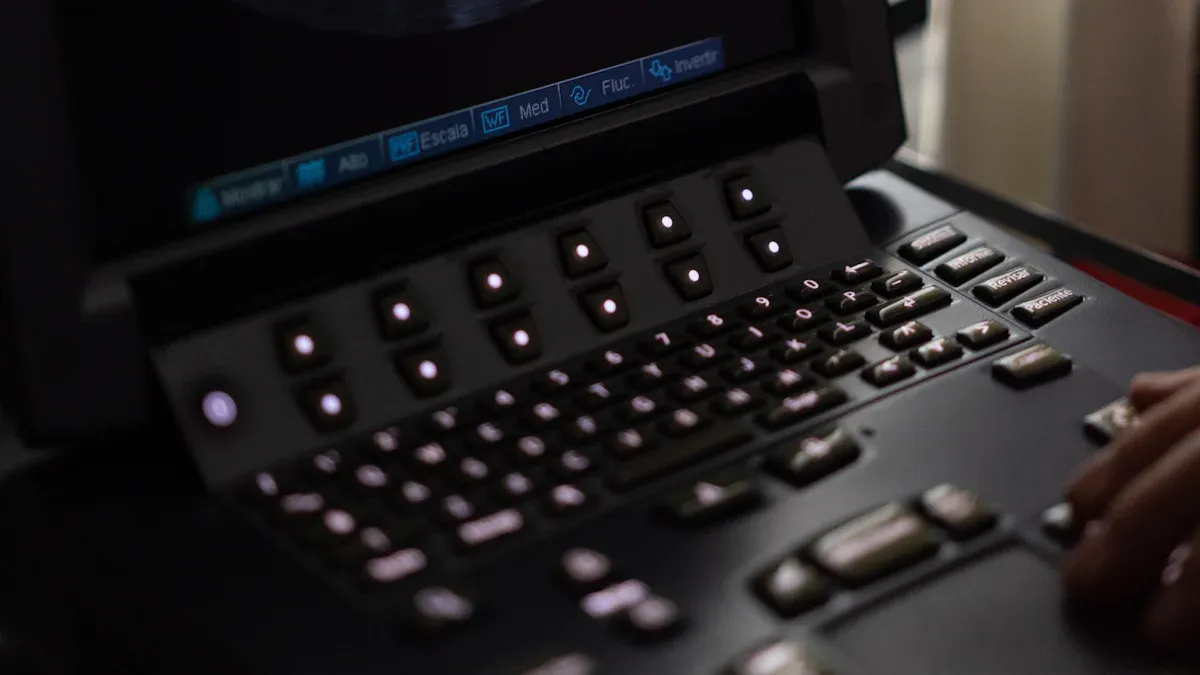
Leading manufacturers offer specialized systems designed to tackle the unique challenges of glass-in-glass detection. Each machine brings a distinct combination of technology, performance, and design to the production floor. Understanding these differences is key to selecting the right equipment.
Mettler-Toledo provides robust solutions tailored for different container types. The X34 series is a versatile single-lane system ideal for a wide range of applications. It combines powerful hardware with intelligent software to deliver reliable detection.
Generator: A 100W 'Optimum Power' generator provides stable imaging.
Detector: Its advanced 0.4 mm detector offers high-resolution contaminant identification.
Software: The ContamPlus™ software automates product setup for quick changeovers.
Ingress Protection: The system comes with an IP65 rating, which is upgradeable to IP69 for harsh washdown environments.
For tall, rigid containers like jars and bottles, the R50G series offers a specialized approach. It is engineered to eliminate blind spots that can hide contaminants.
Angled Single X-ray Beam: This design inspects the base, body, neck, and cap area, overcoming the challenge of thicker glass at the container's bottom.
Jar Fill Level Inspection: The system simultaneously verifies correct product fill levels.
Adjustable Components: The detector and tank adjust to accommodate various product heights.
User-Friendly Interface: A 15-inch multi-language touchscreen simplifies operation and reduces training time.
Eagle's EPX100 is an entry-level system that brings advanced capabilities to a broader market. It focuses on maximizing detection while minimizing false rejects, a critical factor for improving line efficiency. The EPX100 detects physical contaminants like glass, metal, and stone while also performing important quality checks.
The system's primary goals are to improve the probability of detection (POD) and lower the rate of false rejects, protecting both consumers and profits.
The power behind the EPX100 is its fifth-generation SimulTask™ PRO software. This image analysis software provides exceptional detail, allowing the system to find smaller and lower-density contaminants. It offers the highest greyscale values in the industry, up to 65,535, which helps users see subtle contrast differences for superior detection. This advanced software makes the EPX100 a formidable tool for any glass x ray inspection program.
Anritsu's XR75 series is known for its outstanding sensitivity and efficiency. The system exceeds the demands of modern food processing with its superior image processing. For general contaminants, Anritsu HD systems can detect glass fragments within a 1.0mm to 2.0mm range. However, the advanced XR75 DualX model can detect contaminants as small as 0.4mm by using dual high and low energy signals to analyze material differences.
The XR75 delivers these results with a focus on a lower total cost of ownership.
It reduces power consumption by 30% with a low-output X-ray generator.
Lifetime operating costs can be over 20% lower compared to competing systems.
The design ensures superior performance and an extended life cycle.
This combination of high sensitivity and operational efficiency makes the XR75 a leading choice for manufacturers prioritizing both safety and budget.
The Ishida IX-G2 series uses innovative dual-energy technology to master the detection of low-density contaminants. This system is particularly effective in applications where the product and contaminant have similar densities, such as finding bone in poultry. The technology captures images at both high and low energy levels. Comparing these images creates a clear contrast that reveals foreign bodies like glass, bone, rubber, and metal.
This dual-energy analysis significantly reduces false rejects and detection errors. The IX-G2 series also boasts impressive throughput capabilities.
| Application | Throughput Speed |
|---|---|
| Poultry Processing | Over 100 fillets per minute per lane |
| Pumped Liquids | Up to 14 metric tons per hour |
This high-speed performance ensures that the advanced glass x ray inspection does not become a bottleneck in demanding production environments.
Mekitec targets small to medium-sized producers with its MEKI-C system. This machine offers a compact and cost-effective solution without compromising on detection quality. Its streamlined design allows for easy integration into existing production lines where space is limited. The MEKI-C is valued for its user-friendly interface and simple maintenance, making advanced X-ray technology accessible to a wider range of manufacturers. It provides reliable detection of glass, metal, and stone, ensuring food safety for brands of all sizes.
Selecting the right equipment is only half the battle. A manufacturer's success also depends on the vendor's expertise and support. A strong partnership ensures optimal performance, regulatory compliance, and long-term value from the investment.
A product test is the most reliable way to validate a system's capabilities. This process provides concrete proof of detection performance with a manufacturer's specific products and potential contaminants. The procedure typically follows three key steps:
Submit a Test Request: The manufacturer provides the vendor with product specifications, throughput speeds, and desired detection requirements.
Conduct Physical Testing: The vendor runs multiple product samples through the machine, placing contaminants in different locations to simulate real-world scenarios. Technicians perform at least ten passes to ensure data accuracy.
Receive a Final Report: The vendor delivers a detailed report with inspection images, machine settings, and contaminant detection results.
A manufacturer should always test with multiple samples. Be cautious of reports that promise high detection rates without providing data on the number of passes or the False Reject Rate (FRR).
A vendor's commitment extends beyond the initial sale. Leading companies offer robust service networks to maximize uptime and operator proficiency. Comprehensive training programs, like those from Eagle Training Academy, cover machine operation, radiation safety, and system maintenance. These courses empower staff to manage the equipment effectively. Additionally, 24/7 remote technical support provides immediate assistance for troubleshooting, which minimizes production delays and protects revenue.
Modern X-ray systems are fundamental to food safety programs. A vendor should demonstrate how their equipment helps a manufacturer meet Hazard Analysis and Critical Control Points (HACCP) requirements. The X-ray machine often serves as a Critical Control Point (CCP) for identifying physical hazards like glass and metal. This integration is also essential for achieving certification under global standards like the BRCGS. The right partner provides equipment and documentation that strengthen a brand's commitment to product safety and regulatory adherence.
A manufacturer's final choice balances detection requirements, production speed, and budget. Investing in a specialized system from a reputable vendor is the most effective strategy for mitigating contamination risks.
Partnering with companies like Mettler-Toledo, Eagle, Anritsu, Ishida, or Mekitec provides a clear path to enhanced product safety and brand protection.
Glass contaminants and containers have similar densities. Advanced systems use dual-energy technology or angled beams to create the necessary contrast for reliable detection.
Yes. X-ray systems identify various foreign bodies based on density. They effectively detect metal, stone, bone, and some high-density plastics in addition to glass fragments.
Yes. Food inspection X-ray systems use extremely low radiation levels. The process does not affect the food's safety, flavor, or nutritional value, meeting global safety standards.

We provide you with comprehensive foreign trade solutions to help enterprises achieve global development
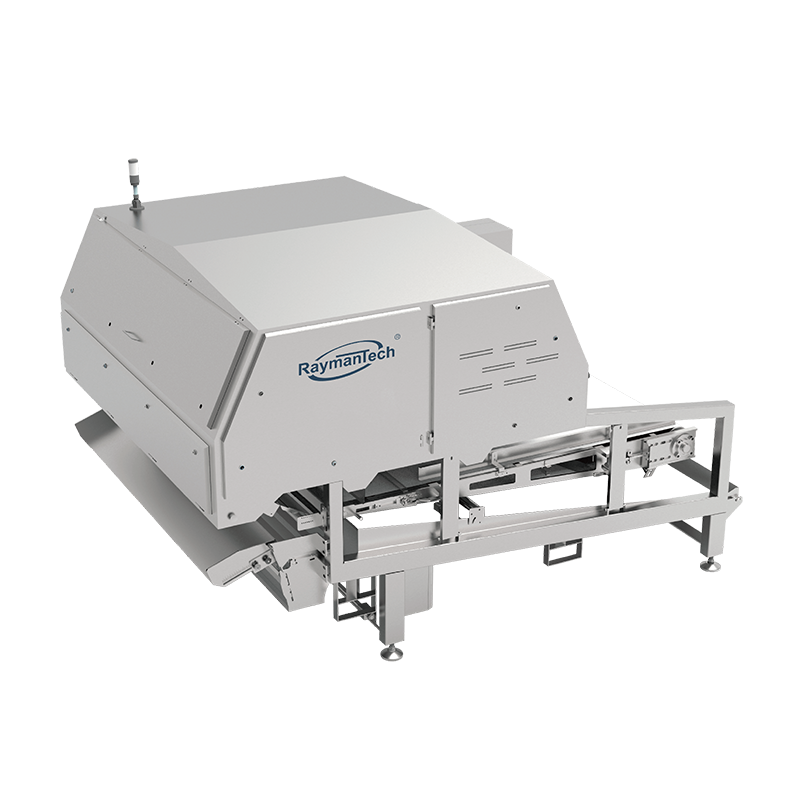
Recommedation: Frozen vegetables such as green be...
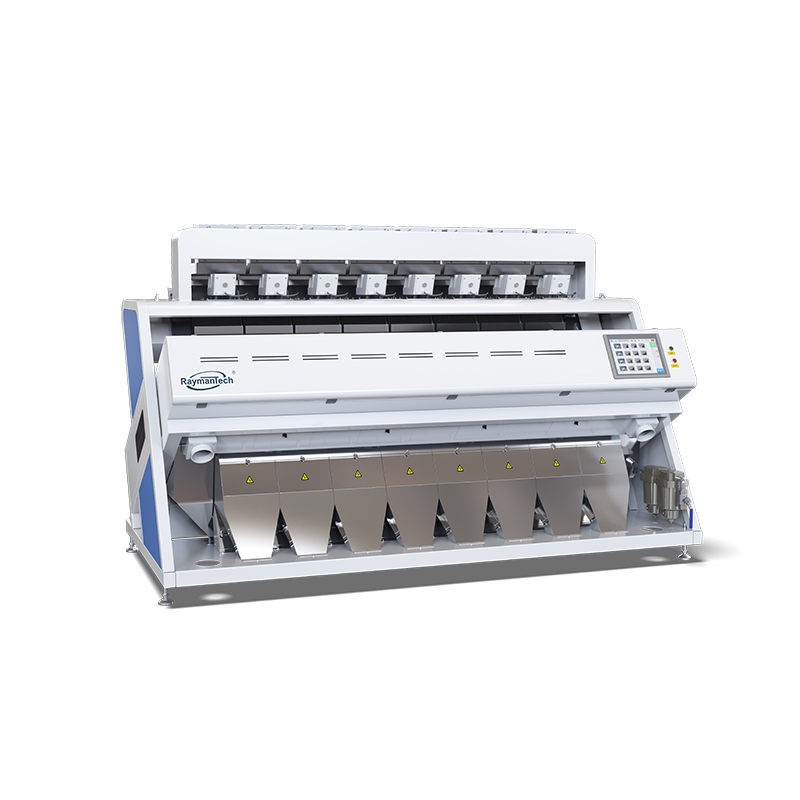
Recommedation: Rice, wheat, corn, grain, pulses, s...
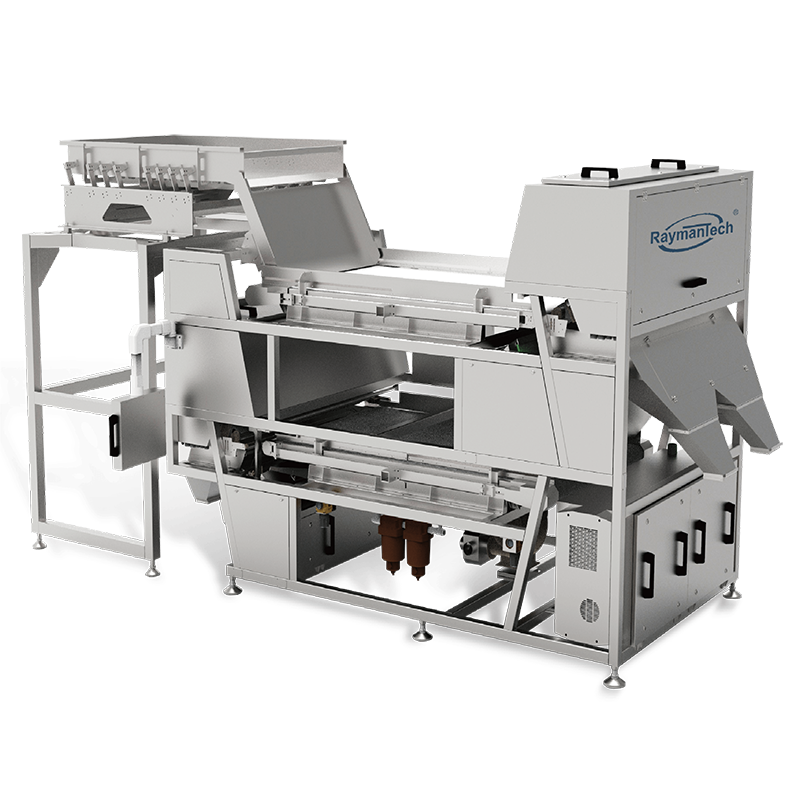
Recommedation: Chili, walnut, peanuts, soybeans, c...
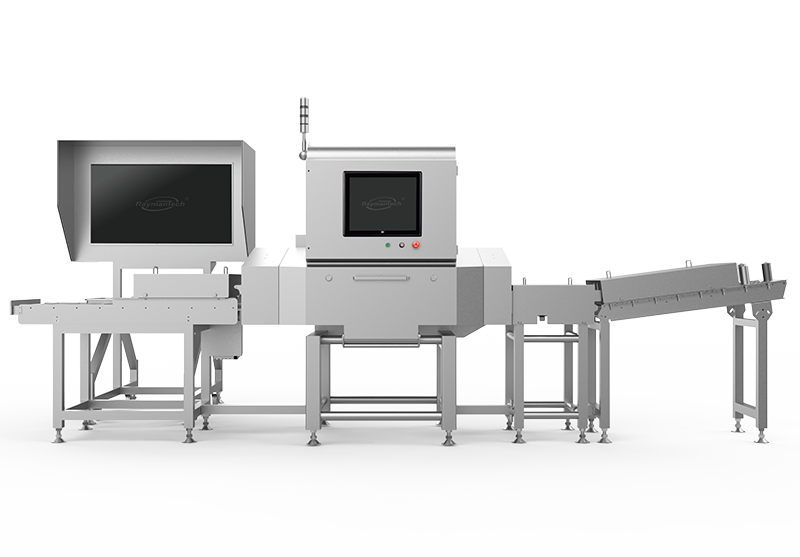
Automatic recognition and rejection, fish bone ins...
Select the most popular foreign trade service products to meet your diverse needs
Select the most popular foreign trade service products to meet your diverse needs







User Comments
Service Experience Sharing from Real Customers
Michael Thompson
Quality Control ManagerThis glass X-ray inspection system has revolutionized our quality control process. The detection accuracy for micro-bubbles and inclusions is exceptional, reducing our defect rate by over 80%. The automated sorting feature saves us countless labor hours.
Sarah Chen
Production SupervisorOutstanding performance in detecting minute defects in pharmaceutical glass containers. The system's sensitivity to micro-cracks and contamination ensures our products meet the highest safety standards. The user interface is intuitive and requires minimal training.
David Rodriguez
Technical DirectorThe X-ray inspection unit provides reliable detection of internal defects in architectural glass panels. While the initial setup required some technical adjustments, the system now operates flawlessly and has significantly improved our product quality consistency.
Jennifer Williams
Laboratory ManagerThis glass X-ray inspection equipment delivers precise analysis of laboratory glassware integrity. The high-resolution imaging allows us to identify stress points and manufacturing flaws that were previously undetectable. Excellent customer support throughout the installation process.