 English EN
 中国 CN
中国 CN
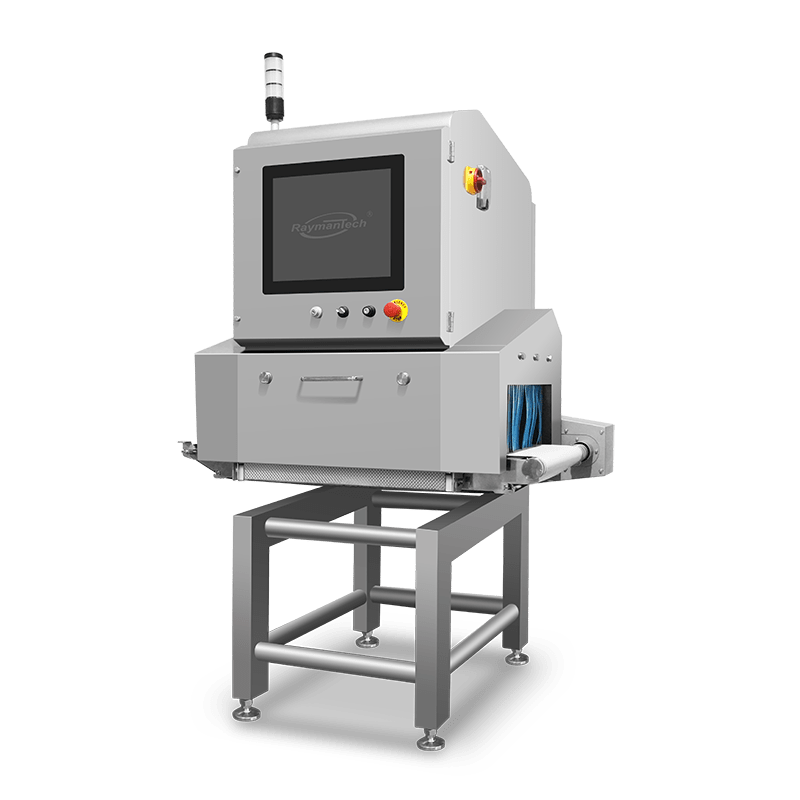
Principle of X-ray Inspection Machines in the Food Industry
X-ray inspection machines have become indispensabl...
More

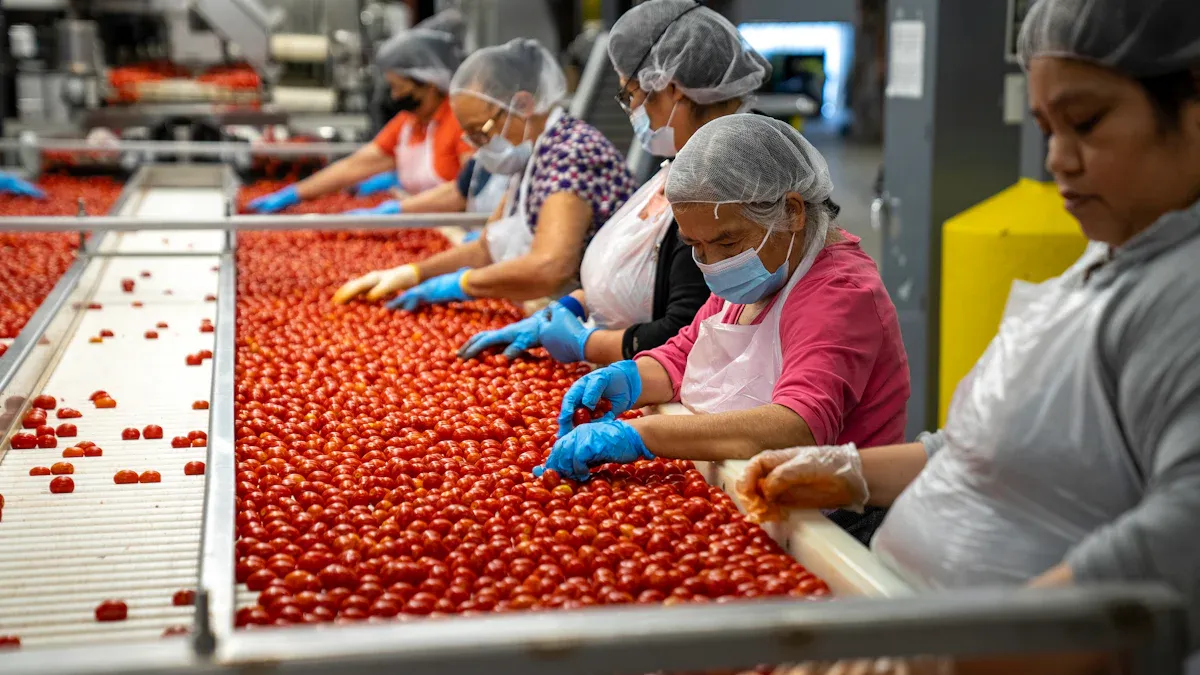
Properly calibrating a food x ray machine industrial involves two critical processes: system normalization and product-specific setup. This dual approach ensures accurate contaminant detection while minimizing false rejections. Following these steps is essential for maintaining food safety, meeting compliance standards like HACCP, and protecting your brand's reputation.
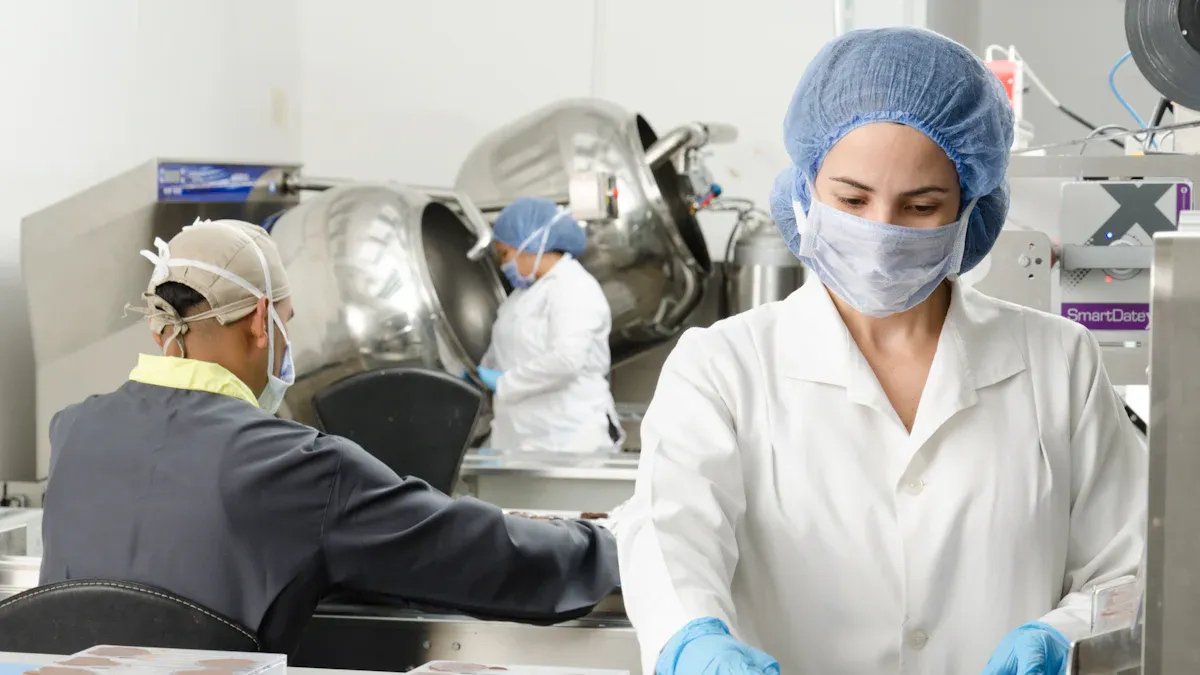
Calibration is a cornerstone of any effective food safety program. It ensures a food x ray machine industrial operates at peak sensitivity. This consistent performance is vital for meeting stringent benchmarks set by Global Food Safety Initiative (GFSI) schemes like BRCGS and SQF. Regular calibration provides the verifiable data and logs necessary for successful audits. It demonstrates a manufacturer's commitment to quality control. Proper calibration also minimizes the high costs associated with false rejects, such as wasted product and unnecessary production downtime. This protects both consumers and the company's bottom line.
Effective calibration involves two distinct but complementary processes: system normalization and product-specific setup. System normalization is a comprehensive annual check, while product-specific setup is a routine task performed for each new product. The table below outlines their key differences.
| Feature | System Normalization | Product-Specific Setup |
|---|---|---|
| Purpose | Maintains HACCP protocols | Optimizes detection for a specific product |
| Frequency | Annually | For every new product |
| Action | Ensures core system function | 'Learns' product to set detection limits |
Determining the right calibration schedule requires a risk-based approach. High-risk products or processes demand more frequent verification than lower-risk ones. A new calibration is always necessary when introducing a new product to the line. This allows the system to learn the product's density and composition for accurate imaging.
Pro Tip: 💡 Many facilities adopt a tiered schedule for verification checks. Critical control points may require checks at the start of every shift, while less critical checks might occur daily or weekly. This layered strategy ensures continuous compliance and operational integrity.
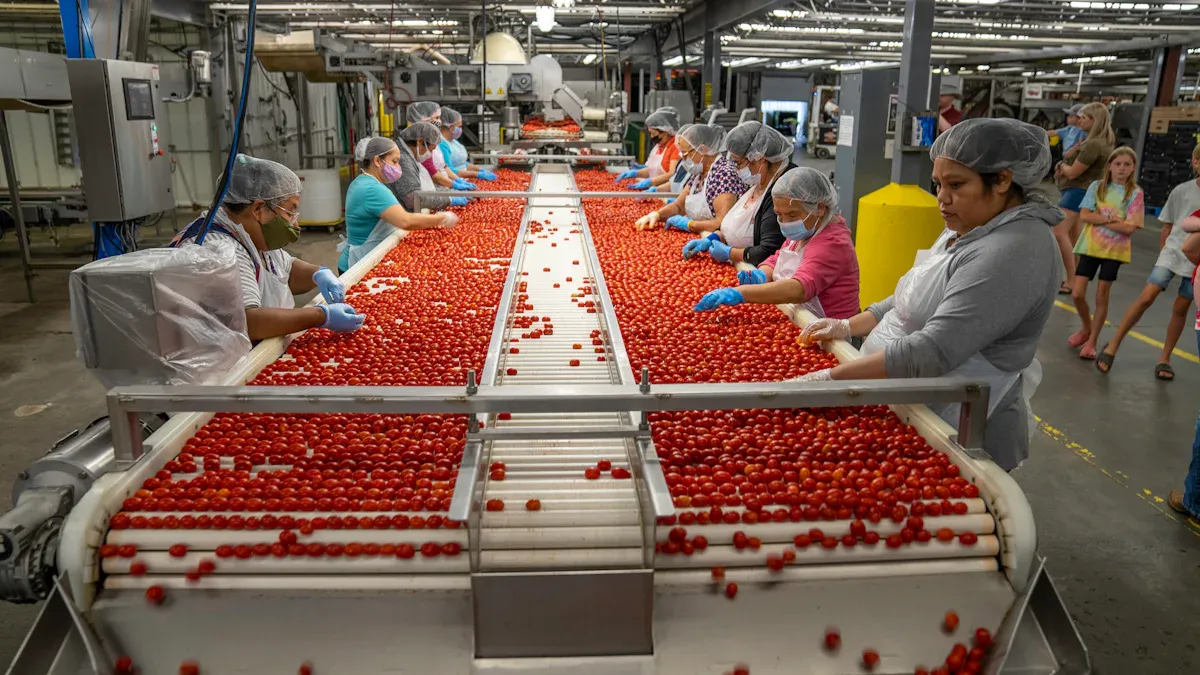
After establishing a foundational understanding and frequency, the next phase involves the practical application of calibration and testing procedures. This hands-on process ensures the system is perfectly tuned for each specific product run, guaranteeing both safety and operational efficiency.
Each new product introduced to the production line requires a unique setup. The food x ray machine industrial must "learn" the density, size, and shape of the product to create a baseline for what is acceptable. Modern imaging software, such as Eagle's SimulTask™ PRO, often includes an "autolearn" function that streamlines this process for faster changeovers.
Operators can follow these general steps to configure the system for a new product:
Initiate Auto-Setup: Access the system's setup menu. Select the function to create a new product profile.
Pass Product Samples: Send several "good" or uncontaminated product samples through the machine. The system analyzes these samples to learn their characteristics and establish an acceptable density profile.
Set Detection Sensitivity: Configure the sensitivity settings based on the product's specific attributes. Factors like packaging, size, and composition influence this setting. For example, products in metallic packaging require different parameters than those in plastic.
Establish Tolerances: The system uses the sample data to set acceptable tolerances for factors like weight or mass. Any future product that falls outside this range will be rejected.
Save and Secure the Profile: Save the new product profile with a clear, identifiable name.
Security Note: 🔒 Access to sensitivity adjustment controls should be restricted. Only nominated, fully-trained staff should have the ability to alter these critical settings. Companies achieve this by using password protection or physical locks on the control panel.
Once a product profile is established, operators must verify that the system can successfully detect contaminants. This is done using certified test pieces, which are small, precisely sized spheres made of common contaminant materials.
Ferrous (Red): Magnetic metals like iron and steel.
Non-Ferrous (Green): Non-magnetic metals like aluminum and copper.
Stainless Steel 316 (Blue): A common, hard-to-detect metal in food processing.
The verification process simulates a real-world contamination event. It provides tangible proof that the food x ray machine industrial is performing correctly.
Prepare a Test Sample: Create a standard sample of the product currently running on the line.
Insert the Test Piece: Carefully place a test piece into the product sample. The test piece should be positioned in the least sensitive location, which is typically the geometric center of the product and the aperture. This challenges the system to perform at its highest capability.
Run the Test Sample: Place the prepared sample onto the production line among regular products.
Confirm Rejection: Run the test sample through the machine at normal production speed. The system must successfully identify the test piece and activate the rejection mechanism, removing the sample from the line.
Repeat as Needed: Quality assurance protocols often require running tests at the beginning, middle, and end of a production batch to ensure consistent performance.
Thorough documentation is not optional; it is a fundamental requirement for HACCP, GFSI, and other regulatory standards. Every calibration and verification test must be meticulously recorded. These logs provide the verifiable evidence needed to pass audits and demonstrate a commitment to food safety.
A comprehensive test log for a food x ray machine industrial should always include the following information:
Accurate time and date of the test
Equipment identification (e.g., serial number or internal ID)
Product identification (name, batch code, lot number)
Test piece details (type and size)
Test outcome (pass/fail)
Signature or initials of the operator who performed the test
Details of any corrective actions taken if a test failed
Companies must retain these calibration and verification records for a specific period to meet regulatory requirements. Industry standards, particularly those related to radiation-emitting devices, typically mandate that these records be kept for a minimum of three years from the date they are made.
A multi-layered calibration strategy is non-negotiable for food safety and quality assurance. Manufacturers guarantee optimal performance by combining annual system checks with routine product-specific setups and verification tests. This comprehensive approach is the most effective way to protect consumers and reduce product waste.
A well-documented program also safeguards a brand's reputation. It demonstrates a commitment to consistent, high-quality output that builds trust with both retailers and consumers.
Calibration establishes the machine's baseline settings for a product. Verification uses test pieces to confirm the system can successfully detect contaminants during production.
Testing frequency depends on a risk assessment. High-risk lines may require checks at the start of each shift, while others might need daily or weekly verification.
A failed test requires immediate corrective action. Operators must stop the line, hold all products since the last good test, and troubleshoot the system.

We provide you with comprehensive foreign trade solutions to help enterprises achieve global development
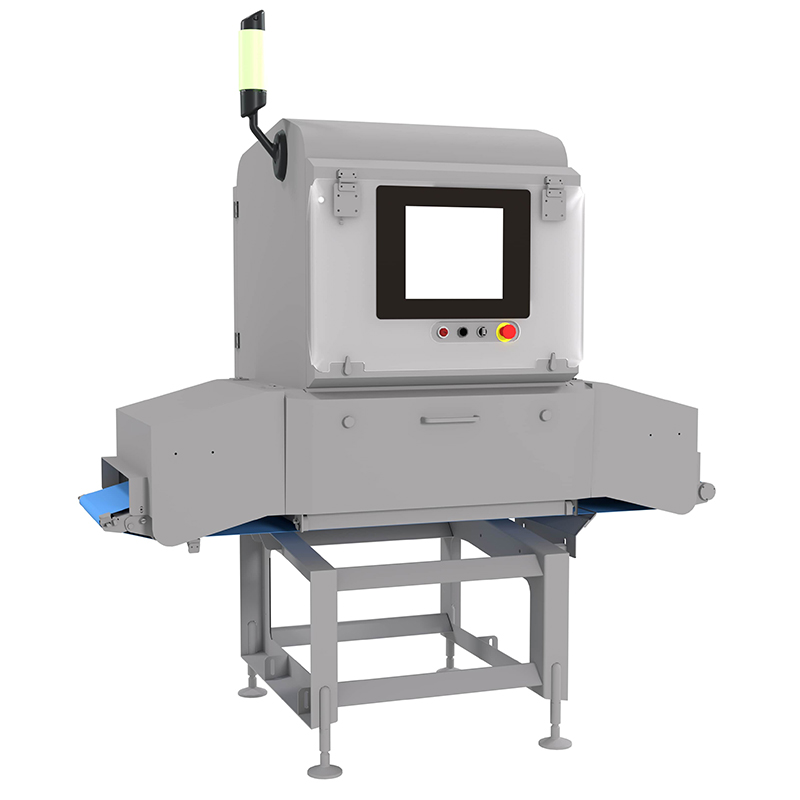
Chicken bone inspection, global poultry AI databas...
.png)
Recommedation: Aquatic products, pet food, candy, ...
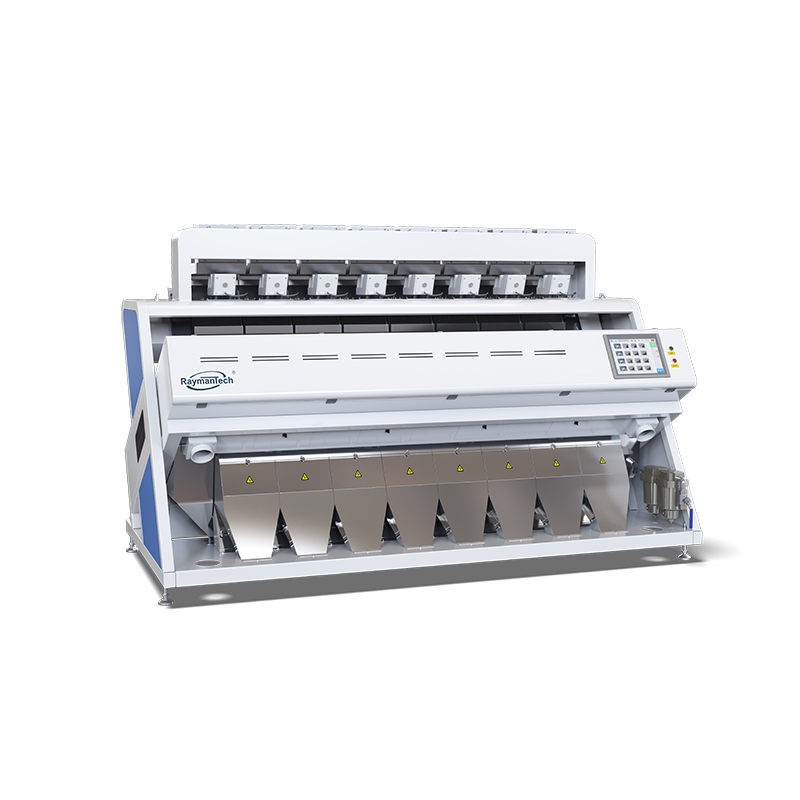
Recommedation: Rice, wheat, corn, grain, pulses, s...
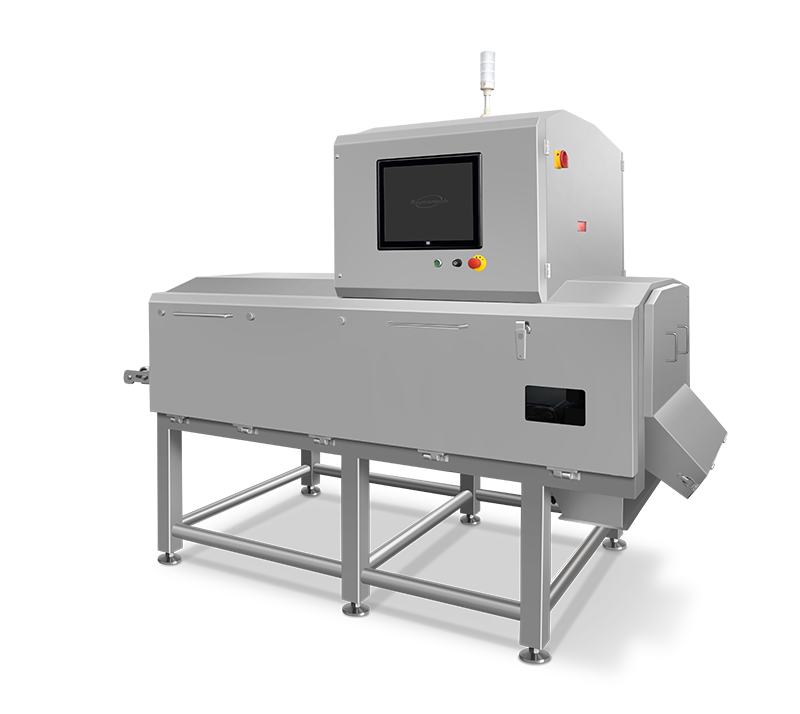
Conventional and unconventional contaminant detect...
Select the most popular foreign trade service products to meet your diverse needs
Select the most popular foreign trade service products to meet your diverse needs







User Comments
Service Experience Sharing from Real Customers
Michael Rodriguez
Quality Control ManagerThis industrial food X-ray machine has revolutionized our contamination detection process. The sensitivity is exceptional, catching even the smallest metal fragments we previously missed. Downtime has been reduced by 40% since installation.
Sarah Chen
Production SupervisorOutstanding performance in detecting glass, stone, and plastic contaminants in our packaged goods. The automated rejection system integrates perfectly with our production line. Training was straightforward and the interface is user-friendly.
David Thompson
Plant ManagerReliable machine that consistently identifies metal and bone fragments in our meat products. The image clarity is impressive and has helped us maintain our food safety certifications. Minor software glitches initially, but excellent technical support resolved them quickly.
Jennifer Wallace
Food Safety DirectorThis X-ray system has been crucial for our HACCP compliance. It detects various contaminants including rubber and certain plastics with high accuracy. The data logging feature provides excellent traceability for audits. Worth every penny for peace of mind.