 English EN
 中国 CN
中国 CN

Revolutionizing Needle Detection in the Meat Industry: Overcoming Hidden Risks with AI-Powered X-Ray Technology
As global demand for premium, safe meat products ...
More

Selecting the best dried garlic sorter in 2026 requires a clear focus on matching machine features to garlic type, throughput, and budget. Buyers must prioritize sorting accuracy, machine durability, and reliable after-sales support.
A systematic approach helps avoid costly mistakes and maximizes return on investment.
Every dried garlic sorter must handle the specific characteristics of the garlic being processed. Garlic slices vary in size, thickness, and moisture content. Operators should measure the average dimensions and note any irregular shapes. Moisture content plays a critical role in sorting efficiency. If water content exceeds 6%, the garlic requires additional baking to meet processing standards. Consistent slice thickness and shape help the sorter achieve higher accuracy and reduce waste.
Tip: Regularly test moisture levels before sorting. This step prevents machine jams and ensures uniform product quality.
Sorting goals determine the performance requirements for any dried garlic sorter. Most facilities aim to separate garlic by size, remove defects, and maintain high product quality. The following table outlines industry standards for sorting criteria:
| Sorting Criteria | Description |
|---|---|
| Size | Garlic slices should be large and complete, uniform in thickness. |
| Quality | Slices must be slightly yellow, flat, and without any peculiar smell. |
| Defect Removal | Remove broken particles, yellow-brown slices, and any impurities. |
| Water Content | Must be tested; if it exceeds 6%, the garlic needs to be baked again. |
Operators often perform a second inspection after peeling. Employees or optical sorters check for remaining skin, discolored spots, and imperfections. Only the best-looking cloves move forward in the process.
Selecting between batch and continuous processing affects the overall efficiency of the dried garlic sorter. Batch processing offers flexibility and customization. Facilities with fluctuating production volumes benefit from smoother transitions between different recipes. However, batch systems operate at slower production rates.
Continuous processing delivers greater throughput and improved consistency. High-volume operations see higher ROI with continuous systems. These machines require higher initial investment and offer less flexibility for production adjustments.
Batch Processing Advantages:
Flexibility and customization
Suitable for fluctuating production volumes
Smoother transitions between recipes
Batch Processing Disadvantages:
Slower production rates
Continuous Processing Advantages:
Greater throughput
Improved consistency
Higher ROI in high-volume scenarios
Continuous Processing Disadvantages:
Higher initial costs
Inflexibility in production adjustments
Facilities should match their processing method to their production goals and available resources. The right choice ensures the dried garlic sorter delivers optimal performance and value.
Operators must first determine the average daily and seasonal volumes of garlic that require sorting. Accurate estimates help facilities avoid underutilization or bottlenecks. They should track historical production data and anticipate peak harvest periods. This approach ensures the dried garlic sorter operates efficiently throughout the year.
Selecting the right machine capacity prevents delays and maximizes productivity. Facilities should compare their daily usage with machine specifications. The following table provides a reference for matching output to machine capacity:
| Daily Usage (kg) | Required Machine Capacity (kg/hr) | Time to Complete Peeling (hrs) |
|---|---|---|
| 15-20 | 10-12 | 1.5-2 |
| 20 | 10 | 2 |
A facility processing 20 kg per day should choose a machine with at least 10 kg/hr capacity. This selection allows for timely completion and reduces labor costs.
Growth planning protects investments and supports long-term success. Facilities should consider modular designs that allow for easy capacity expansion. They can start with core integration, such as bulb separation and basic sorting, then add advanced features as volume increases. Anticipating growth by 30-40% helps avoid future constraints. Operators should also evaluate factors like climatic conditions, soil quality, and storage management. These elements influence garlic yield and processing needs over time.
Tip: Modular systems let facilities scale up without replacing the entire dried garlic sorter line.
Manufacturers offer two primary sorting technologies for garlic: optical and mechanical. Each method brings unique advantages to processing lines.
Optical sorting uses cameras, sensors, and advanced image processing. These systems detect color, size, and surface defects with high precision. Operators benefit from rapid, non-contact sorting that minimizes product damage. Optical sorters often include AI-driven algorithms that automatically calibrate settings based on garlic characteristics. In 2026, many models will feature robotics and IoT connectivity, enabling real-time data analytics and predictive maintenance.
Mechanical sorting relies on physical attributes such as size and weight. Rollers, sieves, and vibrating screens separate garlic slices or cloves. Mechanical systems offer simplicity and lower upfront costs. However, they may struggle with irregular shapes or subtle defects. Some machines now integrate robotic gripping systems with adaptive sensors to reduce mechanical damage.
Note: Optical sorters excel in high-volume operations where accuracy and speed are critical. Mechanical sorters suit smaller facilities with limited budgets or less stringent quality requirements.
Sorting accuracy directly impacts product quality and profitability. Leading dried garlic sorter machines achieve impressive precision rates, ensuring minimal waste and consistent output.
Sorting accuracy for top-tier machines reaches 99.99%.
High Precision 3t/h Garlic Grading Machines deliver sorting accuracy of ≥99.99%.
WENYAO Peeled Garlic Vegetable Sorting Machines also report accuracy rates of ≥99.99%.
Advanced 448 Channels Vegetable Olive Fruit Sorting Machines maintain accuracy at ≥99.98%.
These high precision rates result from the integration of robotics, automation, and AI-driven calibration. Facilities that prioritize quality control should select machines with proven error rates below 0.02%. Consistent sorting reduces labor costs and enhances customer satisfaction.
Tip: Always request documented accuracy rates and error statistics from suppliers before purchasing.
Processing facilities often handle different garlic varieties and changing production requirements. The ability to adjust and customize sorting machines ensures long-term flexibility and efficiency.
| Feature | Description |
|---|---|
| Adjustability | Operators can modify the splitting room space with top screws and springs, accommodating various garlic types. |
| Protection | Silicone mills inside the machine protect garlic cloves from mechanical damage. |
| Customization | Grading sizes can be tailored to specific processing needs, making the machine suitable for diverse materials. |
| Sorting Solutions | Manufacturers provide tailored sorting solutions based on the raw material, ensuring adaptability. |
Modern dried garlic sorter models allow quick adjustments for size, shape, and moisture content. Some systems offer automatic calibration, reducing downtime and human error. Customizable grading options help facilities meet market demands and maintain product standards.
Note: Choose machines with user-friendly adjustment mechanisms and support for custom sorting programs. This flexibility supports future expansion and changing business needs.
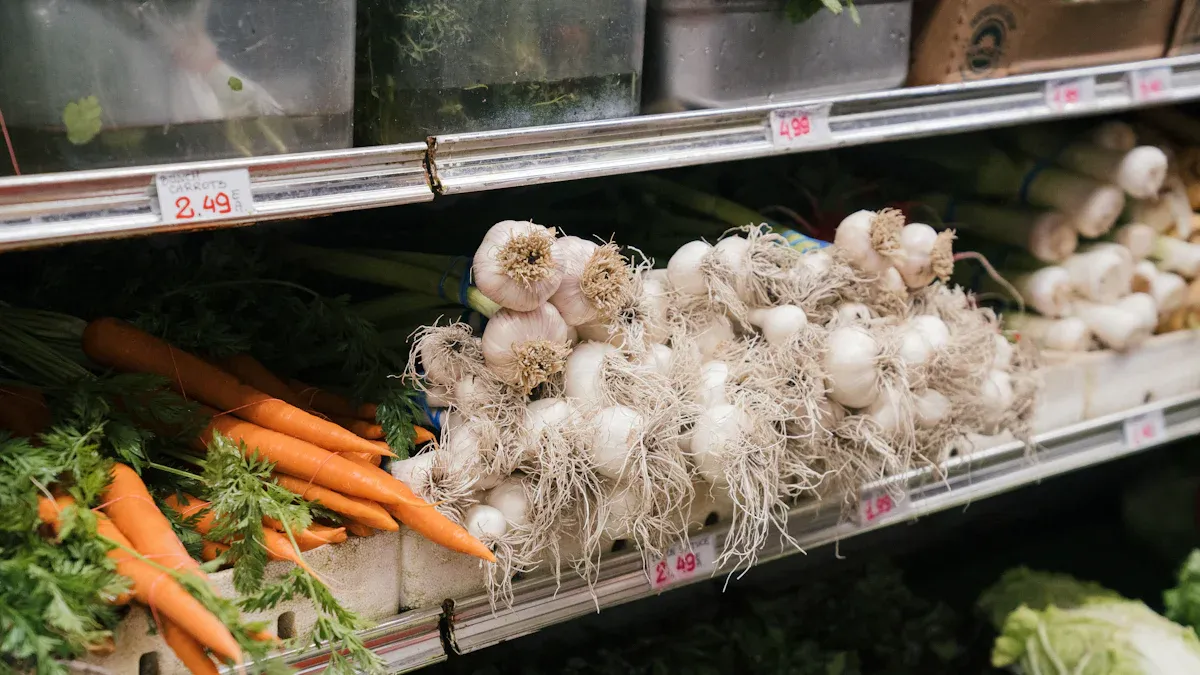
Manufacturers design high-quality dried garlic sorters with robust materials. Stainless steel construction resists corrosion and stands up to daily wear. Operators should inspect welds, hinges, and moving parts for solid craftsmanship. Machines with food-grade surfaces prevent contamination and simplify cleaning. Facilities that process large volumes benefit from reinforced frames and heavy-duty components. These features extend machine life and reduce unexpected breakdowns.
Routine maintenance keeps a dried garlic sorter running efficiently. Operators must follow a regular schedule to avoid costly downtime. The most common maintenance tasks include checking filter elements and cleaning ash removing brushes each month. Technicians inspect fluorescent lamps every quarter. Lubrication oil changes occur every six months. After each operation, staff clean the feeder and the machine’s interior. During operation, they monitor signal indicators and spray valves for proper function.
| Maintenance Task | Frequency |
|---|---|
| Check filter element | Monthly |
| Cleanliness of ash removing brush | Monthly |
| Check fluorescent lamp | Quarterly |
| Check or replace lubrication oil | Every six months |
| Clean feeder and interior of the machine | After operation |
| Inspect signal indication and spray valve | During operation |
Tip: A clear maintenance log helps operators track completed tasks and identify recurring issues.
Reliable after-sales support ensures long-term performance. Suppliers should offer easy access to spare parts and technical assistance. Facilities that choose brands with local service centers experience faster repairs. Comprehensive warranties protect against manufacturing defects. Training programs for staff improve troubleshooting skills and reduce repair times. Strong supplier relationships help facilities maintain consistent production and minimize downtime.
Buyers should evaluate both the initial purchase price and ongoing expenses when selecting a sorting machine. The upfront cost varies widely by manufacturer and model. For example, a basic unit from Guangzhou Sanhok costs $1,998 per set, while a high-end integrated sorter from Trueli reaches $50,000 per set. Other brands, such as Gelgoog, Henan Vibrate, and Longkou Fushi, offer specialized sorters with prices available upon request.
| Manufacturer | Model | Cost |
|---|---|---|
| Guangzhou Sanhok | Basic Unit | $1,998/set |
| Trueli | High-end Integrated Sorter | $50,000/set |
| Gelgoog | Specialized Sorter | N/A |
| Henan Vibrate | Specialized Sorter | N/A |
| Longkou Fushi | Specialized Sorter | N/A |
Operating costs include electricity, routine maintenance, and replacement parts. Facilities should also consider labor for daily operation and cleaning.
Many buyers overlook hidden costs that impact the total investment. These expenses often arise during setup and early operation. The most common hidden costs include:
| Hidden Costs |
|---|
| Installation |
| Training |
| Essential Accessories |
Note: Unplanned downtime during installation or staff training can delay production and reduce profitability.
A facility can maximize savings by choosing a reliable dried garlic sorter that minimizes waste and labor. High-precision machines reduce product loss and improve output quality. When calculating return on investment, managers should compare the total cost of ownership with projected labor savings, reduced waste, and increased throughput. A well-chosen machine pays for itself faster and supports long-term business growth.
A thorough supplier evaluation helps buyers avoid costly mistakes. Leading companies in the dried garlic sorter industry demonstrate strong reputations and proven experience. Buyers should check for food safety certifications, production capacity, and quality assurance practices. The following table outlines essential criteria:
| Criteria | Description |
|---|---|
| Certifications and Compliance | Verify suppliers have food safety certifications like HACCP, ISO 22000, and FDA registration. |
| Production Capacity and Scalability | Assess if the supplier can meet current and future demands, with facilities over 10,000 m². |
| Quality Assurance and Testing | Check for third-party lab reports, onsite audits, and sample testing for quality verification. |
A supplier with these qualifications can support consistent, large-scale operations and deliver reliable equipment.
Experienced suppliers provide references and case studies to showcase their track record. Buyers should request contact information for previous clients. Speaking with other facilities reveals real-world machine performance and service quality. Case studies highlight successful installations and demonstrate the supplier’s ability to solve unique challenges. This step builds confidence in the supplier’s expertise and reliability.
Tip: Ask for case studies that match your production scale and garlic type for the most relevant insights.
Warranty terms and after-sales support protect a facility’s investment. Industry standards include one- or two-year warranties and ongoing technical support. The table below summarizes typical offerings:
| Warranty Period | After-Sales Service |
|---|---|
| 1 year | Prompt technical support |
| 2 years | Lifetime technical support |
Buyers should confirm the warranty covers both parts and labor. Reliable after-sales service ensures quick repairs and minimizes downtime for the dried garlic sorter.
A systematic approach ensures buyers select the best dried garlic sorter for their needs. They should follow these steps:
Document garlic’s physical profile over multiple seasons.
Calculate throughput capacity based on peak harvests.
Prioritize sorting accuracy for consistent results.
Matching machine specifications to operational needs improves efficiency and product quality:
| Machine Type | Pros | Cons |
|---|---|---|
| Rotary Drum Type | High throughput, consistent results | Higher initial cost, potential clove damage |
| Air Pressure/Vacuum Peeling Type | Gentle on cloves, excellent peel yield | Expensive, slower than rotary models |
Buyers should avoid common pitfalls:
Ignoring clove curing status
Overlooking transport logistics
Assuming organic certification means compatibility
Skipping operator training
Thorough supplier vetting and a checklist-driven decision process help buyers make confident, informed purchases.
Most high-quality dried garlic sorter machines last 8–12 years. Regular maintenance and timely part replacement extend operational life and ensure consistent performance.
Yes. Modern sorters offer adjustable settings and custom grading programs. Operators can process multiple garlic varieties by changing calibration and sorting parameters.
Operators should follow the manufacturer’s maintenance schedule. Most recommend monthly inspections, quarterly lamp checks, and lubrication every six months for optimal performance.

We provide you with comprehensive foreign trade solutions to help enterprises achieve global development
.png)
Recommedation: Aquatic products, pet food, candy, ...
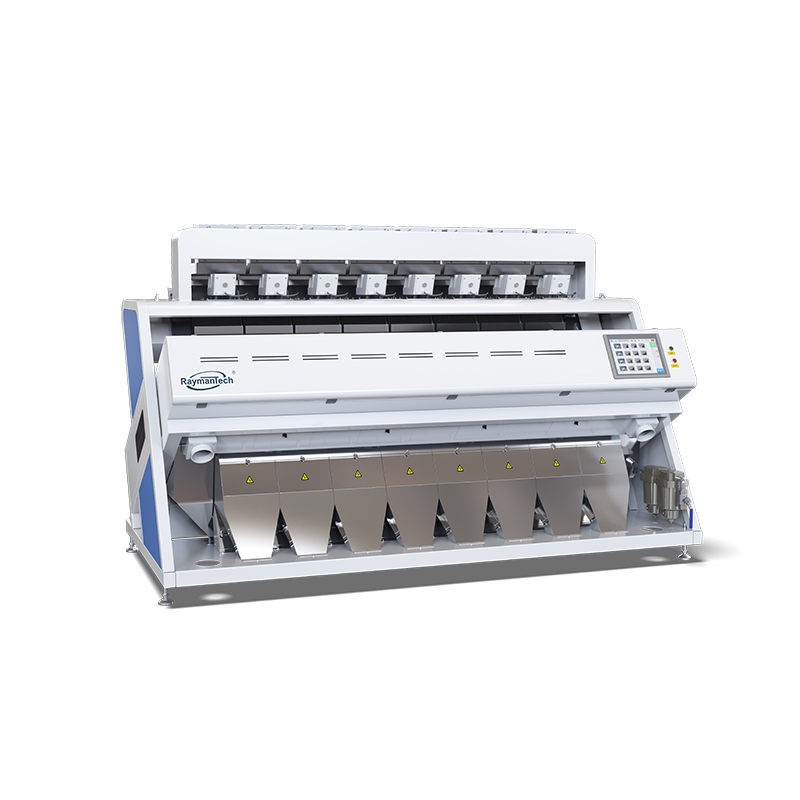
Recommedation: Rice, wheat, corn, grain, pulses, s...
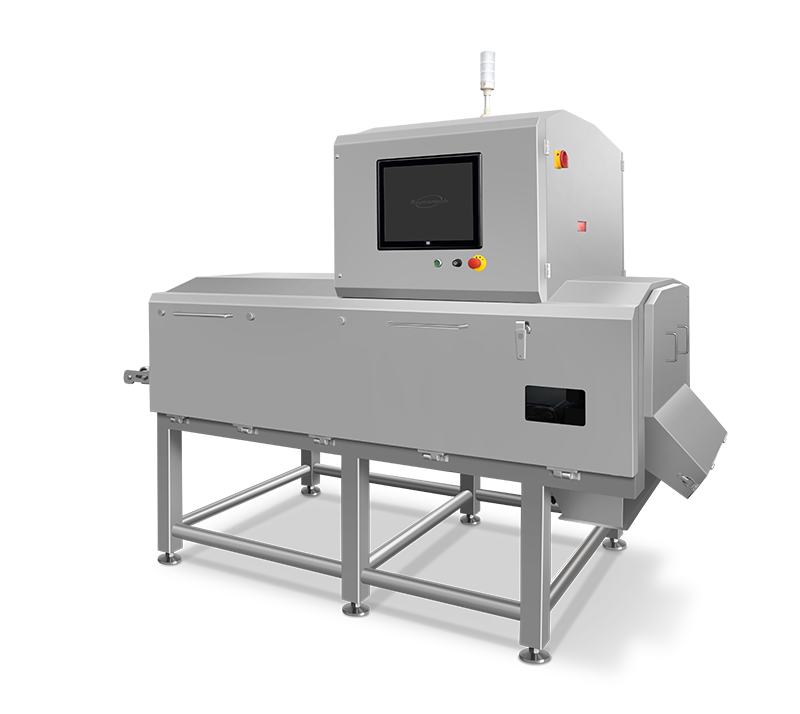
Conventional and unconventional contaminant detect...
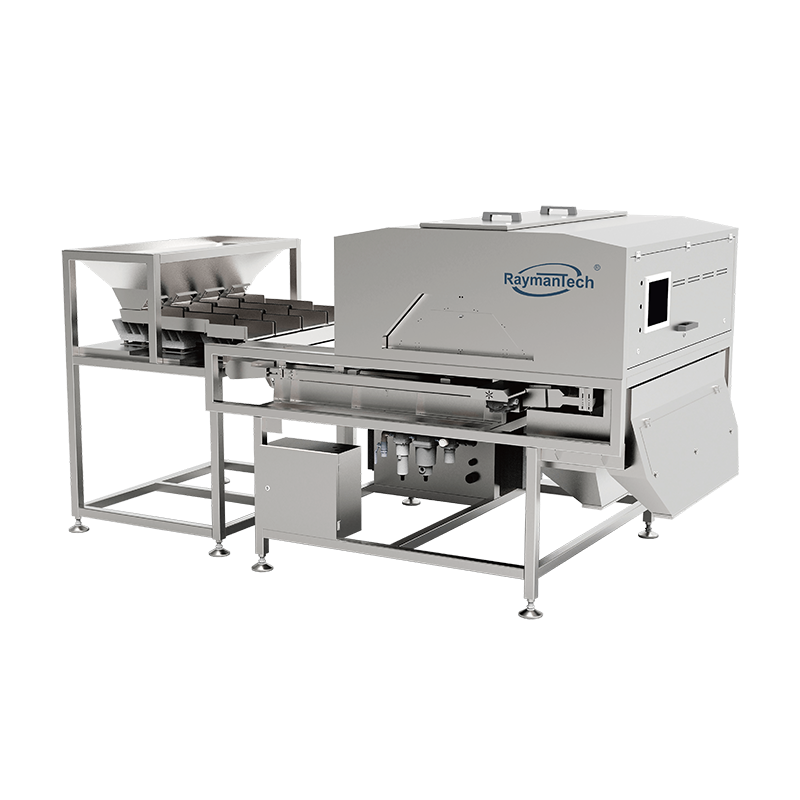
Recommedation: Small particle, flat products such...
Select the most popular foreign trade service products to meet your diverse needs
Select the most popular foreign trade service products to meet your diverse needs










User Comments
Service Experience Sharing from Real Customers
Michael Rodriguez
Production Line ManagerThis dried garlic sorter has revolutionized our processing line. The accuracy in sorting by size and color is exceptional, drastically reducing our waste and manual labor. A game-changer for our operation.
Sarah Chen
Quality Assurance SupervisorVery reliable machine. It consistently separates defective cloves with high precision, ensuring our final product quality meets strict standards. The user interface is intuitive. Minor noise during operation, but overall excellent performance.
David Wilson
Farm Operations OwnerAs a medium-scale garlic farmer, this sorter has been a fantastic investment. It's durable, easy to maintain, and allows us to add value to our dried crop by offering uniformly sorted garlic to buyers. Highly recommended for agricultural businesses.
Lisa Thompson
Procurement SpecialistWe purchased this for our snack manufacturing plant. The sorter integrates perfectly with our packaging line, ensuring only perfect dried garlic pieces proceed. It's efficient, robust, and the after-sales support was top-notch.