 English EN
 中国 CN
中国 CN
.png)
Overcoming Challenges in Large Package: Rayman Tech's AI X-ray Solutions for Meat Processing
Our AI X-ray Inspection System, tailored for high ...
More

Butter x-ray machine technology in 2026 enables producers to detect foreign materials in butter quickly. Accurate contaminant identification protects consumers from health risks.
Producers gain immediate feedback on product safety.
Quality assurance teams respond to issues before butter leaves the facility.
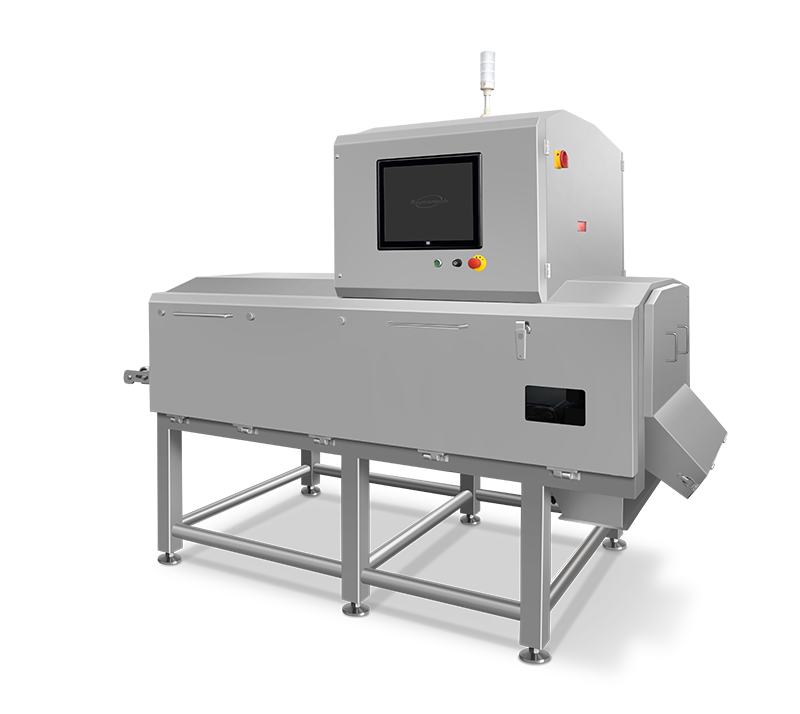
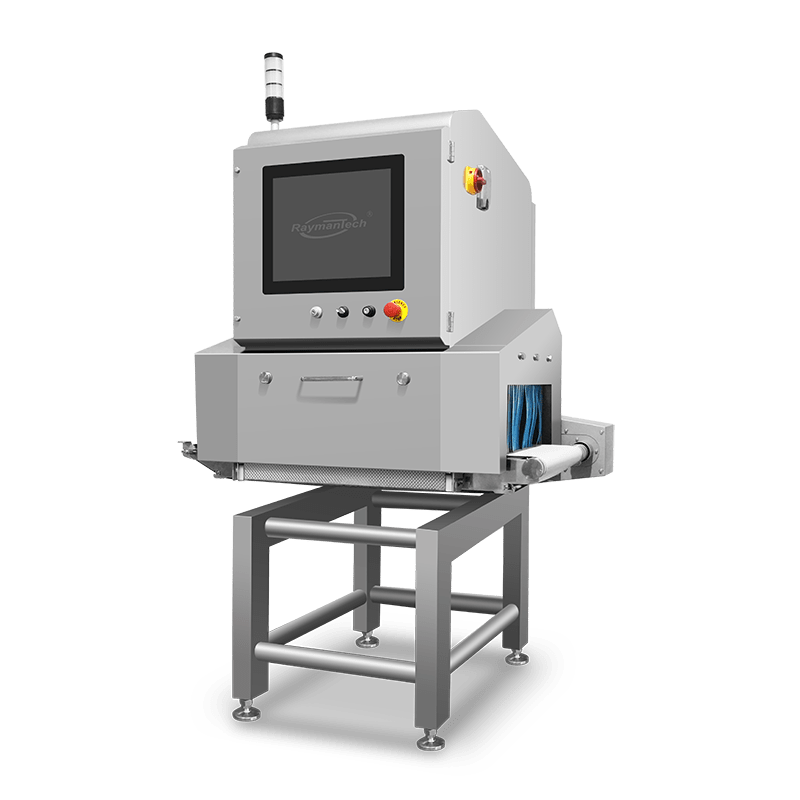
Butter x-ray machine technology in 2026 uses advanced imaging to scan butter products for foreign materials. Operators place butter packages on a conveyor system, where the machine emits low-dose x-rays. These rays pass through the butter and create digital images based on density differences. The system identifies anomalies by comparing the density of the scanned product to expected values. Denser materials, such as metal or glass, appear as distinct shapes on the image. The machine then flags any irregularities for further inspection or automatic rejection.
Butter x-ray machines outperform traditional metal detectors. They detect a wider range of contaminants, including glass, stone, and high-density plastics. Metal detectors often produce false readings with salty or moist products, increasing the risk of undetected contaminants. Butter x-ray machines also verify mass and fill levels, adding another layer of quality control.
Butter production can introduce various physical contaminants. These materials may enter the product during processing, packaging, or handling. The following table summarizes common contaminant types detected by butter x-ray machines:
| Contaminant Type | Description |
|---|---|
| Metals | Various types of metals that may contaminate butter products. |
| Stones | Natural stones that could be present in the product. |
| Glass | Fragments of glass that may accidentally mix with butter. |
| Denser Materials | Any material denser than butter that could be a contaminant. |
Butter x-ray machines also identify:
Metals
Glass
Ceramics
Hard plastics
Other foreign materials
These contaminants pose significant risks to consumer health and product integrity.
Contaminant detection in butter is essential for protecting public health. Undetected physical contaminants can cause injury or illness. Chemical and biological hazards also threaten consumer safety. Butter x-ray machines help producers comply with strict regulatory standards. The FDA enforces new food traceability rules starting January 20, 2026, requiring thorough recordkeeping and contaminant control. EU regulations set maximum allowable levels for contaminants, demanding rigorous agricultural and manufacturing practices.
Health risks associated with contaminated butter include:
Polycyclic aromatic hydrocarbons (PAHs) with carcinogenic properties
Accumulation of PAHs in high-fat foods like butter
Psychrotrophic Gram-negative bacteria causing off-odors and rancidity
Coliforms indicating poor hygiene and food poisoning risks
E. coli suggesting fecal contamination and enteric pathogens
Staphylococcus aureus causing food poisoning
Molds and yeasts producing carcinogenic mycotoxins
Regulatory compliance and advanced detection technology ensure butter products remain safe for consumers. Butter x-ray machines provide rapid, accurate contaminant identification, reducing the risk of recalls and protecting brand reputation.
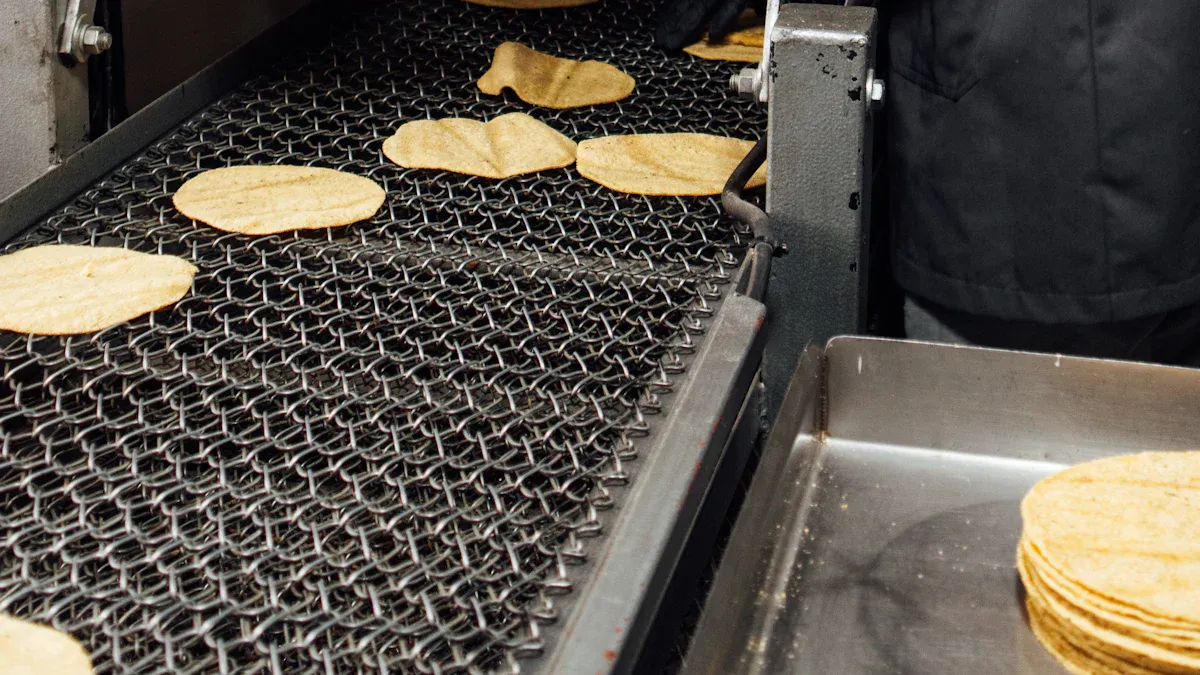
Butter x-ray machine technology in 2026 features digital imaging advancements that transform contaminant detection. Operators benefit from real-time traceability and proactive identification of food fraud. The integration of molecular diagnostics, such as DNA barcoding and CRISPR, supports precise contaminant analysis. High-throughput spectroscopic platforms, including Raman spectroscopy and mass spectrometry, enhance sensitivity and scalability. Biosensors and innovations in artificial intelligence and IoT further improve traceability.
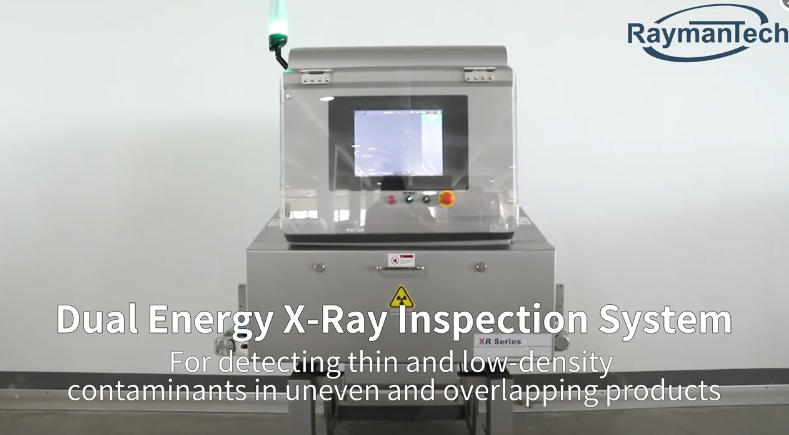
Dual-energy x-ray systems excel in identifying contaminants in butter. These systems differentiate materials based on chemical composition. They detect inorganic contaminants, such as flat glass and stones, which single-energy systems often miss in products with varying densities.
Artificial intelligence plays a vital role in increasing the accuracy of contaminant detection. AI algorithms improve efficiency and reliability in dairy product inspection. Hygienic x-ray systems detect contaminants by analyzing density differences. 3-D x-ray systems provide greater image clarity, allowing operators to identify subtle differences in shape. AI vision platforms detect defects related to color, texture, shape, and contamination indicators, supporting robust quality assurance.
Machine learning algorithms reduce false positives in butter x-ray inspection systems. The following table highlights key technologies and their contributions:
| Technology | Contribution to Reducing False Positives |
|---|---|
| FIAP Image Processing Technology | Improves defect detection and analysis, ensuring precise X-ray food inspection with minimal false positives. |
| AI Self-Learning Capabilities | Continuously improves detection algorithms, adapting to different product types to enhance accuracy. |
Automated quality control methods enable producers to maintain high standards and minimize product recalls. These technologies ensure butter x-ray machine systems deliver reliable contaminant detection and consistent product safety.
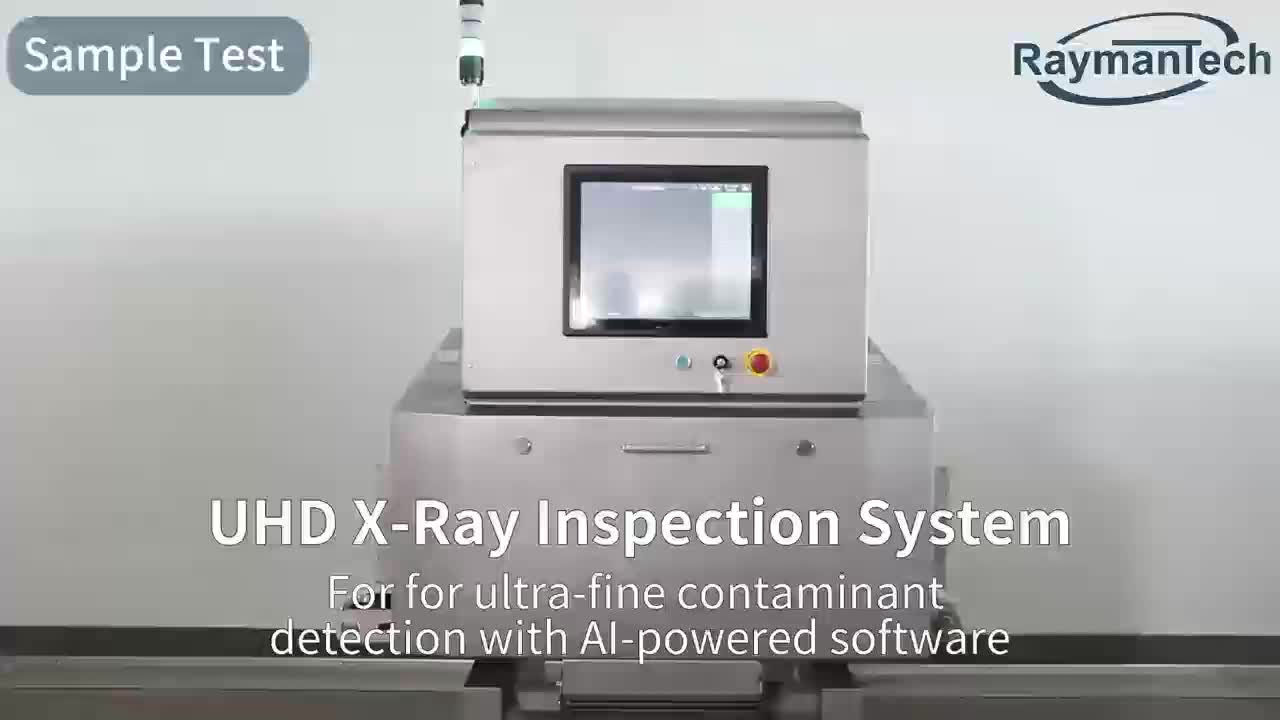
Butter producers gain significant productivity benefits from advanced inspection systems. The butter x-ray machine delivers rapid contaminant detection, temperature insensitivity, and compatibility with various packaging materials. The following table highlights these advantages:
| Detection Type | Description |
|---|---|
| Contaminants | Detects plastic, glass, stones, and bones, ensuring product safety. |
| Temperature Insensitivity | Maintains detection sensitivity regardless of product temperature, moisture, or salinity. |
| Packaging Compatibility | Penetrates packaging materials for thorough inspection. |
Additional benefits include improved safety, enhanced quality control, and greater efficiency. Producers can monitor mass measurement, fill levels, and compromised seals, reducing waste and maintaining consistency. Real-time detection minimizes downtime and supports faster processing.
Despite their strengths, butter x-ray machines face several limitations. Single energy x-ray technology works well with homogeneous products like butter but struggles with items that have varying densities. Busy x-ray images complicate contaminant identification, especially in products with overlapping textures. The technology suits high-speed packaging lines, which may limit effectiveness in slower or more complex inspection scenarios.
Single energy systems may miss contaminants in products with density variance.
High-speed design restricts use in slower production environments.
The integration of IoT promises to enhance butter x-ray machine performance. IoT connectivity increases diagnostic speed and efficiency, enabling real-time decision-making. Artificial intelligence and neural networks will further improve accuracy and reduce false positives. Producers can expect quicker, more reliable contaminant detection and streamlined quality assurance processes in the near future.
Butter x-ray machines in 2026 support compliance with global food safety standards:
| Standard | Description |
|---|---|
| HACCP | Critical Control Point for physical hazard prevention |
| FDA FSMA | Preventive controls for foreign material hazards |
| BRC Global Standards | Required for high-risk product categories |
| IFS Food | European food safety certification requirements |
| GFSI Recognition | Accepted by all GFSI-benchmarked schemes |
Technological innovation drives measurable improvements. Contamination incidents decrease by 40%. Line productivity rises by 20%. Producers can expect even greater accuracy and efficiency as x-ray systems evolve.
Butter x-ray machines scan through foil, plastic, and paper packaging. They maintain detection accuracy regardless of the packaging type.
They detect metals, glass, stones, ceramics, and dense plastics. These contaminants appear clearly due to their higher density compared to butter.
Yes. Butter x-ray machines inspect products rapidly. They support continuous production and minimize downtime for butter producers.

We provide you with comprehensive foreign trade solutions to help enterprises achieve global development
Recommedation: Frozen vegetables such as green be...
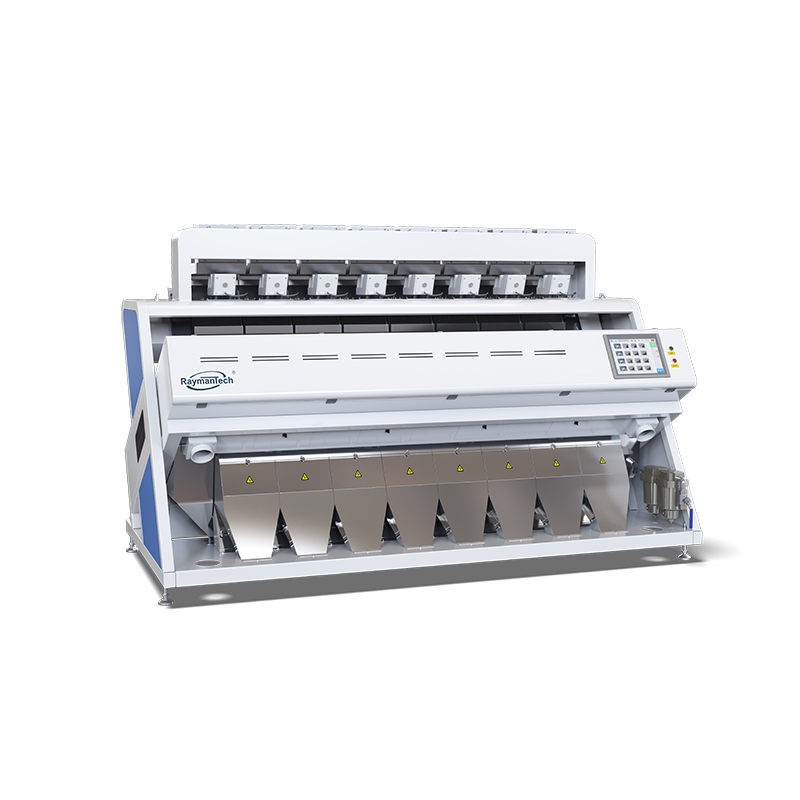
Recommedation: Rice, wheat, corn, grain, pulses, s...
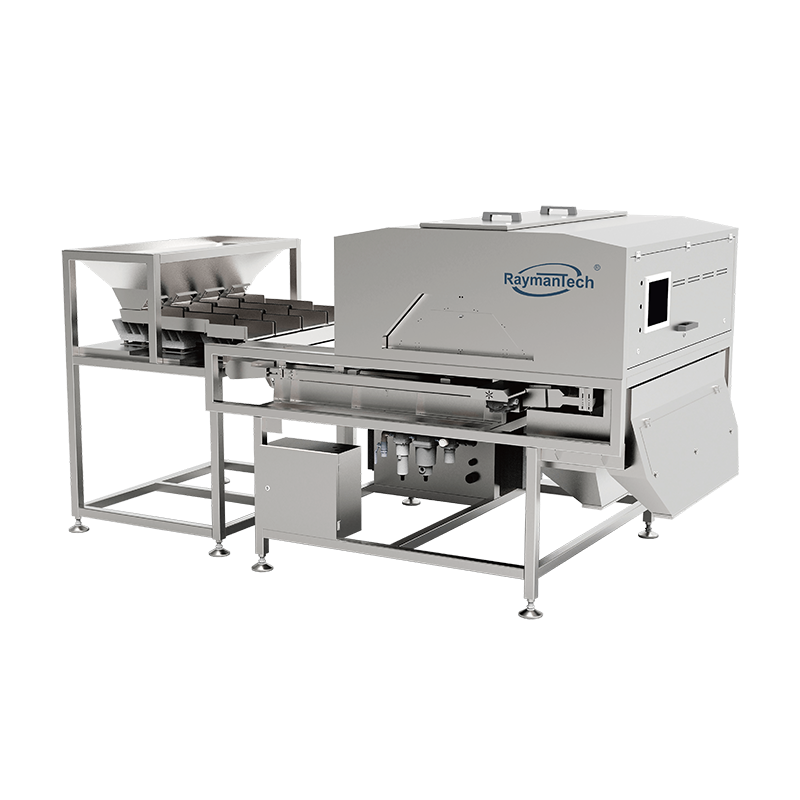
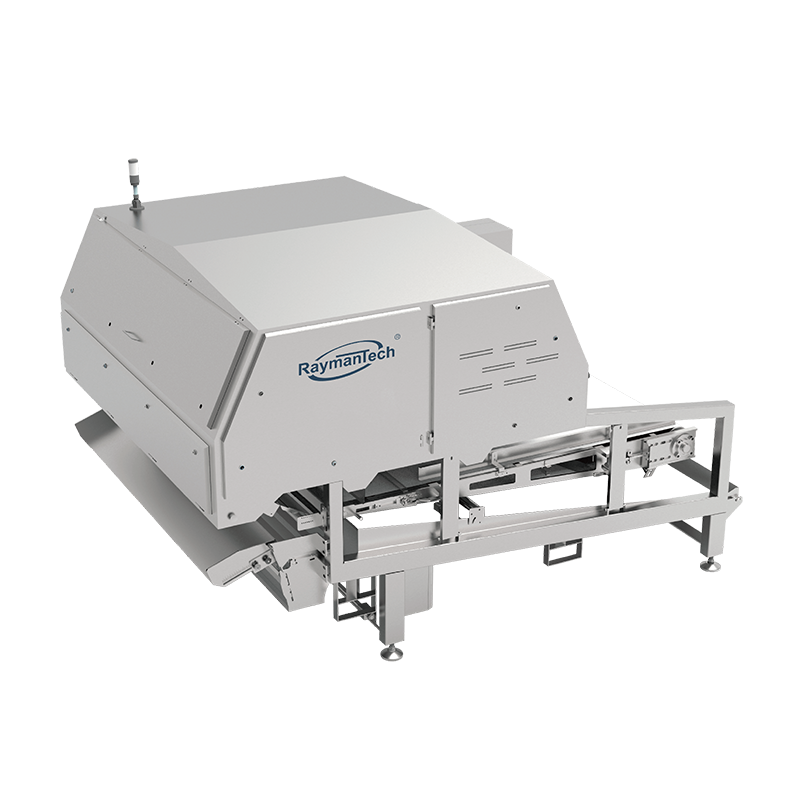
Recommedation: Small particle, flat products such...
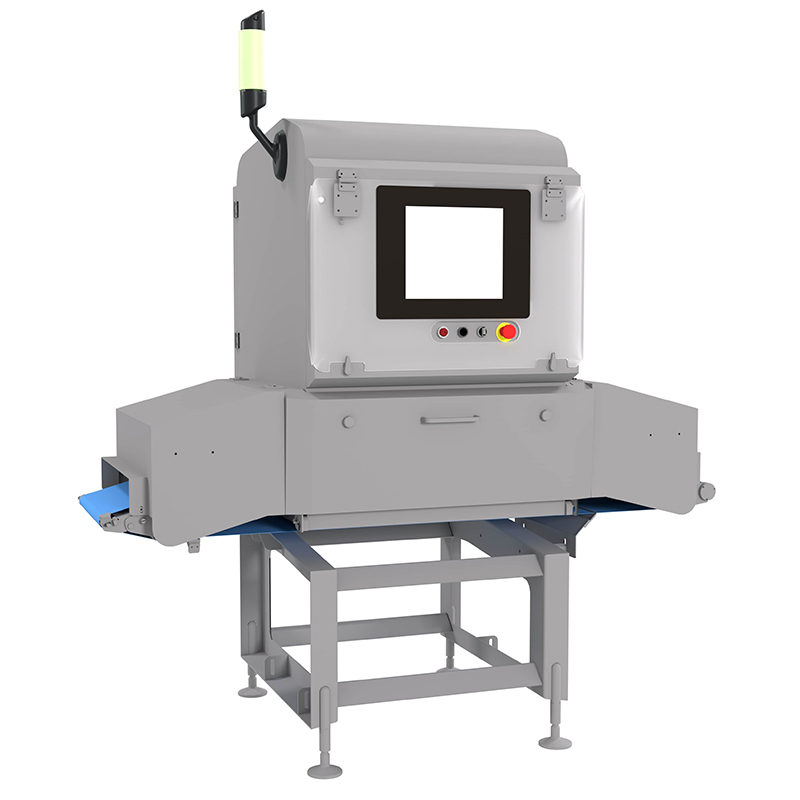
Uneven and overlapped product detection, thin & lo...
Select the most popular foreign trade service products to meet your diverse needs
Select the most popular foreign trade service products to meet your diverse needs







User Comments
Service Experience Sharing from Real Customers
Michael Chen
Radiology TechnicianThe Butter X-ray machine has revolutionized our workflow. The image clarity is exceptional, and the automated positioning system saves us at least 30% of the time per patient. A game-changer for high-volume clinics.
Sarah Johnson
Veterinary SurgeonWe use the Butter portable model in our large animal practice. It's robust, reliable in field conditions, and produces diagnostic-quality images even for equine limbs. The battery life is impressive. One star off for the initial software learning curve.
David Rodriguez
Quality Control ManagerImplementing the Butter industrial X-ray machine for component inspection has drastically reduced our non-destructive testing time. The detail resolution allows us to detect microfractures invisible to other systems, ensuring product safety and reliability.
Emily Watson
Dental HygienistThe Butter dental X-ray unit is compact and patient-friendly. The low radiation dose is a major selling point for our practice, and the digital sensor integration is seamless. Image processing is fast, though we wish the sensor cords were more durable.