 English EN
 中国 CN
中国 CN
.png)
Meat Packaging Revolution: Mastering Detection Challenges with Next-Gen X-ray and Vision Systems
This article delves into the persistent pain point...
More

The Bida black eyed peas sorting machine delivers exceptional accuracy and efficiency. Its advanced cameras and high throughput significantly reduce manual labor costs, a key factor as the processed legume market grows. This technology helps businesses meet rising quality demands, though its suitability ultimately depends on production scale and budget.
A machine's value is measured by its performance. The Bida sorter excels in two critical areas for any large-scale food processor: sorting accuracy and processing speed. These elements work together to define its overall effectiveness and impact on a company's operations.
The core of the Bida black eyed peas sorting machine is its advanced defect detection system. It utilizes high-resolution CCD (Charge-Coupled Device) cameras. These cameras function like powerful digital eyes, scanning every single pea that passes through the machine. They capture detailed images and analyze them in real-time against pre-set quality standards.
This technology allows the machine to identify and eject a wide range of imperfections with remarkable precision. Processors can configure the system to target specific flaws, ensuring the final product meets exact customer specifications. Common defects easily removed include:
Black spot: Peas with dark blemishes or fungal damage.
Light yellow: Immature or discolored peas that deviate from the desired creamy white color.
Foreign materials like small stones, twigs, or other grains.
Note: The system's sensitivity is adjustable. Operators can fine-tune the sorting parameters to achieve the perfect balance between purity and yield, minimizing the rejection of good products.
Accuracy alone is not enough for a commercial operation; speed is equally vital. The Bida sorter is engineered for high-volume throughput. It can process several tons of black-eyed peas per hour, a capacity that far exceeds manual sorting capabilities. High-speed ejectors, powered by compressed air, instantly remove defective peas from the processing stream without slowing down the flow.
This rapid processing ensures that production timelines are met consistently. A business can handle larger batches and fulfill bigger orders more efficiently. The combination of speed and precision means that a higher volume of premium-quality product is ready for packaging in less time, directly boosting productivity and profitability.
Investing in advanced equipment requires a careful financial analysis. A business must look beyond the initial price tag to understand the machine's total economic impact. The Bida sorter presents a compelling case when evaluating its costs against its long-term financial benefits.
The primary cost is the upfront purchase price of the machine. This figure can be substantial and varies based on the model, capacity, and specific features selected. Businesses must also account for ancillary costs like shipping, installation, and initial training for operators. These expenses are part of the total initial capital outlay.
Beyond the purchase, a business must budget for ongoing operational costs. These include:
Energy Consumption: The machine requires a consistent power supply to run the cameras, processors, and ejectors.
Compressed Air: High-speed ejectors use compressed air, which is a utility cost.
Maintenance and Spares: Routine maintenance and the eventual replacement of parts like bulbs or ejector components are necessary for long-term reliability.
Many processors find these operational costs are minimal compared to the significant savings in manual labor.
To make the initial investment more accessible, some distributors provide financial solutions. These options can help businesses acquire a black eyed peas sorting machine without a prohibitive upfront cash payment. Common arrangements include:
Leasing programs that offer lower monthly payments.
Financing plans that spread the purchase cost over several years.
Return on Investment (ROI) measures the profitability of an investment. It shows how much a business gains relative to the cost. Calculating the ROI for the Bida sorter helps justify the purchase by demonstrating its financial value over time. The basic formula is straightforward:
ROI (%) = (Net Profit / Total Investment Cost) x 100
To find the net profit, a business must first calculate its annual savings. Key savings areas include reduced labor expenses and increased revenue from higher product quality and yield.
Let's consider a simplified example for a medium-sized processor.
| Financial Factor | Calculation | Annual Amount |
|---|---|---|
| Labor Savings | 8 workers x $30,000/year | $240,000 |
| Increased Revenue | Higher yield & premium price | $50,000 |
| Total Annual Savings | (Labor Savings + Revenue) | $290,000 |
| Annual Operating Cost | (Energy + Maintenance) | -$15,000 |
| Net Annual Gain | (Total Savings - Op. Cost) | $275,000 |
If the total investment for the machine was $180,000, the payback period is less than a year. The first-year ROI would be exceptionally high, demonstrating a clear and rapid financial benefit. This powerful calculation transforms the sorter from a major expense into a strategic, profit-generating asset.
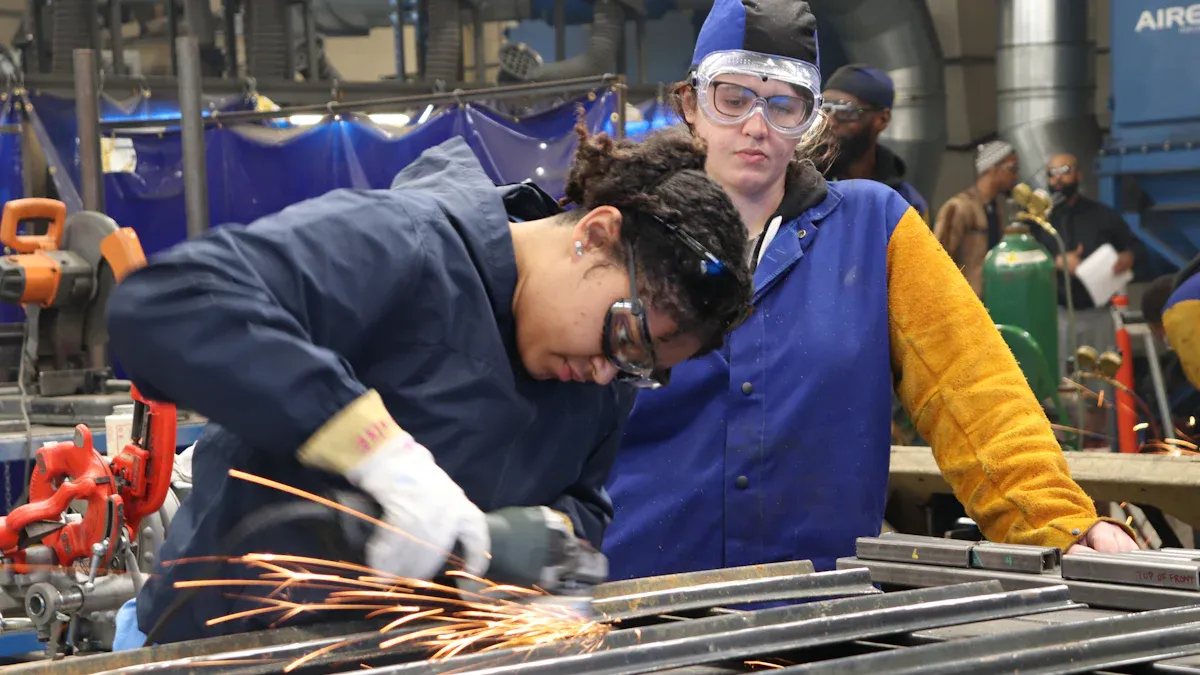
Advanced technology is only valuable if operators can use it effectively. The Bida sorter combines sophisticated engineering with a focus on user-friendliness. This balance ensures that a processing facility can maximize the machine's capabilities without requiring extensive specialized training for its staff. The overall design prioritizes straightforward operation and simple upkeep.
The Bida black eyed peas sorting machine features a modern, intuitive user interface, typically a full-color touchscreen. Operators can easily navigate menus to set or adjust sorting parameters. The system allows for the creation and storage of multiple sorting profiles. This feature enables quick changeovers between different batches or quality standards with just a few taps. Initial installation and setup are generally handled by the supplier, including comprehensive training to get your team up to speed quickly.
Consistent performance depends on regular maintenance. Bida provides clear guidelines to keep the machine in optimal condition. These simple, scheduled tasks prevent downtime and extend the equipment's lifespan.
| Maintenance Frequency | Key Procedures |
|---|---|
| Daily | Check system integrity, clean the sorting chamber glass, and drain the air filter. |
| Weekly | Clean the dust from the ash cleaner's brush using an air gun. |
| Monthly | Inspect the ash cleaner brush for wear and clean the filter element. |
For technical issues, Bida offers support channels. It is important to note that, like most equipment manufacturers, the company provides its services under standard terms.
Bida provides its products and services 'as is' and does not guarantee uninterrupted or error-free operation. Users assume sole risk for the use of the service.
For direct assistance, the support team is accessible. 📞
For service questions, email info@CBIDA.com.
For immediate help, text HELP to +18336101942.
Deciding on a major capital investment like the Bida black eyed peas sorting machine requires a clear understanding of your business's position and goals. The machine offers significant advantages, but its value is most apparent for specific operational profiles. This final analysis helps determine if your business is the right fit.
The Bida sorter is best suited for medium to large-scale legume processors. These businesses prioritize premium product quality and high operational efficiency. They typically handle large volumes and serve markets with strict purity standards. An ideal candidate for this investment demonstrates a strategic approach to growth and decision-making. They focus on creating a high-performing organization by leveraging technology.
Case studies on business strategy highlight how successful firms use intelligent investments to achieve positive results, even in uncertain times. This mindset is key to maximizing the sorter's benefits.
Such companies often share these characteristics:
A focus on leveraging technology for a competitive advantage.
A commitment to creating high-performing, efficient operations.
Strategic decision-making aimed at long-term growth.
The capacity to absorb initial costs for a strong future ROI.
The Bida sorter is not a universal solution. Smaller operators or businesses with tight budgets should carefully evaluate other options. Automatic sorting machines can become less cost-effective for processors handling lower volumes.
Businesses should consider alternatives under these conditions:
Low Production Volume: ROI calculations are challenging for operations processing less than 10,000 tons annually.
Budget Constraints: The high capital cost can be a barrier, especially for processors in developing markets.
Integration Challenges: Hidden costs can arise from necessary upgrades to feeders or production lines, potentially increasing project expenses by 30-40%.
For these scenarios, simpler sorting methods or smaller, less capital-intensive equipment may offer a more practical and cost-effective solution.
The Bida Color Sorter is a clear investment for quality-focused, large-scale processors. Its unmatched sorting accuracy and significant labor savings enhance product value, meeting modern operational demands. This investment boosts efficiency, ensures premium quality, and positions a company for future trends like stricter regulations and smart manufacturing integration.
Proper maintenance ensures a long service life. Businesses can expect the machine to operate effectively for over a decade, making it a durable long-term asset for processing operations.
Yes. The sorter is versatile and can handle various legumes. Operators must recalibrate the system and create new sorting profiles for different products to ensure optimal accuracy. ✅
The supplier provides comprehensive initial training during installation. The machine's intuitive touchscreen interface allows operators to manage daily functions with minimal additional instruction, ensuring a smooth workflow.

We provide you with comprehensive foreign trade solutions to help enterprises achieve global development
UHD X-Ray detector, AI large model, all food indus...
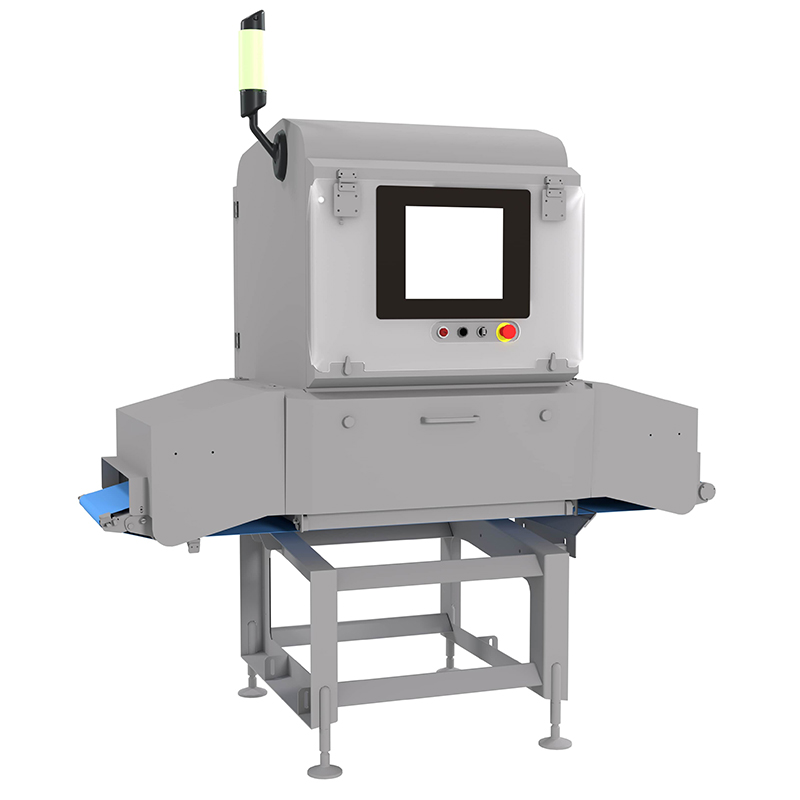
Chicken bone inspection, global poultry AI databas...
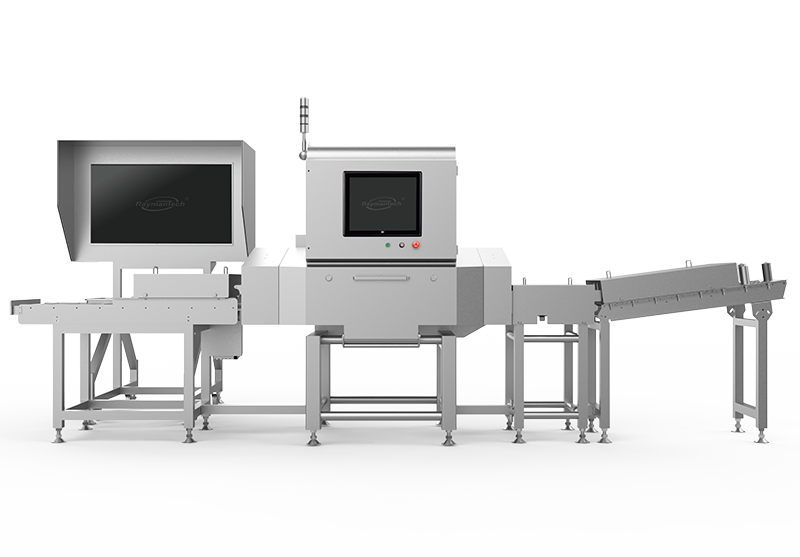
Automatic recognition and rejection, fish bone ins...
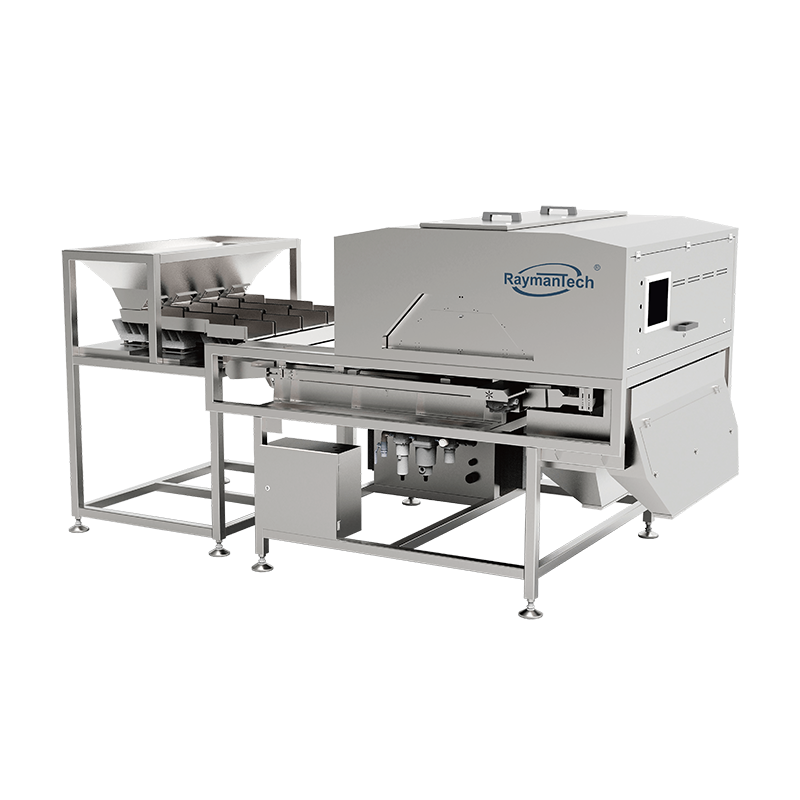
Recommedation: Small particle, flat products such...
Select the most popular foreign trade service products to meet your diverse needs
Select the most popular foreign trade service products to meet your diverse needs



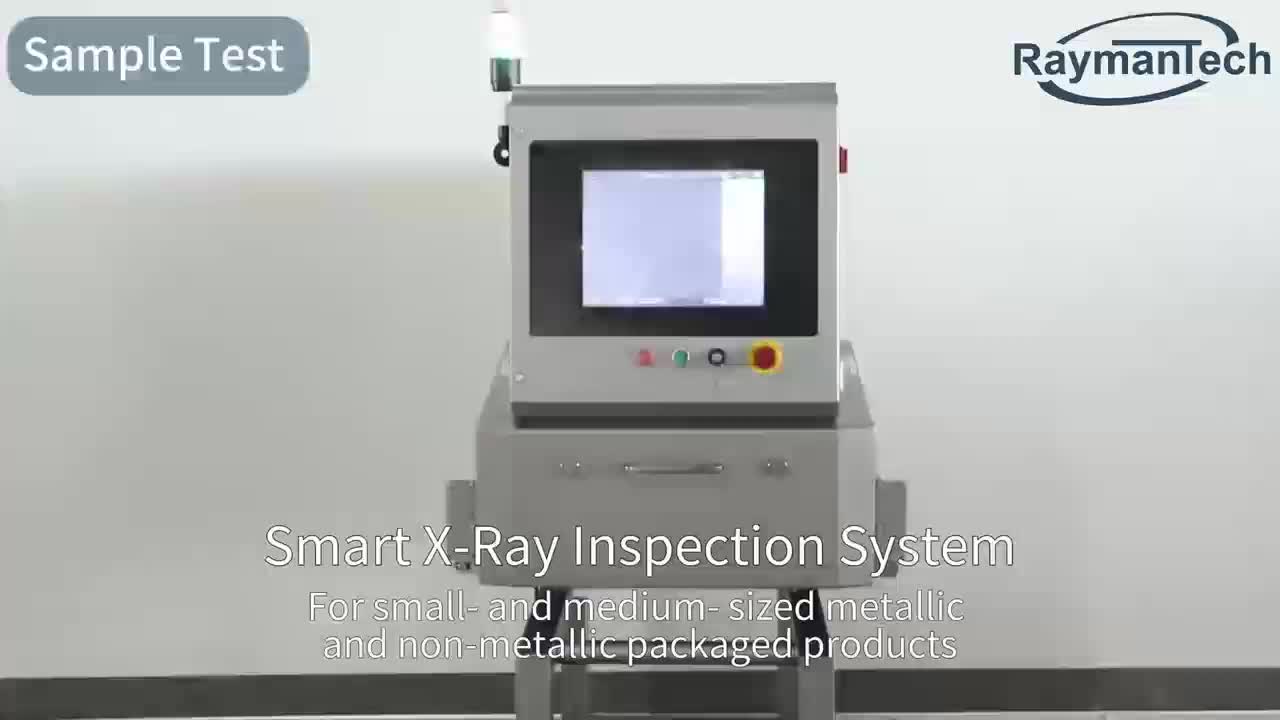




User Comments
Service Experience Sharing from Real Customers
Michael Rodriguez
Farm Operations ManagerThis black-eyed peas sorting machine has revolutionized our post-harvest processing. The accuracy in separating damaged peas is exceptional, and the throughput speed has doubled our capacity. A game-changer for our farm.
Sarah Chen
Quality Control SupervisorAs a QC supervisor in food processing, precision is everything. This machine delivers consistent, high-quality sorting with minimal false rejects. It's robust and easy to clean. One point off for the initial setup complexity, but performance is outstanding.
James Wilson
Production Line EngineerIntegrating this sorter into our packaging line was seamless. The optical sorting technology is highly effective for color and defect detection in black-eyed peas. Downtime has decreased significantly, and maintenance is straightforward. Highly recommended for industrial-scale operations.
Priya Sharma
Owner/OperatorRunning a medium-sized pulse processing unit, I needed reliable and efficient equipment. This sorting machine has exceeded expectations. The final product quality has improved, leading to happier B2B clients. The return on investment was quicker than anticipated.