
 English EN
 Germany DE
 French FR
 Portuguese PT
 Spanish ES
Needle Inspection in the Meat Industry: Overcoming the Limitations of Traditional Metal Detection
Ensuring food safety in meat products is a critical priority for the global food industry. Among the various hazards that may compromise product safety, broken needles from meat processing equipment pose a serious risk to consumers. Accidental needle fragments can occur during deboning, portioning, or mechanical processing, and their presence in final products may lead to severe injuries, product recalls, and reputational damage. As a result, effective needle detection is essential for both regulatory compliance and brand protection.
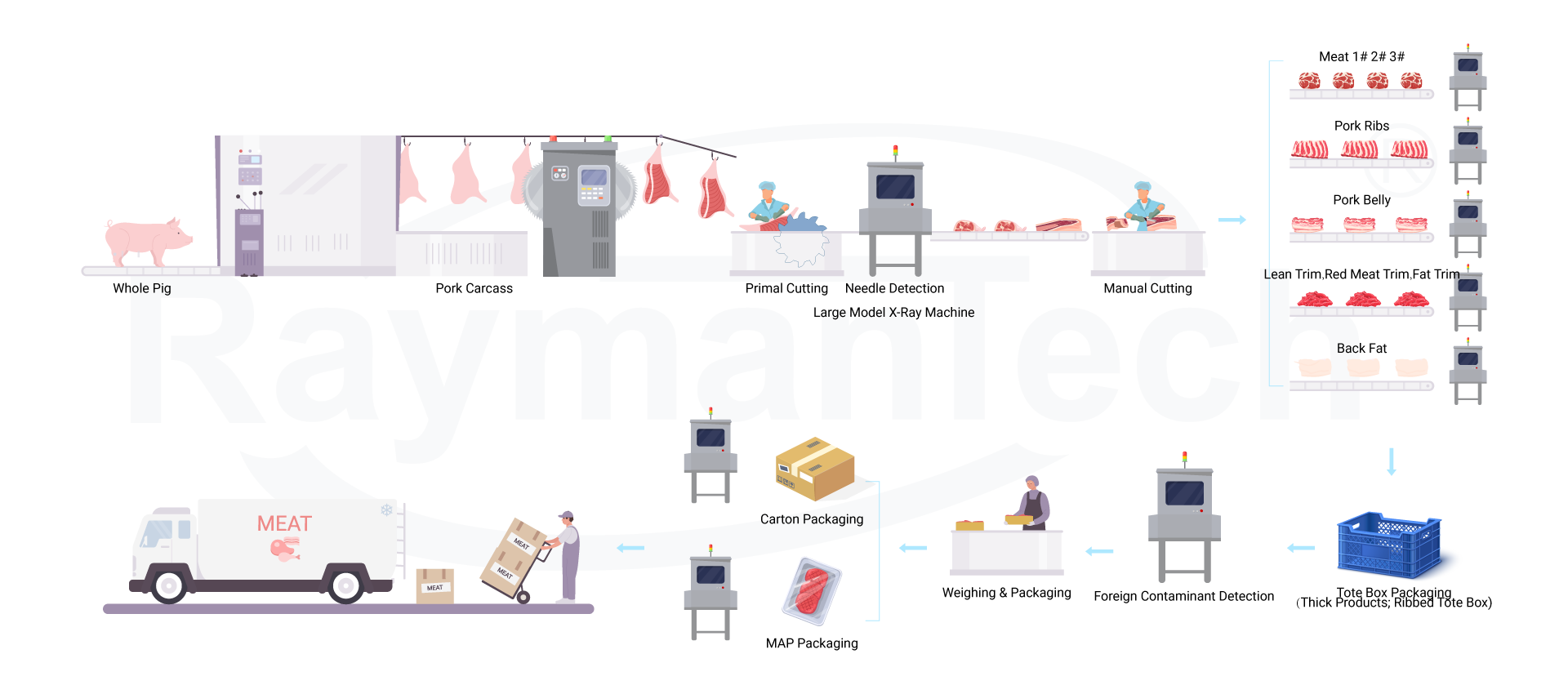
Challenges of Traditional Metal Detection in Meat Products
For decades, metal detectors have been the primary tool for identifying foreign metal contaminants in meat. While they are effective for many applications, their performance is often limited when it comes to broken needles and other small metallic fragments. Several technical factors contribute to these challenges:
1. Weak or Small Metal Signals
One of the main obstacles in detecting needle fragments is their small size and material composition. Needles are typically made from thin austenitic stainless steel (<2 mm), which has a low magnetic response. Metal detectors rely on electromagnetic induction to identify metallic objects, and thin stainless steel generates a minimal signal. This weak response often falls below the sensitivity threshold of traditional detectors, resulting in missed contaminants.
2. Product Effect
Meat products present a complex product effect that can mask metal signals. Variations in moisture content, fat distribution, and salt levels can interfere with the electromagnetic field generated by the detector, leading to signal attenuation or false readings. High-moisture products, such as marinated or injected meats, and high-salt products, like cured hams, are particularly challenging. These factors make it extremely difficult for conventional metal detectors to reliably detect small needle fragments.
3. Orientation Sensitivity
The detection of metals depends not only on material composition but also on orientation within the product. Austenitic stainless steel needles are most detectable when oriented horizontally relative to the detector coil. Vertically oriented needles, however, may escape detection entirely. Conversely, ferrous metals (Fe) exhibit the opposite behavior, being easier to detect in vertical alignment than horizontal. In processed meat, needle fragments may lie in random orientations, meaning that traditional metal detectors may fail to identify a significant portion of potential contaminants.
4. External Metal Interference
Meat processing often involves trays, hooks, and clips that can produce electromagnetic signals. Metal detectors can generate false positives or mixed signals when such equipment passes through the detection field. Operators may need to adjust sensitivity or rely on manual verification, both of which reduce throughput and increase the risk of errors.
These factors illustrate the inherent limitations of traditional metal detection systems in ensuring comprehensive needle inspection. While metal detectors are useful for detecting larger, ferrous-based contaminants, they cannot guarantee the detection of broken needles, small fragments, or even bone fragments, which may have similar risks for consumers.
The Advantages of X-Ray Inspection for Needle Detection
To overcome the limitations of metal detection, the meat industry increasingly turns to X-ray inspection technology. Unlike traditional metal detectors, X-ray systems identify objects based on density differences, rather than electromagnetic properties. This fundamental difference enables more reliable detection of a wide range of contaminants, including needles and bone fragments, regardless of material composition.
1. Detection of Small and Low-Density Metals
X-ray inspection can detect thin austenitic stainless steel needles that metal detectors often miss. Because X-ray systems measure the attenuation of X-rays through the product, even metal fragments smaller than 2 mm are identifiable if their density differs sufficiently from the surrounding meat. This capability significantly reduces the risk of needle-related hazards reaching consumers.
2. Reduced Product Effect
Unlike metal detectors, X-ray systems are largely unaffected by moisture, fat, or salt content. Variations in water or salt content within meat have minimal influence on X-ray attenuation, meaning that the system maintains high sensitivity across diverse product types. Whether inspecting marinated poultry, cured pork, or processed beef, X-ray technology delivers consistent detection performance.
3. Orientation Independence
X-ray detection is less sensitive to the orientation of contaminants. Needles lying horizontally, vertically, or at an angle can be detected as long as they generate sufficient contrast against the meat matrix. This overcomes one of the key weaknesses of traditional metal detectors and ensures more comprehensive inspection coverage.
4. Minimization of External Interference
External metal, such as trays or clips, does not significantly affect X-ray detection. Advanced X-ray systems employ image processing algorithms that differentiate between product-related density variations and foreign objects. As a result, the rate of false positives is reduced, allowing higher line speeds and less manual intervention.
5. Capability to Detect Multiple Contaminant Types
Beyond needles, X-ray systems can also detect bone fragments, stones, and other dense foreign materials, which are invisible to conventional metal detectors. This multifunctional capability enhances overall product safety and reduces the need for separate inspection steps.
Implementation Considerations
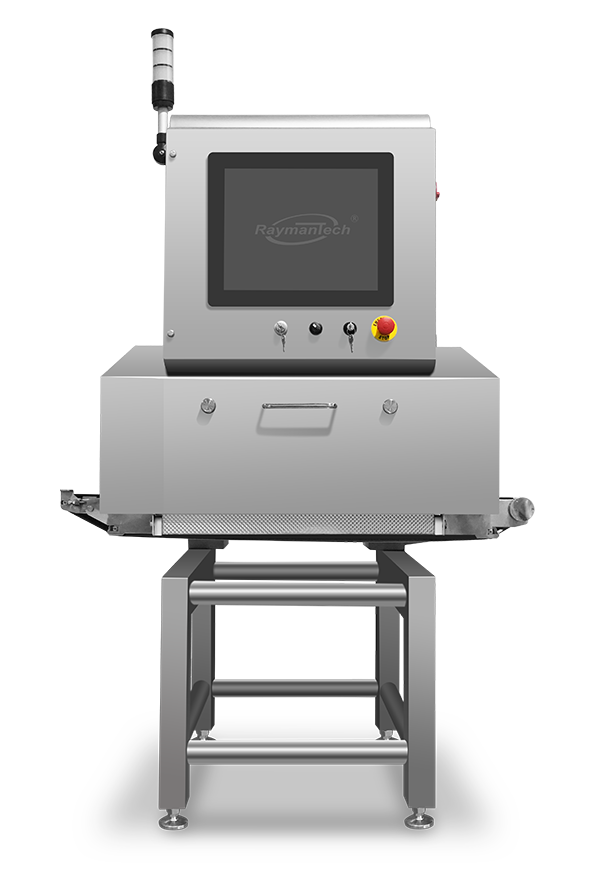
Integrating X-ray inspection into meat production requires careful planning. Systems must be appropriately calibrated to detect needles without rejecting safe product due to natural variations in meat density. Key considerations include conveyor speed, beam intensity, product orientation, and environmental conditions. Additionally, training operators to interpret X-ray images and manage system alerts ensures reliable long-term performance.
While X-ray systems involve higher initial investment than metal detectors, the benefits in terms of enhanced detection reliability, reduced recalls, and improved consumer safety often justify the cost. For high-value meat products or markets with strict food safety regulations, X-ray inspection is increasingly viewed as essential.
Conclusion
Traditional metal detectors have long served the meat industry in foreign object detection, but they face significant challenges when inspecting for broken needles. Weak signals, product effects, orientation sensitivity, and external interference limit their effectiveness, leaving potential hazards undetected. X-ray inspection offers a superior alternative by detecting small stainless-steel needles and bone fragments reliably, independent of product composition or orientation. By adopting X-ray technology, meat processors can enhance consumer safety, meet regulatory standards, and protect brand reputation.
X-ray inspection represents the next generation of meat safety technology, offering a robust solution to a persistent challenge that traditional metal detection cannot fully address.

Related Articles
-
 Mar-25-2026
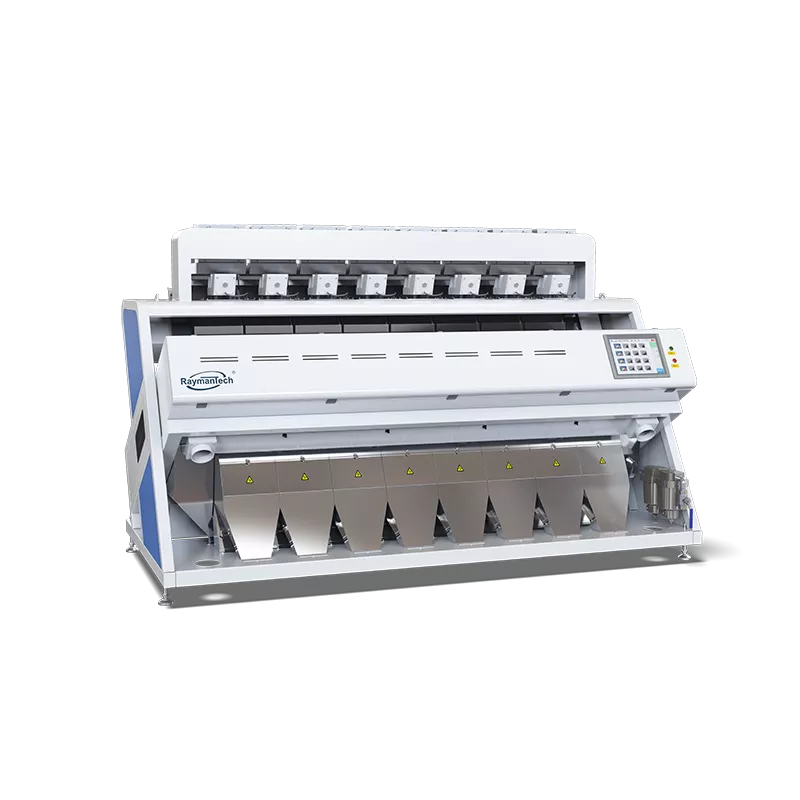
How RaymanTech Soybean Optical Sorter Work
RaymanTech soybean optical sorter offers unmatched accuracy, speed, and adaptability, outperforming competitors in quality and efficiency.learn more -
 Mar-25-2026
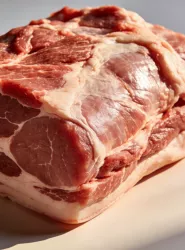
Ensuring Beef Safety with Residual Needle Detection
The safety of beef products remains a top concern for both producers and consumers. One overlooked but critical risk is the presence of residual needles in beef cattle. These needles may originate from vaccination, hormonal implants, or medical treatments. If a needle breaks during administration, it can migrate into muscle tissue, posing serious hazards to consumers and complicating meat processing. While the incidence is low, the consequences are severe, ranging from product recalls to brand damage and potential injuries.learn more -
 Mar-25-2026
Hidden Metal Hazards in Meat: Why Broken Needles Demand Industry Attention
Food safety discussions often focus on bacteria and pathogens, yet physical contaminants can pose equally serious risks. Among these, broken needle fragments in meat represent a unique and often underestimated hazard.learn more




Follow us:
