Deep learning sorting
Deep learning sorting
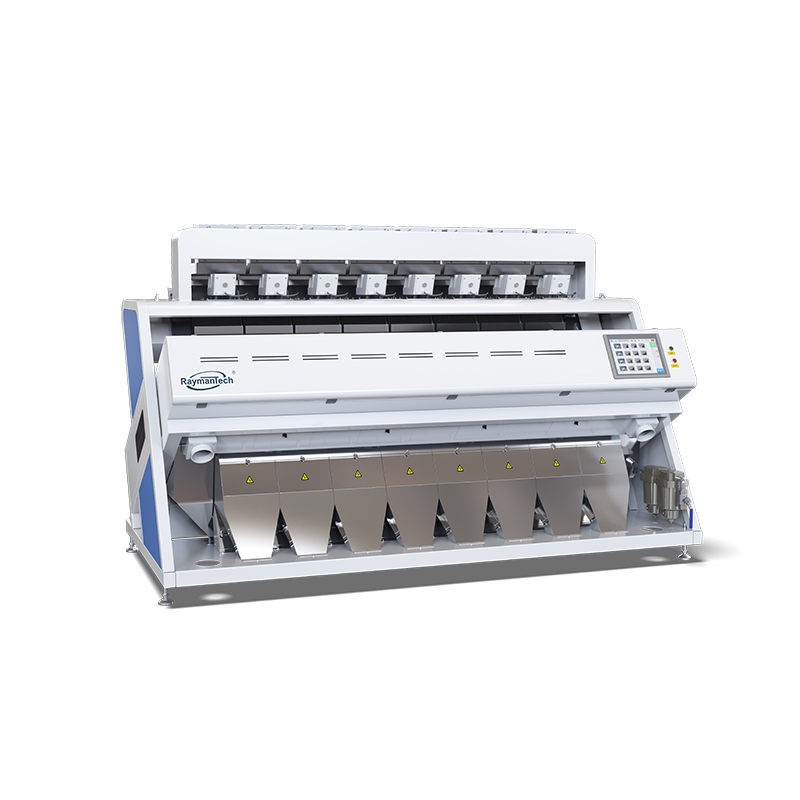
Deep learning sorting represents a transformative advancement in automated material processing and waste management systems. This technology leverages sophisticated neural network architectures, primarily convolutional neural networks (CNNs), to visually identify and categorize items on a conveyor belt with unprecedented accuracy and speed. Unlike traditional methods reliant on manual picking or basic sensor-based systems, deep learning models are trained on vast datasets containing millions of annotated images of various materials—such as different plastic polymers, paper grades, metals, and contaminants. This enables the system to recognize objects based on complex visual features like texture, shape, color, and even logos, adapting to new waste streams without extensive reprogramming. Industry data from leading manufacturers like ZenRobotics, AMP Robotics, and Tomra indicates a dramatic leap in performance: these AI-powered sorting systems can achieve purity rates exceeding 95% and recovery rates above 90% for targeted materials, operating continuously at speeds that process tons of waste per hour. The implementation of this technology is directly linked to significant economic and environmental outcomes, including higher yields of valuable recyclables, reduced labor costs in hazardous environments, and decreased contamination in recycling batches, which in turn enhances the market value of the output bales.
The practical deployment of deep learning sorting is evidenced by its rapid adoption across material recovery facilities (MRFs), e-waste processing plants, and construction & demolition waste sites. For instance, AMP Robotics' Cortex AI platform, as reported in case studies, has been deployed to identify over 50 different material categories, with its neural networks making upwards of 1 billion sorting decisions every day across its global fleet. Real-world performance metrics show that these systems can pick between 70 to 80 items per minute per robotic arm, with double the efficiency of human sorters and consistent accuracy that does not degrade over a shift. Furthermore, search results from industry publications and white papers highlight the role of continuous learning; systems deployed in the field contribute data back to the cloud, allowing the central AI model to improve iteratively, thereby increasing its recognition capabilities for challenging items like black plastics or multi-layer packaging. This data-driven evolution addresses a core challenge in recycling: the ever-changing composition of waste streams driven by consumer product innovation. By providing a scalable, data-intensive solution, deep learning sorting is not merely an incremental improvement but a foundational shift, enabling the circular economy by making high-quality material separation financially viable and operationally sustainable at a global scale.
 English EN
 Germany DE
 French FR
 Portuguese PT
 Spanish ES
.webp)
.webp)


.webp)
.webp)







User Comments
Service Experience Sharing from Real Customers
Michael Chen
Data ScientistThis deep learning sorting solution has revolutionized our recommendation engine. The accuracy and speed are phenomenal, directly boosting our user engagement metrics.
Sarah Johnson
Research EngineerImplementing this tool for sorting complex genomic data has drastically reduced our analysis time. The model's ability to learn intricate patterns is impressive, though the initial setup required some tuning.
David Rodriguez
CTOAs a CTO, I value solutions that deliver tangible ROI. This deep learning sorting platform has optimized our logistics and inventory management, leading to significant cost savings. A game-changer for operational efficiency.
Emily Watson
Content ManagerWe use it to automatically sort and prioritize user-generated content and support tickets. The context understanding is remarkable, allowing our team to focus on critical issues instantly. Highly reliable and effective.