Pet food x-ray inspection
Pet food x-ray inspection
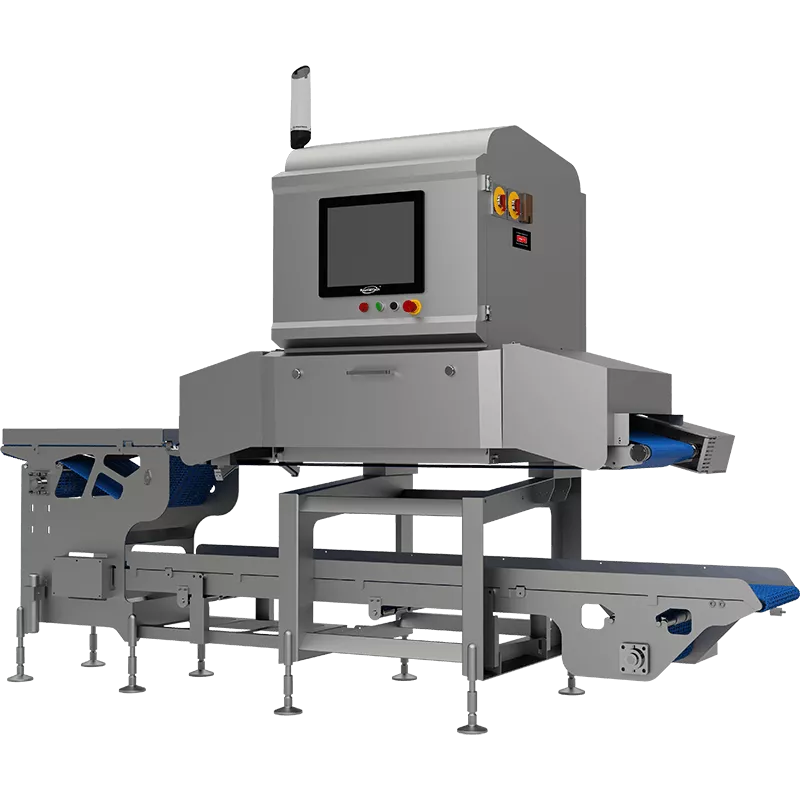
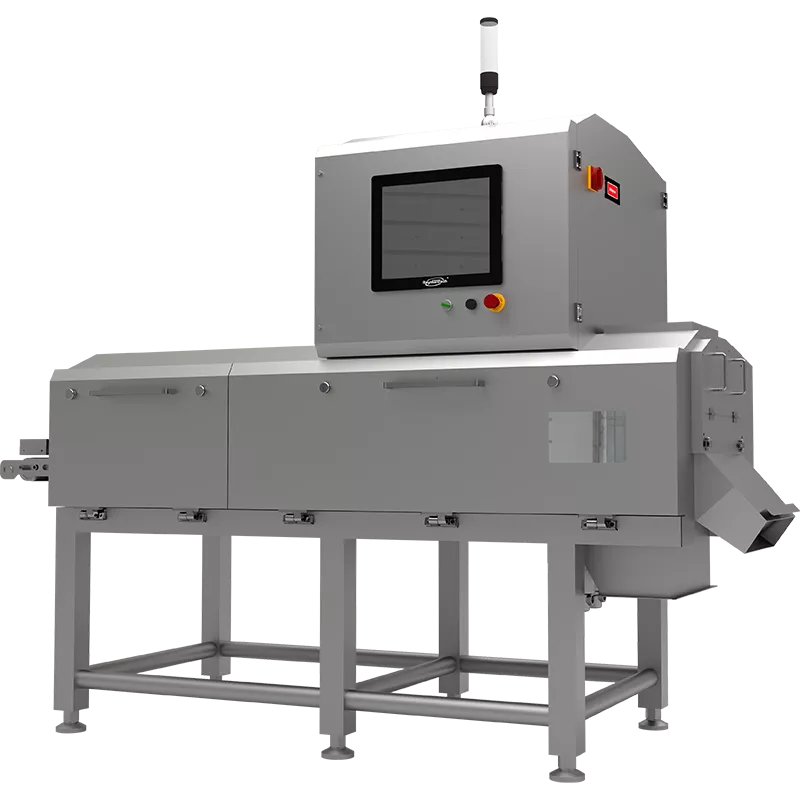
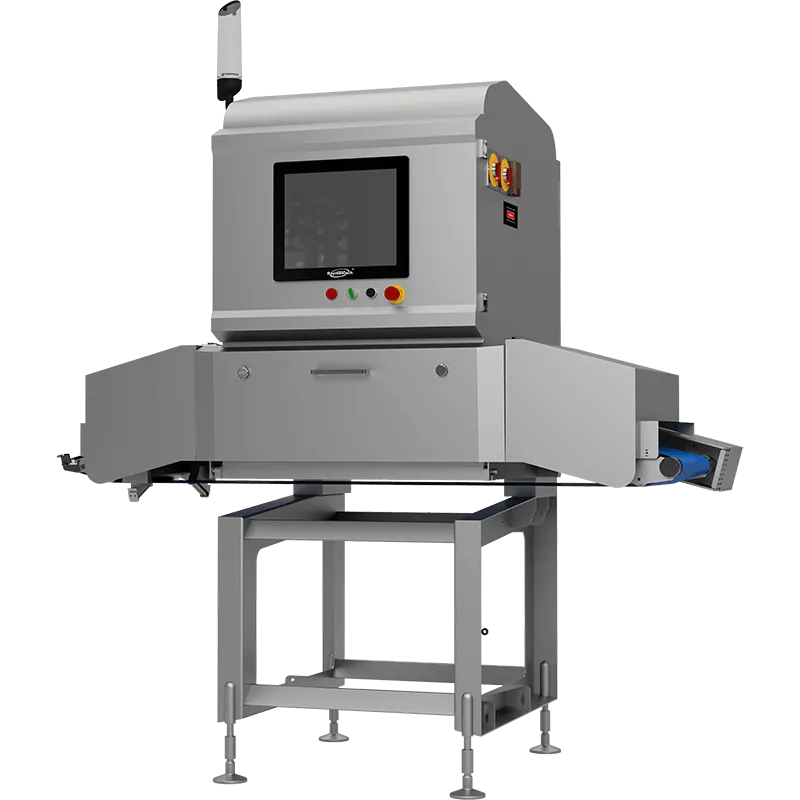
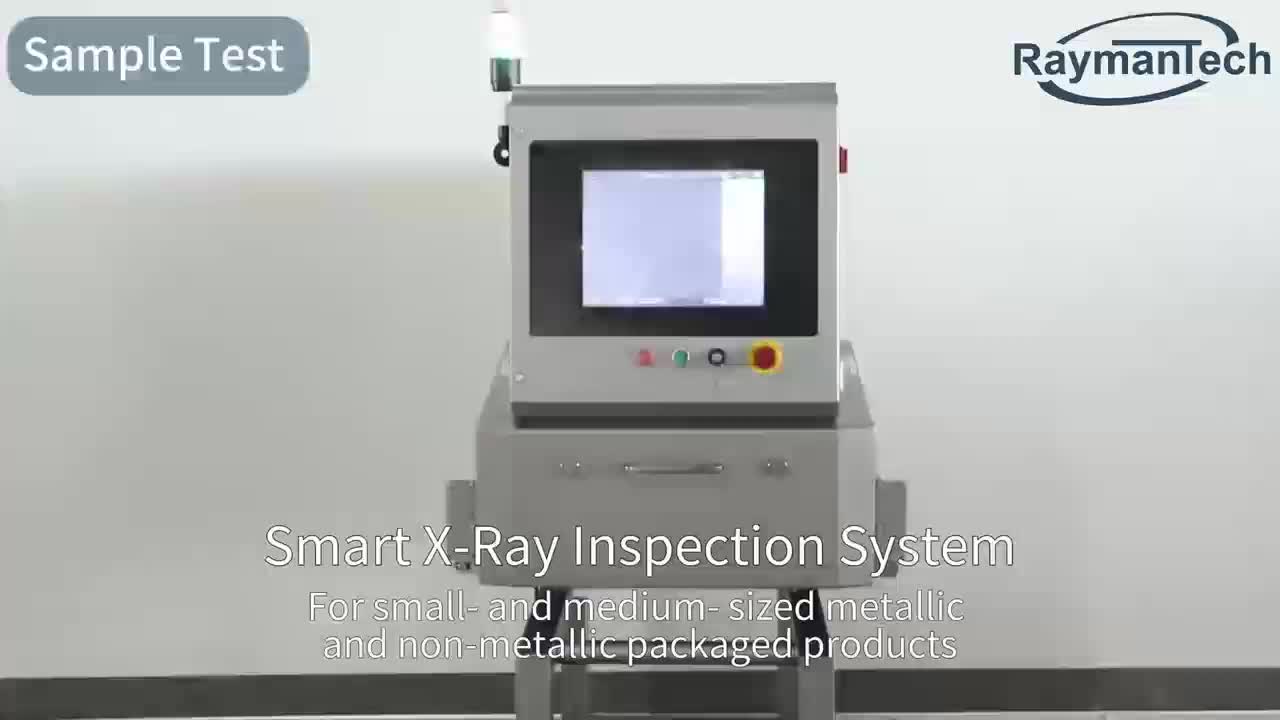
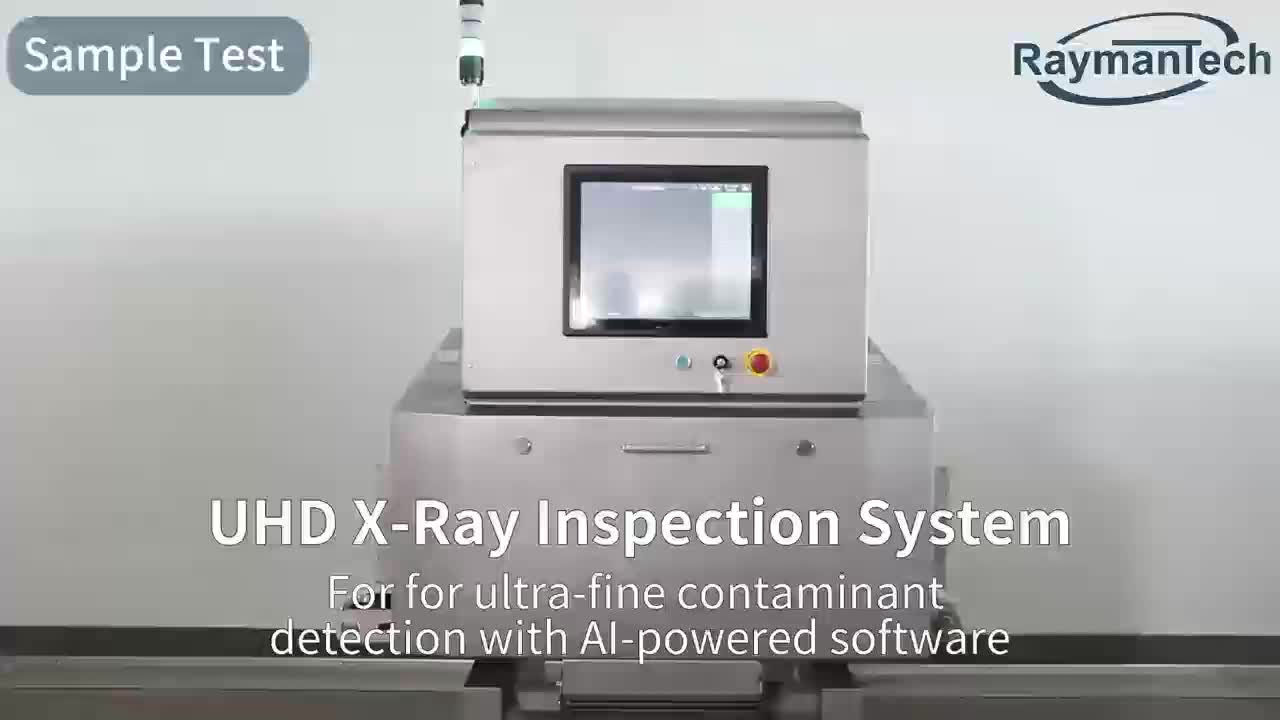
Pet food x-ray inspection is a critical quality control and safety technology utilized by leading manufacturers worldwide to detect physical contaminants within packaged products. This non-destructive method employs high-resolution x-ray imaging systems to identify foreign materials such as metal, glass, stone, dense plastics, and bone fragments that may have entered the production line. The technology operates by passing products through an x-ray beam; different materials absorb x-rays at varying rates, creating a detailed grayscale image where contaminants appear as distinct shadows against the uniform background of the food product. Industry data indicates that the most common contaminants in pet food, based on recall information from regulatory bodies like the FDA and AVMA, include metal fragments from worn machinery, plastic pieces from packaging lines, and mineral stones from raw ingredients. Implementing this inspection at the end of the production line serves as a final safeguard, ensuring that no compromised product reaches consumers, thereby protecting pet health and brand reputation.
The adoption of advanced x-ray inspection systems for pet food is driven by stringent global safety standards and the high consumer expectation for product integrity. Modern systems are capable of inspecting a wide range of packaging types, including metal cans, foil pouches, and plastic bags, without compromising the seal or integrity of the package. Beyond contaminant detection, contemporary x-ray equipment provides additional quality checks, such as monitoring fill levels to prevent underfilled packages, checking for missing components in multi-piece treats, and verifying the correct count of items within a box. According to market analyses and case studies from equipment providers, manufacturers who integrate x-ray inspection report a significant reduction in consumer complaints and recall risks. Furthermore, the technology's sensitivity is quantifiable; for instance, leading systems can reliably detect stainless steel spheres as small as 0.3mm in diameter and glass fragments as tiny as 0.5mm within dense wet food, performance metrics that far surpass the capabilities of traditional metal detectors. This level of precision is essential for complying with food safety regulations like the Food Safety Modernization Act (FSMA), which mandates proactive hazard control. Investing in reliable pet food x-ray inspection is therefore not merely a compliance activity but a core component of a brand's commitment to safety, operational excellence, and consumer trust, directly impacting customer loyalty and market share in a competitive industry.
 English EN
 Germany DE
 French FR
 Portuguese PT
 Spanish ES
.webp)
.webp)








User Comments
Service Experience Sharing from Real Customers
James Wilson
Quality Control ManagerThis x-ray inspection system has revolutionized our pet food safety protocol. It detects even the smallest metal fragments and bone chips with incredible accuracy, giving us and our customers complete peace of mind. The false reject rate is impressively low.
Sarah Chen
Production Line SupervisorIntegration was smooth, and the machine is highly reliable on our kibble production line. It consistently identifies foreign contaminants like plastic or glass that our previous methods missed. A vital investment for ensuring product integrity.
Robert Miller
Plant EngineerOutstanding performance in inspecting wet pet food in cans and pouches. The system's sensitivity is perfectly calibrated to find dense contaminants without compromising throughput. Maintenance is straightforward, and the support team is excellent.
Emily Davis
Food Safety DirectorThis is the gold standard for contamination detection in our jerky treats and dental sticks. It provides undeniable documentation for our HACCP plans and has been instrumental during several successful audit certifications. Highly recommended.