 English EN
 Germany DE
 French FR
 Portuguese PT
 Spanish ES
.webp)
.webp)
Residual Bone Detection in Boneless Chicken with Dual-Energy X-ray and AI
RaymanTech provides dual-energy X-ray inspection s...
More

Investing in the latest poultry x-ray inspection systems delivers clear advantages for processors. Nearly 70% of food processing companies have adopted advanced x-ray solutions. Industry analysts highlight several key benefits:
Broader contaminant detection, including metals, glass, and bones
Non-invasive, precise inspection methods
Enhanced traceability and compliance with international standards
AI-driven performance for safer products and fewer recalls
Investing in advanced poultry x-ray inspection systems enhances food safety by detecting a wide range of contaminants, including metals and bones.
Modern systems improve operational efficiency by reducing false rejects, allowing processors to maximize yield and minimize waste.
Upgrading to new x-ray technology can lead to significant long-term savings, with many companies experiencing payback periods as short as 15 months.
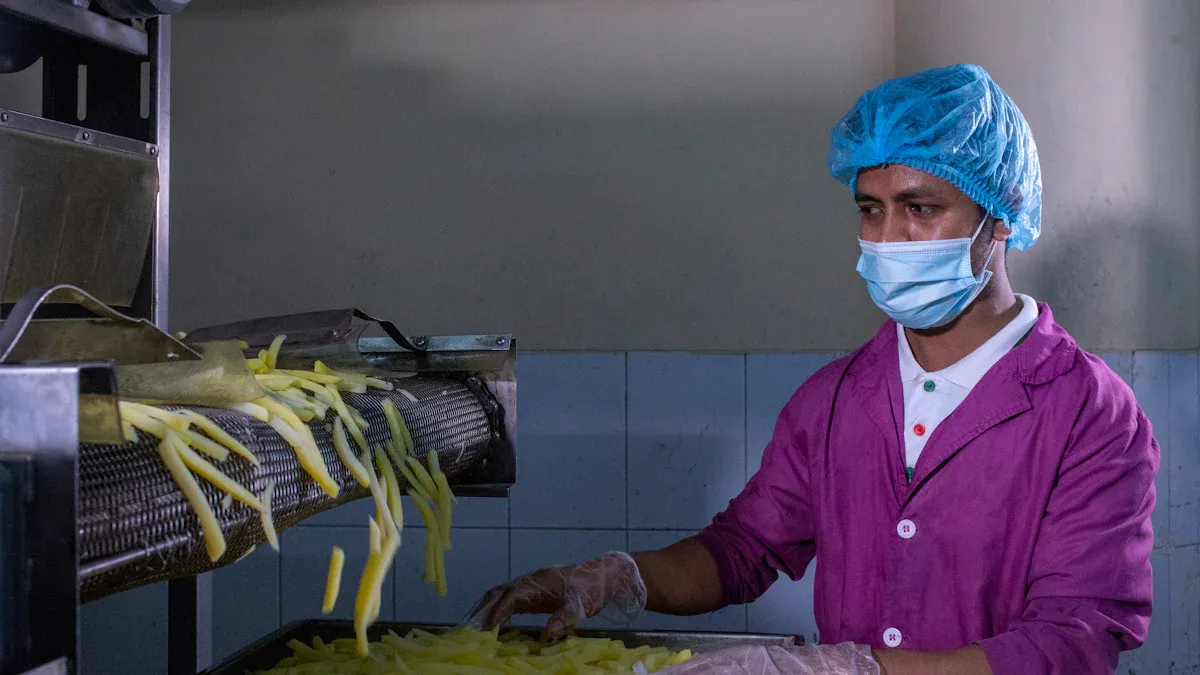
Poultry x-ray inspection systems now offer advanced detection for a wide range of contaminants. These systems can identify ferrous and non-ferrous metals, glass, ceramics, stones, bones, rubber, and hard plastics. This versatility reduces false positives and improves food safety. The Ishida IX-PD system, for example, uses advanced sensors and image processing to deliver higher sensitivity and clearer images than traditional x-ray systems. As a result, processors can detect even small or low-density contaminants that older technologies might miss.
Tip: Modern poultry x-ray inspection systems minimize costly rework by accurately detecting contaminants and allowing for easy removal.
Recent innovations include dual energy technology and AI-driven algorithms. Dual energy technology uses two energy wavelengths to isolate and identify bones of various densities, reducing false positives. AI integration enables the system to learn from inspection data, continuously improving accuracy. Machine learning algorithms analyze products in real time, detecting foreign materials that traditional systems may overlook. One major poultry producer increased its chicken breast inspection rate by nearly 380% after adopting AI-powered inspection.
| Innovation Type | Description |
|---|---|
| Dual Energy Technology | Identifies bones of various densities, reducing false positives. |
| AI Integration | Learns from data to improve accuracy and detect low-density contaminants. |
| Photo-Counting Technology | Enhances imaging quality and lowers operational costs. |
Manufacturers have focused on reliability and durability in new poultry x-ray inspection systems. Photo-counting technology eliminates traditional wear parts, which lowers maintenance costs and increases uptime. High-speed detection supports efficient processing of various poultry cuts, making these systems suitable for large-volume operations. Twin-lane configurations allow simultaneous inspection of multiple products, further boosting throughput and efficiency.
Modern poultry x-ray inspection systems deliver remarkable improvements in detection accuracy and consistency. Processors now rely on technology that identifies bone fragments as small as 2 mm with 99% reliability. The SensorX system sets industry standards by maintaining a false-positive rate below 3%. These advancements help processors minimize the risk of recalls and customer complaints. Enhanced detection capabilities ensure that only safe, high-quality products reach consumers.
Detects bone fragments down to 2 mm with 99% reliability
Maintains a false-positive rate of less than 3%
Improves product quality and reduces risk of recalls
Processors benefit from consistent contaminant detection, which strengthens food safety programs and builds consumer trust.
False rejects can disrupt production and increase costs. Advanced poultry x-ray inspection systems use sophisticated algorithms and imaging technologies to distinguish between actual contaminants and harmless product variations. This precision reduces unnecessary product rejection, allowing processors to maximize yield and minimize waste. Lower false reject rates also contribute to smoother operations and improved profitability.
Poultry processors experience significant operational efficiency gains after integrating advanced x-ray inspection systems. Immediate identification of foreign contaminants allows teams to address issues without halting production. Increased throughput and enhanced precision result from streamlined inspection processes. AI and machine learning technologies support predictive maintenance and informed decision-making, which optimize operational metrics and reduce downtime.
Teams achieve higher productivity and lower operational costs by leveraging real-time contaminant detection and automated system adjustments.
Poultry x-ray inspection systems play a vital role in elevating product quality and ensuring food safety compliance. The following table highlights key impacts:
| Impact Area | Description |
|---|---|
| Contaminant Detection | X-ray systems detect bone fragments and foreign objects, crucial for product safety. |
| Compliance with Safety Standards | Helps manufacturers meet stringent safety regulations, enhancing overall compliance rates. |
| Quality Control Improvement | Integration leads to better quality control measures, reducing product recalls and enhancing trust. |
Processors enhance food safety programs by ensuring only safe products reach consumers. Early contaminant detection reduces financial losses from recalls and safeguards brand reputation. Consistent quality control measures foster trust among retailers and end-users.
Processors face a significant financial commitment when upgrading to the latest poultry x-ray inspection systems. The initial costs for these advanced machines exceed those of legacy systems, creating a challenge for small and medium-sized enterprises. Many companies must consider not only the purchase price but also the expenses related to deployment and integration. Despite the higher upfront investment, long-term savings often offset these costs. Automated inspection reduces labor expenses per unit and enhances safety and compliance. Companies report payback periods as short as 15 months, especially when operational savings and liability mitigation are factored in.
| Evidence Type | Details |
|---|---|
| Return on Investment | Operational savings realized through labor cost reductions per inspected unit. |
| Payback Period | Examples show payback periods as short as 15 months in related automated testing implementations. |
| Liability Mitigation | Enhanced compliance via reliable contaminant detection helps mitigate recall risks, potentially saving millions in liabilities. |
Automated x-ray inspection enables non-destructive detection of contaminants and quality defects. Adoption surged after major recalls in the 2000s, as processors prioritized food safety and regulatory compliance.
Modern poultry x-ray inspection systems feature sophisticated technology that improves detection capabilities. For example, the 400 RMI model identifies bone shards as small as 2-3mm, surpassing older systems that struggled with density-based detection. This increased complexity means maintenance requirements differ from previous models. Advanced systems may require specialized technicians and more frequent calibration. However, many manufacturers have designed these machines to minimize downtime and reduce the need for replacement parts. Enhanced reliability and durability help lower overall operating expenses, even as the technology becomes more intricate.
Poultry processors measure return on investment by tracking yield improvement and waste reduction. Advanced x-ray machines, such as the Eagle dual-lane system, have nearly eliminated bones in boneless products and doubled output. Processors can run different products simultaneously, increasing flexibility and throughput. Quality managers report contaminant-free products, which supports growth and market expansion. Factory directors praise these machines for pinpointing foreign matter and adapting to new detection requirements.
Dramatic reduction of bones in boneless products
Ability to double output or run multiple products at once
Contaminant-free products support market growth
Machines can be programmed to identify various unwanted substances
| Key Performance Indicator | Description | Impact on ROI |
|---|---|---|
| Overall Equipment Effectiveness | Measures machine uptime, process yield, and speed | Higher OEE leads to better ROI |
| Process Yield | The amount of product that meets quality standards | Reducing false rejects increases yield |
| False Rejects | Good product mistakenly rejected | Minimizing false rejects improves efficiency and ROI |
Processors who invest in poultry x-ray inspection systems experience higher yields and less waste. Improved detection accuracy and reduced false rejects contribute to better overall equipment effectiveness and stronger financial returns.
Operators value systems that simplify daily tasks and reduce training time. Manufacturers design interfaces with intuitive controls and clear displays. Teams benefit from user-friendly software that streamlines inspection workflows. Advanced image processing algorithms help operators identify contaminants quickly. Comprehensive support services ensure that users resolve issues without delay.
User-friendly software improves efficiency.
Advanced image processing algorithms enhance detection.
Comprehensive support services support operators throughout the process.
Note: Easy-to-use systems reduce errors and boost productivity, especially during shift changes or when onboarding new staff.
Successful integration of poultry x-ray inspection systems depends on several factors. Companies must plan carefully to avoid production delays. Coordination between installation teams and production staff ensures smooth transitions. Conveyor belt speed must match the inspection system’s capabilities. Proper placement within the line maximizes efficiency and minimizes bottlenecks. Communication with other equipment supports seamless operation. Space constraints and maintenance needs also influence integration outcomes.
| Factor | Description |
|---|---|
| Planning | Careful planning is essential for successful integration. |
| Coordination | Collaboration with production line teams is necessary. |
| Conveyor Belt Speed | The speed of the conveyor belt must be compatible with the system. |
| System Placement | Proper placement within the line is crucial for efficiency. |
| Communication | Effective communication with other equipment is vital. |
| Space Constraints | Space limitations must be considered during integration. |
| Speed of Production | The overall speed of production impacts the process. |
| Ease of Maintenance | Maintenance considerations affect system effectiveness. |
Manufacturers provide extensive resources to help processors maximize system performance. Equipment selection guidance ensures that companies choose the right solution for their needs. Installation support reduces downtime and accelerates deployment. Operator training programs teach staff how to use the system efficiently. Ongoing support services address technical issues and provide updates as technology evolves.
Equipment selection
Installation assistance
Ongoing support
Tip: Continuous support and training help processors maintain high standards and adapt to new inspection requirements.
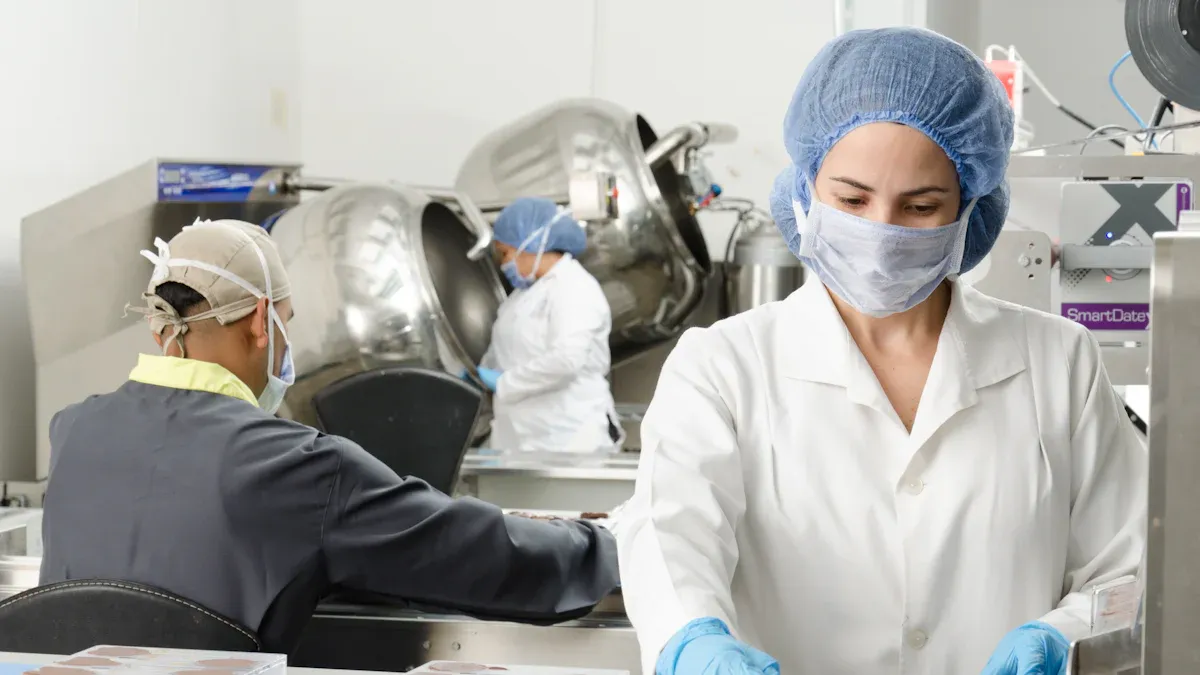
Industry experts evaluate the cost-benefit ratio of advanced poultry x-ray inspection systems by considering both financial and operational factors. They highlight the following cost aspects:
| Cost Aspect | Details |
|---|---|
| Initial Investment | Ranges from $50,000 to $200,000 depending on capabilities and specifications. |
| Operational Costs | Includes maintenance, energy consumption, and staff training, adding to financial burden. |
| Adoption Challenges | High costs are a barrier for small and medium-sized enterprises, especially in emerging economies. |
Experts emphasize several advantages:
Advanced detection capabilities through dual-energy systems and machine learning algorithms.
Enhanced safety and quality assurance leading to reduced product recalls.
Improved compliance with regulatory standards.
Despite these benefits, experts note that high capital and maintenance costs deter smaller processors from adopting new technology. Integrating advanced systems into existing production lines presents operational difficulties. Many companies face challenges with infrastructure and require significant adjustments to accommodate new equipment.
Processors and early adopters share practical insights about implementation. They report several challenges:
Infrastructure limitations, such as inadequate space or power supply, hinder adoption.
The complexity of existing supply chains can cause delays and increase costs.
High capital costs create barriers for smaller processors.
Specialized maintenance and the need for skilled personnel elevate expenses.
Operational adjustments are necessary to integrate new systems.
Staff training ensures effective use of technology.
Processors recognize the value of improved contaminant detection and product safety. They also acknowledge the need for ongoing support and training to maximize system performance. Many believe that successful adoption depends on careful planning and collaboration across teams.
Poultry x-ray inspection systems deliver strong value for processors. These systems improve detection accuracy, reduce waste, and support food safety compliance. Many industry experts recommend upgrading to advanced models. Processors seeking higher efficiency and product quality should consider this investment.
| Contaminant Type | Examples |
|---|---|
| Metals | Ferrous, non-ferrous |
| Non-metals | Glass, bone, ceramics |
| Others | Stones, rubber, plastics |
Most operators learn basic functions within one day. Advanced features may require additional training, which manufacturers typically provide during installation.
X-ray inspection does not alter product quality or taste. The process uses non-destructive imaging, ensuring the poultry remains safe and unchanged for consumers.

We provide you with comprehensive foreign trade solutions to help enterprises achieve global development
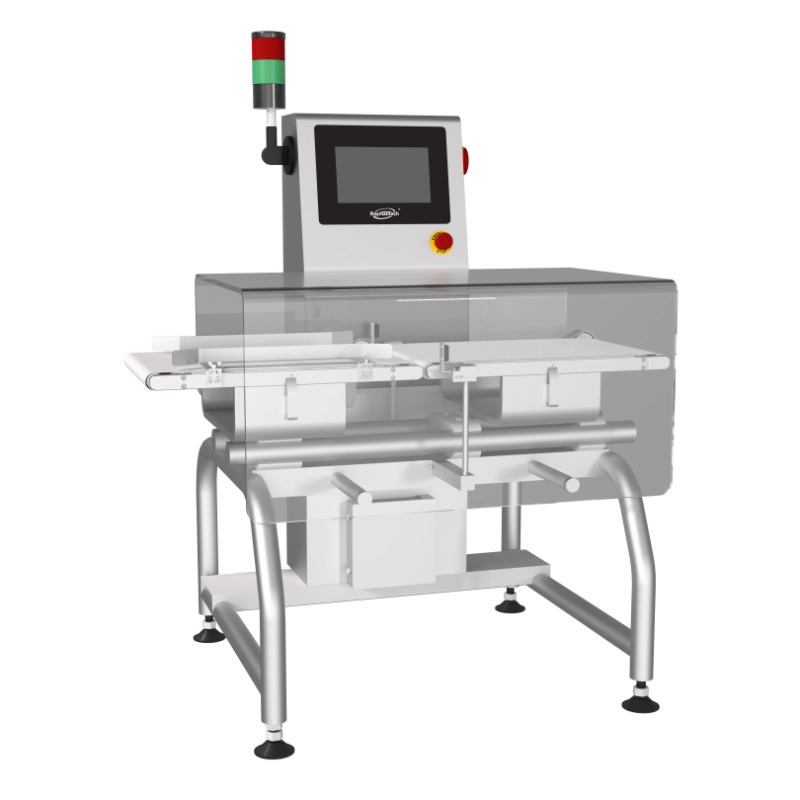
Check product weight on the production line and re...
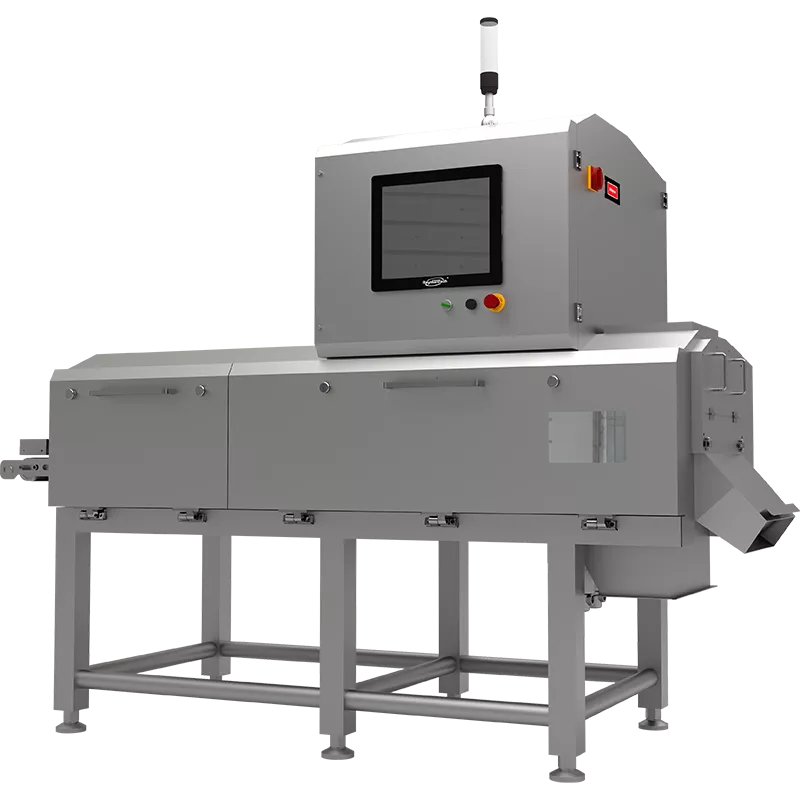
Conventional and unconventional contaminant detect...
.webp)
Automatic recognition and rejection, fish bone ins...
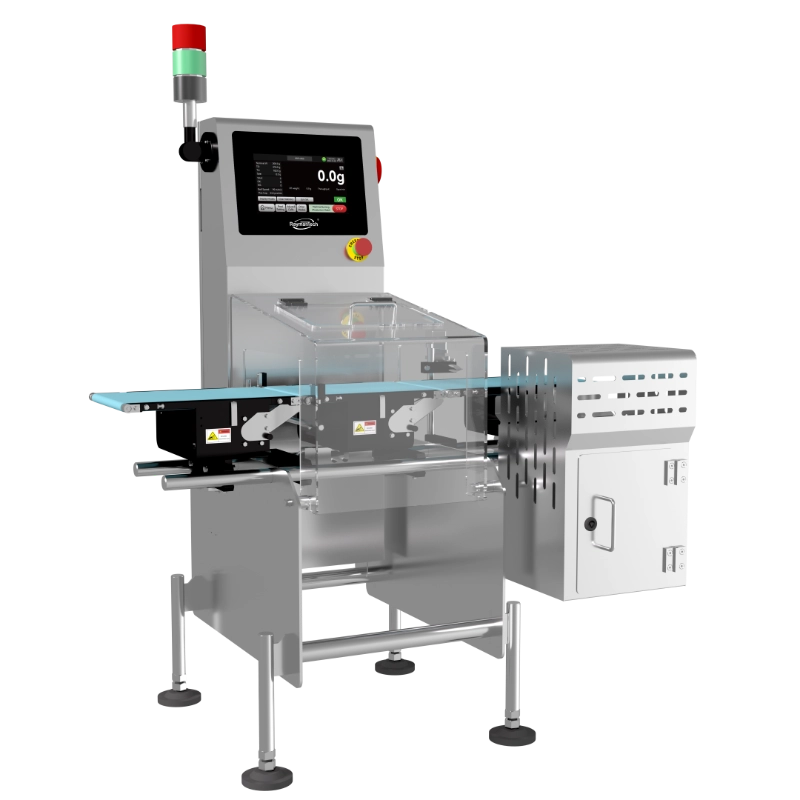
RaymanTech High-Speed Checkweigher delivers dynami...
Select the most popular foreign trade service products to meet your diverse needs
Select the most popular foreign trade service products to meet your diverse needs



.webp)



User Comments
Service Experience Sharing from Real Customers
James Wilson
Quality Assurance ManagerThis poultry x-ray inspection system has revolutionized our bone fragment detection process. The accuracy is exceptional, and the false positive rate is remarkably low. It has significantly boosted our consumer safety standards and production line confidence.
Sarah Chen
Plant Operations DirectorA reliable and robust machine. The integration into our high-speed line was smooth, and the image clarity for detecting small contaminants is impressive. It's a critical investment for any modern poultry facility focused on food safety.
Robert Garcia
Food Safety TechnicianAs someone who works hands-on with inspection daily, the user interface is intuitive and the automatic rejection system is highly precise. It has drastically reduced manual inspection labor and improved our overall HACCP compliance. Excellent performance.
Emily Park
Procurement SpecialistFrom a cost-benefit perspective, this x-ray unit delivers outstanding value. The reduction in product recall risk and enhancement of brand protection is undeniable. The supplier's technical support was also top-notch during installation and training.