 English EN
 中国 CN
中国 CN
.png)
Safe Paws, Happy Hearts: Mastering Pet Food Safety with Advanced X-Ray Inspection
As pet owners increasingly view their companions a...
More

Ready meal x-ray inspection provides a reliable way to improve food safety and product quality. This technology detects many physical threats and supports consistent quality. However, it cannot identify every risk and may present operational hurdles. Recognizing both strengths and weaknesses allows informed decision-making.

Ready meal x-ray inspection systems play a critical role in identifying physical contaminants that threaten food safety. These systems excel at detecting a wide range of foreign materials in ready meals, especially in meat, poultry, and seafood products. The following table highlights the most commonly detected contaminants:
| Contaminant Type | Description |
|---|---|
| Metal | Detected down to .4 mm in fish and poultry applications |
| Bone | Commonly found in meat and poultry products |
| Dense Plastic | Identified as a foreign body contaminant |
| Other Dense Materials | Includes various materials that are not low-density |
X-ray inspection can identify metal fragments, bone pieces, dense plastics, and other dense materials. This capability helps manufacturers prevent contaminated products from reaching consumers and supports a safer food supply.
Ready meal x-ray technology offers non-destructive inspection, which means products remain intact and unaffected during the process. This method preserves the taste, flavor, and nutritional value of ready meals, as confirmed by the U.S. Food and Drug Administration and the World Health Organization. The table below summarizes the impact of x-ray inspection on product integrity:
| Source | Evidence |
|---|---|
| U.S. Food and Drug Administration | X-ray inspection does not change the taste, flavor, or nutritional value |
| World Health Organization | Food can undergo extensive X-ray scans without compromising quality |
Manufacturers rely on x-ray systems for accurate weight measurements, contaminant detection, and component verification. These systems resist external factors such as vibrations and air currents, which often affect conventional checkweighers. The following table outlines the main benefits for quality assurance:
| Benefit | Explanation |
|---|---|
| Accurate Weight Measurements | Ensures each ready meal meets quality standards |
| Contaminant Detection | Enhances food safety and quality assurance |
| Component Verification | Confirms all components are present and correctly positioned |
| Resistance to External Factors | Unaffected by vibrations or air currents |
| Selective Area Weighing | Monitors specific areas within a ready meal |
| Full Traceability | Provides images for quality assurance investigations |
| Process Monitoring | Identifies and rectifies in-process variations, reducing complaints and waste |
Ready meal x-ray inspection helps manufacturers meet stringent food safety regulations. These systems are recognized as the gold standard for detecting foreign objects and provide high sensitivity for identifying multiple contaminants at once. Compliance with international standards is essential for market access and consumer safety. The table below lists key regulatory standards:
| Regulatory Standard | Description |
|---|---|
| HACCP | Hazard Analysis and Critical Control Points, a preventive approach to safety |
| IFS | International Food Safety, audits food safety and quality |
| GFSI | Global Food Safety Initiative, improves food safety management |
| ISO | International Standard Organization, sets standards for food safety |
Manufacturers use ready meal x-ray systems to comply with HACCP, FDA, USDA, and other international standards. This commitment ensures products meet legal requirements and industry expectations.
In the competitive ready meal sector, brand reputation depends on consistent product safety and quality. X-ray inspection systems help manufacturers avoid costly recalls and reputational damage by detecting contaminants and product defects before products reach consumers. Major retailers often require suppliers to use x-ray systems as part of their food safety programs. The following points illustrate how x-ray inspection supports brand protection:
X-ray inspection ensures food safety and quality, building consumer trust in food brands.
It helps avoid costly recalls and reputational damage by detecting contaminants and product defects.
Major retailers demand suppliers use x-ray systems as part of food safety and quality assurance programs.
Manufacturers who invest in ready meal x-ray technology demonstrate a commitment to quality. This approach leads to satisfied consumers, reduced waste, and a stronger brand image.
Ready meal x-ray inspection systems excel at identifying many dense foreign materials, but they cannot detect every type of contaminant. Low-density contaminants, such as hair, thin plastic films, or certain types of wood, often escape detection. These materials share similar densities with the food itself, making them nearly invisible to x-ray imaging. As a result, manufacturers must combine x-ray inspection with other quality control methods to address these blind spots. This limitation highlights the importance of a multi-layered approach to food safety.
The financial investment required for ready meal x-ray systems can be substantial. Manufacturers face high initial purchase prices, ongoing maintenance, and additional operational costs. The following table outlines typical expenses associated with installing and maintaining these systems:
| System Type | Cost Range | Additional Costs |
|---|---|---|
| Entry-level systems | $40,000 - $70,000 | Installation: $5,000 - $15,000 |
| Training: $2,000 - $5,000 | ||
| Integration: $3,000 - $20,000 | ||
| Mid-range systems | $70,000 - $120,000 | |
| High-performance systems | $120,000 - $250,000+ | |
| Direct Operating Costs | Electricity: $500 - $2,000/year | |
| Preventive maintenance: $2,000 - $5,000/year | ||
| Calibration: $1,000 - $3,000/year |
Compared to metal detectors, x-ray inspection systems require higher maintenance and operational costs. Specialized training is necessary for staff to operate and maintain the equipment. The table below compares maintenance requirements for different inspection technologies:
| Inspection Technology | Maintenance Requirements | Operational Costs | Specialized Training Needs |
|---|---|---|---|
| X-Ray Inspection | Higher | Higher | Yes |
| Metal Detectors | Lower | Lower | No |
These expenses can create barriers for small and medium-sized enterprises. The need for specialized training and regular calibration adds to the total cost of ownership.
Manufacturers report several operational challenges when using x-ray inspection for ready meals. The most common issues include:
Substantial financial outlay for system purchase and integration.
Ongoing expenses for maintenance, energy consumption, and safety certifications.
High initial investment, which can reach up to $200,000, especially for advanced systems.
Economic constraints, particularly in emerging markets and for smaller businesses.
The necessity for proper staff training to interpret x-ray images and minimize errors.
Technical limitations with certain product types, which can affect inspection accuracy.
Note: Small and medium-sized enterprises often struggle to justify the investment in ready meal x-ray systems due to limited resources and high operational costs.
No inspection system is perfect. Ready meal x-ray technology can produce both false positives and false negatives, each with significant consequences:
False positives may result in unnecessary product rejection and wastage.
Time and resources are lost investigating incidents that did not actually occur.
False negatives allow contaminated products to reach consumers, posing serious health risks.
Product recalls and financial losses can arise from undetected contaminants.
Increased costs stem from product rejection and additional quality checks.
Manufacturers must balance the benefits of x-ray inspection with the risks of these errors. Proper staff training and regular system calibration help reduce the frequency of false results, but they cannot eliminate them entirely.

Metal detection remains a popular choice for food manufacturers. This technology works best for identifying metallic contaminants in small, dry products. However, it faces challenges with ready meals, especially those packaged in foil trays or containing high moisture, salt, or fat. These factors can reduce detection accuracy. The following table compares metal detection and x-ray inspection:
| Technology | Contaminant Detection Capability | Suitability for Packaging |
|---|---|---|
| X-ray Inspection | Detects both metallic and non-metallic contaminants | Effective for all types of packaging, including metallic |
| Metal Detection | Primarily detects metallic contaminants | Best for small, dry products with metal contamination |
X-ray systems can detect metal, glass, plastic, stone, and bone contaminants.
Metal detection systems are less expensive and have a longer lifespan but are limited to metal detection.
X-ray technology can operate at higher line speeds with a lower false reject rate.
Visual inspection relies on human operators to spot defects or contaminants. This method often struggles with consistency and speed. Operators may miss defects due to fatigue or distraction. The table below outlines the main drawbacks:
| Drawback | Explanation |
|---|---|
| Human Error and Fatigue | Operator fatigue or distraction can lead to missed defects, reducing accuracy and consistency. |
| Speed vs. Accuracy | Visual inspection may struggle to keep up with high-speed production, leading to potential errors. |
| Subjectivity | Aesthetic assessments can be subjective, causing inconsistencies between different operators. |
| Limited Detection of Hidden Defects | Only surface-level defects are detectable; internal issues require advanced testing methods. |
Manufacturers now explore advanced inspection technologies to improve food safety. Automated systems offer greater efficiency and reduce false rejects. Enhanced detection accuracy allows identification of contaminants even in blind spots. The table below highlights key features:
| Feature | Benefit |
|---|---|
| Greater efficiency | Automated inspection and rejection ensure high throughput without slowing down production. |
| Reduced false rejects | Detailed 3D analysis prevents unnecessary product waste. |
| Enhanced Detection Accuracy | Identifies contaminants even when deeply embedded within products or in blind spots. |
Many companies use advanced software and Material Discrimination X-Ray (MDX) to boost detection capabilities. Technologies like SimulTask™ perform multiple functions, supporting both contaminant detection and product integrity verification. Ready meal x-ray inspection remains a leading solution, but ongoing innovation continues to raise industry standards.
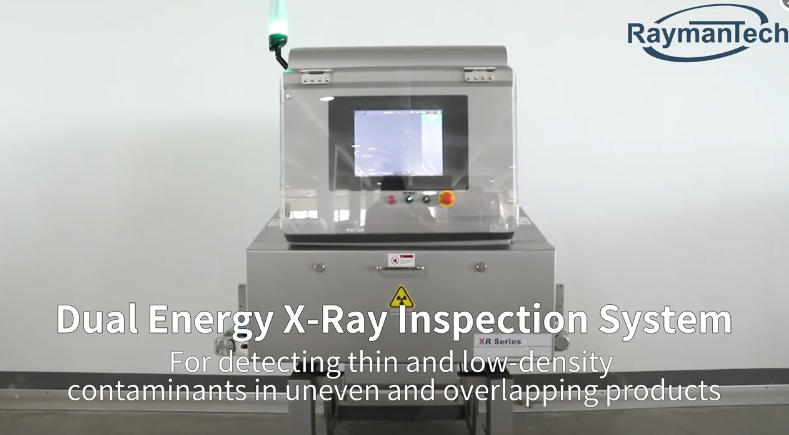
Ready meal x-ray inspection works best for certain product types. Homogeneous packs, such as single-ingredient meals or purees, allow for easier contaminant detection. Products with consistent density provide clear images, making it simple to spot foreign objects. In contrast, meals with high density variations—like layered casseroles or granola-based dishes—can challenge detection accuracy. Dual-energy x-ray systems help address these challenges by distinguishing between different material densities.
The following table summarizes key factors that influence suitability:
| Factor | Description |
|---|---|
| Type of Product | Homogeneous packs are easier to inspect; varying absorption in food packs complicates detection. |
| High Density Variations | Products with varying densities, like granola, challenge detection; dual energy systems help. |
| Thickness/Depth of Product | Increased thickness requires more x-ray energy, which can reduce sensitivity to contaminants. |
| Production Line Speed | Higher speeds increase noise, affecting detection quality due to less integration time on detectors. |
Manufacturers should evaluate these factors when selecting x-ray inspection for their ready meal lines.
Several considerations guide investment in x-ray inspection systems. Operational efficiency stands out as a primary driver. Advanced x-ray systems can perform multiple inspection tasks at once, increasing productivity and reducing the risk of costly recalls. Many manufacturers see a strong return on investment because these systems offer a low cost of ownership and help boost Overall Equipment Effectiveness (OEE).
Key investment factors include:
Long-term cost-benefit analysis, as initial expenses often pay off through improved safety and fewer recalls.
System placement, which can provide unique advantages over traditional inspection methods.
Supplier control, since relying on external contamination control can limit sourcing options.
The choice between dual-energy and standard systems, balancing sensitivity with maintenance needs.
The importance of selecting a reliable partner for ongoing maintenance and support.
Regular validation studies to ensure system performance under real production conditions.
Investing in x-ray inspection demonstrates a commitment to food safety and quality, strengthening both customer trust and business partnerships.
Ready meal x-ray inspection delivers strong safety and quality benefits, but it does not fit every situation. Manufacturers weigh features carefully when selecting inspection methods:
| Feature | Description |
|---|---|
| High Sensitivity for Diverse Materials | Detects contaminants in eco-friendly packaging |
| Compatibility With Eco-Friendly Materials | Maintains accuracy even if packages deform |
| Energy Efficiency & Low Power Consumption | Supports sustainability goals |
| Accurate Weight & Integrity Inspection | Improves efficiency by combining checks |
| Hygienic, Durable & Easy-to-Maintain Design | Reduces cleaning and maintenance resources |
The best choice depends on product type, risk profile, and operational needs.
X-ray inspection uses low energy levels. The process does not make food radioactive or unsafe. Regulatory agencies confirm its safety for consumers.
X-ray systems detect dense materials like metal, bone, and glass. They cannot identify low-density contaminants such as hair or thin plastic films.
Operators must schedule regular calibration, preventive maintenance, and safety checks. Proper training ensures accurate results and extends equipment lifespan.

We provide you with comprehensive foreign trade solutions to help enterprises achieve global development
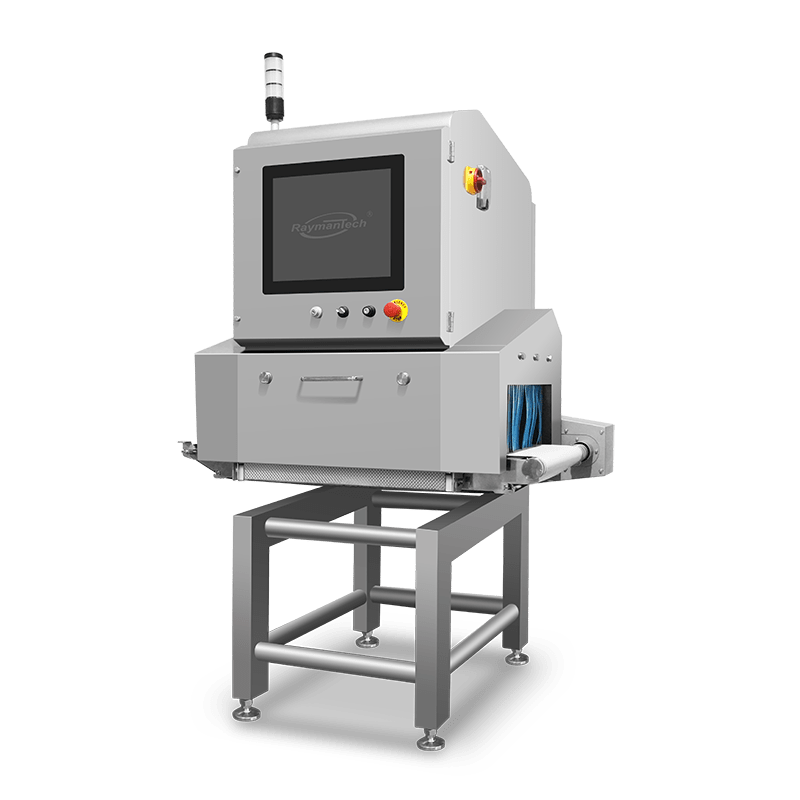
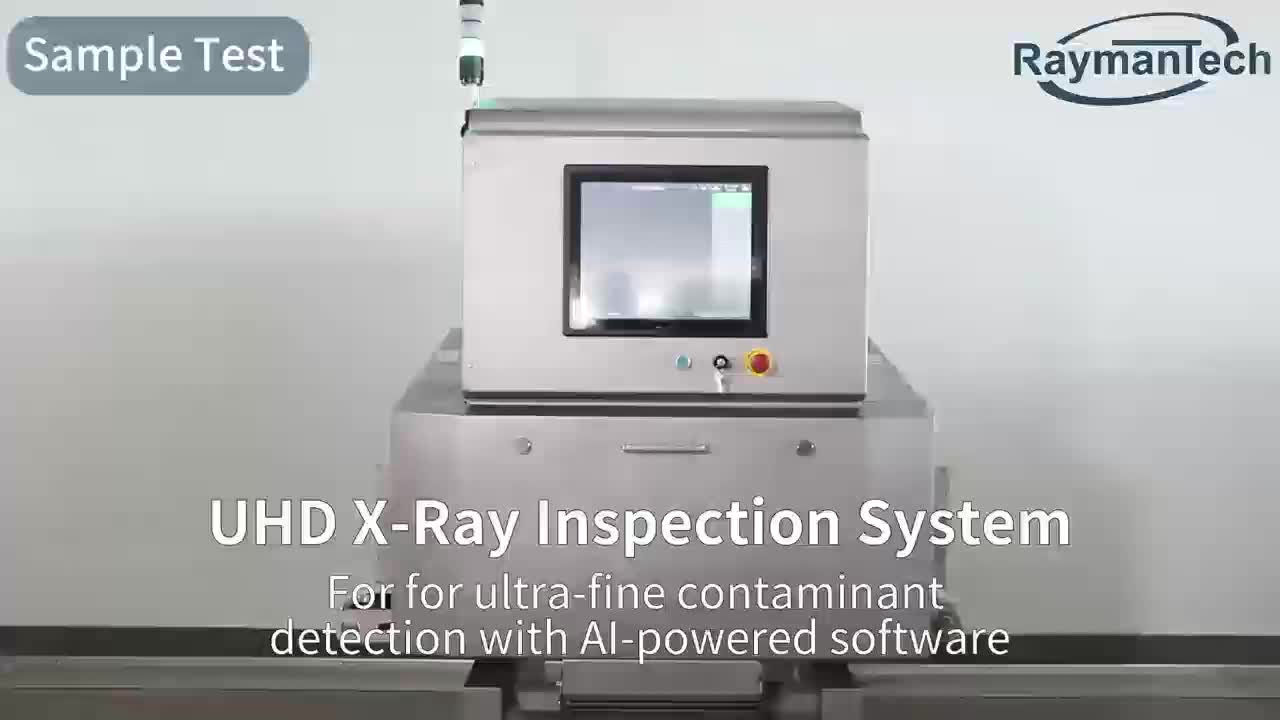
UHD X-Ray detector, AI large model, all food indus...
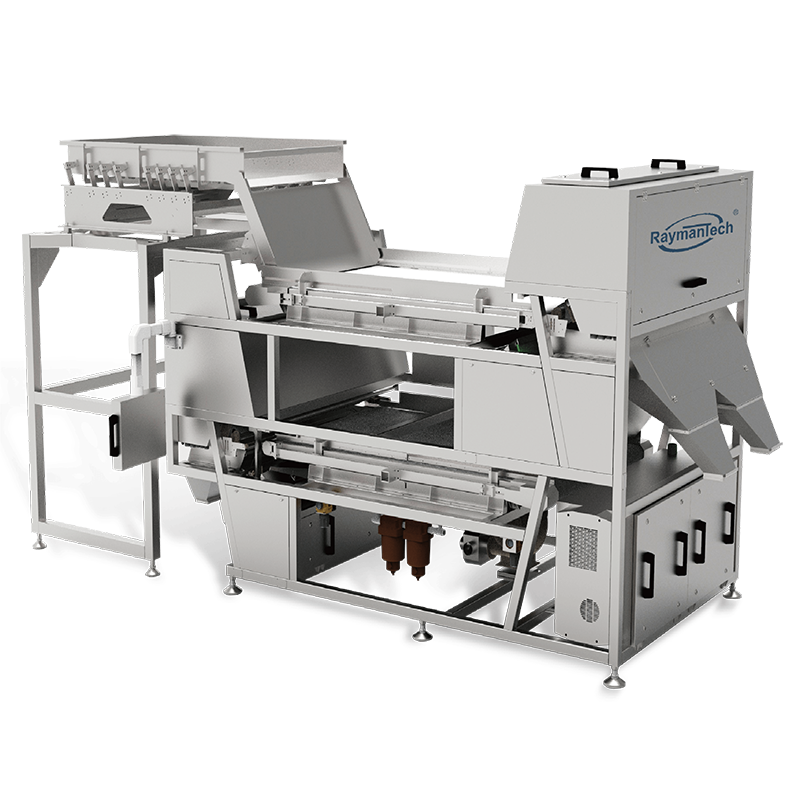
Recommedation: Chili, walnut, peanuts, soybeans, c...
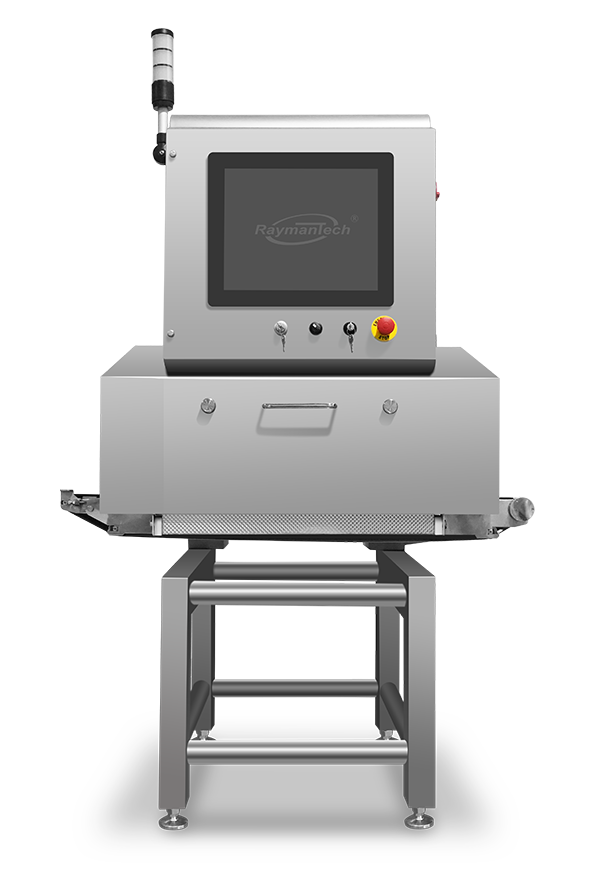
Ultra-fine contaminants detection, UHD X-Ray detec...
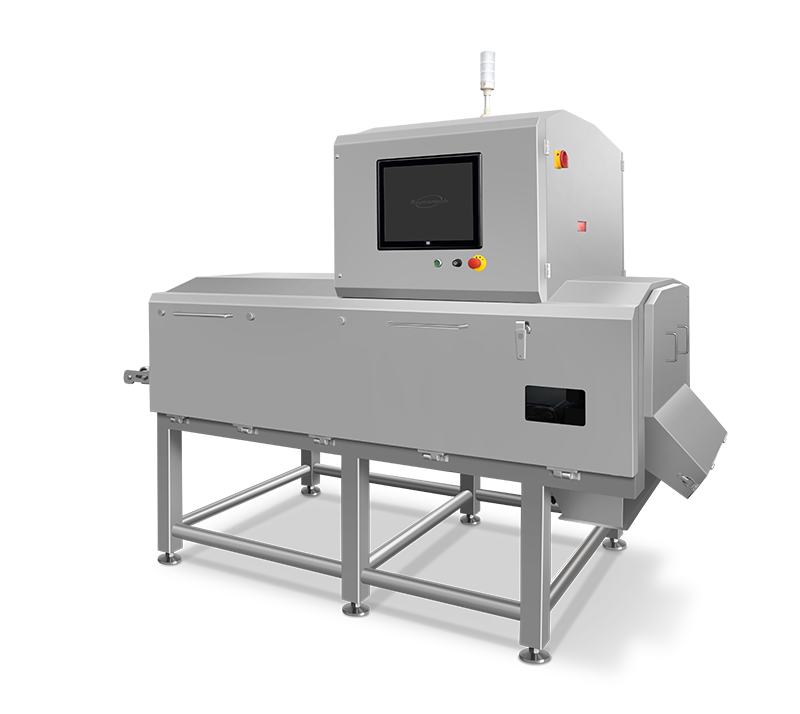
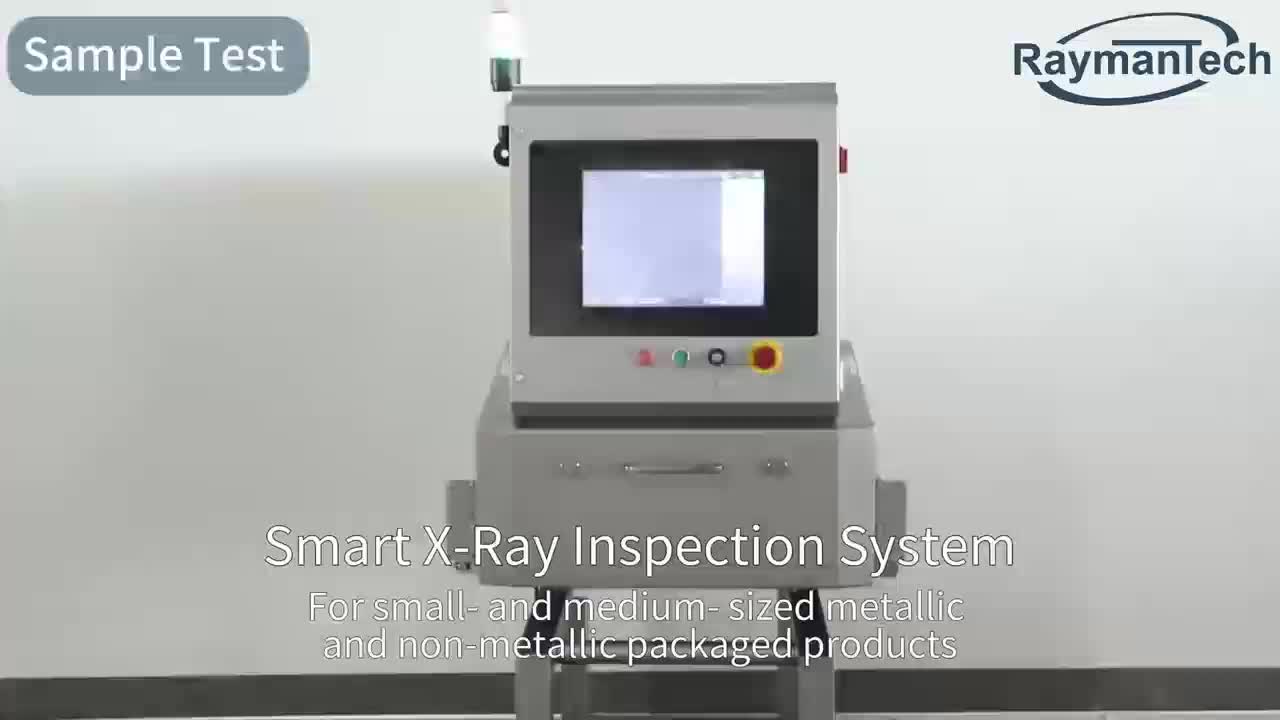
Conventional and unconventional contaminant detect...
Select the most popular foreign trade service products to meet your diverse needs
Select the most popular foreign trade service products to meet your diverse needs







User Comments
Service Experience Sharing from Real Customers
Michael Chen
Quality Assurance ManagerThe X-ray inspection system for our ready meal line has been a game-changer. It detects even the smallest foreign contaminants like metal fragments or glass with incredible accuracy, ensuring our products are 100% safe. A must-have for any food production facility serious about quality.
Sarah Johnson
Production Line SupervisorThis ready meal x-ray machine integrates seamlessly into our high-speed packaging line. It's remarkably reliable and has significantly reduced our risk of costly recalls. The user interface is intuitive for our operators. Minor learning curve for optimal sensitivity settings, but overall excellent.
David Rodriguez
Food Safety ConsultantFrom a compliance perspective, this x-ray system provides impeccable documentation and traceability for every batch of ready meals scanned. It meets and exceeds all major global food safety standards (HACCP, BRC, IFS). Gives our clients and their customers complete peace of mind.
Emily Watson
Research & Development ChefWe use this to inspect our premium ready-to-eat meals. Not only does it ensure safety, but it also performs consistent check-weighing and detects missing components (like a sauce pouch) in complex multi-compartment trays. This protects our brand's reputation for quality and consistency perfectly.