
 English EN
 Germany DE
 French FR
 Portuguese PT
 Spanish ES
RaymanTech Dried Shrimp Sorting Machine Makes Seafood Safer
Seafood safety protects consumers from harmful contaminants. Dried shrimp often contains shells, bones, or foreign objects that threaten health. The Dried Shrimp Sorting Machine uses AI optical and X-ray inspection to remove these risks. Seafood processors, business owners, and quality assurance teams trust this Dried Shrimp Sorting Machine for safer products.

Key Takeaways
The Dried Shrimp Sorting Machine uses advanced AI and X-ray technology to detect and remove harmful contaminants, ensuring safer seafood for consumers.
Automated sorting improves product quality by providing consistent size, color, and safety, which leads to higher customer satisfaction and fewer complaints.
Using this machine helps seafood processors comply with food safety regulations, reducing health risks and enhancing brand trust in the market.
Seafood Contaminant Risks
Common Contaminants in Dried Shrimp
Dried shrimp can contain many types of contaminants. These contaminants enter the product during fishing, processing, or packaging. Some of the most common contaminants found in dried shrimp include:
Meso- and microplastics, which are tiny plastic particles that can be harmful if eaten.
Polyethylene, a type of plastic, is often detected in shrimp samples.
Microbial contamination, which happens at different stages of production. Pathogens like Escherichia coli, Staphylococcus aureus, and Salmonella can be present.
Metals such as arsenic and zinc, which sometimes exceed safe levels.
Foreign materials like shell fragments, stones, and glass.
Poor hygiene and exposure to outdoor environments during drying can increase the risk of contamination. Even after cooking, dried shrimp can become contaminated again if handled improperly.
Health and Quality Concerns
Contaminants in dried shrimp can cause serious health problems. Some metals found in dried shrimp have Hazard Quotient values greater than one, which means they pose a non-carcinogenic health risk. High levels of arsenic and zinc can lead to health effects if consumed over time. Plastics and other foreign materials can also harm the digestive system.
Public health experts recommend better education and improved processing to reduce these risks.
Contaminants also affect the quality and shelf life of dried shrimp. The table below shows how different factors impact safety and consumer acceptance:
Evidence Point | Description |
|---|---|
Microbial Contamination | Pathogens can cause foodborne illnesses and reduce consumer trust. |
Impact on Shelf Life | Contaminants shorten shelf life and lower product quality. |
Factors Influencing Quality | pH, moisture, and handling practices affect safety and acceptance. |
Cooking and Contamination | Cooking helps, but poor hygiene after cooking can reintroduce bacteria. |
Water Activity | Low water activity prevents microbial growth and keeps dried shrimp safe for longer periods. |
The Dried Shrimp Sorting Machine helps seafood processors remove these contaminants, making dried shrimp safer and more appealing to consumers.
Dried Shrimp Sorting Machine Technology
AI Optical and X-Ray Detection
The Dried Shrimp Sorting Machine uses advanced technology to keep seafood safe. It combines artificial intelligence with ultra-high definition cameras and X-ray inspection. The AI Multi Beam Belt Optical Sorter scans dried shrimp from almost every angle. This near 360-degree imaging helps the machine find even the smallest defects or contaminants.
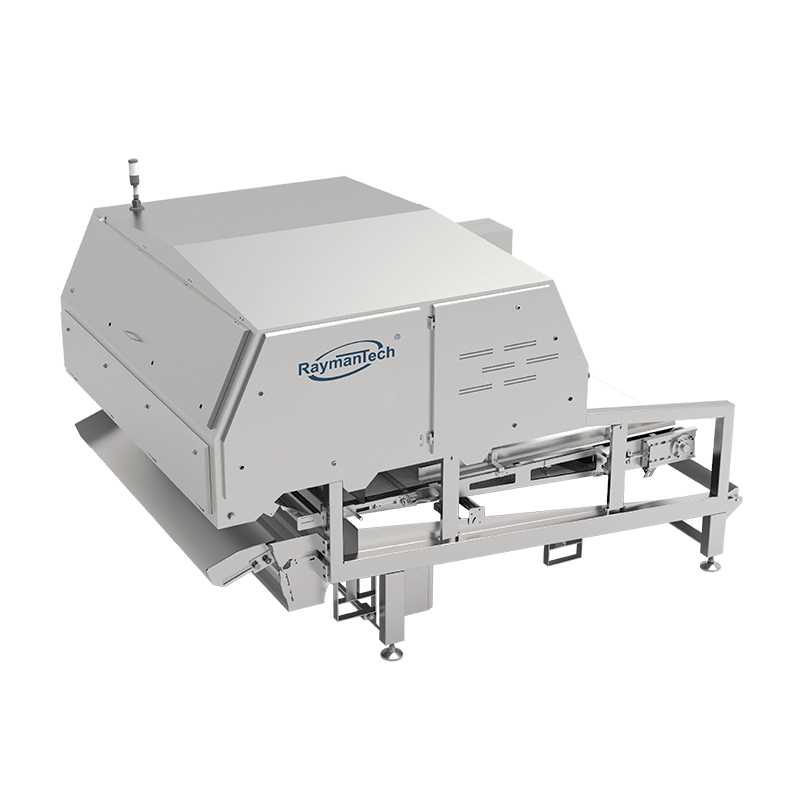
The system uses two main types of detection. The X-ray inspection system checks for high and low-density contaminants. It can also find defects, sealing problems, leaks, and even tiny bones. The AI optical sorting system looks at color, shape, and texture. It sorts out foreign objects and micro impurities that are hard to see with the human eye.
Here is a table that shows what each system can do:
System Type | Capabilities |
|---|---|
AIX-ray Inspection System | High & Low Density Contaminant Inspection, Defect Inspection, Sealing & Leakage Inspection, Bone Inspection |
AI Optical Sorting System | Color & Shape Sorting, Foreign Contaminant Sorting, Defect Sorting, Texture Analysis, Micro Impurity Sorting |
This technology works well in both wet and dry environments. The machine has an IP66 protection rating, which means it can handle water, dust, and even frozen conditions. The quick-release belt makes cleaning and maintenance simple. This keeps the production line running smoothly and reduces downtime.
Types of Contaminants Removed
The Dried Shrimp Sorting Machine removes many types of contaminants. It detects and removes shells, bones, metals, plastics, glass, and stones. The machine also finds and sorts out twigs, ceramics, and seal clips. Even tiny particles like hair, mold, and microplastics do not escape its sensors.
The AI system can spot discoloration, damage, and irregular shapes in shrimp. It also finds shell fragments and seaweed impurities that are hard to remove by hand. This helps seafood processors deliver cleaner and safer products to customers.
Note: Removing these contaminants reduces health risks and improves the quality of dried shrimp.
Sorting Speed and Accuracy
Speed and accuracy are important in seafood processing. The Dried Shrimp Sorting Machine sorts dried shrimp at speeds up to 240 meters per minute. The AI-powered system checks every piece quickly and accurately. It finds defects and contaminants that traditional methods might miss.
The machine uses real-time monitoring and data analysis. This means it can adjust sorting decisions instantly. The result is fewer mistakes and higher product quality. The multi-grade sorting feature lets the machine separate shrimp by quality in one pass. This saves time and reduces the need for manual labor.
Seafood processors can trust this machine to keep up with high production demands. The combination of speed, accuracy, and easy maintenance makes it a valuable tool for any seafood business.
Safety and Quality Benefits
Reduced Health Risks
The Dried Shrimp Sorting Machine helps seafood processors protect consumers from dangerous contaminants. It uses advanced detection to find and remove metal, glass, stones, and even tiny fish bones. Real-time monitoring improves traceability and keeps production safe. The table below shows how these features work together:
Capability | Description |
|---|---|
Safety: Contaminants | Detects and removes metal, glass, and stones, ensuring food safety. |
Identifies even the smallest bones, ensuring boneless products. | |
Real-time Monitoring | Improves traceability and reduces production costs. |
Testing for bacteria like E. coli and Salmonella is also important. The machine supports hygiene standards by reducing the risk of harmful bacteria in dried shrimp.
Consistent Product Quality
Automated sorting creates reliable results. Each batch of shrimp has the same size, color, and quality. This reduces mistakes and keeps customers happy. Seafood processors see fewer complaints and better reviews. The table below highlights these improvements:
Improvement Type | Description |
|---|---|
Consistent and reliable grading | Ensures uniform quality and higher customer satisfaction. |
Reduced labor errors | Minimizes mistakes, improving overall product quality. |
Improved hygienic standards | Keeps products clean and safe. |
Enhanced traceability | Makes it easier to track products and maintain accountability. |
This dual approach ensures seafood products are free from both visible defects and unseen contaminants.
Regulatory Compliance
Meeting food safety rules is essential for export and local sales. The Dried Shrimp Sorting Machine helps processors follow standards set by agencies like the Thai Agricultural Standard. It detects bacteria such as E. coli, S. aureus, and Salmonella spp., which are key indicators of safety.
Real-World Results
Seafood companies using this technology report fewer recalls and higher consumer trust. X-ray inspection shows a strong commitment to quality. Producers can offer shrimp free of contaminants, which builds a positive brand image and supports long-term business growth.
RaymanTech’s Dried Shrimp Sorting Machine removes contaminants and improves seafood safety. Industry experts recommend advanced sorting for better quality control, higher efficiency, less waste, and access to premium markets.
Trend/Technology | Description |
|---|---|
AI and IoT Integration | Real-time defect detection and predictive maintenance improve sorting. |
Seafood businesses can lead with safer, higher-quality products.
FAQ
How does the Dried Shrimp Sorting Machine detect contaminants?
The machine uses AI, ultra-high definition cameras, and X-ray inspection. These tools find and remove shells, bones, metals, plastics, and other foreign objects.
Is the machine easy to clean and maintain?
Yes. The quick-release belt design allows for fast cleaning. The IP66 rating protects the machine in wet, dusty, or frozen environments.
What types of seafood can this machine sort?
The machine sorts dried shrimp, fish, clam meat, shellfish, and seaweed. It works well with both wet and dry seafood products.

Related Articles
-
 Apr-14-2026
RaymanTech X-ray Inspection Systems: The Complete Guide to a Smarter, Safer Production Line
When a single shard of glass, a fragment of bone, or an unnoticed plastic tie can trigger a multimillion-dollar recall and shatter consumer trust, food manufacturers can no longer rely on yesterday’s detection technology. RaymanTech has built an entire ecosystem of X-ray inspection solutions that go far beyond traditional metal detectors, delivering density-based, shape-aware, AI-enhanced inspection across every product format imaginable.learn more -
 Apr-14-2026
How to Improve Shellfish Quality with X-Ray Inspection
Shellfish x-ray inspection detects hidden contaminants like bones, glass, and shells, helping seafood processors ensure safer, higher-quality products.learn more -
 Apr-14-2026
How Safe is X-ray Inspection of Food?
Consumers and manufacturers alike worry about contamination in food – broken glass, metal fragments, plastic or stone – entering a product and harming someone or prompting a recall. X-ray inspection systems have become a key solution: conveyors carrying packaged or unpackaged food pass through a shielded X-ray machine that “sees” inside each item. This technology complements traditional metal detectors and manual checks to catch a wider range of hazards. Importantly, extensive research and industry experience show that food X-ray inspection is extremely safe. Nearly everything we eat – from spices to snacks – is X-rayed at some point during production, and regulatory bodies (like the FDA) report “no known adverse effects” from the low-dose X-ray scans used in food plants.learn more




Follow us:
