 English EN
 中国 CN
中国 CN
.png)
AI + Ultra-HD: The Ultimate AI Optical Sorter for Wet Processed Meat Lines
Optical sorting technology has become indispensabl...
More

Selecting the right processed meat products optical sorter hinges on three primary factors. First, the specific detection technology must find contaminants like bone, plastic, and metal. Second, the equipment's hygienic design needs to meet stringent sanitation requirements. This prevents microbial contamination and ensures food safety. Third, the sorter's throughput capacity must align with existing production line speeds to maintain operational efficiency.
Choosing the right sorter involves more than just comparing spec sheets. Processors must analyze three critical areas: the technology's ability to find specific contaminants, the machine's sanitary construction, and its capacity to integrate smoothly into the existing production line. A failure in any one of these areas can compromise food safety and create costly operational bottlenecks.
The primary function of a sorter is to identify and remove foreign material. Different technologies excel at detecting different types of contaminants. A facility's choice of technology must align with the most common risks associated with its products.
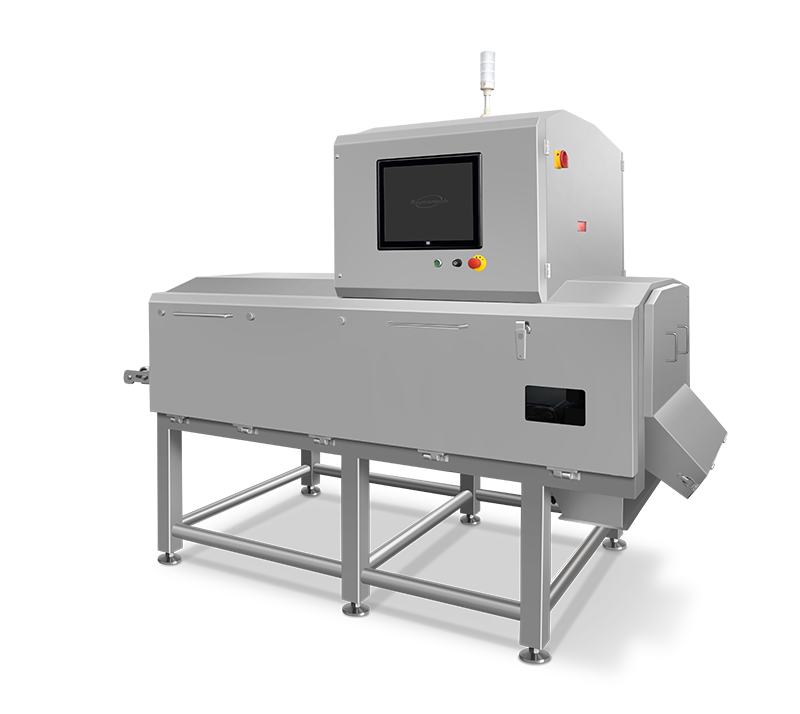
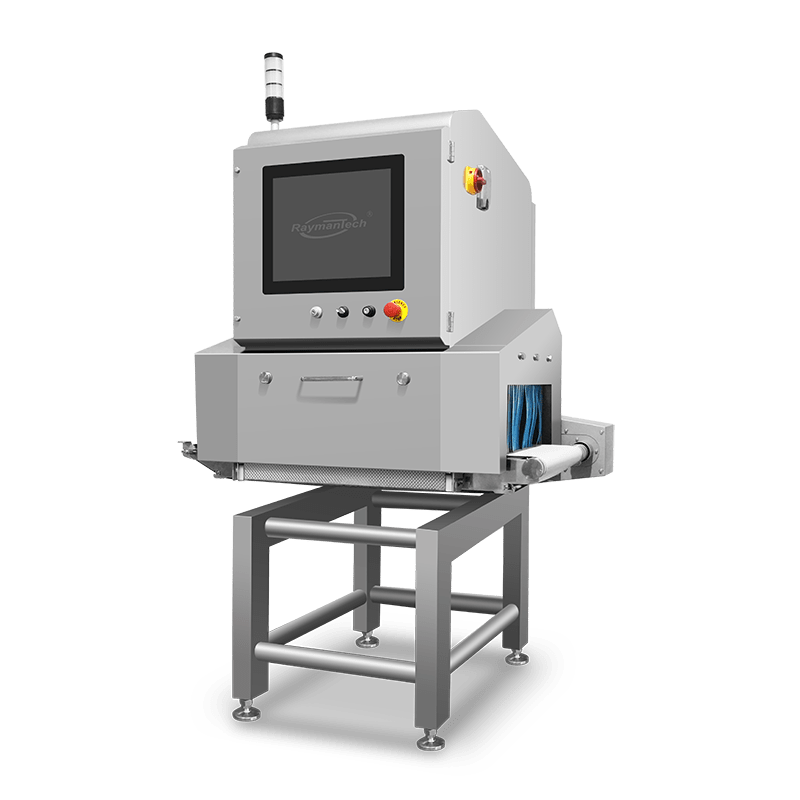
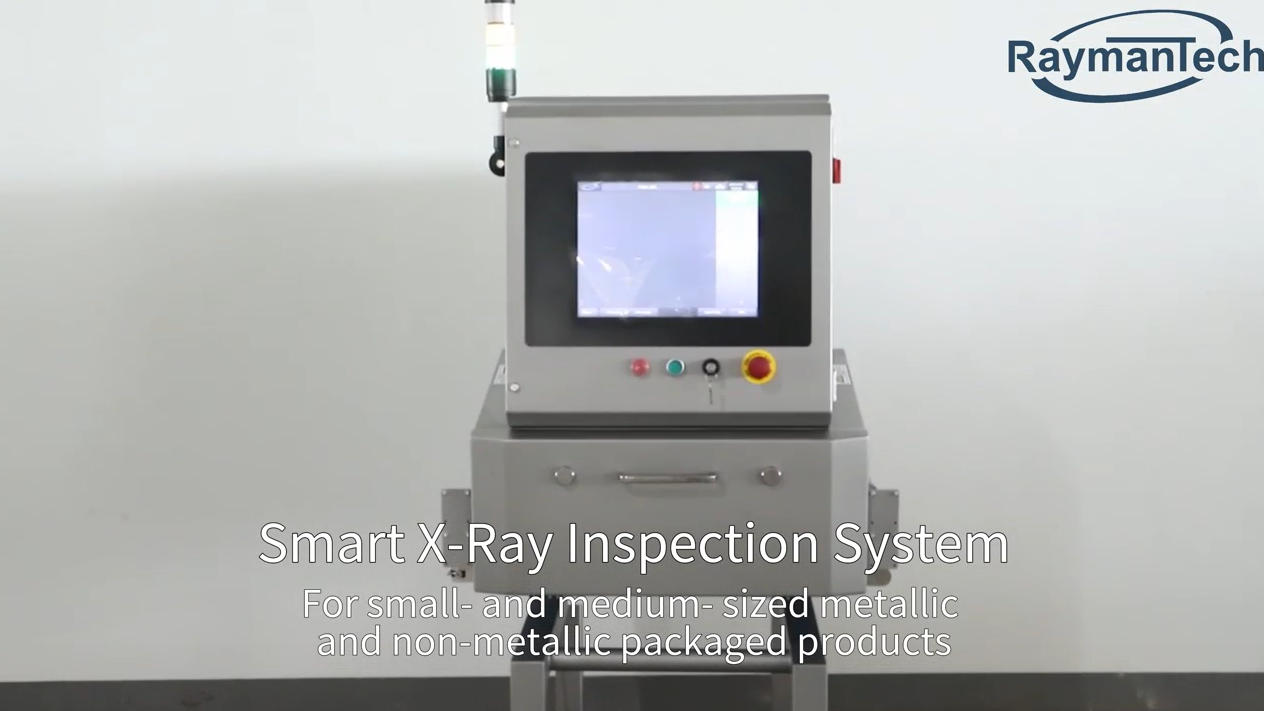
X-ray Systems: This technology is a common choice for detecting high-density foreign materials. It effectively identifies contaminants like metal, glass, and calcified bone fragments. However, X-ray systems rely on density differences. They can struggle to create clear contrast images when contaminants are small or when the product itself is not uniform. This limitation makes detecting low-density materials like soft plastics, wood, or cartilage difficult. Some studies show X-ray technology can have a significant error rate in commercial facilities, especially for these low-density items.
Hyperspectral Imaging (HSI): HSI technology offers a powerful alternative. It moves beyond simple density detection by acquiring both spatial and spectral information from the product. Every material has a unique spectral fingerprint. HSI systems use this data to identify contaminants based on their chemical composition. This makes HSI exceptionally effective at finding low-density foreign materials that X-ray systems often miss, such as different types of plastic in minced meat.
Note: The effectiveness of a detection system is paramount. A processed meat products optical sorter using HSI can reliably detect both high-density bone and low-density plastics, offering a more comprehensive safety net than systems relying solely on density.
Processed meat environments are a prime breeding ground for microbial growth. Therefore, the sorter's design must facilitate fast, easy, and effective sanitation. Equipment that is difficult to clean can harbor bacteria, leading to cross-contamination and potential recalls.
Processors should look for machines with features that meet or exceed USDA and other sanitary standards. Key design elements include:
| Feature | Benefit |
|---|---|
| Sloped Surfaces | Prevents water from pooling and encourages drainage. |
| Minimal Fasteners | Reduces crevices where product and microbes can accumulate. |
| Tool-less Disassembly | Allows sanitation crews to quickly access all product contact areas. |
| IP69K Rating | Ensures the machine can withstand high-pressure, high-temperature washdowns. |
| Stainless Steel Construction | Provides a durable, non-porous, and corrosion-resistant surface. |
A sorter with a superior hygienic design not only enhances food safety but also reduces cleaning time and labor costs, contributing to greater operational uptime.
An optical sorter must keep pace with the rest of the production line. A system with insufficient capacity will create a bottleneck, slowing down the entire operation. Conversely, an oversized system represents an unnecessary capital expense.
High-performance optical sorters for meat processing typically handle capacities ranging from 1 to 20 tons per hour. Some advanced systems use precision air jets to remove defects at rates up to 15 tons per hour without slowing production. Processors must select a machine whose capacity aligns with their facility's current and projected output.
Successful integration goes beyond just matching speed. The sorter must work seamlessly with existing equipment.
Physical Placement: Sorters can be installed at various points, such as after a freezer and before weighing equipment, to maximize effectiveness.
System Communication: Modern control systems can link the sorter with other conveyors and machinery. This connection balances product flow and prevents jams by coordinating equipment based on real-time production rates.
Data Management: Confirming compatibility with existing data management and quality systems is crucial. This ensures seamless data flow for compliance tracking and process optimization.
Proper integration ensures the sorter enhances production flow rather than hindering it.

Beyond core factors, processors must evaluate the specific technologies and physical machine configurations available. The optimal choice depends on the product type, common contaminants, and the desired level of precision. A careful assessment in this stage ensures the selected system delivers maximum safety and efficiency.
Each detection technology offers distinct advantages. X-ray systems excel at finding high-density items like metal but can struggle with low-density contaminants. In fact, X-ray technology can have a critical error rate up to 40% when detecting small bone fragments in some applications. Hyperspectral imaging (HSI) provides a more robust solution by analyzing a material's unique chemical signature, enabling it to reliably find low-density plastics and other foreign objects that X-rays miss.
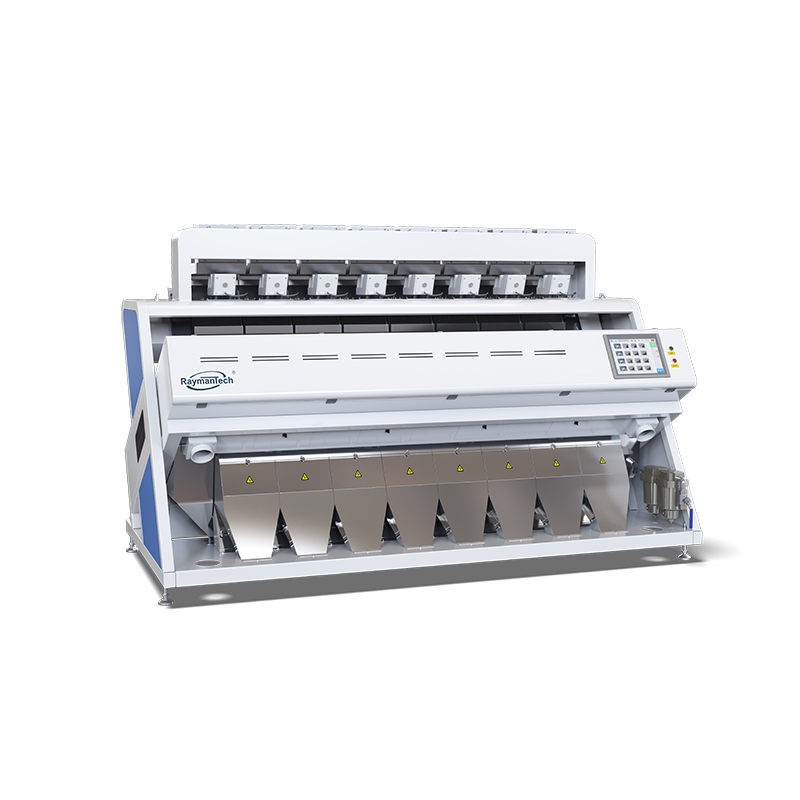
Camera-based systems, or color sorters, specialize in surface inspection. They effectively identify defects based on color and shape. These systems are ideal for spotting issues like incorrect breading on a chicken patty or finding foreign material like a piece of a blue glove on cooked meat surfaces.
The physical configuration of a processed meat products optical sorter is critical for product handling.
Belt Sorters: These systems convey products on a flat, moving belt. This setup provides a stable platform, making it ideal for inspecting delicate, wet, or irregularly shaped items like fresh patties, cooked chicken strips, or bacon bits.
Chute Sorters: These systems feed product through a vertical or sloped channel. They are best suited for durable, free-flowing products with a uniform shape, such as frozen meatballs or diced ham, and often offer higher throughput.
Artificial intelligence (AI) significantly enhances sorting accuracy and reduces costly product waste. Traditional systems may incorrectly reject an acceptable product due to natural variations in size or color. AI-powered systems overcome this challenge.
Pro Tip: AI vision systems can be trained with as few as five images to learn the difference between a true defect and normal product variations. This intelligence allows the sorter to make more precise decisions, minimizing the ejection of good product and maximizing yield.
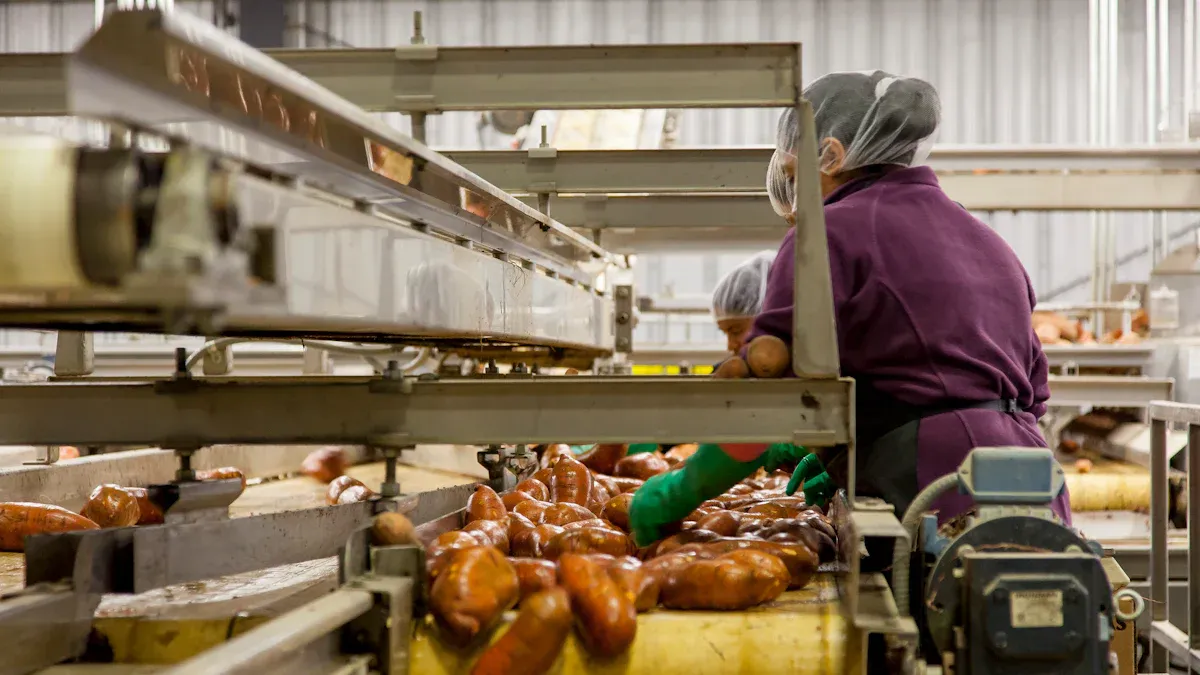
Making a significant capital investment requires a structured approach. This checklist guides processors through the essential steps, from initial analysis to final cost assessment, ensuring the chosen equipment meets both safety and financial objectives. Following these steps helps avoid common pitfalls and secures a solution built for long-term success.
A sorter's effectiveness depends entirely on how well it is configured for a specific product and its associated risks. Processors must begin by creating a detailed profile of what they will be inspecting. This involves documenting the physical and chemical properties of the meat product itself. Key factors include:
Product composition and microstructure
Fat content and distribution
Water activity and pH levels
Storage conditions (e.g., fresh, frozen, cooked)
Next, they must identify the most likely contaminants. This profile should list all potential foreign materials, from high-density bone fragments and metal shavings to low-density plastics from packaging or wood from pallets. A comprehensive understanding of both the product and the potential contaminants is the foundation for selecting the right detection technology.
A supplier's qualifications are as important as the machine's specifications. Processors should partner with vendors who demonstrate a deep understanding of the food industry and its regulatory landscape. Verify that the supplier and their equipment comply with relevant standards, such as those from the USDA or GFSI.
Beyond initial compliance, it is critical to scrutinize the supplier's service level agreements (SLAs) for ongoing support. A machine's value diminishes quickly without reliable technical assistance and parts availability. Processors should ask detailed questions to understand the level of support they will receive.
Key SLA Questions for Suppliers:
What are the guaranteed response and repair times for a critical failure?
How are service levels measured, and what reports will be provided?
Are there contractual penalties if your team fails to meet the SLA?
Where are your technicians and spare parts depots located in our region?
Do you use subcontractors for service, and how are they vetted?
What is your stocking strategy for critical and End-of-Life (EOL) components?
Clear answers to these questions reveal a supplier's commitment to minimizing downtime and protecting the processor's investment.
Spec sheets provide theoretical performance, but a product trial delivers real-world proof. Before committing to a purchase, processors must insist on a trial using their own products and seeded contaminants. This test validates the sorter's ability to perform under realistic plant conditions. The trial should be designed to measure several key performance indicators (KPIs).
Essential KPIs to track during a trial include:
Error Detection Rate: The percentage of actual defects the sorter successfully identifies and rejects.
False Positive Rate: The percentage of good product that is incorrectly rejected as defective.
Processing Time Per Unit: The speed at which the machine inspects product, confirming it can match line throughput.
Analyzing this data allows a processor to confirm that a specific processed meat products optical sorter can achieve the required safety standards without sacrificing valuable yield. A high false positive rate, for example, could negate the financial benefits of improved safety by wasting sellable product.
The initial purchase price is only one part of the overall financial picture. A thorough evaluation requires calculating the Total Cost of Ownership (TCO), which includes all expenses over the machine's lifespan. A lower-priced machine with high operating costs can quickly become more expensive than a premium model.
Processors should consider the following components when assessing TCO:
| Cost Component | Description |
|---|---|
| Initial Purchase | The upfront capital cost of the equipment. |
| Installation & Integration | Costs associated with setup and connection to the existing line. |
| Energy Consumption | The ongoing electricity and compressed air usage. |
| Maintenance & Service | Costs for service packages, predictive monitoring, and routine upkeep. |
| Spare Parts | Budget for critical components. An initial inventory often costs 2% of the system's value. |
| Downtime | The potential revenue lost during unplanned stops or lengthy repairs. |
Many suppliers offer service packages that bundle maintenance, monitoring, and parts replacement to maximize uptime. These programs use predictive maintenance to identify potential issues before they cause a failure, reducing unexpected downtime. Evaluating these offerings is a crucial part of understanding the long-term financial impact of the investment.
An optical sorter is a significant investment. Maximizing its return on investment (ROI) and operational uptime requires a proactive strategy. Processors must focus on three key areas: diligent maintenance tailored for harsh environments, consistent calibration to ensure accuracy, and comprehensive operator training to promote efficient use. These elements work together to extend the machine's life, protect product yield, and maintain peak performance.
Processed meat facilities are demanding environments. The combination of moisture, fats, and high-pressure washdowns can accelerate wear and tear on sorting equipment. A robust preventive maintenance program is essential to counteract these effects and ensure long-term reliability. Neglecting regular upkeep can have severe consequences.
Increased Breakdowns: Lack of maintenance leads to more frequent equipment failures and unexpected downtime.
Reduced Equipment Lifespan: Skipping regular upkeep shortens the machine's operational life, forcing costly premature replacements.
Higher Repair Costs: Emergency repairs are far more expensive than planned maintenance.
Decreased Energy Efficiency: Unmaintained equipment consumes more energy, increasing utility bills.
Safety Hazards: Malfunctioning machinery poses significant safety risks to employees.
Processors should work with suppliers to create a maintenance schedule that accounts for the specific challenges of their high-moisture plant.
Calibration drift, caused by component aging and environmental changes, can lead to significant measurement errors. These errors cause the sorter to incorrectly reject good products (false rejects) or, worse, pass defective ones. Even a 1% reduction in yield from false rejects can translate into millions of dollars in lost revenue annually for high-volume producers. Continuous calibration is the solution. It ensures the sorter's sensors and software remain perfectly aligned. This precision minimizes the scrapping of good products, directly protecting a company's profitability and competitiveness.
The most advanced sorter is only as effective as the person operating it. Proper training is crucial for maximizing performance and minimizing errors. However, modern systems are designed to simplify this process. Features like automatic calibration and machine learning capabilities significantly reduce the need for constant manual adjustments. These smart systems can track products and learn normal variations, which simplifies initial setup and daily operation. An intuitive user interface (UI) with clear graphics and simple controls further reduces training time, allowing operators to manage the equipment confidently and efficiently.
Selecting the right processed meat products optical sorter requires a focused approach. Processors must match detection technology to their specific contaminants, like bone or plastic. They should prioritize a hygienic design that simplifies sanitation. Finally, a real-world product trial is essential to validate performance and confirm compatibility before making a purchase.
X-ray systems excel at finding high-density items like metal. They struggle to detect low-density materials such as soft plastics, wood, or cartilage, which hyperspectral systems can identify.
A product trial validates a sorter's performance with your specific product. It provides real data on detection rates and false rejects, confirming the machine meets your operational needs.
AI helps the sorter learn the difference between true defects and normal product variations. This intelligence reduces the amount of good product that is incorrectly rejected, maximizing yield.

We provide you with comprehensive foreign trade solutions to help enterprises achieve global development
Recommedation: Rice, wheat, corn, grain, pulses, s...
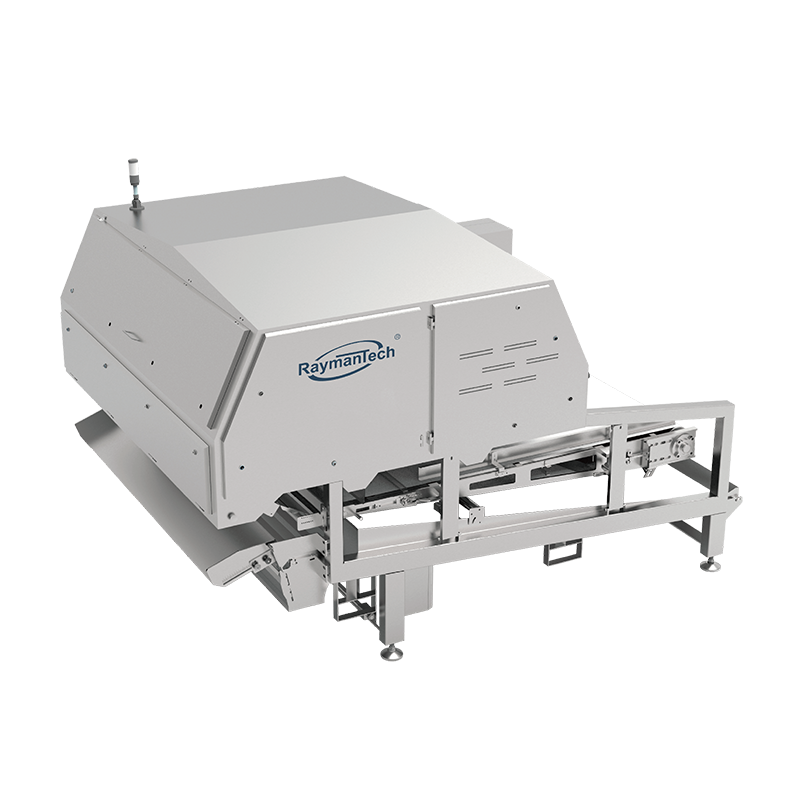
Recommedation: Frozen vegetables such as green be...
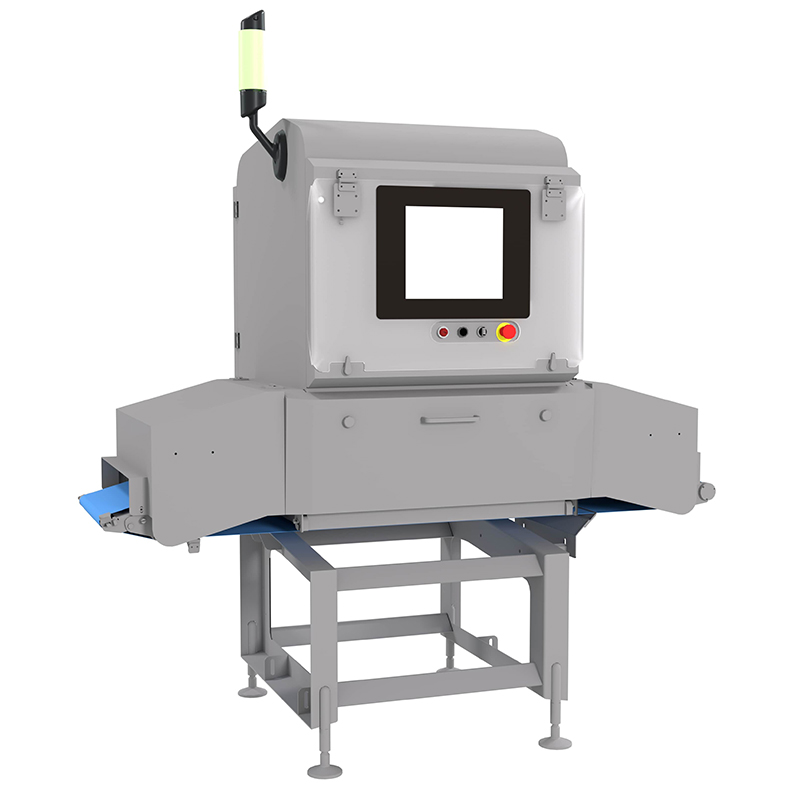
Both fat analysis and contaminant inspection (bone...
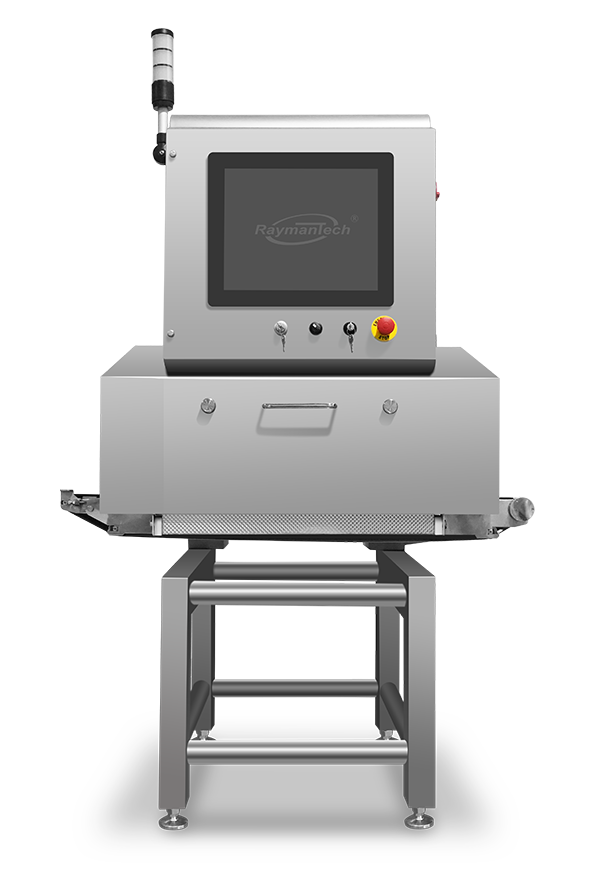
Ultra-fine contaminants detection, UHD X-Ray detec...
Select the most popular foreign trade service products to meet your diverse needs
Select the most popular foreign trade service products to meet your diverse needs



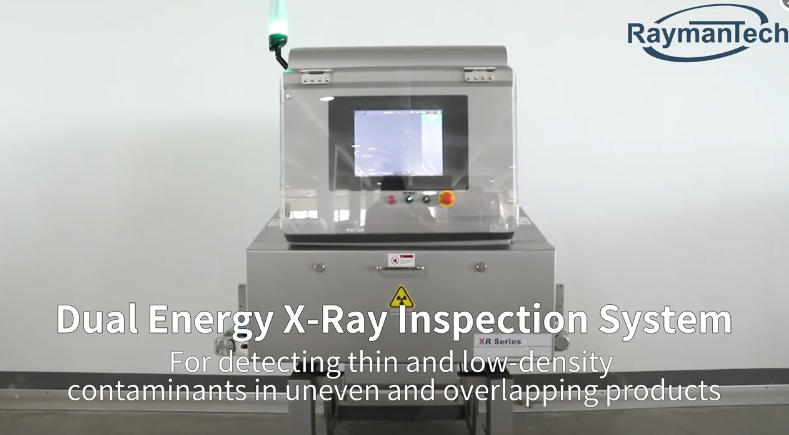





User Comments
Service Experience Sharing from Real Customers
James Wilson
Production SupervisorThis optical sorter has revolutionized our bacon processing line. The accuracy in detecting and removing fat fragments while preserving lean meat is remarkable. We've seen a 15% reduction in waste since installation.
Sarah Chen
Quality Control ManagerOutstanding performance in sorting sausage mixtures. The system consistently identifies and removes foreign materials and discolored product with 99.8% accuracy. Maintenance requirements are minimal and the interface is user-friendly.
Michael Rodriguez
Plant ManagerExcellent optical sorter for our ham processing facility. The color recognition system perfectly distinguishes between premium cuts and substandard pieces. The only minor issue was the initial calibration, but technical support was very helpful.
Emily Parker
Operations DirectorThis optical sorter has significantly improved our processed chicken nugget production. The shape and size sorting capabilities ensure uniform product quality. The ROI was achieved in just 6 months due to reduced manual sorting labor.