 English EN
 中国 CN
中国 CN
Optical, X-Ray, and AI Solutions of Bean Sorting
Whether you are processing Kidney Beans, Black Beans, or high-value Chickpeas, modern bean sorting machines are the gatekeepers of food safety. This guide explores the cutting-edge technologies—from standard optical sorting to AI-driven deep learning and X-ray inspection—that ensure your product meets the highest global standards.
The Core Technologies: Optical vs. X-Ray vs. AI
To maximize yield and purity, it is essential to understand the three pillars of modern sorting technology.
1. Optical Sorting (Color & Shape)
Optical sorters are the industry standard for surface inspection. They utilize high-resolution cameras and sensors to detect defects visible to the human eye but at superhuman speeds.
● How it works: As beans fall through a chute or travel on a belt, the machine analyzes their color, shape, and size.
● Best for: Removing discolored beans, broken pieces, and foreign materials that contrast in color with the good product.
● RaymanTech Advantage: RaymanTech’s Chute Color Sorters and Belt Optical Sorters are designed for high-capacity lines, offering precise rejection of off-color impurities.
2. X-Ray Inspection (Density & Internal Defects)
While optical sorters see the surface, X-ray systems see through the product. This is critical for contaminants that look like beans but are dangerous.
● How it works: X-rays detect differences in density. A stone or piece of glass is denser than a bean and appears darker on the scan.
● Best for: Detecting stones, glass, metal, ceramics, and—crucially—internal defects like wormholes that don't break the shell.
3. AI Deep Learning (The New Standard)
The latest trend in 2024-2025 is the integration of AI Deep Learning. Unlike traditional sorting that requires manual programming of "good" vs. "bad" colors, AI "learns" complex defect patterns.
● Capabilities: AI can distinguish between a naturally variegated bean and a damaged one, or identify subtle structural defects that standard optical sensors miss.
● Whole Chain Control: RaymanTech’s solution integrates these technologies into a "Whole Chain Inspection Solution," covering everything from raw material intake to final packaging.

Bean-Specific Sorting Strategies
Different beans present unique challenges. Based on industry data, here is how advanced sorting tackles specific varieties.
Kidney Beans Sorting: Red and White Varieties
Kidney Beans sorting requires a dual approach because these beans are prone to both cosmetic defects and dangerous contaminants.
● Optical Challenge: Machines must remove discolored, damaged, or immature beans to ensure a consistent premium appearance for Red Kidney Beans and White Kidney Beans.
● X-Ray Application: It is vital for detecting conventional contaminants like metal, ceramics, glass, and stones. Furthermore, X-ray is the only reliable way to catch wormholes inside the bean without damaging the skin.
● Low-Density Contaminants: Advanced systems also target "soft" foreign materials like plastic ties, straws, and twigs that often accompany the harvest.
Black Beans Sorting:
Black Beans sorting (specifically Black Turtle Beans) is notoriously difficult for standard cameras because shadows and dark defects blend in with the product.
● The Solution: Specialized cameras and lighting are used to detect slight variations in texture and shape. Optical sorting effectively removes damaged or discolored beans to ensure uniformity.
● Foreign Material: Like kidney beans, black beans must be screened for plastic ties, straws, and twigs, alongside heavy contaminants like stones and glass using density detection.
Pinto Beans Sorting: Light and Dark
Whether processing Light Pinto Beans or Dark Pinto Beans, the goal is maintaining the characteristic mottled pattern while removing actual defects.
● Precision: Optical sorting focuses on removing broken and discolored beans that disrupt the size consistency.
● Safety: X-ray systems ensure the removal of stones and glass, which is critical for canning operations where physical hazards can cause massive recalls.
Chickpeas (Garbanzo Beans): Desi and Kabuli
The high value of chickpeas makes yield loss a major concern.
● Desi Chickpeas: Optical sorting targets damaged, discolored, and foreign seeds to ensure only the highest quality makes it to processing.
● Kabuli Chickpeas: Systems are tuned to remove small, broken, or discolored chickpeas.
● Contaminant Removal: X-ray is standard for removing stones and metal, while optical systems handle low-density debris like straws.
Specialized Varieties: Soybeans, Fava, and More
● Soybeans (GMO vs. Non-GMO): Optical sorting is critical here for purity. Machines can separate Non-GMO Soybeans from foreign seeds to ensure planting purity, while also removing damaged seeds from GMO Soybean batches.
● Fava Beans: Large and irregular, these require robust mechanical handling. Sorting ensures only intact, clean beans are packaged, discarding broken or immature units.
● Navy, Lima, & Green Beans: For Navy Beans and Lima Beans (Baby and Large), the focus is on removing underdeveloped or "chalky" beans. Green Mung Beans benefit from high-frequency cameras that detect subtle color shifts indicating mold or damage.
Why Choose RaymanTech AI-Integrated System?
Investing in an AI Standard Optical Sorter or a comprehensive X-ray system offers measurable ROI:
1. Labor Reduction: Automating the sorting process reduces dependency on manual labor, which is increasingly scarce and costly.
2. Hygiene & Maintenance: RaymanTech systems feature high IP ratings (up to IP69K), making them waterproof and dustproof—essential for food hygiene standards.
3. Data-Driven Insights: Modern sorters don't just reject bad product; they collect data. This allows processors to analyze incoming raw material quality and adjust procurement strategies accordingly.
Frequently Asked Questions (FAQs)
Q1: What is the difference between an optical sorter and an X-ray inspection system?
A: An optical sorter uses cameras and lasers to look at the surface of the bean (color, shape, texture), while an X-ray system looks inside the bean to detect density differences, such as stones, glass, or internal wormholes.
Q2: Can sorting machines remove same-color contaminants?
A: Yes. While standard color sorters might struggle, AI Deep Learning and X-ray systems can distinguish same-color contaminants (like a light stone in a batch of white beans) based on texture, shape, or density.
Q3: How does AI improve the sorting of Kidney Beans and Black Beans?
A: AI algorithms are trained on thousands of images of "good" and "bad" beans. This allows the machine to recognize complex defects, such as slight discoloration or specific deformation in Black Beans, which traditional threshold-based sorters might miss.
Q4: Is it necessary to have both optical and X-ray sorting?
A: For a complete "Whole Chain" safety solution, yes. Optical sorting handles cosmetic quality and foreign seeds, while X-ray guarantees food safety by removing physical hazards like glass and metal that could cause injury.
Q5: What are the maintenance requirements for these machines?
A: Modern machines like those from RaymanTech are designed with accessible chutes and IP-rated enclosures for easy washdowns. Routine maintenance involves cleaning the optical windows and calibrating the sensors, often assisted by the machine's own diagnostic software.

Related Articles
-
 Dec-19-2025
Comprehensive Introduction to IP69K Protection Rating — The Gold Standard for Equipment in Meat and Food Processing Environments
Why do IP65/IP67 fail in food plants? Discover the engineering behind true IP69K hygienic design and our water-resistant X-ray inspection solutions.learn more -
 Dec-19-2025
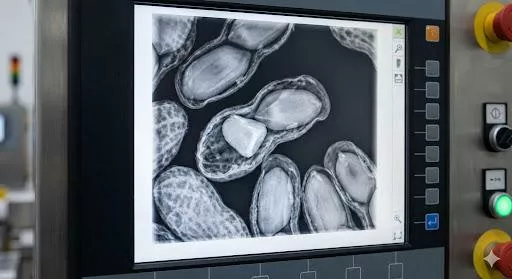
Peanuts Optical and X-Ray Sorting Technologies
For processors, the challenge is evolving. It is no longer enough to just remove stones or discolored nuts. The modern production line must detect invisible threats—from internal mold (a precursor to Aflatoxin) to low-density contaminants like plastic ties. This guide explores how integrating peanut optical sorting and X-ray inspection creates a "zero-defect" defense system.learn more -
 Dec-19-2025
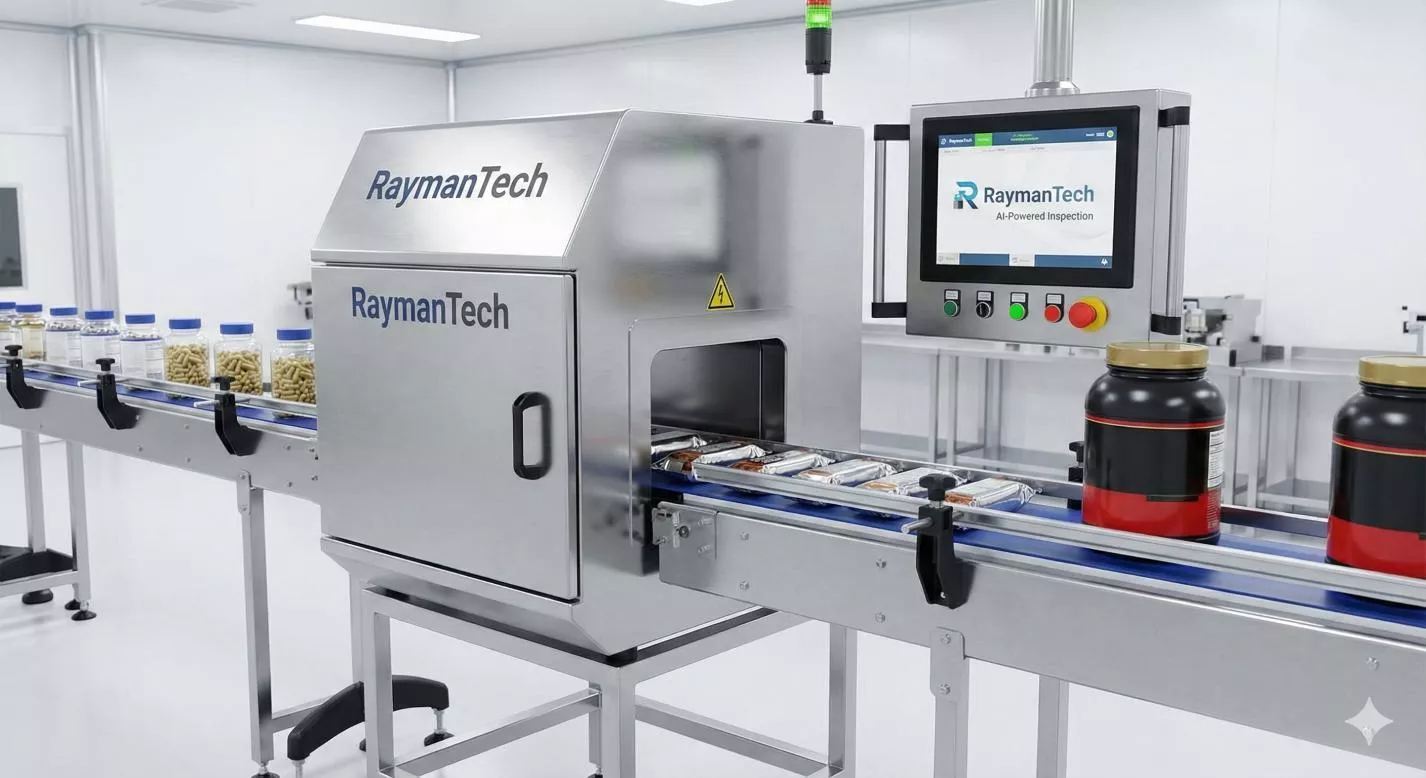
Mastering Quality Control: Advanced X-ray Inspection for Nutritional and Health Products
We break down how advanced X-ray technology addresses specific challenges across different nutraceutical categories.learn more




Follow us:


