 English EN
 中国 CN
中国 CN
.png)
RaymanTech Bulk X-ray Inspection:The First and Most Important Line of Defense in Food Safety
In food processing, the highest-risk moment isn’t ...
More

Metal detectors remain highly effective for detecting metal objects in security screening, but many travelers with implants report frequent false alarms. A recent study showed that 79.7% of patients with knee replacements triggered alarms, compared to 13.5% in controls. Metal detection alternative technologies offer improved comfort and fewer disruptions, but each setting demands a tailored solution.

Metal detectors have set the standard for identifying metallic threats in security screening. They can detect a wide range of metal objects, from small blades to large firearms. However, they often trigger false alarms for individuals with medical implants or prosthetics. This can cause inconvenience and delays. Metal detection alternative systems, such as millimeter wave scanners and AI-based screening, offer improved accuracy for non-metallic threats. These technologies can identify items like ceramics, plastics, and powders that traditional metal detectors may miss. The choice between these options depends on the specific security needs of the environment.
Security checkpoints must process large numbers of people quickly, especially in airports and event venues. The ZKTeco MDS100 metal detector can screen up to 50 individuals per minute, making it highly efficient in high-traffic areas. Traditional metal detectors sometimes create long lines and slow down the process. Metal detection alternative solutions, such as the SafePointe system, allow for fast and efficient screening of large groups. These systems provide a seamless, touchless experience and improve throughput rates significantly.
Tip: For events with high attendance, choosing a system with higher throughput can reduce wait times and improve the overall experience.
Safety remains a top priority in public settings. Handheld metal detectors use non-ionizing magnetic fields, which do not emit harmful radiation. They are safe for individuals with medical implants and pregnant women. There are no health risks associated with prolonged exposure to these devices. Metal detection alternative technologies, such as millimeter wave scanners, also meet strict safety standards. Both types of systems must comply with international certifications to ensure public safety.
| Certification | Description |
|---|---|
| ISO 9001 | Ensures quality management systems are in place to meet customer and regulatory requirements. |
| FDA 21 CFR Part 11 | Ensures data integrity and traceability in regulated environments, with secure user access and logging mechanisms. |
| FDA 21 CFR 210 | Adheres to Good Manufacturing Practices (GMP) for pharmaceutical products, ensuring quality and purity standards. |
Cost plays a significant role in selecting a security screening system. Annual service costs for metal detectors range from a few hundred to a few thousand dollars, depending on the service level. Predictive maintenance can reduce total annual costs compared to reactive maintenance. For example, predictive maintenance can save up to $267,000 per year. Metal detection alternative systems may have higher initial costs, but they can offer savings through reduced downtime and improved efficiency.
Note: Investing in predictive maintenance can lower long-term expenses and keep security systems running smoothly.

Metal detectors rely on electromagnetic induction. A transmitter coil creates an alternating electromagnetic field. When a metal object enters this field, it generates eddy currents that produce an opposing field, which the receiver coil detects. This process depends on the metal’s conductivity and magnetic permeability. Metal detectors offer several strengths:
They identify a wide range of metallic threats.
They adapt to various environments, such as airports and correctional facilities.
They locate concealed items effectively.
However, metal detectors have limitations:
They cannot detect non-metallic weapons or explosives.
They often trigger false positives from harmless items like jewelry or belt buckles, causing delays.
Millimeter wave scanners represent a popular metal detection alternative. These devices use non-invasive imaging to detect both metallic and non-metallic objects. The table below compares their capabilities:
| Detection Capability | Millimeter Wave Scanners | Metal Detectors |
|---|---|---|
| Types of Objects Detected | Metallic and non-metallic | Primarily metallic |
| Non-invasive Screening | Yes | No |
| False Alarm Rate | Low | Higher |
Millimeter wave scanners raise privacy concerns, including discomfort about health risks, lack of independent assessments, and potential for biased practices.
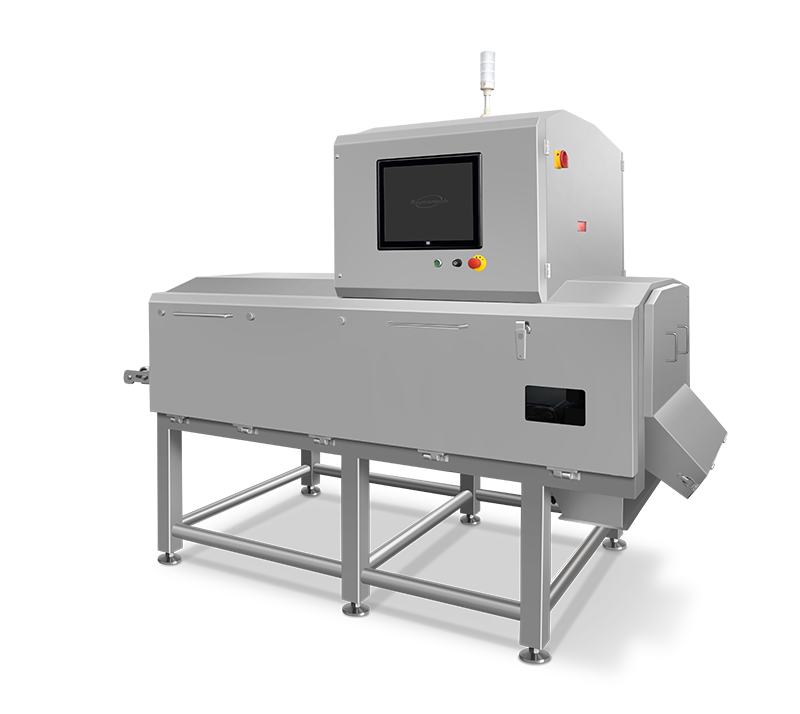
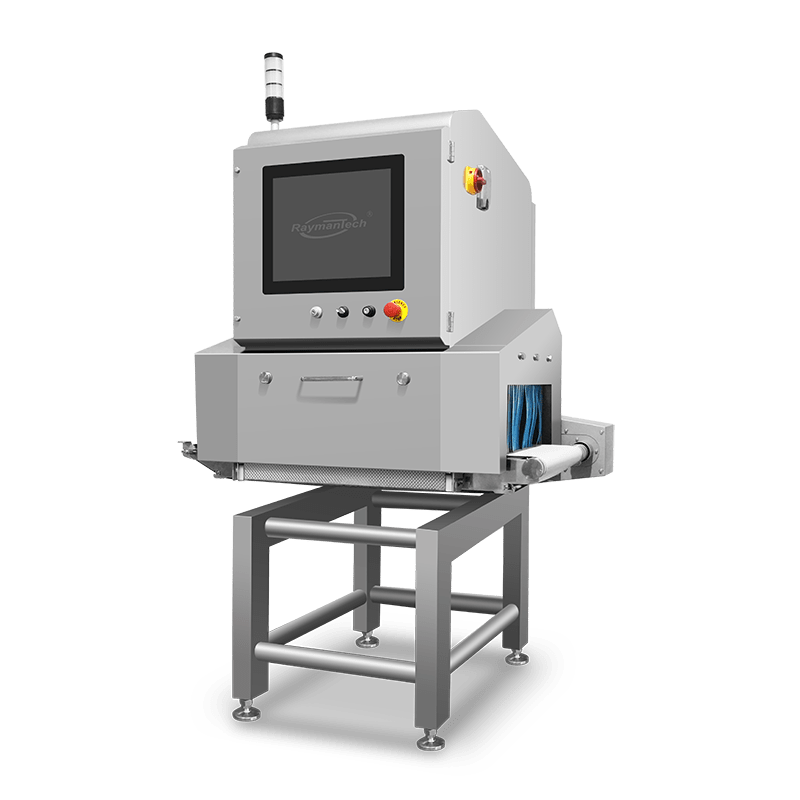
X-ray machines can detect a broader range of threats, including glass and plastics. They outperform metal detectors in environments with high moisture or fat content, where metal detectors may fail. Research shows that radiation exposure from well-maintained X-ray machines is minimal, making them safe for public use. Cabinet X-ray systems for luggage use thick walls and lead curtains to prevent radiation escape.
AI-based screening and trace detection mark a significant advancement in security. These systems use machine learning to analyze images and detect threats quickly. Facilities using AI solutions report faster response times and higher accuracy. For example, AI models can identify threats up to 30 seconds earlier than traditional methods and achieve over 90% accuracy in controlled tests. As a metal detection alternative, AI-based systems improve efficiency and reduce human error.
Airports and transportation hubs require robust security screening systems that balance efficiency, reliability, and passenger experience. Large airports deploy a combination of technologies to address diverse threats and operational demands. The following factors influence technology selection:
System capacity and efficiency impact passenger throughput.
Reliability and availability determine how often jams occur and how quickly baggage moves.
Baggage tracking ensures compliance with security regulations.
Passenger experience measures satisfaction with lost baggage and processing speed.
Environmental impacts assess energy use and climate footprint.
| Factor | Description |
|---|---|
| System Capability | Combines technologies for optimal two-level screening. |
| Reliability | Evaluates human reliability in screening processes. |
| Cost-Effectiveness | Assesses deployment and operating costs using life-cycle models. |
| Risk-Effectiveness | Quantifies risks associated with different deployment configurations. |
Major airports use advanced screening methods, including explosives trace detection, walk-through metal detectors, full-body scanners, and computed tomography systems for baggage. Regional airports rely on basic metal detectors and X-ray machines. TSA PreCheck lanes offer expedited screening, while international airports may include additional immigration checks. Recent innovations, such as AI-powered baggage scanners and Automated Screening Lanes, streamline inspections and improve throughput.
Tip: Airports should select screening technologies that maximize efficiency without compromising security or passenger comfort.
Large events and venues face unique security challenges due to high crowd density and the need for rapid threat detection. Physical security measures, crowd management strategies, and cybersecurity protocols form the backbone of event security. Coordination with law enforcement and real-time surveillance enhance response capabilities.
Checkpoints and bag checks control entry points.
Crowd management prevents congestion and ensures safe movement.
Emergency communication systems keep attendees informed.
Training and reporting mechanisms help staff handle suspicious activities.
Cybersecurity protects sensitive information from digital threats.
Venue security requires preventive measures, such as security sweeps and mandatory checks for all attendees. The rise of misinformation on social media complicates operations, making robust communication essential. Technologies like people counters, autonomous patrolling robots, and frictionless screening systems improve crowd flow and threat detection.
| Technology | Purpose | Benefits |
|---|---|---|
| Evolv Express | Autonomous identification of concealed threats | Enhances security while improving guest experience |
| Evolv eXpedite | Efficient guest access to events | Minimizes manual checks and invasive searches |
| Walk-through metal detectors | Multi-zone detection for thorough screening | Comprehensive threat detection at entry points |
| Hand-held detection devices | Secondary screening for detailed inspections | Ensures thorough checks without slowing down entry |
| X-ray machines | Bag inspection for concealed items | Identifies threats in bags |
| Biometric verification systems | Accurate identification of individuals | Increases security and efficiency at access points |
| RFID-enabled access control | Streamlines entry process for guests | Reduces wait times and improves crowd management |
Modern event security integrates advanced screening protocols, combining technology and trained personnel for multi-layered checkpoints. This approach enhances threat detection and crowd management, creating a safer environment for attendees.
Schools and everyday environments present distinct challenges for security screening. Administrators must avoid reactive measures and focus on practical implementation. Staff training is essential for effective operation, and clear communication with the community helps set realistic expectations.
Schools must evaluate the impact of security screening on educational operations.
Security measures should not disrupt teaching practices or compromise educational technology.
Staffing costs and ongoing maintenance require careful budgeting.
Screening processes must minimize delays to avoid loss of instructional time and attendance issues.
| Challenge/Approach | Description |
|---|---|
| Lowering Sensitivity | Reduces false alerts but creates detection gaps for real threats. |
| Implementing Bag Checks | Increases security but creates significant delays and operational burdens. |
| AI Systems | Better at distinguishing threats, but still generate alerts requiring management. |
Safety gaps, attendance issues, and instructional time loss can result from inefficient screening. Staff morale may decline due to increased stress, and students may feel frustrated if treated as threats. Advanced AI systems designed for schools distinguish between everyday items and potential threats, allowing students to enter without delays. This technology reduces secondary screening, improves student flow, and enhances the overall school climate.
Note: Effective security technology should accommodate educational environments rather than disrupt them.
Selecting the best security screening technology involves a structured decision-making process. The following steps help organizations choose between metal detectors and metal detection alternative solutions:
Define detection requirements, including materials, target sizes, and detection depths.
Evaluate project complexity to determine if a simple or complex solution is needed.
Consider operational factors, such as training resources, frequency of use, and environmental conditions.
Assess budget parameters, including total investment, rental versus purchase options, and expected return on investment.
Evaluate site conditions, such as soil types, environmental factors, and access requirements.
Organizations should match technology to their specific needs, balancing security, efficiency, and user experience. Metal detection alternative systems offer flexibility for environments where non-metallic threats are a concern or where comfort and speed are priorities.
Recent studies show that metal detection alternatives often outperform traditional metal detectors, especially in environments like schools. The best technology depends on specific needs, such as space, speed, and target type.
| Study Title | Findings | Conclusion |
|---|---|---|
| Impacts of Metal Detector Use in Schools | Reduced weapon carrying from 13.8% to 7.8% | Significant safety improvement |
| U.S. Department of Education Review | Insufficient data on reducing violent behavior | No clear safety benefit |
| General Evidence | Harm to student well-being | Alternatives more effective for school safety |
Key takeaways for decision-making:
Application-specific needs drive technology choice.
Metal detectors offer speed and cost-effectiveness.
X-ray systems detect non-metal threats.
Space and performance factors matter.
The right solution matches the environment, operational goals, and safety requirements.
Metal detectors find only metallic objects. Metal detection alternatives, such as millimeter wave scanners, can detect both metallic and non-metallic threats.
Yes. Millimeter wave scanners and AI-based systems use non-ionizing technology. They do not expose individuals to harmful radiation.
AI-based screening systems work best for schools. They reduce false alarms and improve student flow without causing unnecessary delays.

We provide you with comprehensive foreign trade solutions to help enterprises achieve global development
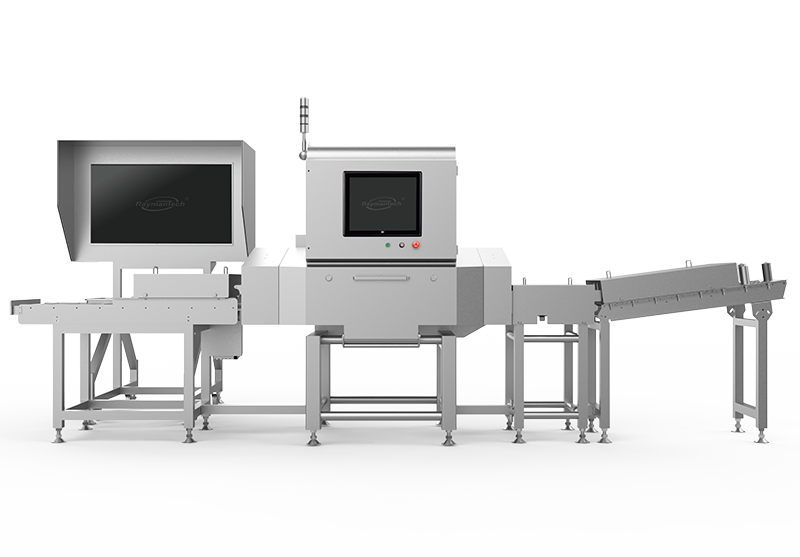
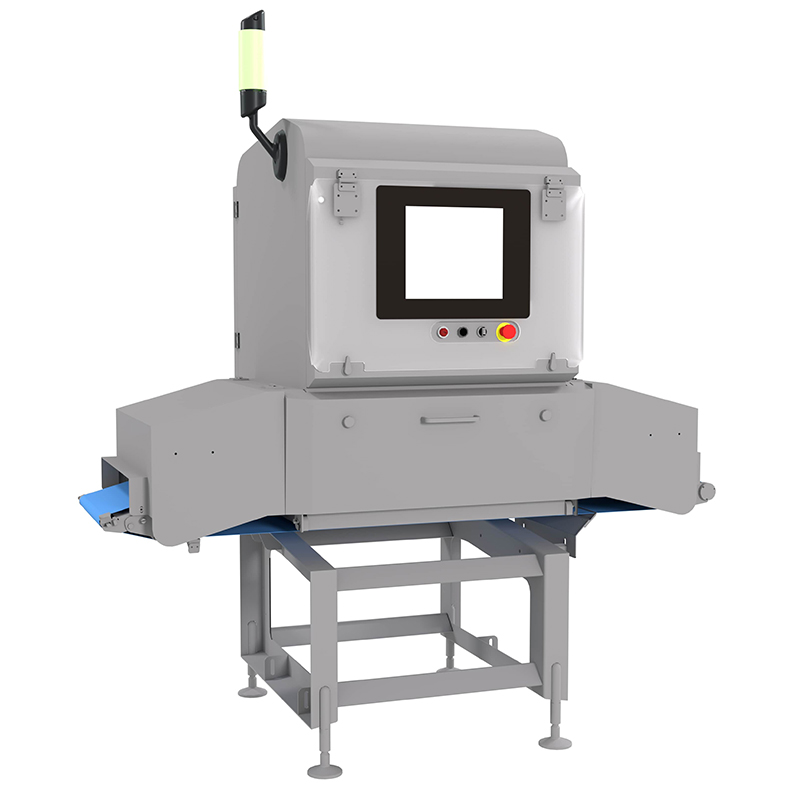
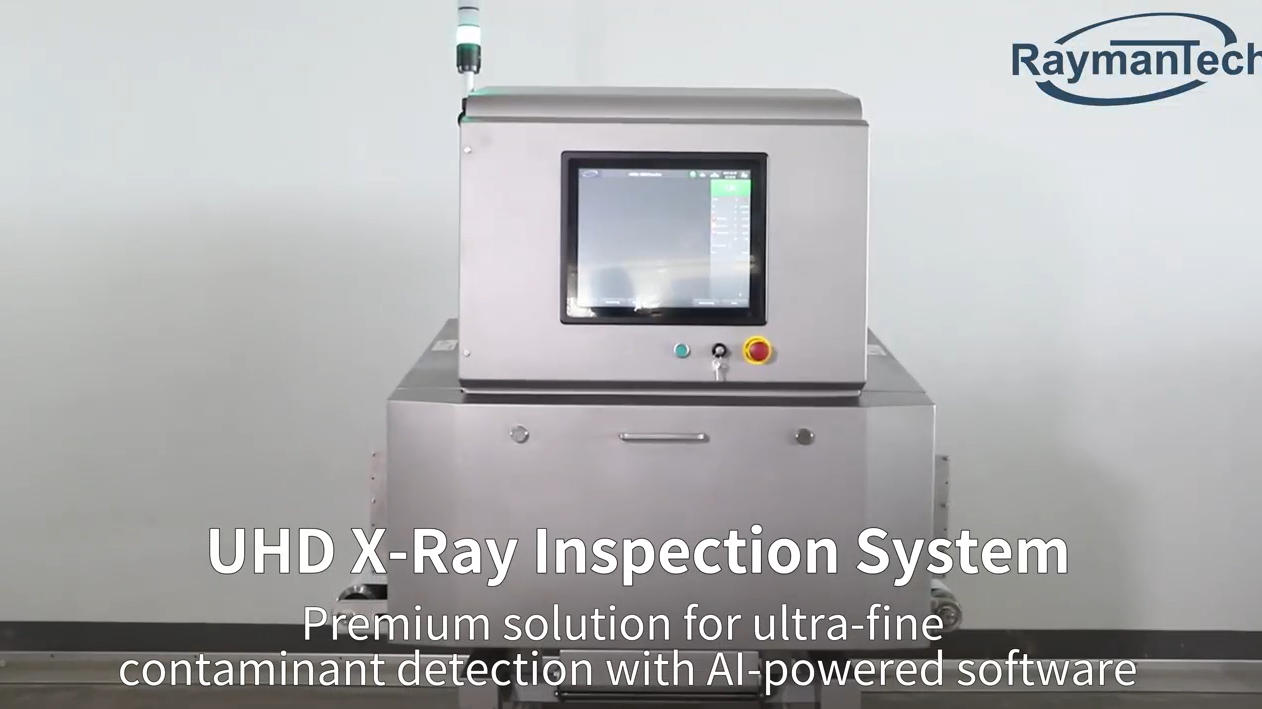
Ultra-fine contaminants detection, UHD X-Ray detec...
Uneven and overlapped product detection, thin & lo...
Automatic recognition and rejection, fish bone ins...
Both fat analysis and contaminant inspection (bone...
Select the most popular foreign trade service products to meet your diverse needs
Select the most popular foreign trade service products to meet your diverse needs








User Comments
Service Experience Sharing from Real Customers
James Wilson
Security SupervisorOur site has strict no-metal policies. This millimeter-wave scanner is a perfect, non-invasive alternative to traditional metal detectors. It's faster and provides clearer threat visualization, improving both security and visitor experience.
Sarah Chen
Materials ScientistFor our advanced materials lab, metal detectors were useless for non-ferrous contaminants. This multi-frequency electromagnetic sensor identifies a wide range of metallic and non-metallic composites. A game-changer for quality control in sensitive manufacturing.
David Miller
Archaeological Field DirectorTraditional metal detectors disturb sites and miss organic artifacts. This ground-penetrating radar array allows for precise, non-destructive subsurface mapping. We've located pottery shards and hearths alongside metal objects, revolutionizing our survey methodology.
Elena Rodriguez
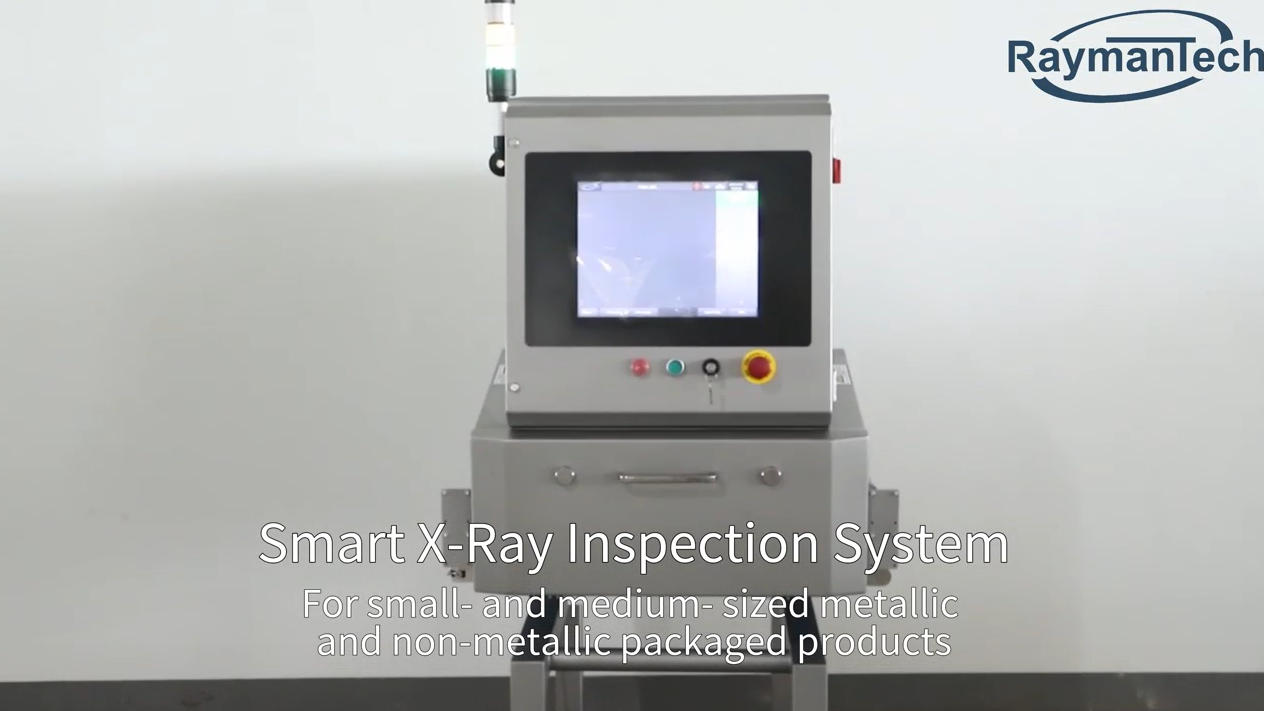
Food Safety ManagerWe needed to detect all foreign objects, not just metal. This X-ray inspection system reliably finds glass, stone, plastic, and bone fragments in our packaged goods. It's a comprehensive alternative that has significantly reduced our product recall risk.