 English EN
 中国 CN
中国 CN
.png)
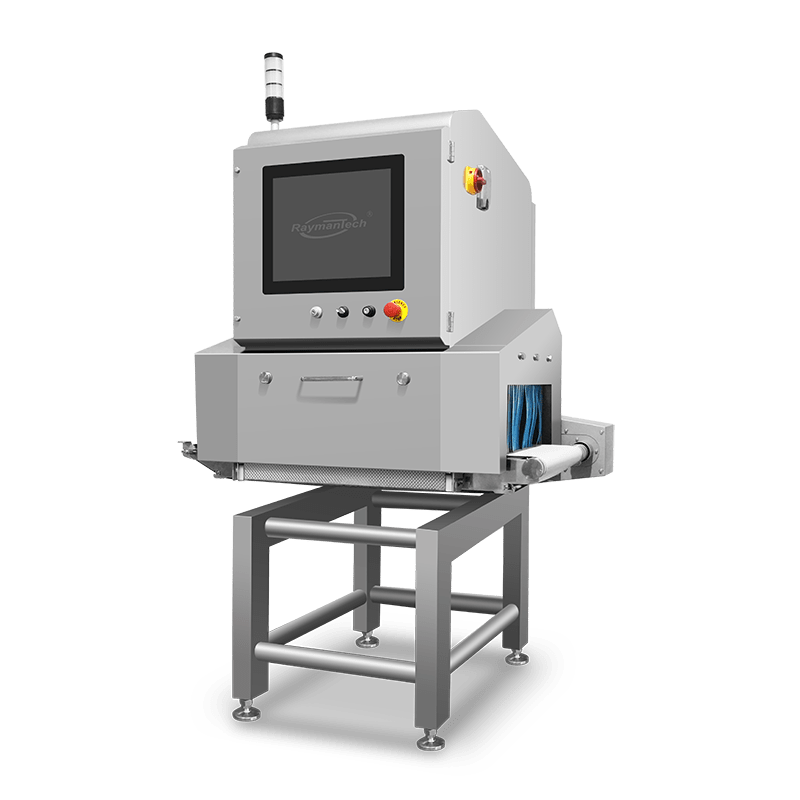
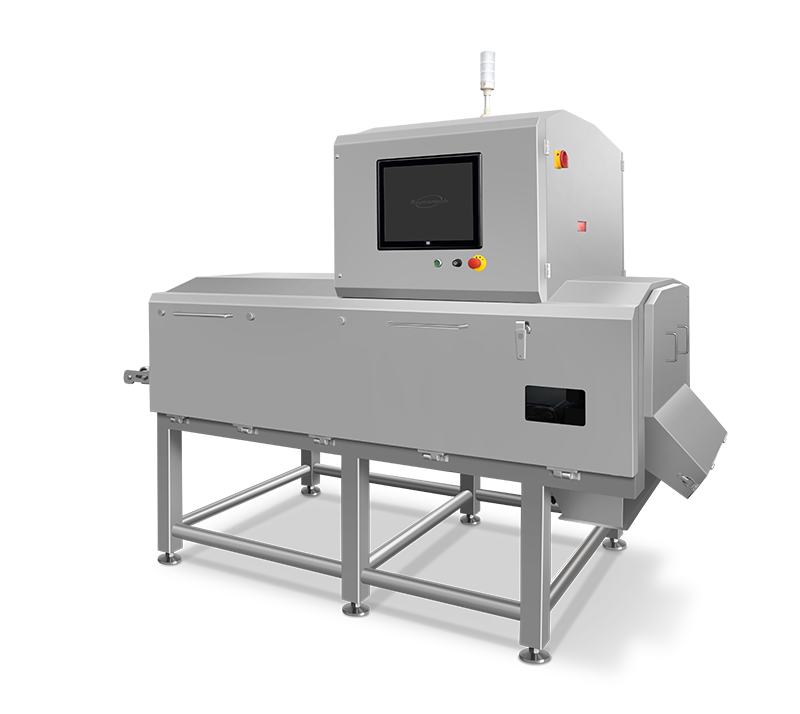
Overcoming Challenges in Large Package: Rayman Tech's AI X-ray Solutions for Meat Processing
Our AI X-ray Inspection System, tailored for high ...
More

Meat processing x-ray systems now achieve over 99% accuracy in detecting contaminants, transforming food safety and quality assurance. Companies benefit from real-time monitoring, automated defect removal, and improved hygiene standards. These advancements help reduce product recalls, optimize labor allocation, and build stronger consumer trust through consistent, reliable inspection.

Artificial intelligence now plays a central role in modern meat processing x-ray inspection. AI-powered algorithms analyze production data in real time, learning from each batch to improve contaminant detection. These systems adapt to changes in product appearance and production conditions, which leads to fewer false positives and higher accuracy. Hyperspectral imaging technology further boosts the ability to identify harmful materials on product surfaces.
Note: AI-driven detection not only increases accuracy but also reduces manual intervention, supporting consistent quality control.
| Evidence Description | Key Benefit |
|---|---|
| AI algorithms continuously learn from production data. | Reduces false positives and improves detection accuracy. |
| Systems adapt to variations in product appearance and production conditions. | Enhances effectiveness over time through real-time learning. |
| Hyperspectral imaging technology is used for advanced detection and classification. | Amplifies capability to find harmful foreign materials on product surfaces. |
Multi-energy and dual-energy x-ray systems represent a significant leap in contaminant detection. These technologies analyze materials at different energy levels, making it easier to distinguish between bone, metal, and other foreign objects. Advanced photon-counting dual energy x-ray technology detects even the smallest bone fragments and metal pieces.
Operators benefit from flexible configurations, including single, dual, and photon-counting options that fit various production lines.
| Benefit/Feature | Description |
|---|---|
| Contamination Detection | Advanced PXT photon-counting dual energy x-ray technology for detecting bone and foreign metal. |
| Operational Efficiency | Lower false reject rate and ability to reject items before packaging or further processing. |
| Flexible Configurations | Options for single, dual, and photon-counting PXT technologies, accommodating various pipe sizes. |
| Enhanced Safety | Improved claw design for safe extraction of test balls before entering rejected products. |
| Compliance with Standards | Aligns with North American Meat Institute guidelines and meat industry regulations. |
| Integrated Technologies | Combines advanced image processing with a touchscreen interface for better inspection results. |
3D x-ray inspection systems provide a comprehensive view of internal product structures. Unlike traditional 2D systems, 3D technology captures images from multiple angles, which improves the detection of bone fragments and metal contaminants. These systems process up to 400 images per second, delivering fast and detailed analysis without damaging the product.
3D inspection supports both quality assessment and non-destructive analysis, maintaining product integrity while ensuring safety.
| Feature | 2D X-ray Systems | 3D X-ray Systems |
|---|---|---|
| View of Internal Structures | Limited to fixed position images | Comprehensive 3D view of internal structures |
| Detection of Foreign Bodies | May miss objects at unfavorable angles | Better identification due to multiple angles |
| Image Processing Speed | Slower, fewer images captured | Fast processing with 400 images in 1 second |
| Quality Assessment | Limited capability for quality characteristics | Detailed analysis of quality and ingredient presence |
| Non-destructive Analysis | Not applicable | Maintains product integrity during inspection |
Automation and robotics have transformed meat processing x-ray inspection. Automated systems now handle tasks such as product sorting, rejection of contaminated items, and data collection. This shift addresses labor shortages and reduces dependency on manual labor. The pandemic accelerated automation adoption, allowing producers to maintain throughput even with fewer workers.
Automation increases efficiency and lowers labor costs.
Newer systems are more affordable, making advanced inspection accessible to smaller producers.
Automated inspection ensures consistent quality and supports higher production volumes.
Industry 4.0 principles drive the integration of meat processing x-ray systems with machine vision, IoT devices, and factory management software. These systems connect with MES and SCADA platforms, enabling real-time quality monitoring and immediate corrective actions.
Smart factory connectivity ensures that production lines respond quickly to quality issues, supporting continuous improvement and regulatory compliance.
Integration with machine vision and IoT allows for automated rejection and real-time monitoring.
High-sensitivity x-ray systems help meet strict international export standards.
Actionable data from connected systems supports process optimization and recipe management.
Regulatory agencies continue to shape the adoption of advanced inspection systems. Manufacturers face strict requirements from frameworks such as the Food Safety Modernization Act (FSMA), European Food Safety Authority (EFSA), and Global Food Safety Initiative (GFSI). These regulations demand preventive controls and robust contaminant detection. Companies must invest in technologies that meet these standards to avoid penalties and protect their brands.
| Regulatory Framework | Impact on X-ray Systems Implementation |
|---|---|
| FSMA | Emphasizes preventive controls, increasing responsibility on manufacturers to identify hazards. |
| EFSA | Imposes stricter guidelines for food safety, necessitating advanced detection systems. |
| GFSI | Establishes benchmarks that require robust contaminant detection technologies. |
Stricter controls and penalties for contamination incidents drive the adoption of x-ray systems. Regulatory frameworks mandate the use of best available techniques, including advanced x-ray inspection.
Consumers now expect transparency in ingredient sourcing and production methods. They prefer minimally processed, preservative-free, and organic options. Ethical concerns, such as animal welfare and environmental impact, influence purchasing decisions. Younger buyers prioritize authenticity and social responsibility. Health, convenience, and value shape demand, while interest in premium cuts and ready-to-cook solutions grows. Sustainability and transparency remain critical for building trust.
Demand for protein-rich and premium products increases.
Industry adapts to meet expectations for sustainability and transparency.
Convenience and ethical considerations influence buying behavior.
Investing in meat processing x-ray systems involves several cost factors. Installation ranges from $5,000 to $15,000. Training costs $2,000 to $5,000. Integration with existing systems can reach $20,000. Annual expenses include electricity, preventive maintenance, and calibration. Recalls may cost over $10 million, but savings from reduced product giveaway and labor can be substantial. Most companies see a payback period of 12 to 36 months.
| Cost Consideration | Estimated Cost Range |
|---|---|
| Installation | $5,000 - $15,000 |
| Training | $2,000 - $5,000 |
| Integration with existing systems | $3,000 - $20,000 |
| Electricity (annual) | $500 - $2,000 |
| Preventive maintenance (annual) | $2,000 - $5,000 |
| Calibration and validation (annual) | $1,000 - $3,000 |
| Average recall cost | $10 million+ |
| Savings from reduced product giveaway | $20,000 - $100,000+ |
| Labor savings | $40,000 - $80,000/year |
| Typical payback period | 12 - 36 months |
Meat processors encounter several technical and operational hurdles when implementing x-ray inspection. Low temperatures can affect detector performance, and frost may cause image noise. Density variations and high-speed processing demands challenge system accuracy. Companies need skilled staff for operation and maintenance. High capital investment and regulatory complexities add to the difficulty.
Detector performance drops in cold environments.
Frost-related image noise impacts inspection quality.
Skilled workforce is essential for system operation.
Maintenance and calibration costs remain high.
Regulatory standards vary across regions.
Decision-makers must evaluate several factors when choosing an x-ray inspection system. The application of the system, product size, and types of foreign contaminants—such as metal, glass, stone, calcified bone, and high-density plastics—play a central role. Facilities should consider installation requirements, calibration needs, and how the system integrates with existing processes. Selecting the best critical control points ensures compliance with HACCP principles and global safety regulations. For example, sausage producers often use pipeline systems to detect bone fragments early, reducing waste before further processing.
Successful integration of x-ray inspection technology depends on compatibility and minimal disruption. Inline fat analysis enables continuous monitoring of every piece of meat, while advanced sensors and imaging software support high-speed, non-contact scanning. Plug-and-play compatibility allows facilities to benefit immediately from new technology. Staff training ensures quick adaptation. The following table highlights key integration techniques:
| Integration Technique | Description |
|---|---|
| Stacking with Conveyor Systems | Seamless operation with existing conveyors |
| Compatibility with Control Software | Real-time data analysis and reporting |
| Support for Industry 4.0 Standards | Remote monitoring and predictive maintenance |
Facilities must invest in comprehensive training programs. Employees receive general safety instruction, while specialized staff learn equipment operation and food safety protocols. Continuous development and measurable objectives support ongoing improvement. Training matrices tailored to job functions help maintain high standards.
Maintaining compliance requires attention to system positioning, vibration isolation, and environmental control. Facilities must use dedicated electrical circuits and follow daily startup and shutdown procedures. Sensitivity verification and performance documentation occur regularly. Monthly preventive maintenance and annual calibration by third parties ensure detection sensitivity and radiation safety.

Asia Pacific stands out as the fastest-growing region for meat processing x-ray inspection systems. Rapid industrialization in food processing, rising consumer awareness, and stricter regulatory standards drive this growth. Countries such as China, India, Japan, South Korea, and Australia see increased demand for packaged and processed foods. This trend fuels the adoption of advanced inspection technologies. Companies in these markets prioritize food safety and invest in modern solutions to meet evolving standards.
The global landscape for meat processing x-ray technology reveals several investment hotspots. Each region presents unique opportunities and challenges:
| Region | Key Insights |
|---|---|
| Latin America | Recovery and modernization of industries; Brazil, Mexico, Chile, Argentina |
| Middle East & Africa | Diversification beyond oil; UAE, Saudi Arabia, South Africa |
| Asia Pacific | Strong long-term attractiveness; focus on automation and advanced capabilities |
| North America | High-value premium market opportunities |
Latin America continues to modernize its meat industry, while the Middle East and Africa diversify their economies. North America offers premium market opportunities, and Asia Pacific remains attractive for long-term investment.
Several global companies lead the meat processing x-ray inspection system market. These organizations set industry benchmarks and drive innovation:
Mettler-Toledo International Inc. (US)
Thermo Fisher Scientific Inc. (US)
Ishida Co., Ltd. (Japan)
Anritsu Corporation (Japan)
Loma Systems (UK)
Companies that monitor regional trends and invest in advanced inspection systems position themselves for sustained growth and compliance.
Manufacturers continue to invest in research and development to advance meat processing x-ray inspection systems. Several innovation pathways drive the industry forward:
Fully automated food processing lines now see rising adoption.
Demand grows for hygienic, stainless-steel, and washdown-ready equipment.
Robotics, AI, and vision-based inspection systems become more integrated.
Smart factories and Industry 4.0 expand in food manufacturing.
Energy efficiency and sustainability receive increased focus.
Robotic handling, grading, and portioning technologies advance.
Modular automation platforms launch for flexible production.
AI-enabled quality inspection and defect detection improve outcomes.
High-volume processors benefit from improved throughput and uptime.
Strong collaboration emerges between OEMs, food brands, and automation providers.
These trends help companies address operational challenges and meet evolving safety standards.
Strategic partnerships shape the future of meat processing x-ray technology. Companies form collaborations to enhance product innovation and expand market reach. Mergers and acquisitions allow organizations to broaden product portfolios and enter new regions. The integration of AI and machine learning into x-ray systems provides value-added services. Customer-centric solutions and robust after-sales support become critical for maintaining a competitive edge.
Meat processors prepare for next-generation x-ray inspection by adopting integrated, end-to-end solutions. They move away from legacy systems and patchwork technologies. A holistic vision for scalability, efficiency, and competitiveness guides investment decisions. X-ray inspection systems reduce recall risks, improve brand trust, and enhance operational efficiency. These systems detect contaminants without damaging packaged products. Integration with Industry 4.0 enables real-time monitoring and data analytics, which improves throughput and reduces downtime.
Companies see rising demand for advanced inspection due to food safety regulations.
North America and Europe lead adoption, while Asia-Pacific and Latin America grow rapidly.
Meat processing x-ray systems will integrate AI and IoT, enabling predictive maintenance and real-time analytics.
Service innovation and agile supply chains help maintain compliance and competitiveness.
X-ray systems detect metal, bone, glass, stone, and dense plastics. They also identify missing or broken product pieces. Detection accuracy depends on system technology and product type.
Experts recommend monthly preventive maintenance and annual calibration by certified technicians. Regular calibration ensures consistent detection sensitivity and compliance with food safety regulations.
Manufacturers design x-ray systems with shielding and safety interlocks. These features protect operators from radiation. X-ray inspection does not affect product quality or taste.

We provide you with comprehensive foreign trade solutions to help enterprises achieve global development
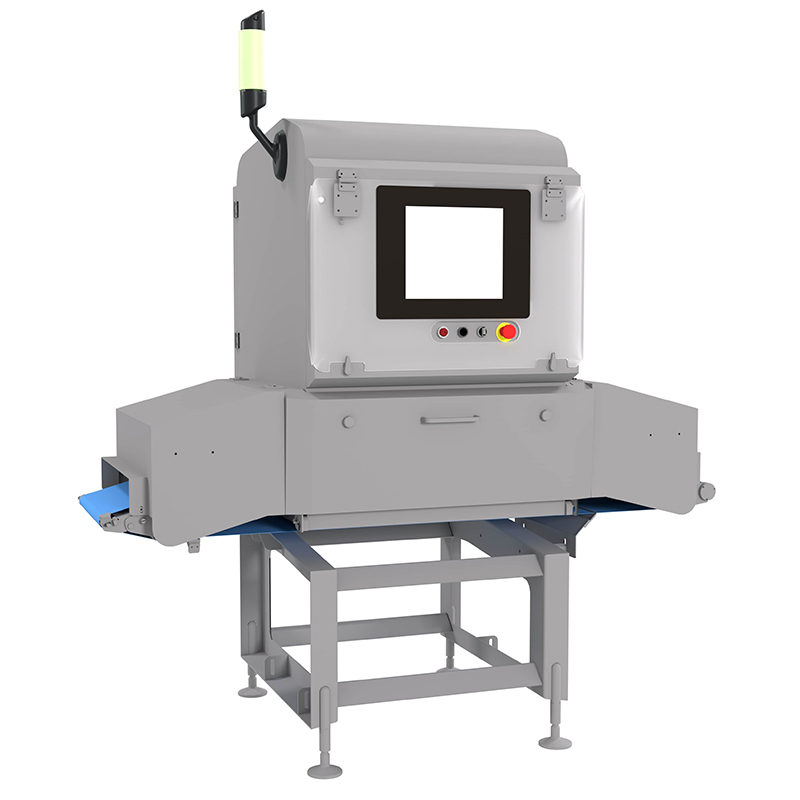
Uneven and overlapped product detection, thin & lo...
.png)
Glass-in-glass / Metal-in-metal inspection, small ...
High cost performance, compact design, high sensit...
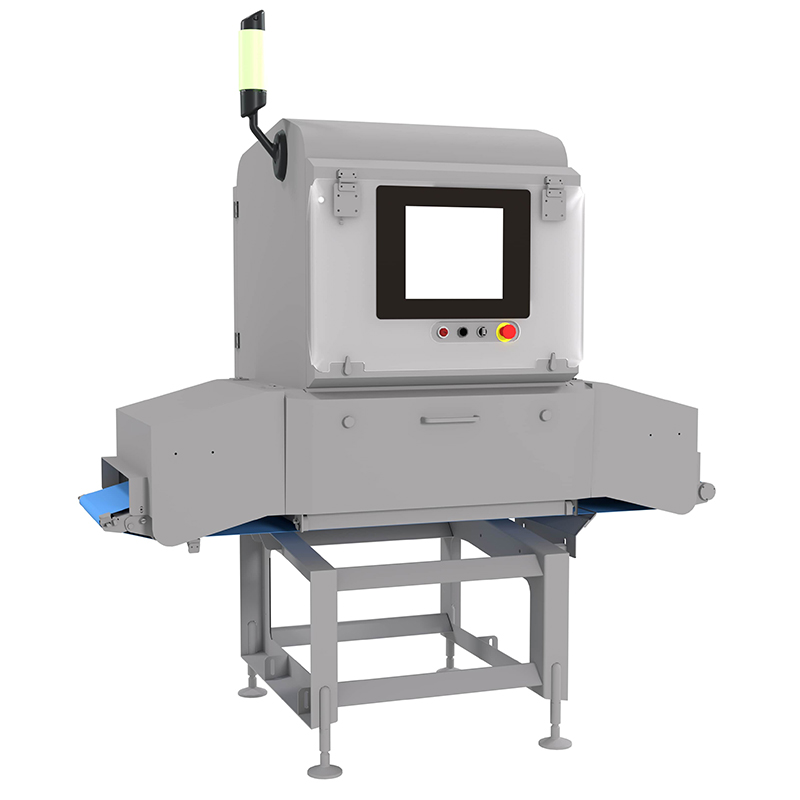
Chicken bone inspection, global poultry AI databas...
Select the most popular foreign trade service products to meet your diverse needs
Select the most popular foreign trade service products to meet your diverse needs







User Comments
Service Experience Sharing from Real Customers
James Wilson
Quality Control ManagerThis x-ray inspection system has revolutionized our bone detection process. The accuracy is exceptional, and it integrates seamlessly with our high-speed production line. A game-changer for product safety.
Sarah Chen
Plant Operations DirectorHighly reliable machine for detecting foreign contaminants in our ground beef products. The image clarity is superb, and downtime has been minimal. It's a critical piece of equipment for ensuring our HACCP standards.
Michael Rodriguez
Food Safety TechnicianOutstanding performance in detecting small metal fragments and dense plastics. The user interface is intuitive, and the automatic rejection system is fast and precise. Greatly enhances our final product quality assurance.
Lisa Thompson
Production SupervisorThis x-ray unit delivers consistent results in checking our packaged sausages for contaminants. It's robust enough for our wet environment and the maintenance support has been excellent. A solid investment for any modern meat plant.