Infant formula inspection
Infant formula inspection
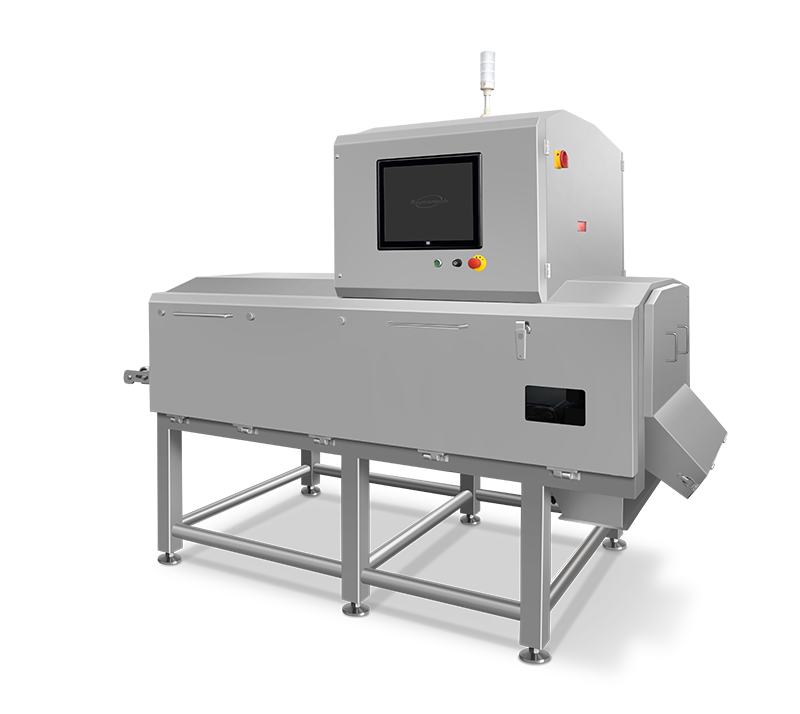
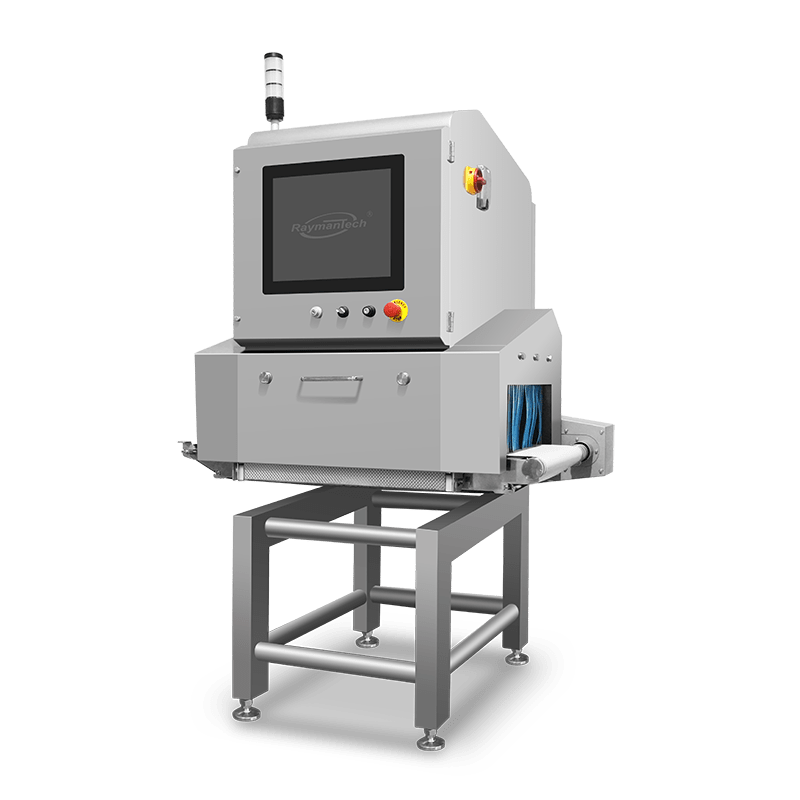
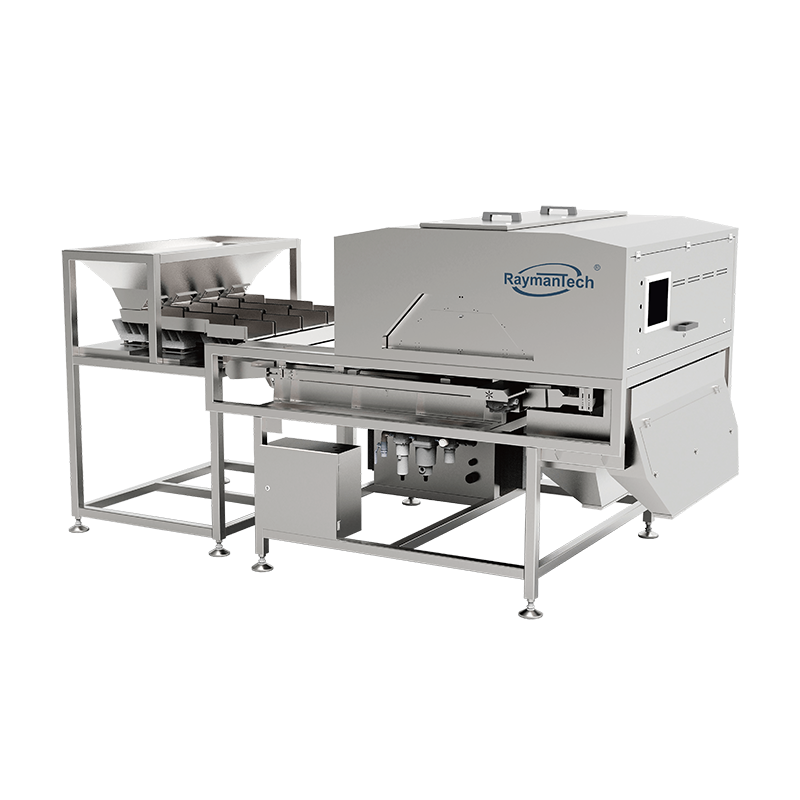
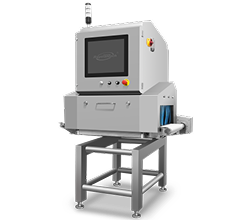
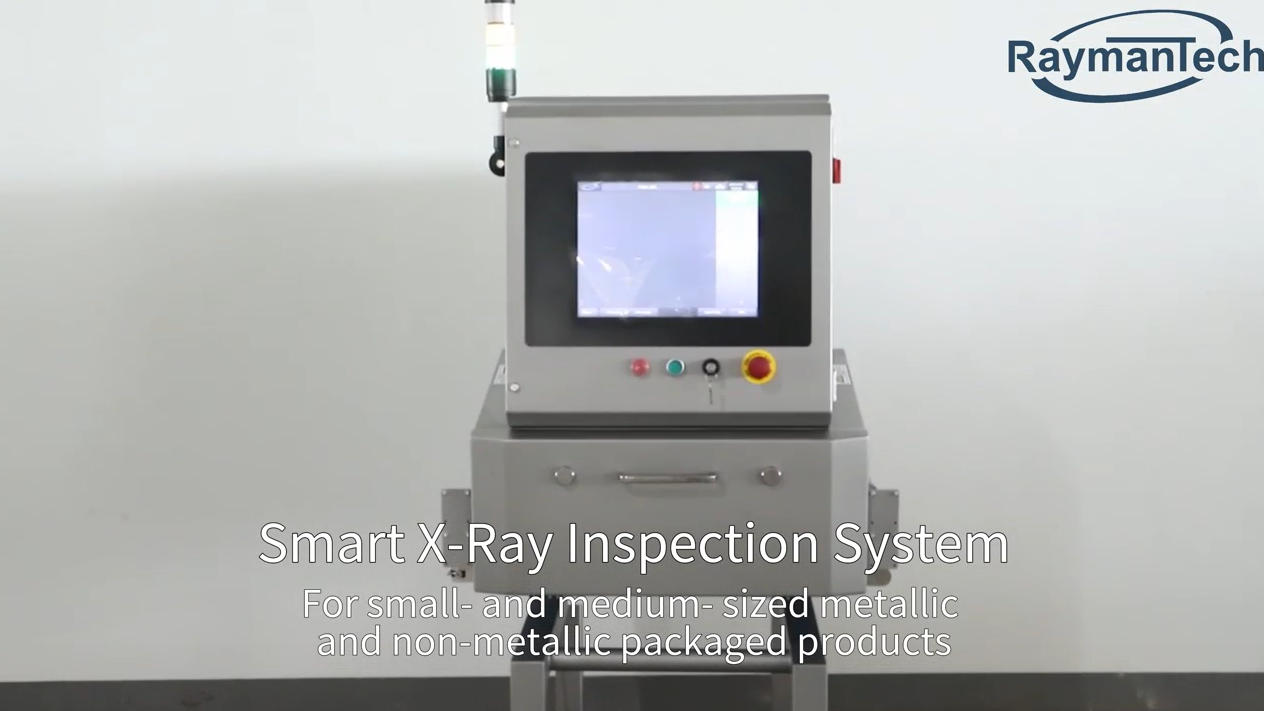
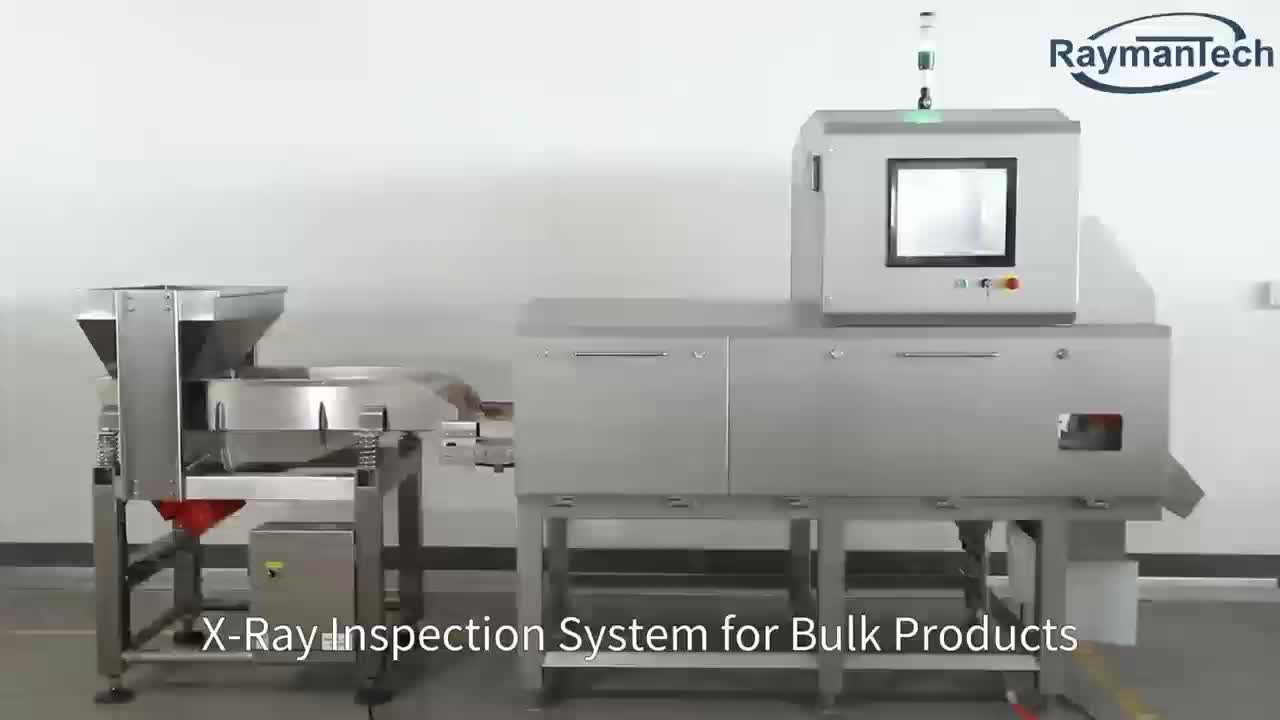
Infant formula inspection is a critical process that ensures the safety, quality, and nutritional adequacy of products designed for infant consumption. This rigorous procedure involves multiple stages, including raw material testing, in-process monitoring, and final product analysis, all governed by stringent international standards such as those set by the Codex Alimentarius, the U.S. Food and Drug Administration (FDA), and the European Food Safety Authority (EFSA). Regulatory bodies worldwide mandate comprehensive checks for contaminants like pathogens (e.g., Cronobacter sakazakii and Salmonella), heavy metals (e.g., lead, arsenic, cadmium), pesticide residues, and mycotoxins. Nutritional composition is verified against labeled claims for essential components like proteins, fats, vitamins (A, D, E, K), and minerals (iron, calcium). For instance, FDA regulations under the Infant Formula Act require that all formulas sold in the U.S. meet specific nutritional requirements and that manufacturers conduct regular testing for nutrient levels and safety. Recent data from global recall databases and regulatory reports highlight the ongoing necessity of these inspections. For example, between 2020 and 2023, several major international recalls were issued due to potential Cronobacter contamination or discrepancies in vitamin/mineral levels, underscoring the zero-tolerance approach for infant food products. The inspection protocols utilize advanced technologies such as High-Performance Liquid Chromatography (HPLC) for nutrient analysis, Mass Spectrometry for contaminant detection, and genomic sequencing for pathogen identification, ensuring a scientifically robust assessment framework.
The implementation of effective infant formula inspection directly correlates with enhanced consumer trust and market credibility for brands. In-depth analysis of market research, such as reports from Mintel or Euromonitor, indicates that parents and caregivers increasingly prioritize safety certifications and transparent quality assurance practices when selecting formula. Brands that publicly adhere to third-party audit schemes like those from NSF International or that achieve certifications exceeding local regulatory minimums (e.g., EU organic certification, FDA's quality control systems approvals) consistently show stronger market performance and brand loyalty. For instance, following the 2022 regulatory incident involving a prominent manufacturer, brands that proactively published their comprehensive inspection results and supply chain audit summaries experienced a measurable recovery in market share compared to those that did not, as per sales data analytics. The physical inspection process encompasses the entire supply chain, from dairy farm sanitary conditions and ingredient supplier verification to sterile manufacturing environments and final packaging integrity. Environmental monitoring data from manufacturing facilities, including air and surface sampling results for microbial counts, is a mandatory part of compliance documentation. Furthermore, finished product batch testing results for stability and shelf-life are essential. Real-world data from peer-reviewed journals in food science, such as studies documenting the effectiveness of specific sterilization techniques or nutrient degradation prevention, form the technical backbone of modern inspection criteria. Ultimately, a demonstrably rigorous infant formula inspection regime is not merely a regulatory hurdle but a fundamental pillar of product promotion, assuring potential customers that the product is scientifically validated, consistently safe, and nutritionally complete for infant development.
 English EN
 中国 CN
中国 CN

.png)
.png)







User Comments
Service Experience Sharing from Real Customers
Emily Chen
Pediatric NutritionistThe thorough inspection process for this infant formula is outstanding. As a professional, I appreciate the detailed batch testing and nutrient verification, which gives me complete confidence in recommending it to parents.
David Rodriguez
Quality Assurance ManagerImplementing their inspection protocol as a benchmark in our own facility. The transparency in contamination screening and adherence to international standards is commendable. A reliable choice for safety-conscious manufacturers.
Sarah Johnson
New MotherThe detailed inspection report available for every can is a game-changer. Knowing each batch is checked for purity and accurate composition puts my mind at ease. It's the main reason I trust and continue to use this brand.
Michael Park
Regulatory Affairs SpecialistFrom a regulatory perspective, their inspection system exceeds baseline requirements. The multi-stage checks for heavy metals, allergens, and microbiological safety are rigorous and well-documented. A model of excellence in the industry.