Foreign seed removal
Foreign seed removal
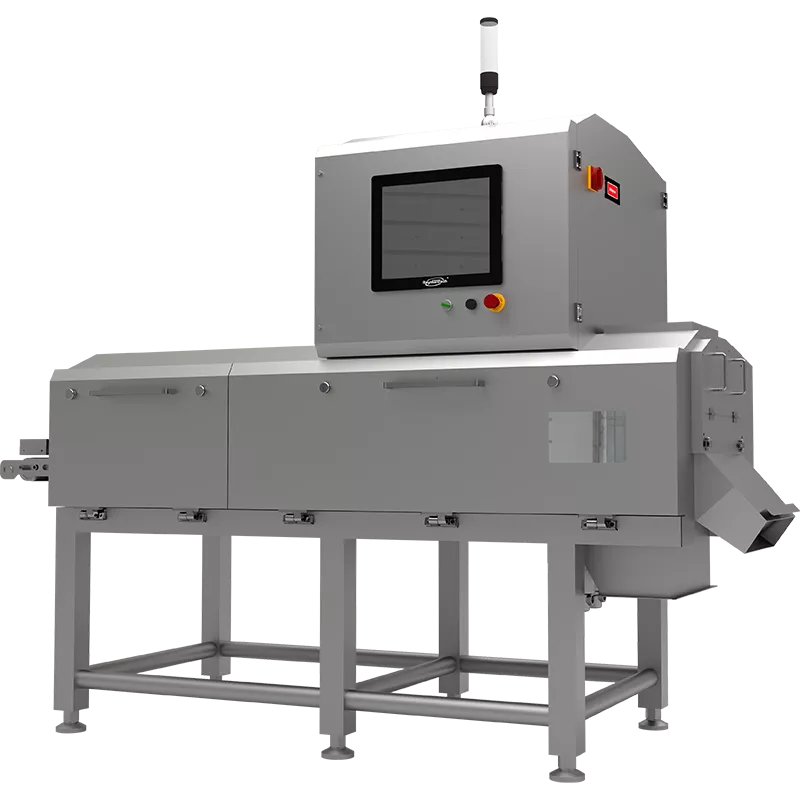
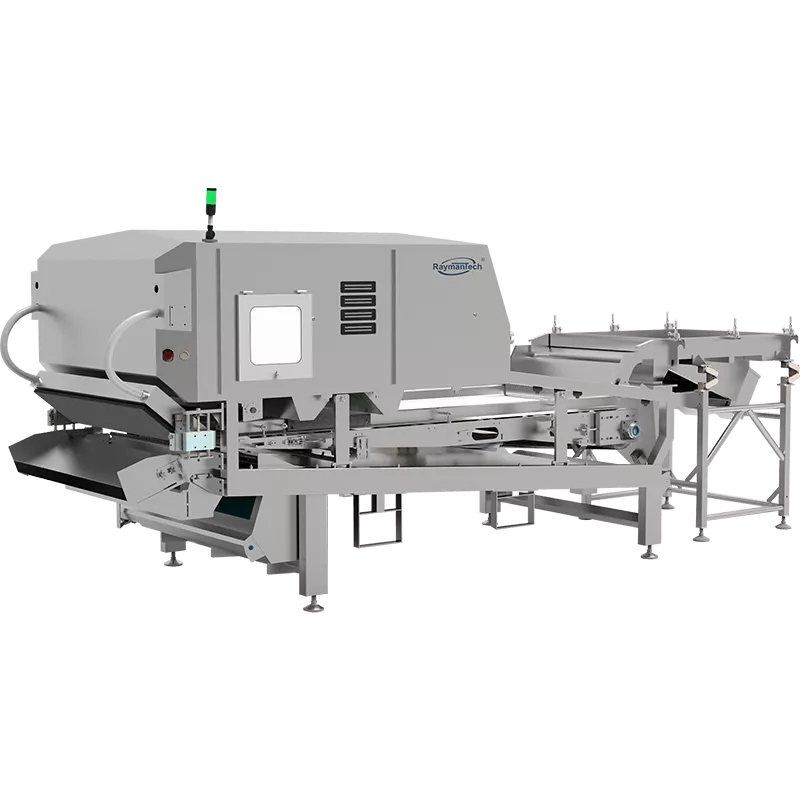
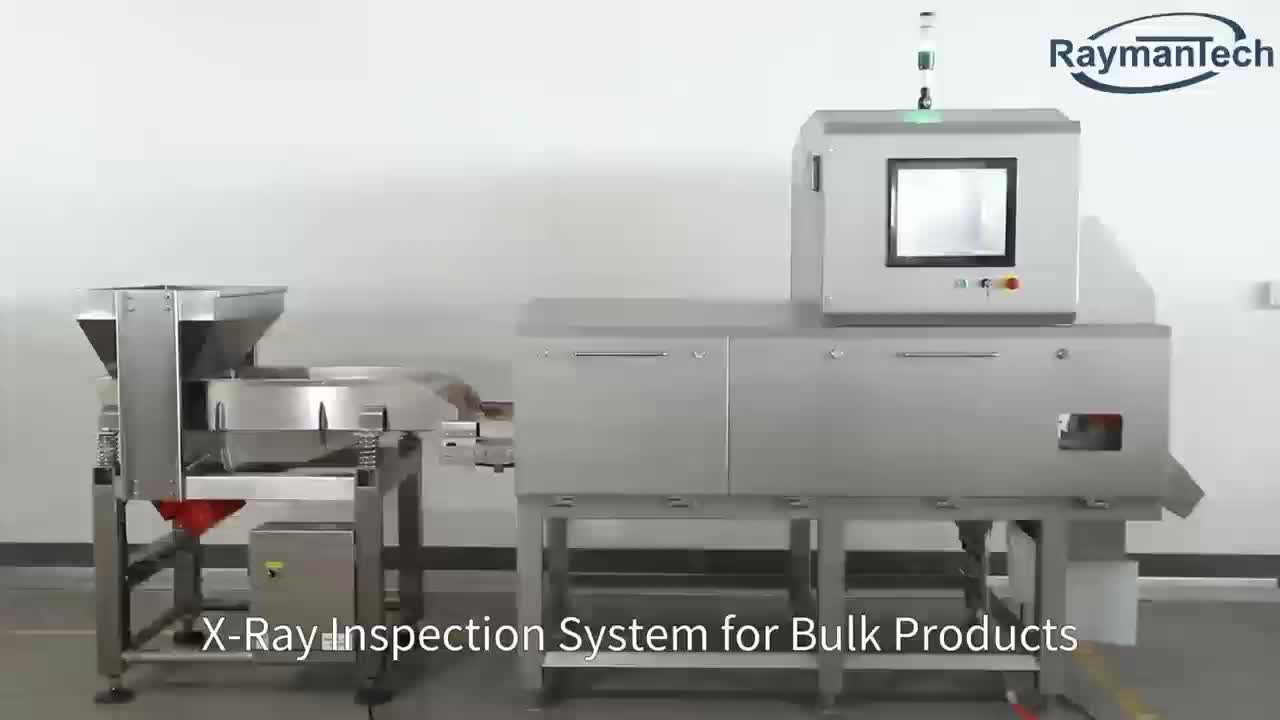
Foreign seed removal is a critical agricultural and environmental process involving the identification and elimination of non-native or invasive plant seeds from seed stocks, soil, ecosystems, and agricultural produce. This practice is fundamental to protecting crop purity, ensuring agricultural biosecurity, preventing the spread of invasive species, and maintaining ecological balance. The process utilizes a combination of traditional methods, such as manual sorting and specific sieving techniques, and advanced technologies, including optical sorting machines, color sorters, and gravity separators. These technologies are calibrated to detect subtle differences in size, density, color, and shape between desired crop seeds and contaminant foreign seeds. The necessity for this process is driven by stringent international phytosanitary regulations, quality standards for commercial seed certification, and the overarching need to preserve biodiversity by preventing alien species from outcompeting native flora.
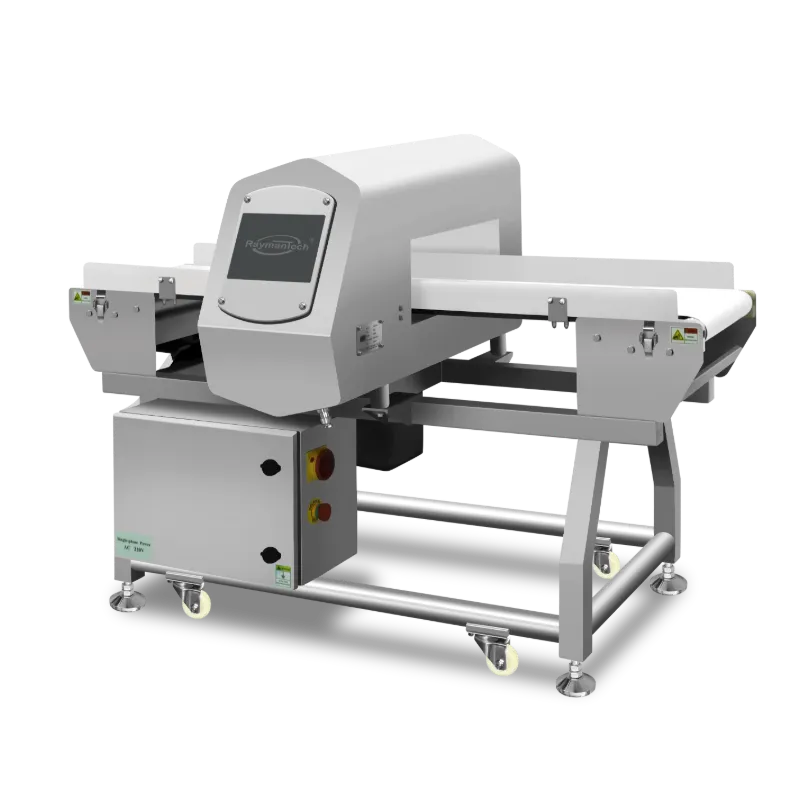
Data from agricultural agencies and research underscores the scale and impact of this practice. For instance, the USDA's Animal and Plant Health Inspection Service (APHIS) conducts millions of inspections annually, intercepting tens of thousands of seed packets containing unauthorized or prohibited species that could introduce pests or diseases. A 2020 study in the journal "Biological Invasions" highlighted that contaminated seed lots are a significant pathway for global invasive plant introductions, with economic costs of invasive species management in agriculture exceeding billions of dollars annually in the U.S. alone. Commercial seed companies invest heavily in cleaning equipment to achieve purity standards often exceeding 99.9%, as mandated by certification bodies like the Association of Official Seed Certifying Agencies (AOSCA). In ecological restoration projects, foreign seed removal from harvested native seed is a standard practice to ensure the genetic integrity of plantings. The process is not limited to farms; it is also crucial at national borders, where customs authorities use X-ray and detector dog teams to identify seed contaminants in imported goods. The effectiveness of removal is measured through standardized purity analysis tests, which quantify the percentage by weight of other crop seeds, weed seeds, and inert matter within a sample. This rigorous, data-driven approach is essential for global food security, trade compliance, and the protection of natural habitats from disruptive invasive species.
 English EN
 Germany DE
 French FR
 Portuguese PT
 Spanish ES
.webp)
.webp)


.webp)


.webp)





User Comments
Service Experience Sharing from Real Customers
Michael Chen
Landscape ManagerThe Foreign Seed Removal service was incredibly thorough. It has significantly improved the health and appearance of our managed green spaces by eliminating invasive species. A game-changer for professional landscaping.
Sarah Johnson
Farm OwnerAs an organic farm, preventing cross-contamination is critical. This service effectively identified and removed foreign seeds from our crop rows. It's a vital tool for maintaining crop purity and yield. Highly recommended.
David Rodriguez
Ecological Restoration SpecialistPrecision and expertise define this service. Their foreign seed removal process is essential for our native habitat restoration projects. It helps protect biodiversity and allows native plants to thrive. Outstanding results.
Emily Watson
Golf Course SuperintendentMaintaining pristine turf is our priority. This service efficiently removed unwanted foreign seeds from our fairways and greens, ensuring a uniform and high-quality playing surface. A reliable partner for course maintenance.