 English EN
 中国 CN
中国 CN
.png)
Overcoming Challenges in Large Package: Rayman Tech's AI X-ray Solutions for Meat Processing
Our AI X-ray Inspection System, tailored for high ...
More

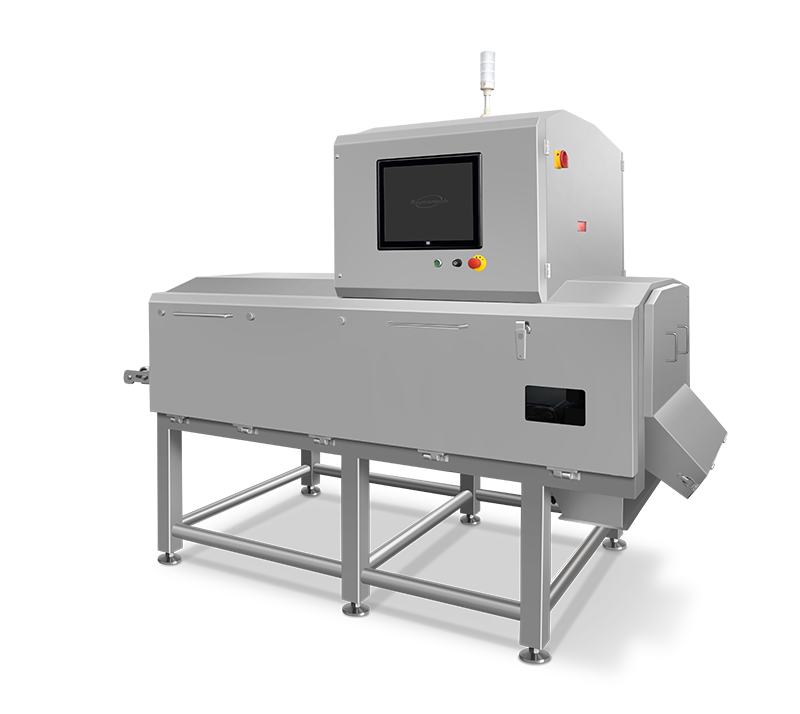
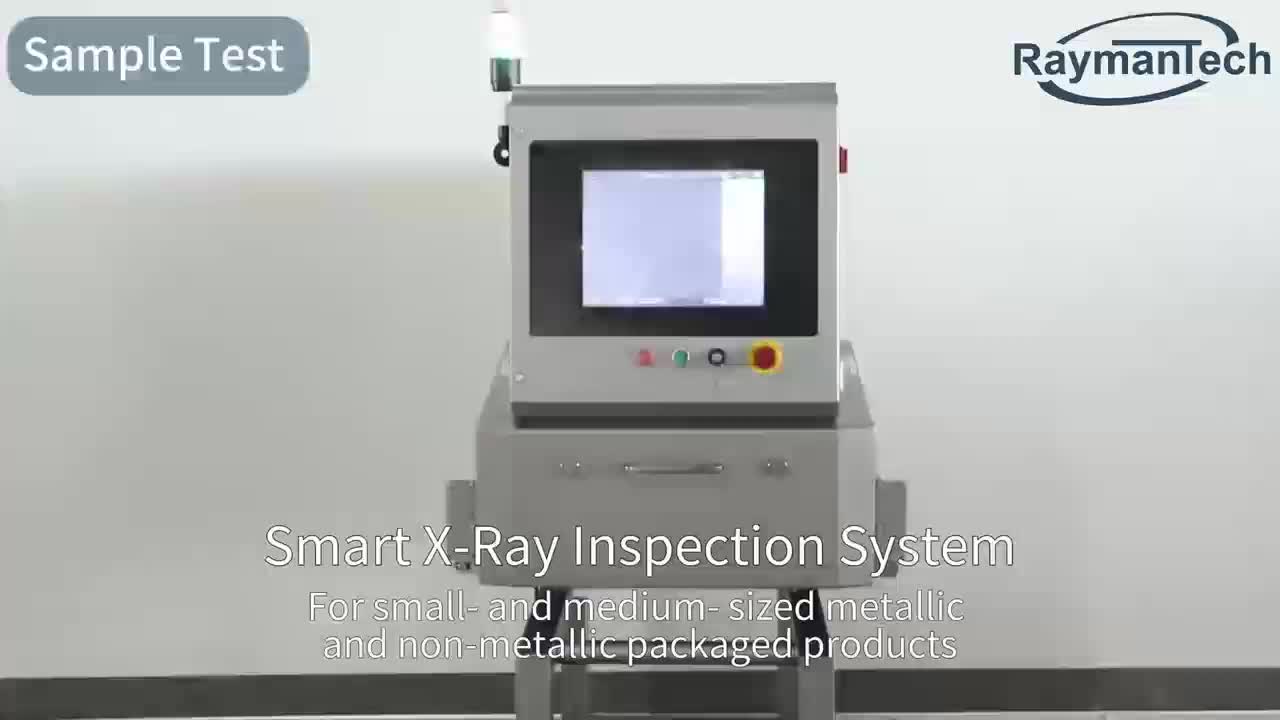
An entry-level food x ray machine typically costs between $40,000 and $60,000. This investment addresses a critical industry need, with the market projected to grow at a 7.8% CAGR. Foreign material contamination drives this demand.
The U.S. Department of Agriculture (USDA) identified foreign material as the leading cause of food recalls by unit count in 2022.
The final price includes installation, training, and service—not just the equipment.
The initial $40,000 to $60,000 price range for an entry-level food x ray machine serves as a baseline. The final cost depends heavily on the specific configuration required for a particular product and production line. Four key technical specifications directly influence the equipment's price: aperture size, generator power, detector sensitivity, and software capabilities.
The aperture is the tunnel-like opening through which products pass for inspection. Its size must accommodate the largest product on the production line. A larger aperture requires a more powerful x-ray source and a larger detector, which significantly increases the machine's cost.
The price differential between metal detectors and X-ray systems increases incrementally according to the size of the aperture. For smaller units, the difference in upfront cost may not be a deal breaker if investing in X-ray, but it may become insurmountable if a bigger system is required, according to Phil Brown, managing director, Fortress Technology, Oxfordshire, England.
Conveyor width is directly related to aperture size. Standard entry-level systems offer a range of widths to suit common packaged goods. For example, some popular models provide the following options:
Loma X5 Space Saver: 300mm and 500mm belt widths
Loma X5 Pack: 300mm, 500mm, and 600mm belt widths
Other affordable systems, like the Mettler-Toledo X16 and the Sesotec RAYCON EX1, are designed as entry-level solutions for packaged products. Manufacturers should always confirm that the conveyor width and aperture height can handle their complete product range.
The x-ray generator is the heart of the system, creating the radiation needed for inspection. The generator's power, measured in kilovolts (kV), determines its ability to penetrate the product. Higher density and thicker food products necessitate increased x-ray power for effective inspection. A low-power generator may be sufficient for inspecting a bag of salad, but it will not be able to penetrate a dense block of cheese or a large frozen meat product. As product density or thickness rises, a more powerful—and more expensive—generator is required to maintain reliable inspection performance.
The detector acts as the system's "eyes," capturing the x-ray image of the product. The resolution and sensitivity of the detector determine the smallest size of contaminant the system can identify. This component is a primary cost driver. X-ray inspection systems are more expensive than other methods partly because their highly sensitive detectors require sophisticated technology to manufacture.
Advanced systems with higher resolution can detect extremely small foreign bodies. For instance, some modern RXP series x-ray inspection systems can identify high-density contaminants like glass, hard plastic, and bone down to a size of 0.3mm. While a food x ray machine with such advanced detection capabilities has a higher upfront cost, it provides a better long-term return on investment by offering superior brand protection.
The software is the brain of the operation, analyzing images and identifying potential issues. Entry-level software focuses on basic contaminant detection. However, manufacturers can opt for advanced software packages that expand the machine's functionality, which also increases the price. These features transform the system from a simple safety check into a comprehensive quality assurance tool.
💡 Note: Beyond contamination, advanced software can perform in-line quality checks such as measuring mass, counting components, identifying missing or broken items, and checking fill levels.
Examples of upgrades that add to the cost include:
Extensive upgrades or extra features for proprietary software platforms.
Cloud-based solutions that offer remote data access, system management, and disaster recovery.
Evaluating your true needs is critical. A facility only producing one type of simple packaged good may not need complex software, while a facility with diverse products could greatly benefit from the added quality control functions.
A food manufacturer's total investment extends far beyond the initial price tag of the x-ray machine. The true cost of ownership includes several critical services and customizations that ensure the system operates safely, effectively, and seamlessly within an existing production environment. Companies must budget for these additional expenses to calculate an accurate return on investment.
Proper installation is not a DIY project. It requires certified technicians from the supplier to ensure the machine is set up correctly and safely. The installation process involves more than just plugging in the equipment. Technicians will:
Physically place and secure the machine on the production line.
Connect the system to the facility's power supply.
Perform a radiation survey to confirm it operates within safe limits.
Commissioning is the final step, where technicians fine-tune the system for a specific product. They configure the software, calibrate the detector, and run test products to verify that the machine meets the required detection standards. This phase guarantees the equipment is ready for reliable, day-to-day operation.
Effective training is essential for compliance and operational efficiency. Operator training programs for x-ray inspection equipment must be comprehensive. These programs ensure personnel understand regulatory requirements, operate the system effectively, and follow all necessary compliance procedures.
🛡️ A Well-Trained Team is Your First Line of DefenseKey components of a robust training program include initial certification for all operators, ongoing education to keep skills current, and regular verification of competency. This structured approach maintains the effectiveness of compliance efforts and maximizes the equipment's performance.
Untrained staff can miss critical alerts, misinterpret data, or handle the equipment unsafely, negating the entire investment in the technology.
Food x-ray machines are sophisticated instruments that require regular maintenance to ensure peak performance and longevity. Manufacturers can often choose between a comprehensive service contract or paying for service on an as-needed basis. A service contract typically offers better value and peace of mind.
Routine maintenance is a critical part of ownership. These tasks prevent unexpected downtime and costly repairs. Common maintenance activities include:
Performing basic quality control checks, like testing and realigning beams.
Monitoring the facility's indoor temperature and humidity levels.
Troubleshooting common issues such as conveyor speed problems.
Conducting scheduled professional service checks for cleaning and calibration.
While the exact costs for these tasks vary, they represent an ongoing operational expense. Proactive maintenance protects the investment and ensures the system consistently protects the brand.
An x-ray machine rarely works in isolation. It must become part of a larger, interconnected production line. This integration often requires customization, which adds to the project's total cost. The machine must fit physically and communicate electronically with other equipment.
Common customizations include:
Modifying the system for compatibility with existing conveyor belts.
Integrating the machine with other equipment, such as metal detectors and checkweighers.
Adjusting software and hardware for varied product characteristics.
Adding rejection systems that automatically remove contaminated products from the line.
Each customization requires engineering and technical resources. A food manufacturer should discuss its unique line requirements with the supplier to understand the full scope and cost of integration.
An entry-level food x ray machine costs between $40,000 and $60,000. This price is the starting point for a larger investment in brand protection.
A food x ray machine can prevent recalls averaging $10 million, delivering a return on investment in just 12 to 24 months.
Manufacturers should request a detailed quote for an accurate total cost.
X-ray systems detect a wider range of contaminants, including glass, stone, and bone. Metal detectors only identify metallic foreign bodies, offering a more limited scope of protection.
No. The food absorbs extremely low radiation energy as it passes through the machine. The product does not become radioactive and remains completely safe for consumption.
A company should consider upgrading when production speeds increase or product variety grows. Advanced systems provide higher throughput, greater sensitivity, and additional quality assurance capabilities.

We provide you with comprehensive foreign trade solutions to help enterprises achieve global development
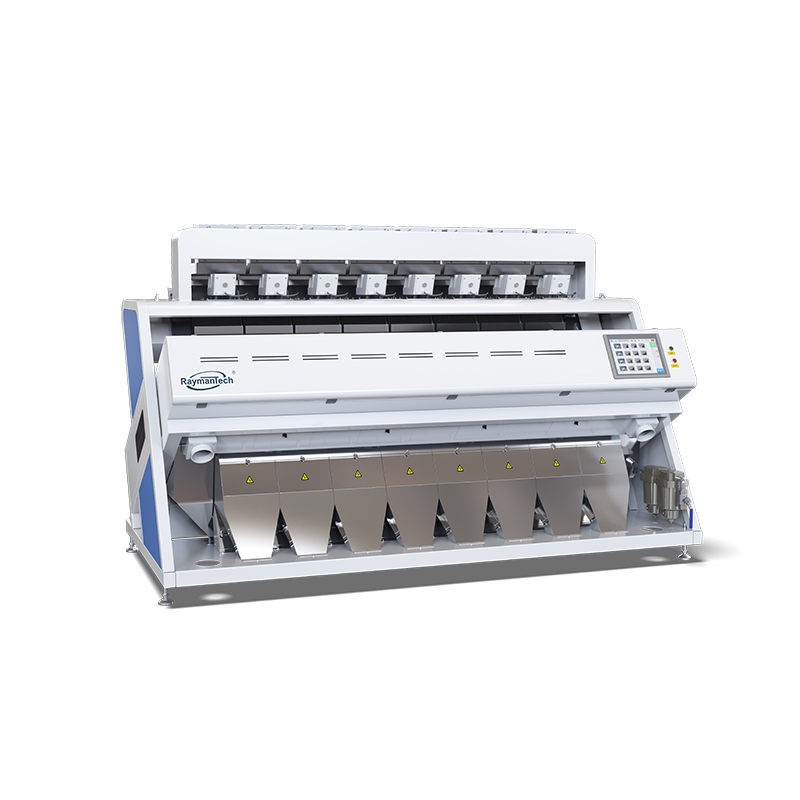
Recommedation: Rice, wheat, corn, grain, pulses, s...
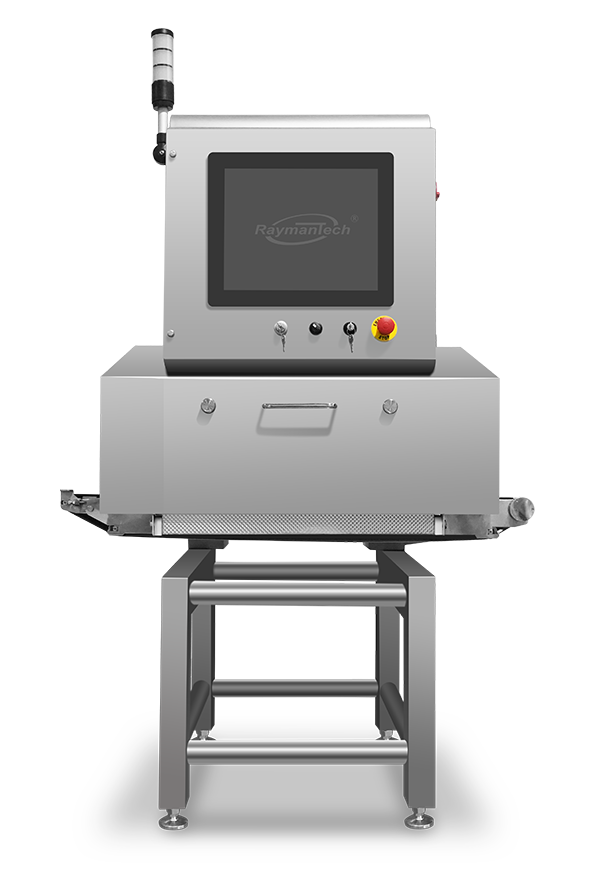
Ultra-fine contaminants detection, UHD X-Ray detec...
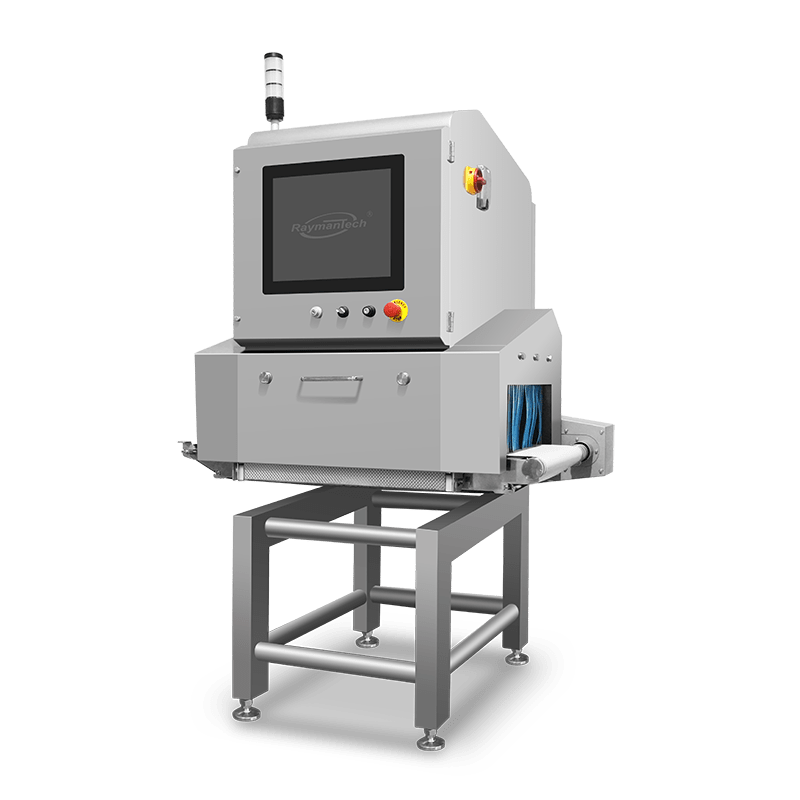
UHD X-Ray detector, AI large model, all food indus...
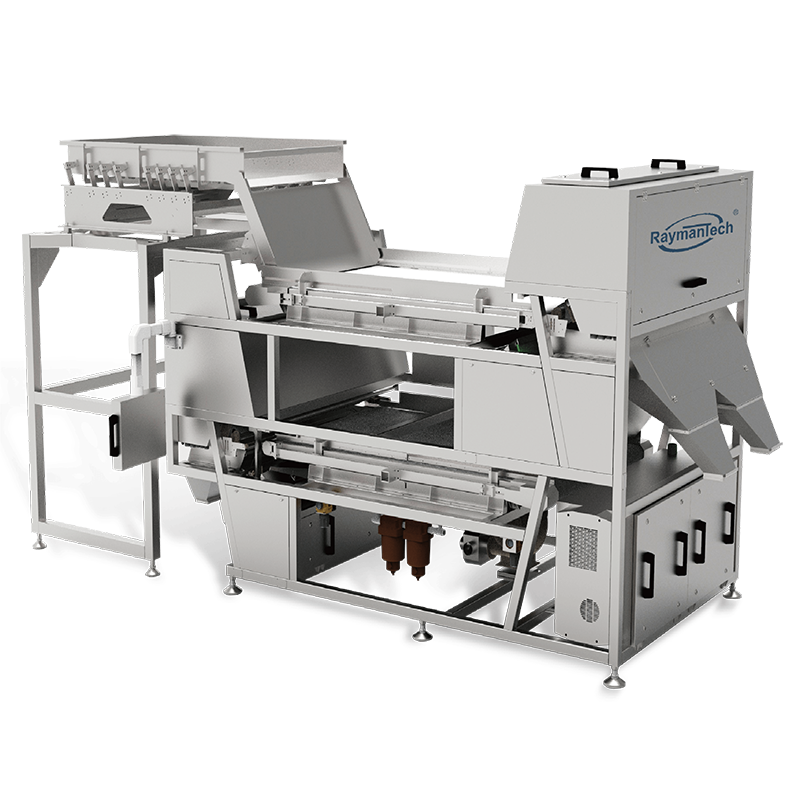
Recommedation: Chili, walnut, peanuts, soybeans, c...
Select the most popular foreign trade service products to meet your diverse needs
Select the most popular foreign trade service products to meet your diverse needs







User Comments
Service Experience Sharing from Real Customers
James Wilson
Quality Assurance ManagerThis food X-ray machine has revolutionized our contaminant detection. The sensitivity is exceptional, catching even minute metal fragments and glass shards we previously missed. Downtime has decreased significantly.
Sarah Chen
Production SupervisorVery reliable machine for our bakery line. The image clarity is superb for identifying dense contaminants like stones in our grain mixes. User interface is intuitive, requiring minimal training for our operators.
David Rodriguez
Plant ManagerOutstanding investment for food safety compliance. The automatic rejection system integrated with our packaged nuts line works flawlessly. Customer complaints about foreign materials have dropped to zero since installation.
Emily Brown
Food Safety TechnicianHighly effective for detecting bone fragments in our poultry products. The machine's software allows for easy calibration and sensitivity adjustments for different product lines. Maintenance support from the supplier has been prompt and helpful.