 English EN
 中国 CN
中国 CN
.png)
Safe Paws, Happy Hearts: Mastering Pet Food Safety with Advanced X-Ray Inspection
As pet owners increasingly view their companions a...
More

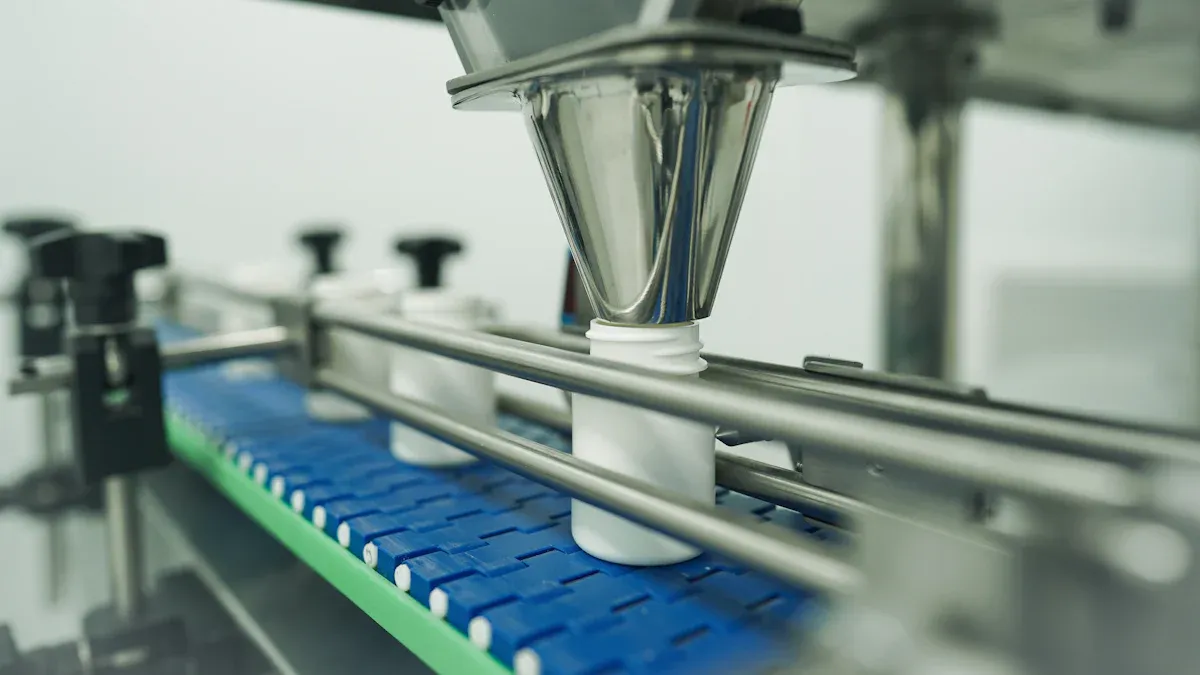
Food recalls pose a significant industry challenge. EU and UK regulators recorded 550 recalls from physical contaminants in Q1 2025, while foreign objects cause 11.4% of US recalls. A food inline x ray system offers a critical defense, automatically scanning products to find and remove these hazards.
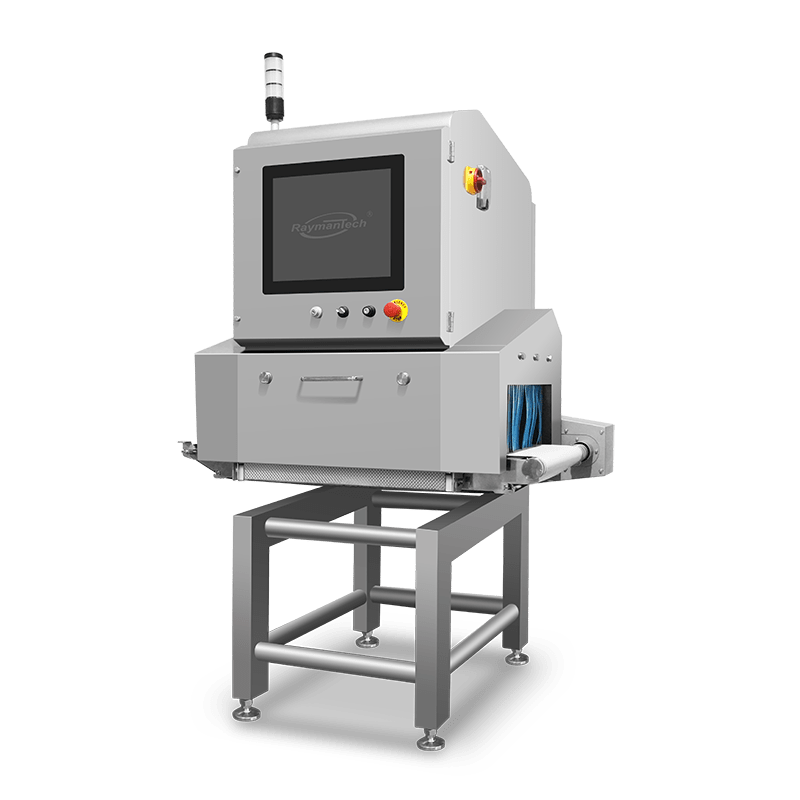
Understanding the mechanics of a food inline x ray system reveals its power as a safety and quality assurance tool. The process involves three core stages: generating an image, analyzing it for anomalies, and automatically removing any non-conforming products from the production line.
The process begins inside a shielded X-ray generator. This unit houses an X-ray tube, which contains several key components within a vacuum.
Glass envelope
Heating cathode
Copper anode
Tungsten disc
A high voltage accelerates electrons from the cathode toward the tungsten disc. When the electrons strike the disc, they decelerate instantly, emitting X-ray energy. This energy is directed through a small opening as a beam, passing through the food product as it moves along the conveyor. A detector on the opposite side captures the X-rays that pass through, creating a grayscale image of the product's interior.
X-ray inspection operates on the principle of density. Different materials absorb X-rays at different rates. Robert Scott, a product manager at Mettler-Toledo Safeline X-ray, explains that the technology is primarily based on detecting changes in density. When X-rays pass through a food item, any material denser than the product itself absorbs more X-ray energy. This differential absorption causes dense contaminants like metal, glass, or bone to appear as darker areas on the final image, creating a visible contrast that the system can identify.
Once the system captures an image, sophisticated software takes over. The system uses advanced image processing algorithms to analyze the image and highlight potential contaminants. These algorithms often combine multiple filters to improve detection, including:
Noise reduction to clarify the image.
Contrast enhancement to make contaminants stand out.
Material differentiation algorithms to distinguish between the product and foreign objects.
Modern systems increasingly use machine learning and AI. These intelligent algorithms learn from production data to recognize specific defects, adapt to variations in raw materials, and reduce false rejections. If the software detects a contaminant or defect, it sends a signal to an automated rejection mechanism. This device physically removes the flagged product from the line.
| Rejection Method | Best For | Description |
|---|---|---|
| Air Jet | Lightweight, small items | A quick blast of compressed air blows the item into a rejection bin. |
| Pneumatic Pusher | Heavier, sturdy products | A mechanical arm gently pushes the product off the conveyor. |
| Diverter Arm | Various product types | A pivoting arm guides the non-conforming product onto a separate path. |
| Drop-Down Rejector | Packaged goods | A section of the conveyor drops down, allowing the product to fall into a bin. |
A key advantage of a food inline x ray system is its ability to detect a wide range of foreign bodies that other systems might miss. It effectively identifies all types of metal—including ferrous, non-ferrous, and stainless steel—regardless of their magnetic properties.
Beyond metals, the technology excels at finding other dense contaminants:
Glass shards
Mineral stone and rock
High-density plastics and rubber (e.g., PVC, PEEK)
Calcified bone fragments
Advanced Bone Detection Bone Modern dual-energy X-ray technologies, such as PXT™ (Photon-Counting X-ray Technology), have set a new industry standard. These systems can reliably detect even the smallest, low-calcified bone fragments—some as small as 1mm—in challenging products like raw poultry.
The value of X-ray inspection extends far beyond just finding contaminants. These systems are powerful quality control tools that help manufacturers maintain product consistency and integrity.
By analyzing the product image, a system can perform numerous checks simultaneously. It uses mass estimation to analyze density changes, allowing it to verify fill levels and identify underfilled or overfilled packages. This is especially useful for products where weight variations could hide a missing component. The system can also count components within sealed packaging, check for broken or misshapen items like cracked cookies, and even inspect the integrity of product seals. This comprehensive quality assurance helps protect brand reputation and ensures consumers receive the product exactly as intended.
Integrating a food inline x ray system delivers significant value beyond contaminant detection. It enhances production efficiency, strengthens regulatory compliance, and provides a clear return on investment by safeguarding a company's financial health and brand reputation.
X-ray systems optimize production lines by providing actionable data insights. Advanced inspection software reliably distinguishes contaminants from the product, which reduces the frequency of false rejects compared to older methods. This technology also offers real-time analysis that drives process improvements. For example, systems can:
Verify the fat content in meat products for accurate labeling.
Instantly detect product defects, allowing for immediate adjustments.
Provide detailed measurements that help identify the root causes of recurring issues.
X-ray inspection is a cornerstone of modern food safety programs. Global Food Safety Initiative (GFSI) standards, including BRCGS, recognize this technology as an effective tool for foreign-body detection. It also helps manufacturers meet the FDA's Food Safety Modernization Act (FSMA) requirements, such as implementing risk-based preventive controls (HARPC) and maintaining detailed documentation for audits.
By serving as a designated critical control point, an X-ray system provides documented proof of due diligence, protecting a brand from the severe consequences of a recall.
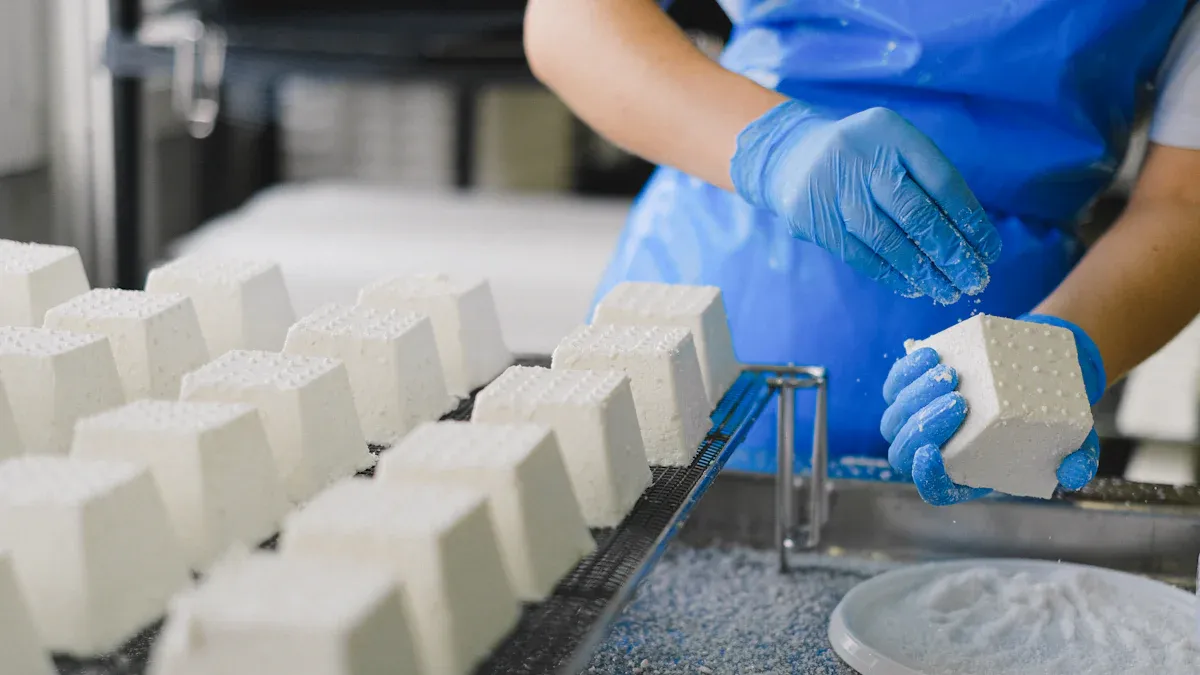
Effective implementation requires understanding the system's operational factors. Detection sensitivity depends on product characteristics; dense contaminants are harder to spot in dense foods like cheese. Non-uniform products can also reduce the contrast between a contaminant and the food item. Success depends on proper system setup and comprehensive operator training covering machine operation, safety protocols, and maintenance procedures.
While an entry-level system can cost between $60,000 and $120,000, the ROI becomes clear when weighed against the cost of a recall. A single recall incurs massive direct and indirect expenses, including:
Product disposition and replacement costs
Lost sales and government fines
Legal fees and public relations campaigns
Investing in prevention is far more cost-effective than managing a crisis.
A food inline x ray system is an indispensable tool in modern manufacturing. It extends beyond contaminant detection to offer comprehensive quality assurance. Future advancements like AI and dual-energy technology will continue to enhance food safety and operational efficiency, solidifying the system's role as a cornerstone for brand protection.
Yes. Food passes through the beam too quickly to be affected. The FDA confirms that X-ray inspection does not harm food or make it radioactive.
No. The system detects contaminants denser than the food. It cannot find low-density materials like hair, wood, or most plastics.
Yes, temperature can alter a product's density. Frozen items may require different system settings than ambient products for optimal detection accuracy.

We provide you with comprehensive foreign trade solutions to help enterprises achieve global development
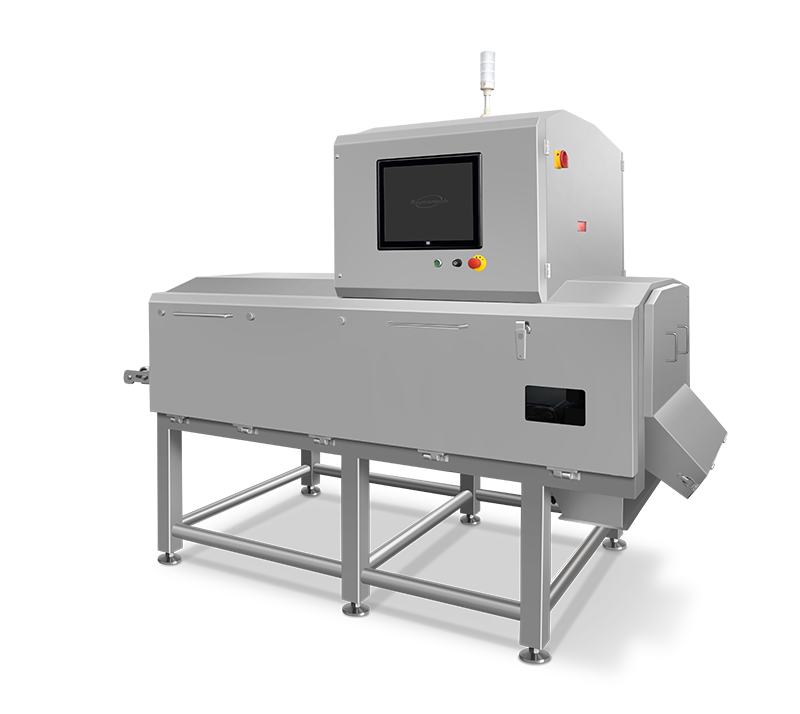
Conventional and unconventional contaminant detect...
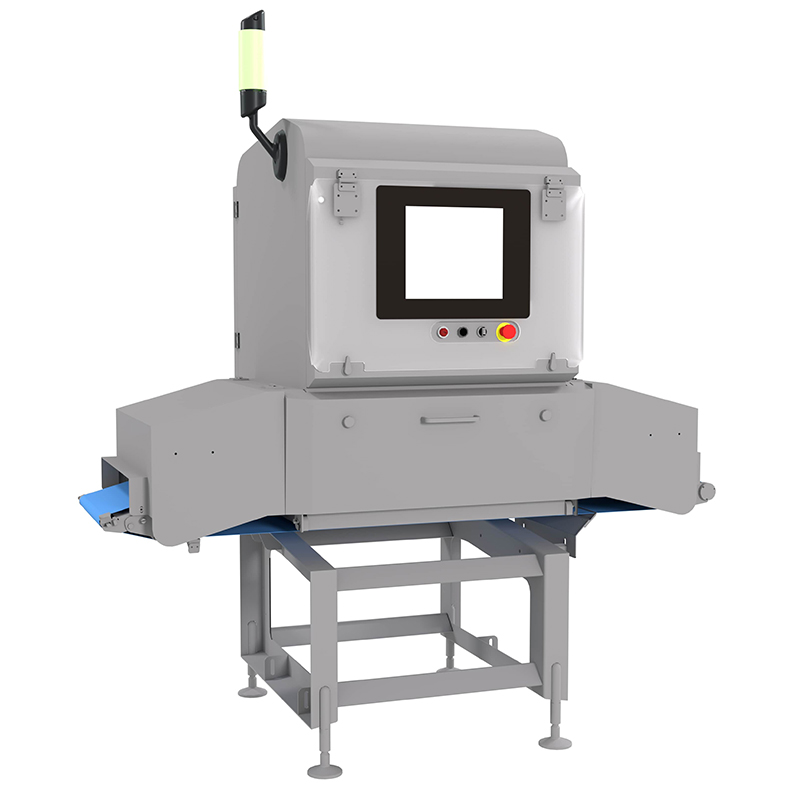
Both fat analysis and contaminant inspection (bone...
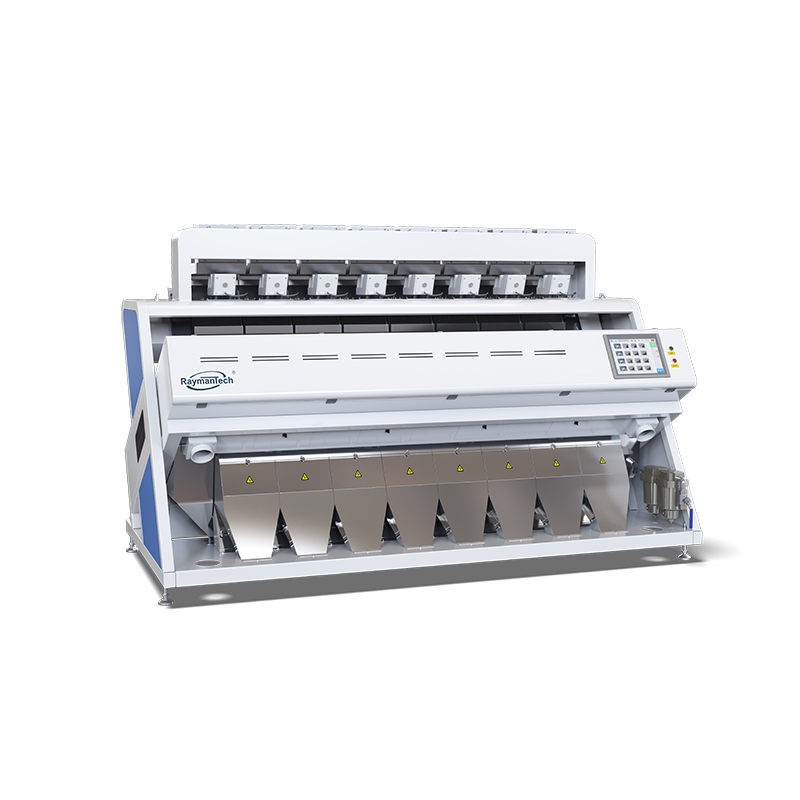
Recommedation: Rice, wheat, corn, grain, pulses, s...
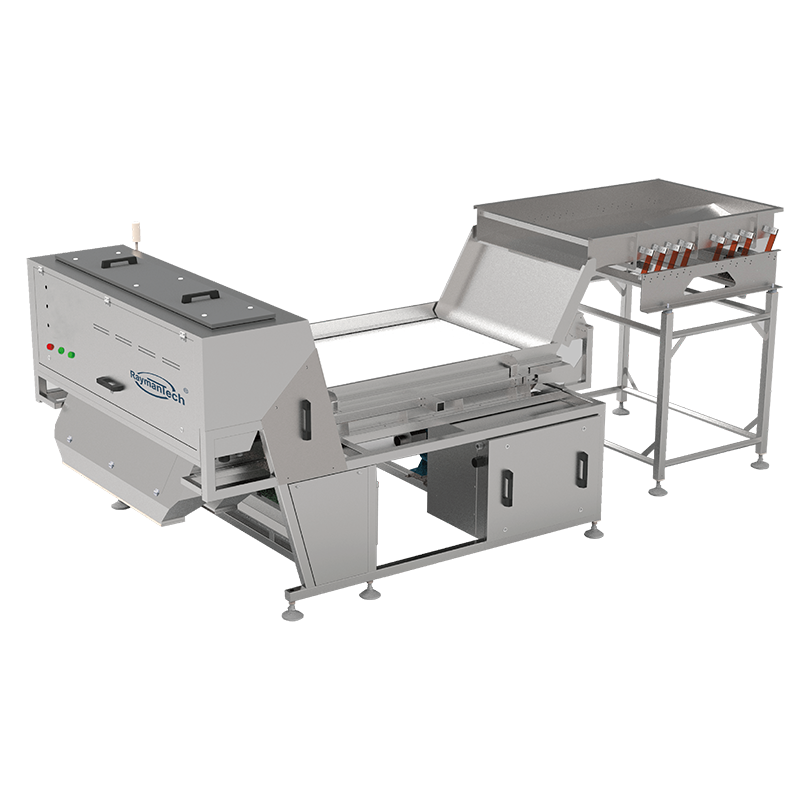
Recommedation: Chili, walnut, peanuts, soybeans, c...
Select the most popular foreign trade service products to meet your diverse needs
Select the most popular foreign trade service products to meet your diverse needs







User Comments
Service Experience Sharing from Real Customers
Michael Rodriguez
Quality Control ManagerThis food inline X-ray system has revolutionized our contamination detection process. The accuracy and speed are exceptional, significantly reducing false rejects while ensuring product safety.
Sarah Chen
Production SupervisorOutstanding performance in detecting foreign materials in our packaged meals. The user-friendly interface and minimal maintenance requirements have made our production line much more efficient and reliable.
David Thompson
Plant ManagerHighly effective system for identifying contaminants in our bakery products. The installation was seamless and the technical support team provided excellent training. A valuable investment for any food processing facility.
Jennifer Williams
Food Safety SpecialistThis X-ray inspection system has exceeded our expectations in detecting metal, glass, and stone contaminants. The data logging capabilities provide excellent traceability for compliance and quality assurance purposes.