 English EN
 中国 CN
中国 CN
.png)
Safe Paws, Happy Hearts: Mastering Pet Food Safety with Advanced X-Ray Inspection
As pet owners increasingly view their companions a...
More

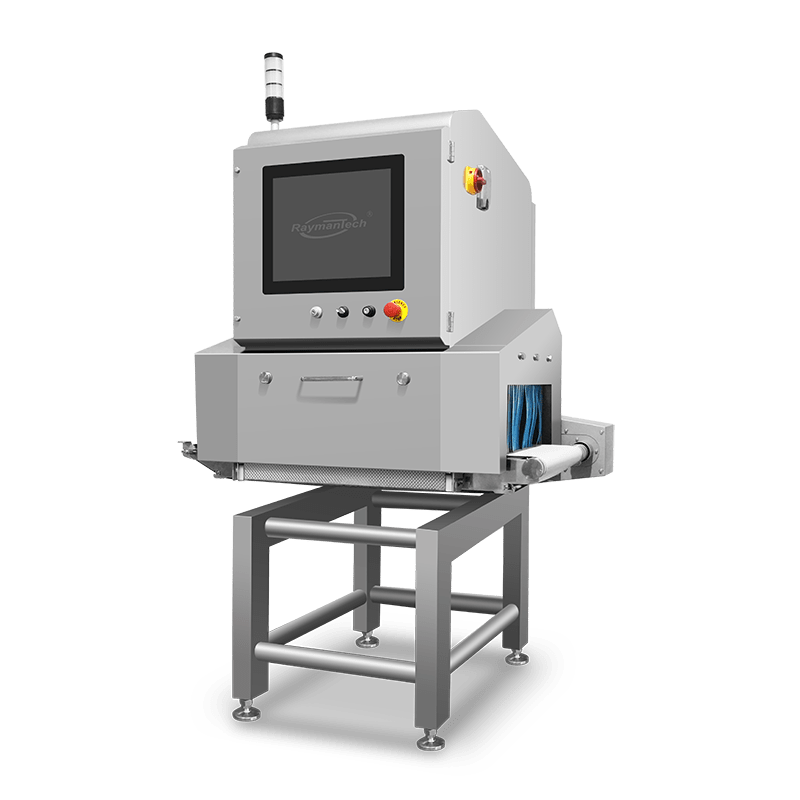
For many food businesses, X-ray inspection is a worthwhile investment. It provides unparalleled safety assurance, protecting consumers and safeguarding brand reputation.
A food industry x ray system offers a strategic advantage, preventing costly recalls that can exceed $10 million and account for 11.4% of all US incidents.
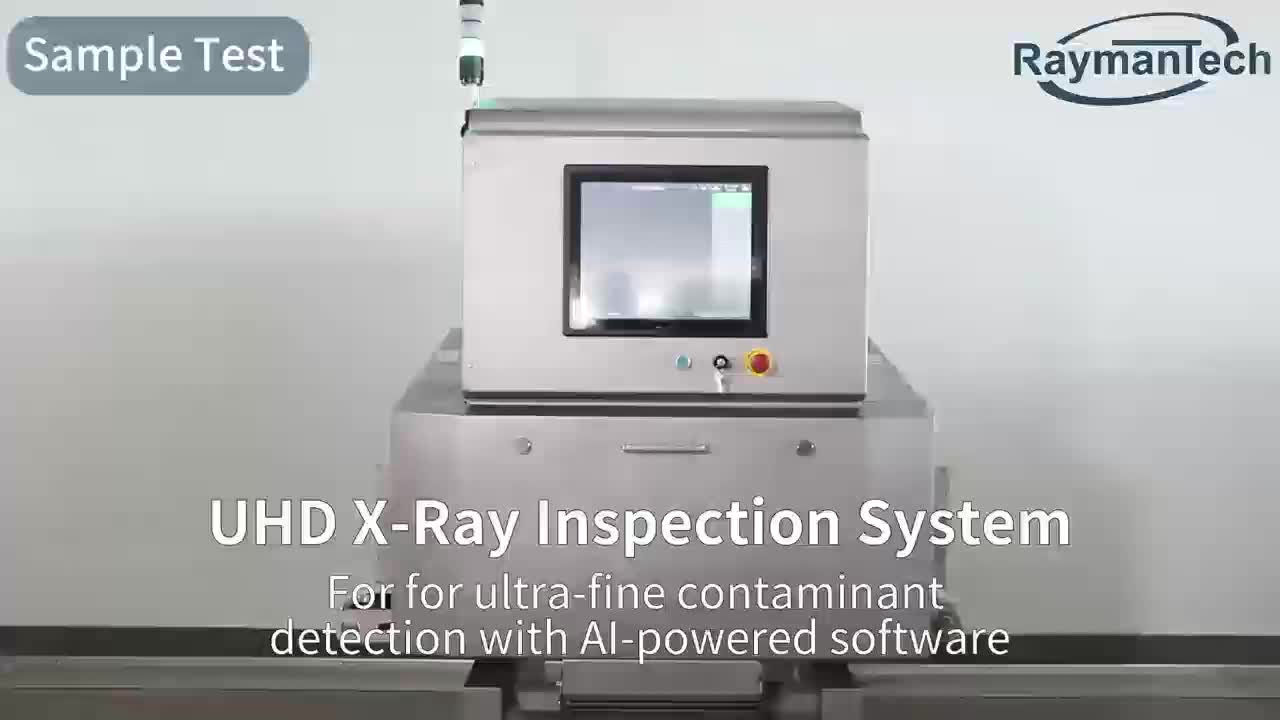
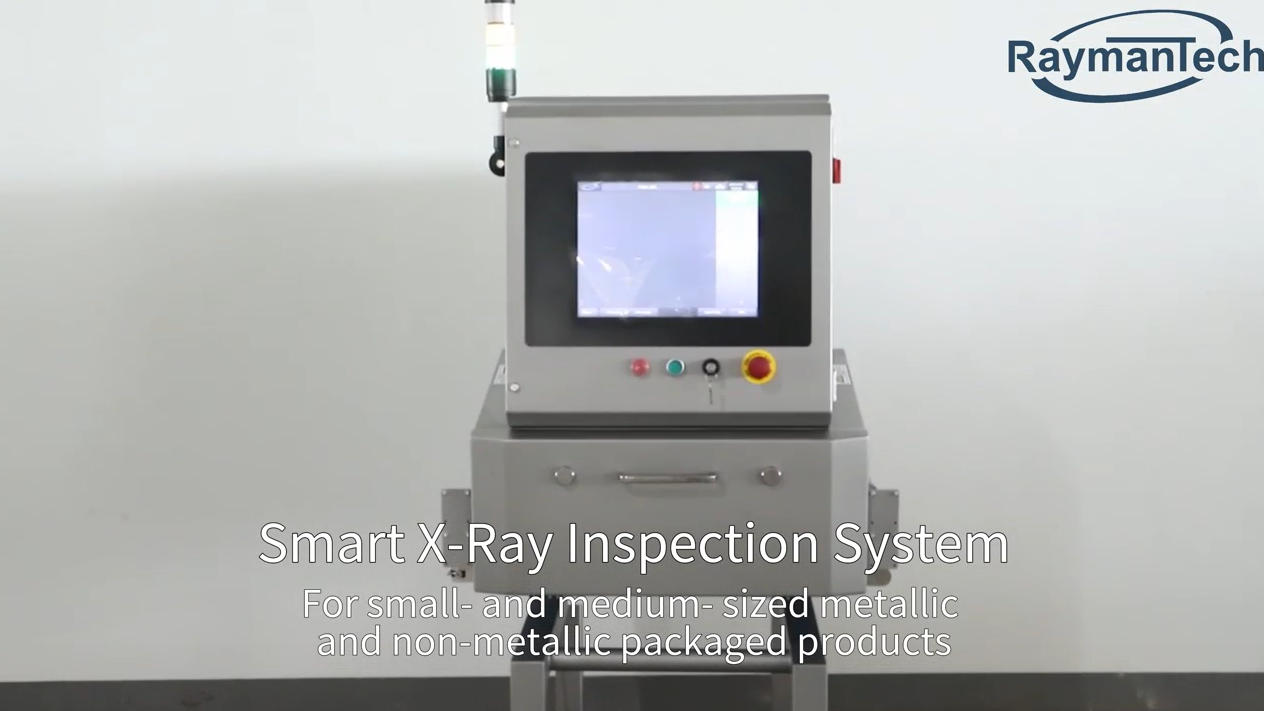
An X-ray inspection system’s primary function is to identify physical hazards before they reach a consumer. This technology provides a significant leap in detection capabilities, identifying a wide range of foreign bodies that other quality control methods simply cannot see.
Traditional metal detectors are a common and effective tool in food production. They excel at detecting ferrous metals due to their magnetic properties. However, their performance diminishes when identifying non-ferrous metals like aluminum or certain grades of stainless steel with low magnetic permeability. This creates a potential safety gap for many facilities.
X-ray inspection systems offer a more comprehensive solution. They operate by analyzing density differences, allowing them to detect a broad spectrum of foreign objects regardless of material composition. This makes them exceptionally sensitive to both metallic and non-metallic contaminants.
Note: Overcoming Product and Packaging ChallengesA key advantage of X-ray inspection is its immunity to "product effect." Salty or moist products can trigger false rejections in metal detectors. X-ray systems are unaffected by these characteristics. Furthermore, they can penetrate all types of packaging, including aluminum foil and metalized film, to visualize the contents inside—a task impossible for standard metal detectors.
X-ray systems are exceptionally proficient at finding high-density contaminants that pose serious safety risks. Materials like metal shards, glass fragments, and mineral stones create a clear contrast against the lower density of most food products, making them easy to identify and reject.
Many leading food companies leverage this capability to ensure product integrity. Real-world applications demonstrate the technology's effectiveness in protecting consumers from hard, sharp contaminants.
| Company | Contaminant Detected | Application |
|---|---|---|
| Giannone Poultry | Calcified bone fragments as small as 0.6 mm | Bulk, retail, and frozen poultry products |
| Schuman Cheese Inc. | Mineral stone and calcified bone | Mid-sized packaged cheese products |
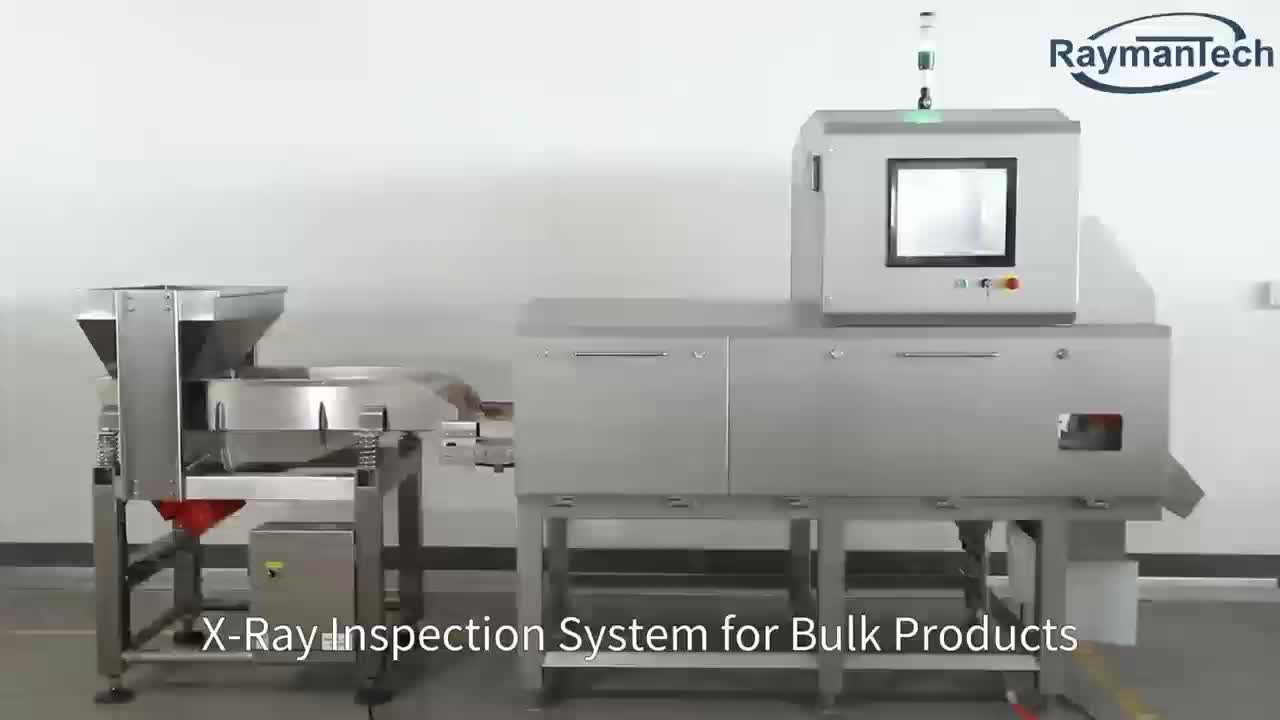
| Bulk Potato/Fig Processors | Metal pieces, rocks, and stones | Raw material inspection before processing |
These examples show how a modern food industry x ray system acts as a critical control point, removing dangerous materials like calcified bone that originate from the raw product itself.
The detection capabilities of X-ray technology extend to certain non-metallic materials. Dense plastics and rubber compounds, often originating from broken machinery components or tools, can be successfully identified. The system's ability to find these items depends entirely on their density relative to the food product being inspected. If a piece of plastic is significantly denser than the surrounding product, the X-ray system will flag it.
However, it is crucial to understand the technology's limitations. X-ray inspection is not a magic bullet for all foreign materials. Low-density contaminants are typically missed because they do not create enough contrast to be distinguished from the food.
Commonly missed low-density items include:
Hair, string, and paper
Wood and cardboard
Insects or their parts
Low-density plastics and thin glass
Organic compounds with a chemical makeup similar to the food
Understanding these boundaries helps businesses implement a robust and realistic quality control program.
A modern food industry x ray system delivers value far beyond its primary safety function. It doubles as a powerful quality assurance tool, performing multiple checks simultaneously to ensure product integrity and consistency.
X-ray inspection systems verify the presence of all components within sealed multi-pack products. The technology looks inside the final packaging, allowing for an accurate component count that is quicker and more reliable than manual checks or weighing. This prevents incomplete products from reaching the market, protecting brand reputation.
A single X-ray pass can perform several quality checks at once, including:
Component counting
Mass measurement
Identifying broken or misshapen items
Package integrity analysis
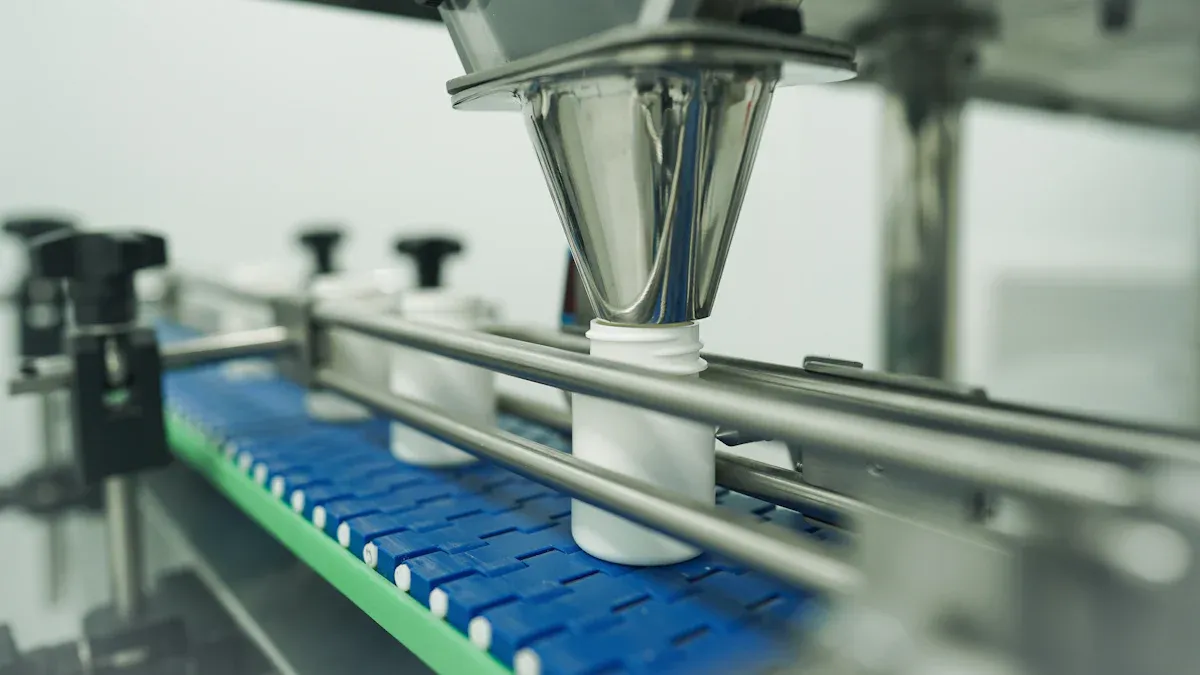
Maintaining consistent fill levels is crucial for profitability and customer satisfaction. X-ray systems measure the fill level of liquids, powders, and solids with remarkable precision. This ensures each package meets its stated weight and volume, preventing costly product giveaway or under-fills that disappoint consumers.
The accuracy varies by application. Specialized systems can achieve precision as fine as 5 micrometers. For packaged goods, fill level monitors typically measure liquids in cans with an accuracy of +/- 0.75 mm and in glass containers with an accuracy of about +/- 3.81 mm.
A compromised seal can lead to product spoilage, reduced shelf life, and potential contamination. X-ray systems identify defects in the seal area of flexible packaging by detecting differences in density. Trapped food particles or contaminants cause higher X-ray absorption than a clear seal, triggering an alarm.
Specialized equipment can identify trapped particles as small as 1mm and even detect wrinkles in the seal. This capability is vital for products like instant curry, potato salad, and gummies, where a perfect seal is essential for safety and quality.
While the technical capabilities of X-ray inspection are impressive, the decision to invest ultimately comes down to business value. A modern food industry x ray system is not just a piece of safety equipment; it is a strategic asset that protects a company’s financial health, brand reputation, and market access.
A food recall is one of the most financially devastating events a company can face. The direct costs alone are staggering. For small to medium-sized enterprises, a single recall can average upwards of $10 million per incident, covering expenses like product retrieval, disposal, and legal fees. The financial burden varies significantly depending on a company's role in the supply chain.
| Firm Type | Median Cost Per Recall (Range) |
|---|---|
| Producers | $3.0 million to $72.7 million |
| Shippers/Distributors | $0.1 million to $2.3 million |
| Restaurants | $0.04 million to $1.1 million |
| Nonrestaurant Retailers | $0.1 million to $3.1 million |
These figures represent only the immediate financial damage. They do not account for lost sales, production downtime, or the long-term impact on brand value. By detecting and removing contaminants before products leave the facility, X-ray inspection acts as a powerful form of insurance, mitigating the risk of these catastrophic financial losses.
The most significant cost of a food safety failure is often the loss of customer trust. In today's connected world, news of a recall spreads instantly, and the damage to brand equity can be permanent.
Consumer sentiment data reveals the severe impact of recalls on brand loyalty. One 2022 survey found that 68% of consumers would stop purchasing from a brand after a food safety incident. Other studies show similar hesitation, with 59% of consumers reluctant to buy the same product again. For some, the decision is final; 39% of consumers would abandon a brand completely if it had a past recall.
Investing in advanced safety technology like X-ray inspection proactively builds and protects this trust. When companies are transparent about their safety measures, they reinforce consumer confidence.
This commitment to safety translates into tangible brand benefits:
Assurance of Product Safety: It demonstrates a proactive approach to protecting consumer health from hazards like glass, stone, and dense plastics.
Consistency and Quality Control: It guarantees that every package meets quality standards, ensuring a reliable and positive consumer experience with each purchase.
Enhanced Brand Credibility: Openly communicating the use of X-ray inspection signals a deep commitment to quality, positioning the brand as a trustworthy leader.
Reduced Reputational Risk: Preventing recalls in the first place is the single best way to protect a brand's reputation and maintain long-term customer loyalty.
In the modern food industry, robust safety protocols are not optional. They are a requirement for market entry and a prerequisite for partnering with major retailers. Global standards and retailer mandates increasingly demand advanced foreign material detection capabilities.
X-ray inspection helps companies comply with the rigorous requirements of the Global Food Safety Initiative (GFSI). It provides essential validation for a company's food safety plan in several key areas:
Food Safety Plan: Systems installed at Critical Control Points (CCPs) validate the HACCP plan by preventing hazards from advancing down the line.
Internal Audits & Traceability: Advanced software captures and stores inspection data and images, providing a clear, accessible record for audits and traceability inquiries.
Managing Incoming Raw Materials: Inspecting raw materials upon arrival catches contaminants like bone fragments or stones before they enter production.
Foreign-body Detection: The technology directly addresses the core GFSI requirement for effective foreign-body detection and removal.
Beyond global standards, major retailers now issue their own specific mandates.
Costco, for example, requires its food suppliers to use X-ray inspection systems for foreign material control. This rule, effective April 1, 2023, makes non-compliance an automatic audit failure, effectively barring suppliers from one of the world's largest retail markets.
Implementing X-ray inspection is no longer just about best practices; it is a critical step to secure and expand business relationships with key industry players.
Adopting X-ray technology requires a clear-eyed assessment of its costs, operational demands, and inherent limitations. While the benefits are significant, a successful implementation depends on understanding these practical realities from the outset.
The primary consideration for any business is the upfront cost. The price of a food industry x ray system varies widely based on its capabilities and application.
| System Type | Price Range |
|---|---|
| Entry-level | $60,000 to $120,000 |
| High-performance | $150,000 to $500,000+ |
However, procurement decisions should extend beyond the initial purchase price. A strategic approach evaluates the total cost of ownership, considering long-term ROI, vendor stability for ongoing support, and the system's ability to adapt to future regulatory changes. Focusing only on the initial cost can lead to expensive upgrades or operational disruptions later.
Effective implementation requires more than just installation. Staff must receive proper training to operate the equipment safely and interpret its findings correctly. Insufficient training can reduce the system's effectiveness. Fortunately, modern systems increasingly integrate AI and deep learning, which automates analysis and rejection processes. This streamlines production and minimizes the need for constant human intervention, though foundational training remains essential.
X-ray inspection is powerful but not infallible. Its effectiveness depends on density. The technology struggles to identify contaminants with a density similar to or lower than the food product itself.
Key Takeaway: If a contaminant floats on water (specific gravity < 1.0), an X-ray system will likely not detect it.
Commonly missed low-density items include:
Wood and paper
Hair and insects
Thin plastic film
The nature of the product and its packaging directly impacts inspection accuracy. Products with high variations in density, like bags of trail mix or frozen foods, can create challenges. However, advanced systems use adaptive algorithms to differentiate between normal product variations and actual contaminants. A major advantage of X-ray inspection is its ability to see through packaging like aluminum foil and metalized film, a task impossible for traditional metal detectors.
X-ray inspection is a powerful tool for ensuring top-tier food safety and quality. The decision to invest requires a careful assessment of specific product risks, production volume, and brand goals.
For businesses committed to the highest standards, a food industry x ray system is a definitive investment in risk mitigation and quality assurance, reflecting its growing adoption across the sector.
Yes. The technology uses extremely low radiation levels. Food passes through the beam quickly. It does not become radioactive and remains completely safe for consumption.
Yes. Modern systems have robust shielding and safety interlocks. They meet strict international safety standards. Operators receive minimal exposure, well below regulatory limits.
X-ray systems offer superior detection. They find non-metallic contaminants like glass, stone, and dense plastics. They also perform quality checks like fill level and mass measurement.

We provide you with comprehensive foreign trade solutions to help enterprises achieve global development
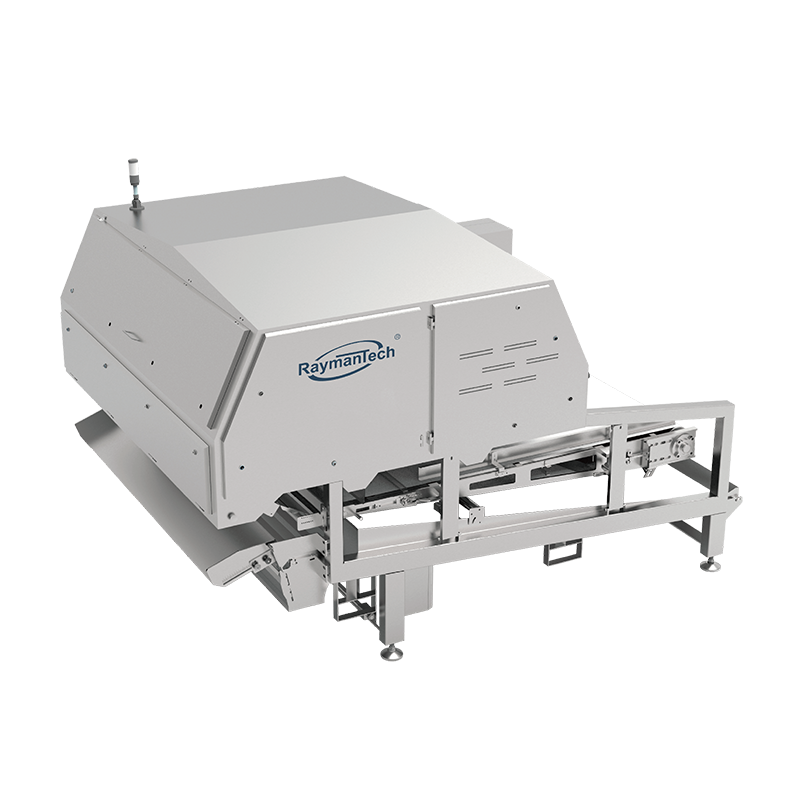
Recommedation: Frozen vegetables such as green be...
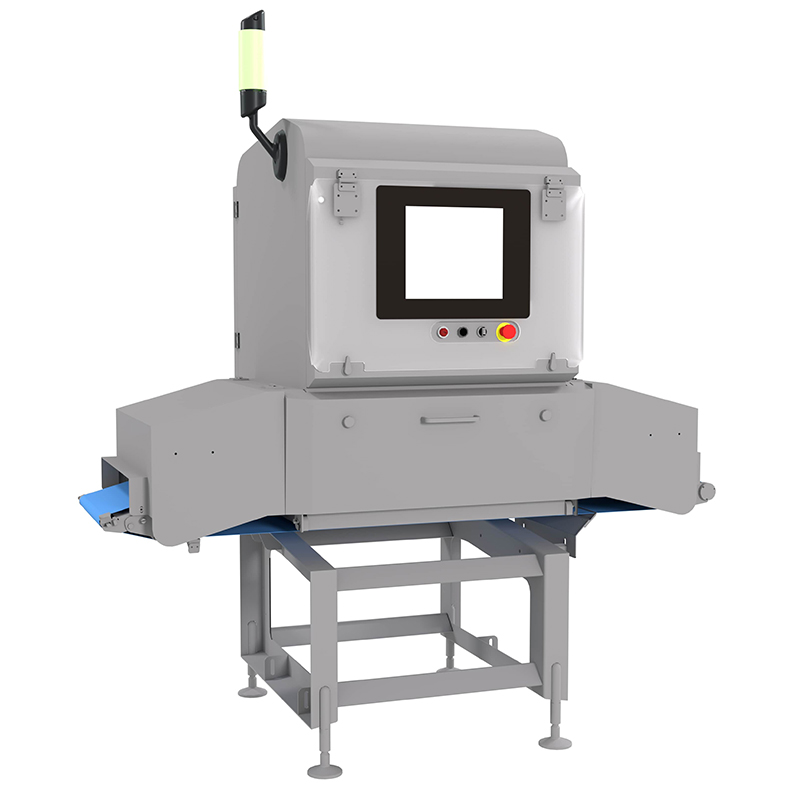
Both fat analysis and contaminant inspection (bone...
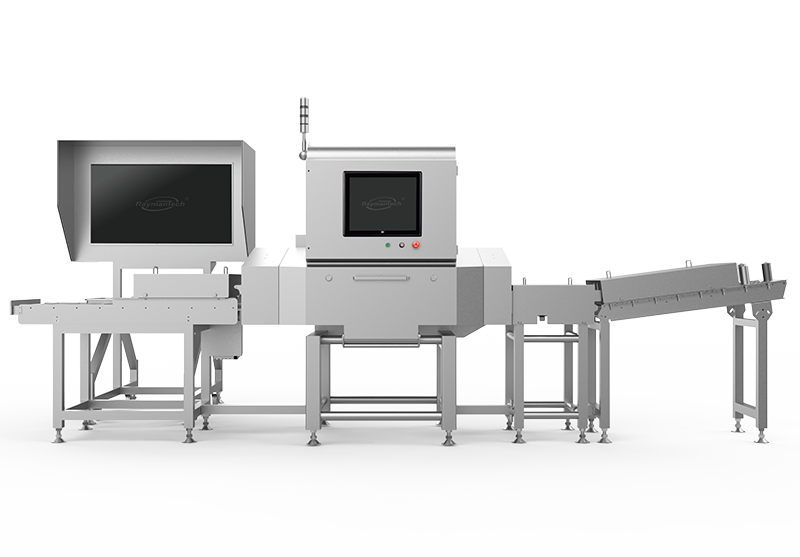
Automatic recognition and rejection, fish bone ins...
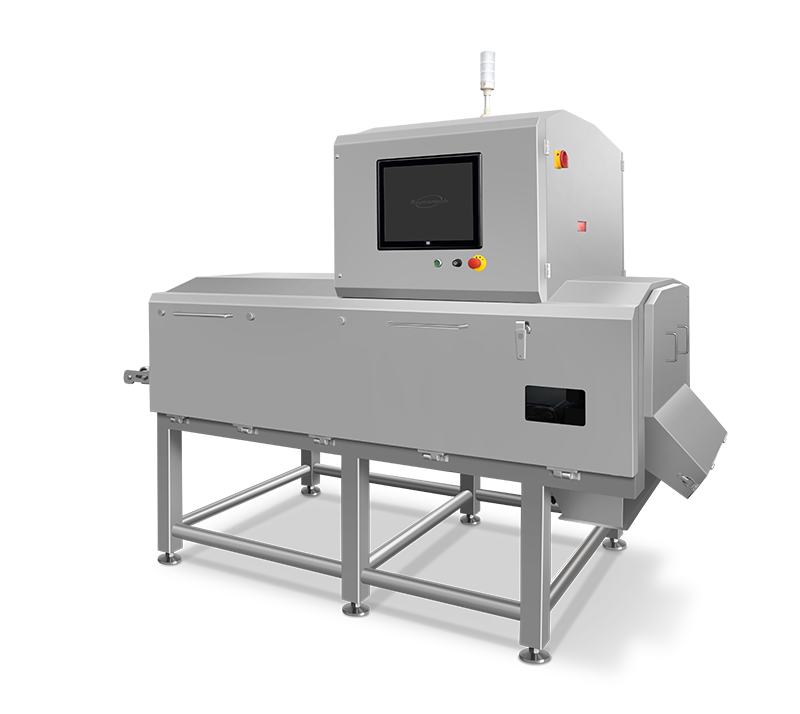
Conventional and unconventional contaminant detect...
Select the most popular foreign trade service products to meet your diverse needs
Select the most popular foreign trade service products to meet your diverse needs







User Comments
Service Experience Sharing from Real Customers
Michael Rodriguez
Quality Control ManagerThis food industry X-ray system has revolutionized our contamination detection process. The sensitivity for detecting metal fragments and glass shards is exceptional, significantly reducing our product recall risks.
Sarah Chen
Production SupervisorHighly reliable X-ray equipment that seamlessly integrates into our production line. The automatic rejection system has improved our efficiency while maintaining strict food safety standards. Minor learning curve for operators but excellent overall performance.
David Thompson
Food Safety DirectorOutstanding detection capabilities for various contaminants in packaged foods. The system's ability to identify bone fragments in our poultry products has been particularly impressive. Customer support and maintenance services are top-notch.
Jennifer Williams
Plant ManagerThis X-ray inspection system has significantly enhanced our quality assurance protocols. The user-friendly interface and detailed reporting features make compliance documentation much easier. Some initial calibration challenges, but now running smoothly.