Fish fillet inspection
Fish fillet inspection
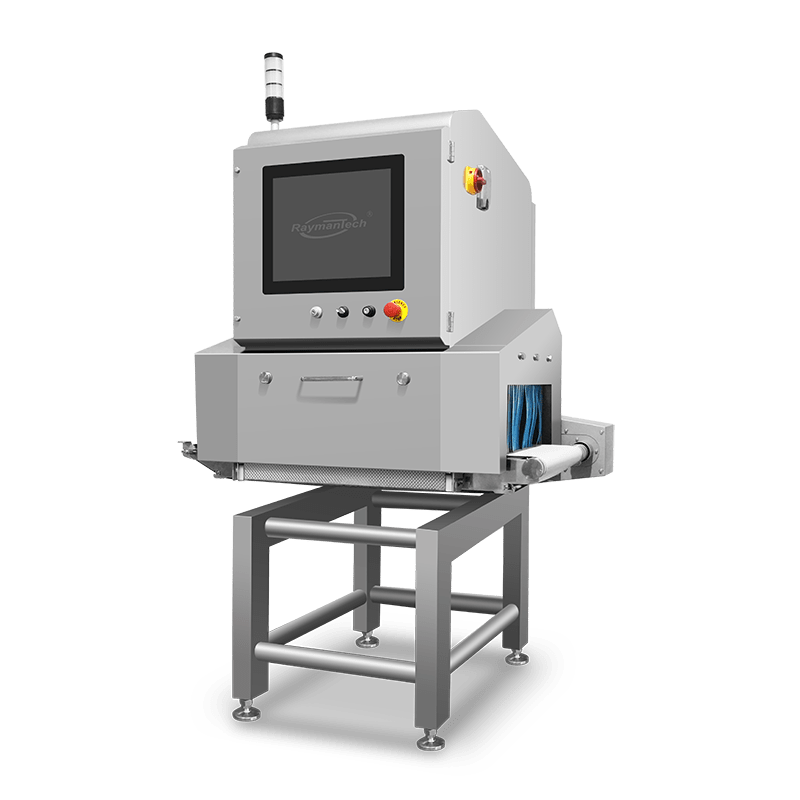
Fish fillet inspection is a critical, multi-stage quality assurance and safety protocol implemented across the seafood processing industry. It involves a systematic examination of fish fillets for physical defects, biological hazards, and chemical contaminants to ensure compliance with international food safety standards such as those set by the FDA, EU regulations, and the Codex Alimentarius. The process typically begins with raw material receiving checks, where whole fish are assessed for species verification, freshness indicators (like clear eyes, firm flesh, and red gills), and temperature control. During processing, fillets undergo rigorous inspection lines where trained personnel or automated vision systems detect and remove imperfections including parasites (like nematodes), bones, scales, blood spots, and discoloration. Key parameters measured include fillet color, texture, gaping, and the presence of spoilage organisms. Microbial testing for pathogens like *Listeria monocytogenes*, *Salmonella*, and *Vibrio* species is conducted in accredited laboratories, with industry data indicating that regular testing can reduce microbial contamination risks by over 70% in compliant facilities. Furthermore, chemical analysis screens for allergens, histamine levels (scombrotoxin), and environmental pollutants such as heavy metals (mercury, lead) and veterinary drug residues, adhering to strict Maximum Residue Limits (MRLs). The implementation of Hazard Analysis Critical Control Point (HACCP) plans is mandatory, with documented checks at each Critical Control Point (CCP) to prevent, eliminate, or reduce hazards to acceptable levels. This comprehensive inspection regime is fundamental to protecting consumer health, preventing foodborne illness outbreaks, and maintaining brand integrity.
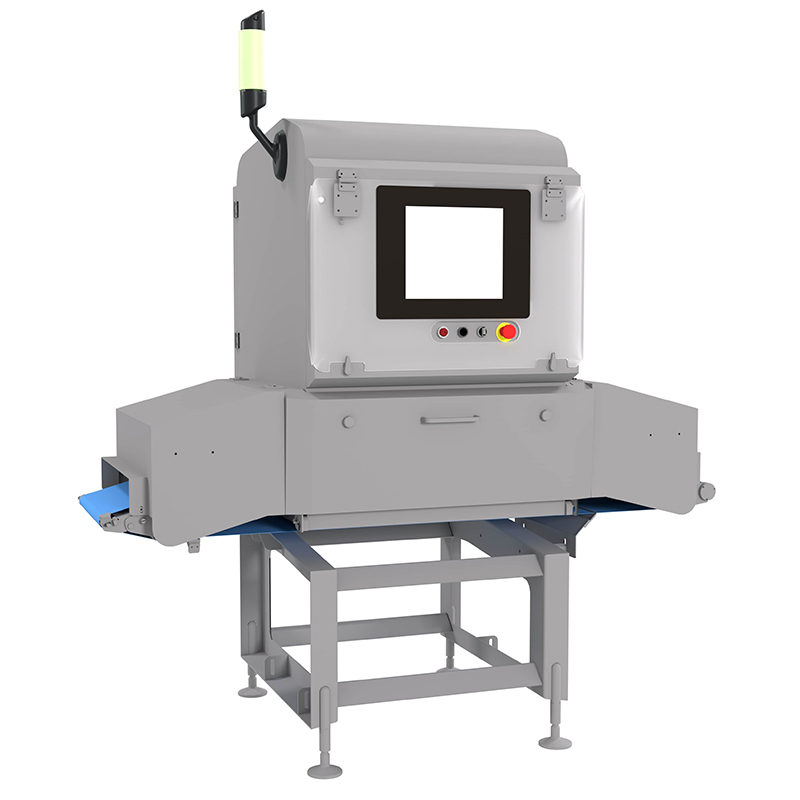
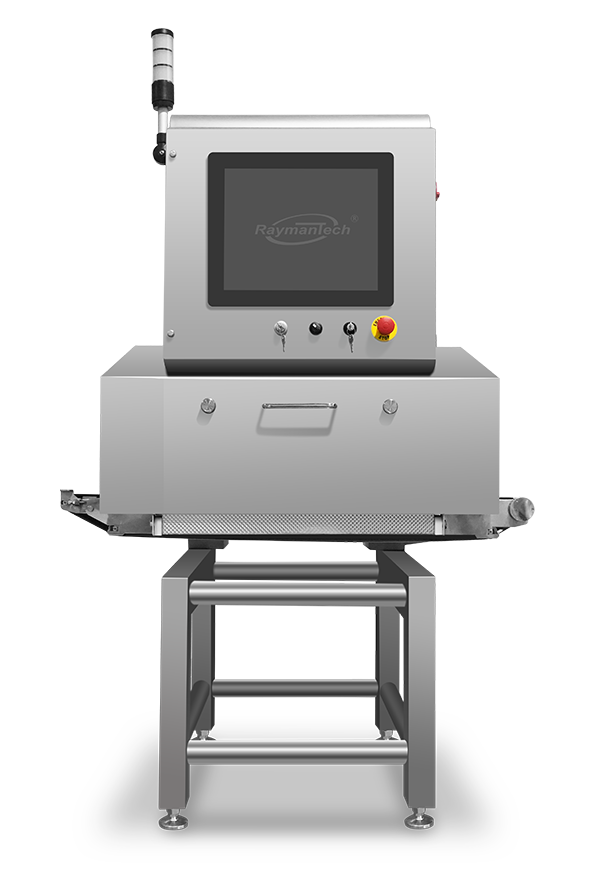
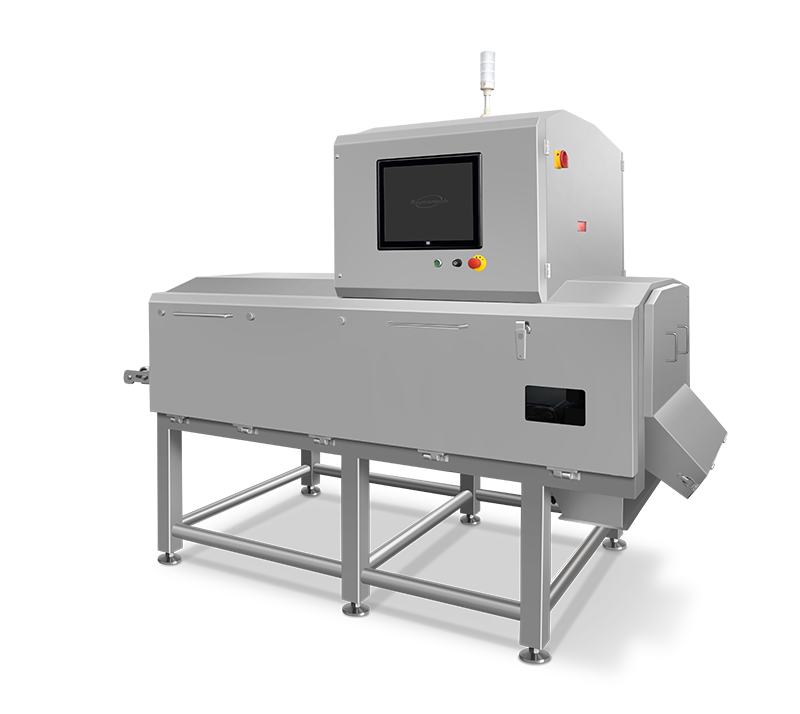
The effectiveness of fish fillet inspection is evidenced by global trade and safety data. According to reports from the Food and Agriculture Organization (FAO) and import refusal data from regulatory bodies like the US FDA, the most common causes for seafood detention often relate to inspection failures: inadequate decomposition controls, pathogen presence, and undeclared allergens. For instance, FDA import refusal data frequently cites "filthy" conditions or "salmonella contamination" as reasons for rejection, highlighting the necessity of robust inspection. Advanced technologies have significantly enhanced inspection accuracy and throughput. Machine vision systems, using high-resolution cameras and spectral imaging, can now identify and remove defects with an accuracy exceeding 95%, far surpassing human consistency, especially for minute parasites or bone fragments. X-ray inspection systems are widely adopted for detecting physical contaminants like metal, glass, and bone chips, with sensitivity levels capable of finding objects as small as 0.3mm. In terms of microbial control, industry benchmarks show that finished product testing for Total Viable Count (TVC) should typically be below 10^5 CFU/g for freshness, while *E. coli* should be absent in 25g samples. Data from audit organizations like the Global Food Safety Initiative (GFSI) indicates that certified facilities (BRCGS, SQF, IFS) employing rigorous inspection protocols experience fewer product recalls and non-conformities. Moreover, consumer trust and market access are directly correlated with transparent inspection practices. Retailer standards often exceed governmental requirements, demanding full traceability from boat to plate, which is enabled by meticulous inspection records at each processing step. This detailed oversight not only ensures safety but also reduces economic losses from spoilage and rejects, with studies suggesting effective quality control can decrease waste in processing by up to 15-20%. Ultimately, fish fillet inspection is not merely a regulatory hurdle but a core value-adding process that guarantees product quality, extends shelf life, and secures a competitive advantage in the global seafood market.
 English EN
 中国 CN
中国 CN
.png)









User Comments
Service Experience Sharing from Real Customers
Michael Chen
Quality Assurance ManagerThis automated fish fillet inspection system has revolutionized our production line. The accuracy in detecting bones and defects is exceptional, significantly reducing our manual sorting time and improving overall product safety.
Sarah Johnson
Production SupervisorHighly reliable system for consistent fillet grading. It has greatly enhanced our throughput while maintaining strict quality standards. The user interface is intuitive, making it easy for our operators to use daily.
David Rodriguez
Food Safety OfficerAs someone responsible for compliance, this inspection equipment gives me complete confidence. Its precise detection of contaminants and consistent calibration ensure every batch meets our rigorous safety protocols. A vital investment.
Lisa Wang
Plant Operations DirectorImplemented this system across three shifts and have seen a marked decrease in customer complaints related to foreign materials. The ROI was clear within months. Excellent support from the technical team during setup.