Broken Biscuit Detector
Broken Biscuit Detector
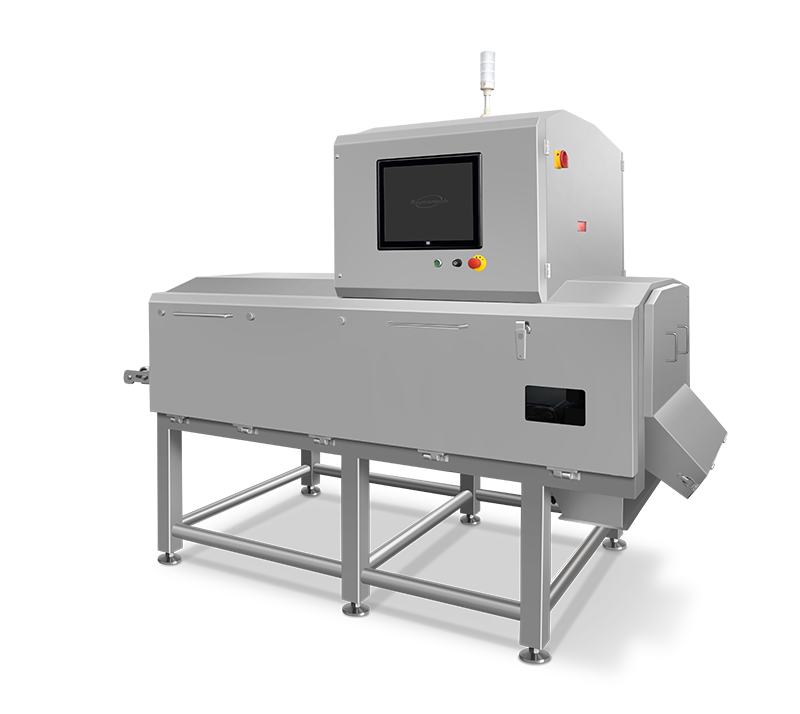
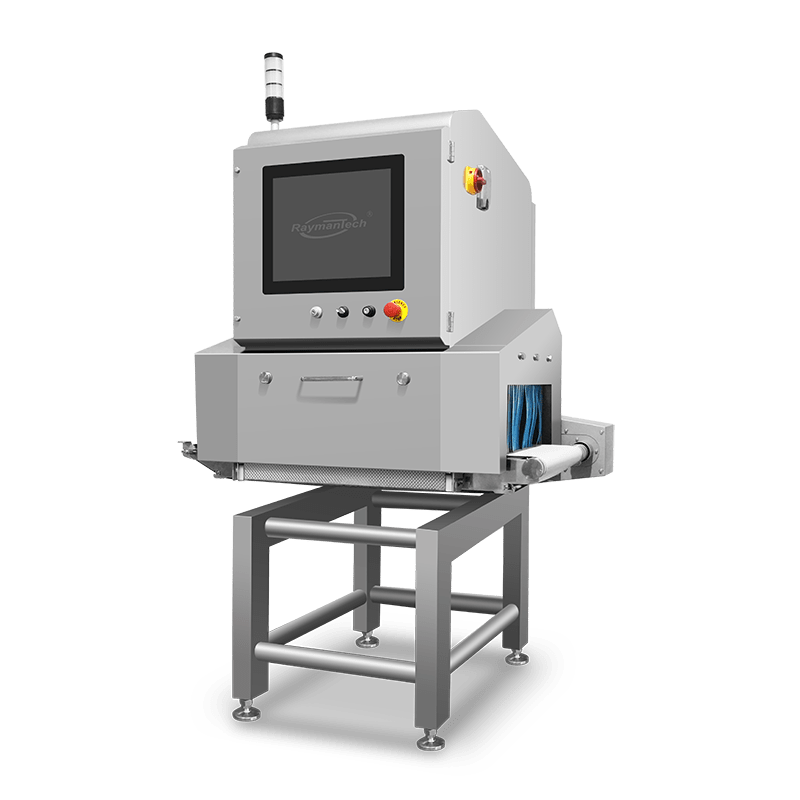
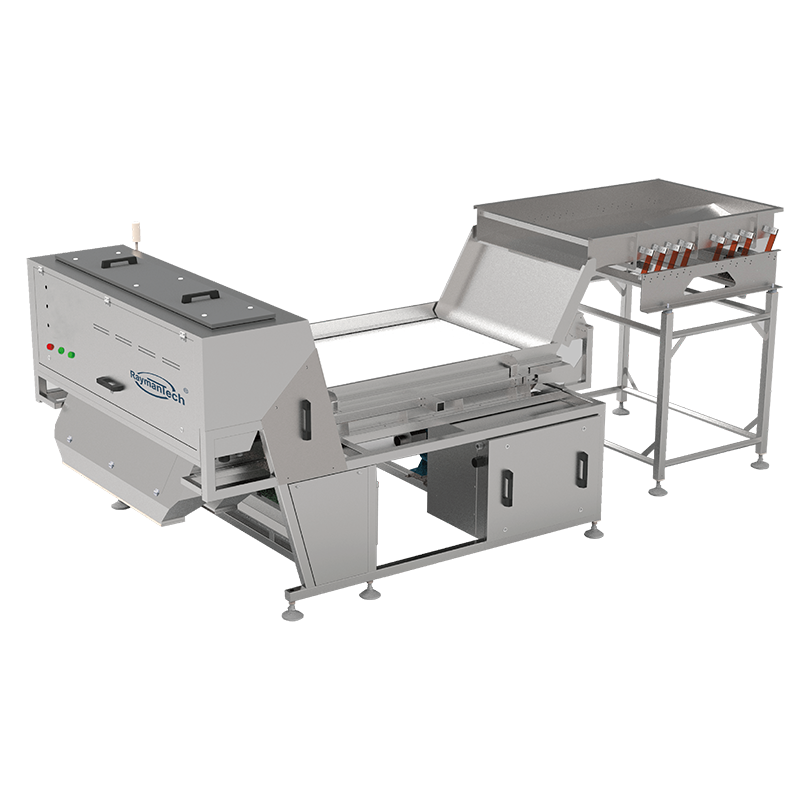
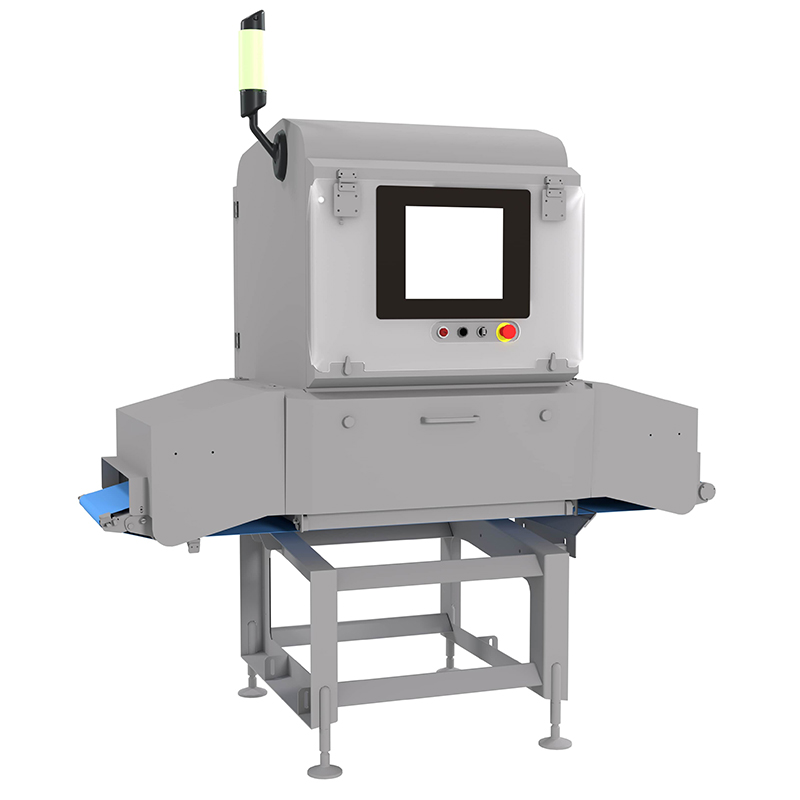
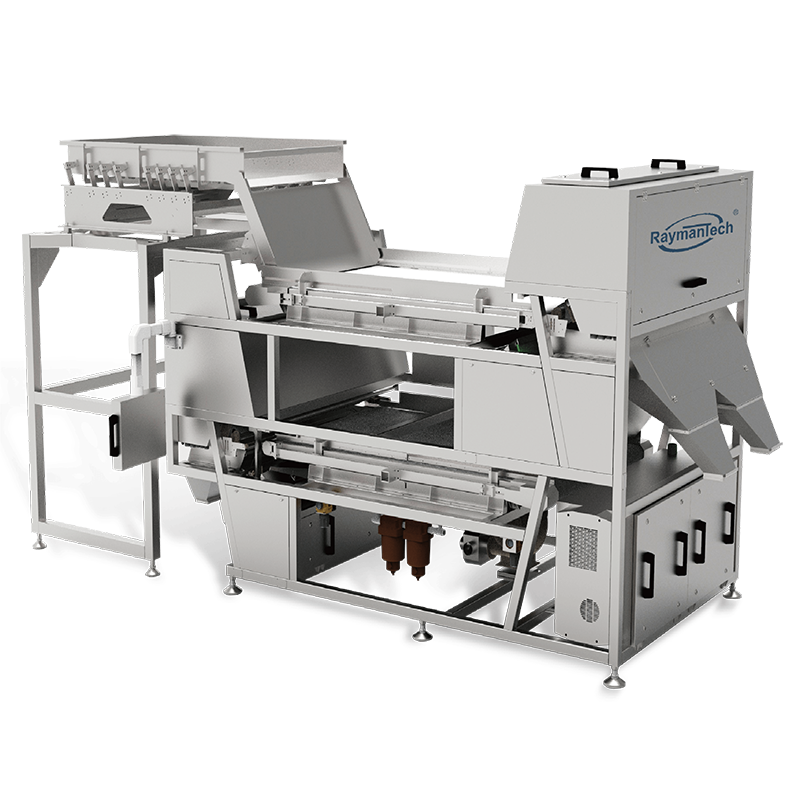
In industrial food manufacturing, particularly within the biscuit, cookie, and cracker sector, the Broken Biscuit Detector is a critical quality control system. This specialized machine vision or electromechanical apparatus is installed on production lines to automatically identify and remove broken, misshapen, or sub-standard products before packaging. Its core function is to safeguard product integrity, reduce waste, and ensure that only items meeting strict visual and dimensional criteria reach the consumer. The technology typically involves high-resolution cameras, synchronized lighting, and advanced image processing software that analyzes each biscuit in real-time against predefined parameters for size, shape, surface cracks, and edge completeness. Upon detection of a fault, a precise rejection mechanism—such as an air blast or mechanical arm—is triggered to eject the defective item from the conveyor belt. This process is integral to maintaining high throughput while enforcing consistent quality, directly impacting brand reputation and customer satisfaction by minimizing the occurrence of broken pieces in sealed packets.
Industry adoption data and case studies underscore the tangible return on investment provided by these systems. For instance, major food processing companies report significant reductions in customer complaints related to broken products—often by over 70%—following implementation. Production line efficiency metrics show a decrease in giveaway, where excess product is added to packets to compensate for potential breakage, leading to direct material savings of 2-5%. Furthermore, by preventing broken biscuits from entering downstream packaging machinery, detectors reduce jams and downtime, enhancing overall equipment effectiveness (OEE). Market research indicates a growing demand for such automation, driven by rising quality standards from retailers and consumers alike. Modern Broken Biscuit Detectors are increasingly integrated with factory-wide data systems, providing real-time analytics on defect types and rates. This allows for proactive adjustment of upstream processes, like baking or cooling, addressing root causes of breakage. The technology has evolved from simple size-based screening to sophisticated visual inspection capable of detecting hairline cracks, partial breaks, and even color defects, ensuring comprehensive quality assurance. In a competitive market, this technology is not merely a filter but a essential component for optimizing yield, ensuring compliance with stringent food safety standards, and protecting profit margins by converting what was once waste into sellable product.
 English EN
 中国 CN
中国 CN


.png)







User Comments
Service Experience Sharing from Real Customers
James Wilson
Quality Control ManagerThis broken biscuit detector has revolutionized our production line. Its accuracy is exceptional, reducing waste by over 30%. The setup was straightforward, and the support team was very responsive.
Sarah Chen
Production Line SupervisorA reliable and robust system. It integrates seamlessly with our existing conveyor belts. The detection rate for broken and misshapen biscuits is consistently high. One point off as the initial calibration took some time.
Michael Rodriguez
Plant EngineerOutstanding piece of equipment. The AI-based visual inspection is far superior to older mechanical methods. It's low maintenance and has significantly improved our overall packaging quality. A great investment.
Emily Brown
Operations DirectorThis detector has been a game-changer for our efficiency and product consistency. The detailed rejection logs help us pinpoint upstream issues in the baking process. Customer complaints about broken products have nearly vanished.