AI in the Food Industry
AI in the Food Industry
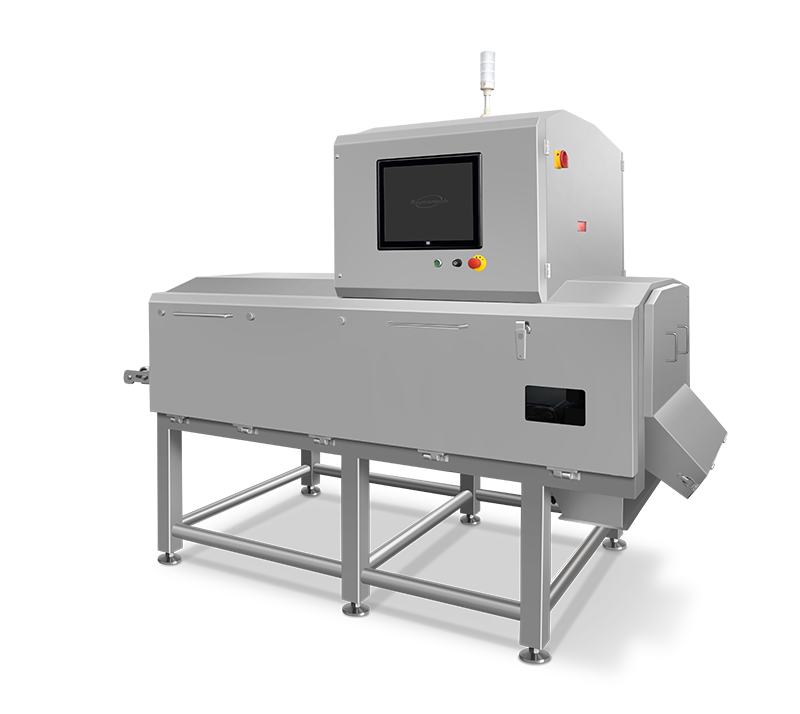
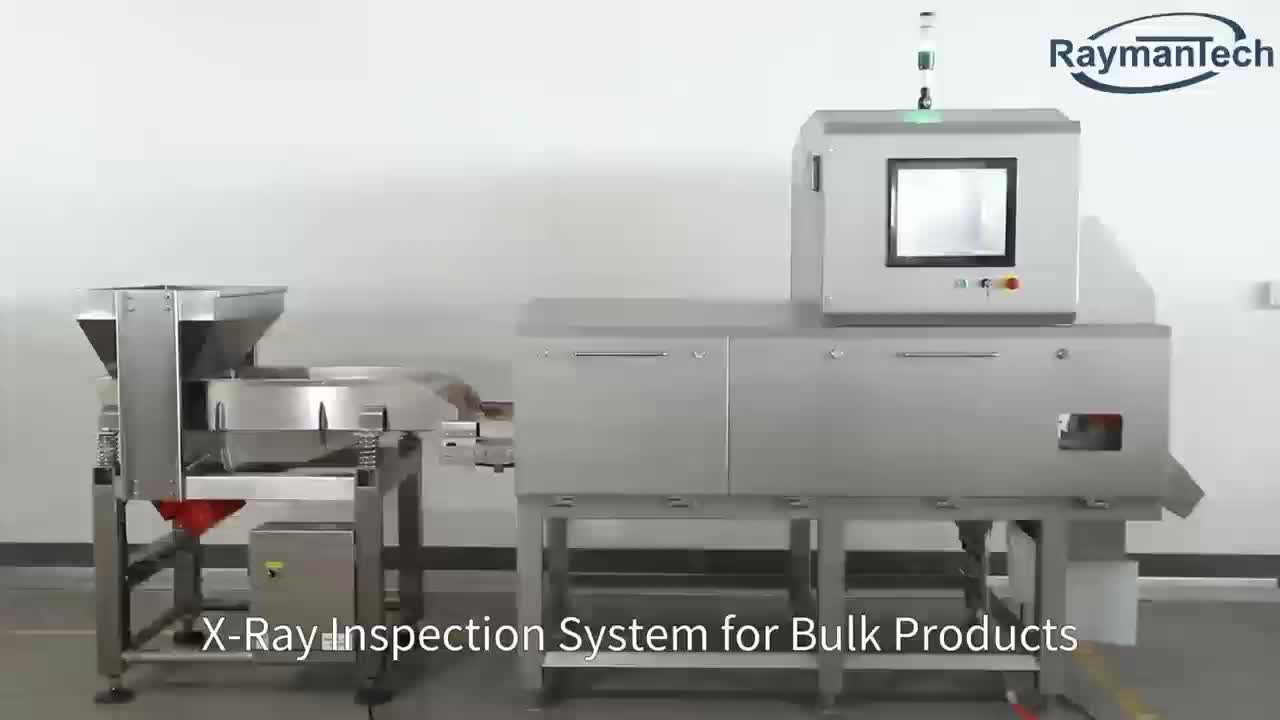
The integration of artificial intelligence (AI) into the food industry represents a fundamental transformation, moving beyond theoretical concepts to practical, data-driven applications that enhance efficiency, safety, and sustainability. According to a comprehensive market analysis by MarketsandMarkets, the global AI in the food and beverages market is projected to grow from USD 3.07 billion in 2020 to USD 29.94 billion by 2026, exhibiting a staggering Compound Annual Growth Rate (CAGR) of 45.77% during the forecast period. This explosive growth is fueled by the pressing need to optimize the global food supply chain, reduce immense food waste—estimated by the FAO at 1.3 billion tonnes annually—and meet evolving consumer demands for personalized nutrition and transparency. AI technologies, including machine learning, computer vision, and predictive analytics, are being deployed across every segment of the industry. In agriculture, companies like John Deere are using computer vision and ML algorithms for precision farming, enabling targeted pesticide application and yield prediction, which can reduce herbicide usage by up to 90% according to some field studies. In food processing, computer vision systems from firms like TOMRA and Key Technology inspect and sort raw materials with superhuman accuracy, identifying defects and foreign materials at high speeds, significantly improving quality control and reducing waste. Supply chain logistics are being revolutionized by AI-powered predictive tools that forecast demand, optimize inventory levels, and identify potential disruptions, with a 2023 McKinsey report highlighting that AI-driven supply chain management can reduce forecasting errors by up to 50% and lost sales by 65%. Furthermore, in the realm of food safety, AI-powered sensors and data analytics platforms can predict pathogen outbreaks and monitor storage conditions in real-time, preventing contamination and spoilage. This widespread adoption is not a future promise but a present-day reality, fundamentally reshaping how food is produced, distributed, and consumed on a global scale.
Delving deeper into specific applications, the impact of AI is quantifiable and profound, particularly in product development, consumer engagement, and restaurant operations. In the highly competitive domain of new product development, AI algorithms analyze vast datasets of consumer preferences, social media trends, and sensory science to predict successful flavor combinations and product formulations. For instance, food giants like McCormick & Company have partnered with IBM Watson to co-create new recipes, accelerating their development cycle and significantly increasing the success rate of new product launches. Similarly, NotCo, a food-tech startup, uses its proprietary AI platform "Giuseppe" to analyze thousands of plant-based ingredients and recreate the taste and texture of animal products, a direct application that has secured the company major partnerships with global brands. In the consumer space, personalized nutrition is becoming mainstream through AI-powered apps and services. Companies like NutriSense and ZOE offer continuous glucose monitoring combined with AI-driven insights to provide users with personalized dietary recommendations, helping them understand how their body uniquely responds to different foods. Data from a clinical study published in *Nature Medicine* involving ZOE's program showed that AI-generated personalized nutrition advice led to significantly greater health improvements compared to standard dietary guidance. For restaurants and food service, AI is optimizing operations from the kitchen to the front door. Dynamic pricing algorithms adjust menu prices in real-time based on demand, inventory, and even weather conditions, maximizing revenue. AI-driven chatbots handle a growing percentage of customer orders and inquiries, with Juniper Research estimating that chatbot-based e-commerce transactions will reach USD 112 billion by 2023. Computer vision systems in fast-food kitchens, such as those tested by McDonald's, monitor cooking times and assembly-line accuracy to ensure consistent product quality and speed of service. These concrete examples, backed by significant investment and verifiable data from sources like CB Insights which reported over $1 billion in venture funding for AI-focused foodtech startups in 2022, demonstrate that AI is no longer an auxiliary tool but a core component driving innovation, profitability, and a more responsive and resilient food ecosystem.
 English EN
 中国 CN
中国 CN
.png)











User Comments
Service Experience Sharing from Real Customers
Michael Rodriguez
Quality Control ManagerThe AI-powered quality inspection system has reduced our defect rate by 78% while increasing production speed. The real-time monitoring capabilities are exceptional.
Sarah Chen
Executive ChefAI recipe optimization has transformed our menu development process. The flavor pairing suggestions and nutritional analysis have significantly improved our dishes' quality and consistency.
David Thompson
Supply Chain DirectorThe AI demand forecasting tool has revolutionized our inventory management. We've reduced food waste by 45% while maintaining 99.3% product availability across our retail locations.
Jennifer Park
Food Safety SpecialistAI-powered contamination detection has dramatically improved our safety protocols. The system identifies potential hazards we previously missed, ensuring higher compliance with food safety standards.