Defect Detection System
Defect Detection System
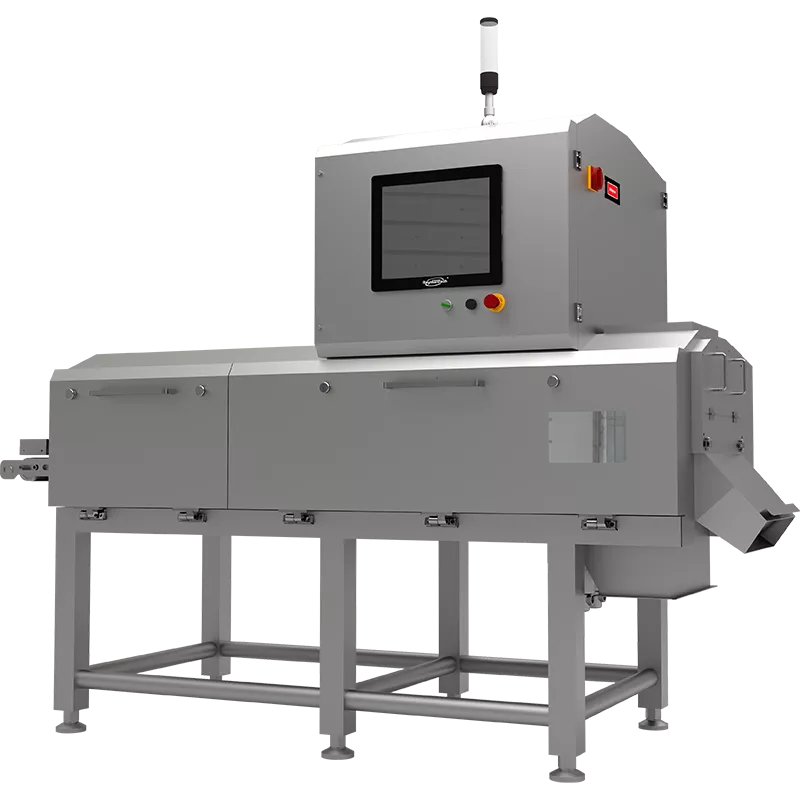
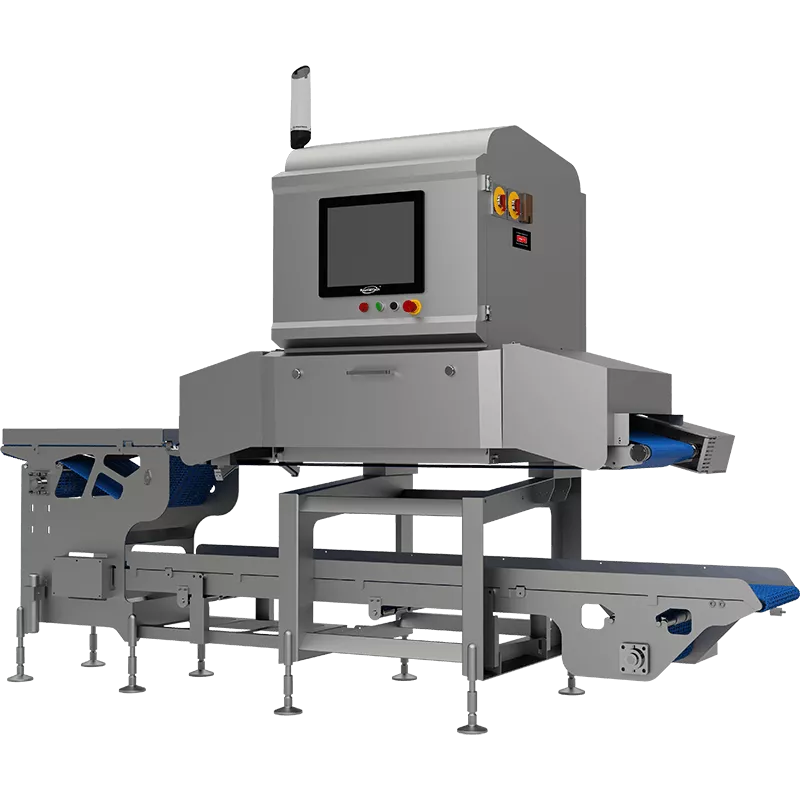
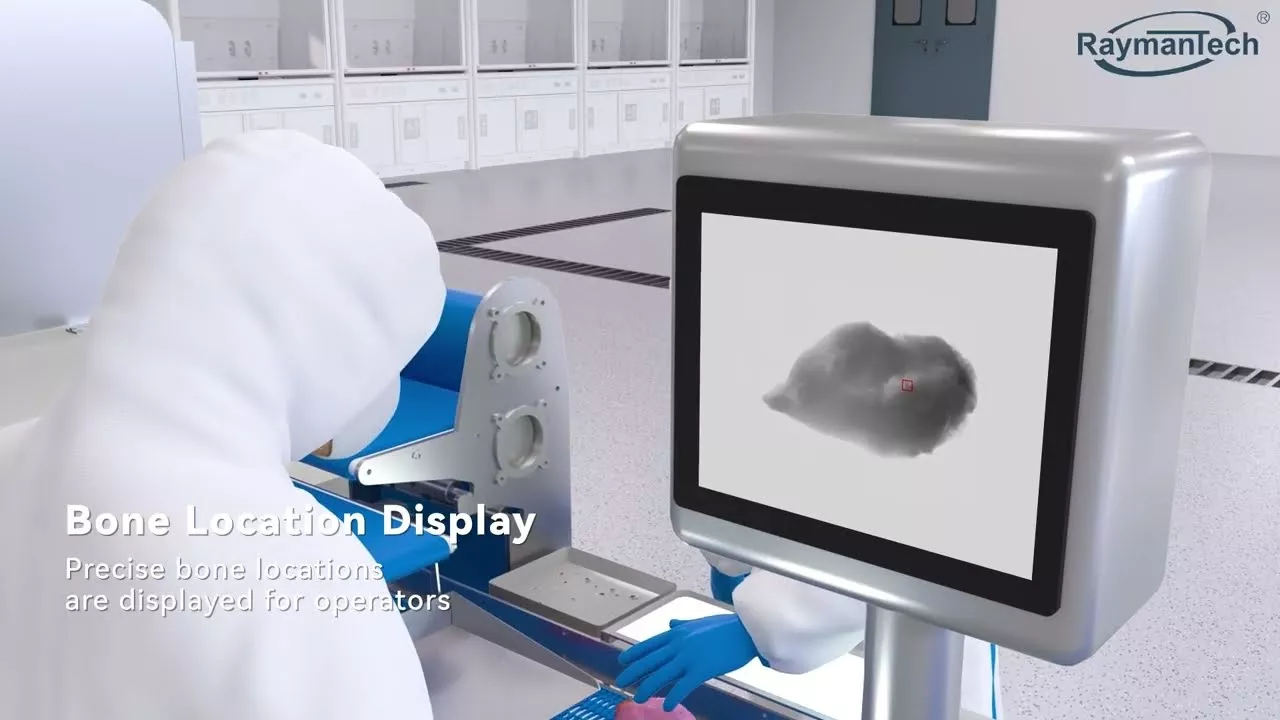
A defect detection system is an automated quality control solution that utilizes advanced technologies such as machine vision, artificial intelligence (AI), and deep learning to identify flaws, anomalies, and non-conformities in products during or after the manufacturing process. These systems are critical across industries like automotive, semiconductor, pharmaceuticals, food and beverage, and metal fabrication, where they inspect for surface defects, dimensional inaccuracies, assembly errors, and contaminations. By replacing or augmenting manual inspection, they provide unparalleled speed, consistency, and objectivity, directly impacting production yield, operational costs, and brand reputation. The core components typically include high-resolution cameras, specialized lighting, sensors, and sophisticated image processing software that analyzes captured data against predefined quality parameters to make real-time pass/fail decisions.
The implementation of defect detection systems is driven by compelling, real-world data demonstrating significant return on investment. According to industry analyses and case studies, automated visual inspection systems can achieve inspection speeds exceeding thousands of parts per minute, a task impossible for human operators. For instance, in electronics manufacturing, AI-powered systems can detect solder joint defects and component misplacements with an accuracy rate often exceeding 99.9%, as reported by leading system integrators. In the textile industry, such systems can identify material flaws like tears, stains, or color variations with over 95% accuracy, reducing customer returns by up to 90%. Data from the automotive sector shows that inline defect detection in painting shops can reduce rework costs by more than 25% by identifying issues like dirt inclusions, drips, or uneven coating immediately, preventing defective cars from proceeding down the line. Furthermore, in pharmaceutical packaging, vision systems ensure 100% inspection for label correctness, cap placement, and fill levels, which is a regulatory requirement, thereby avoiding costly recalls. The integration of deep learning has further enhanced capabilities, allowing systems to learn from complex and variable defect patterns without explicit programming, thus improving over time. Market research indicates the global machine vision market, a core enabler of these systems, is projected to grow substantially, underscoring its widespread adoption. By minimizing waste, ensuring compliance, and enhancing product reliability, defect detection systems have become an indispensable tool for modern manufacturing, providing quantifiable improvements in productivity and quality assurance metrics that are verifiable through numerous published industry reports and implementation results.
 English EN
 Germany DE
 French FR
 Portuguese PT
 Spanish ES
.webp)


.webp)
.webp)
.webp)



.webp)



User Comments
Service Experience Sharing from Real Customers
Michael Chen
Quality Assurance ManagerThis defect detection system has revolutionized our production line. The accuracy and speed are exceptional, reducing our false negatives by over 90%. The user interface is intuitive, and the integration with our existing machinery was seamless.
Sarah Johnson
Production SupervisorA highly reliable system for our electronics assembly. It consistently identifies minute solder defects and component misplacements that human inspectors might miss. The real-time alerts have significantly improved our workflow efficiency. Minor learning curve for setup, but well worth it.
David Rodriguez
Plant EngineerImplementing this system was one of our best capital investments this year. Its AI-driven visual inspection has dramatically increased our product quality consistency in pharmaceutical packaging. The detailed analytics and reporting features are superb for compliance documentation.
Emily Watson
Operations DirectorOutstanding performance in detecting surface and structural defects in our precision metal parts. The system's adaptability allows us to quickly reconfigure it for new product lines. Customer complaints due to manufacturing defects have dropped to nearly zero since installation.