 English EN
 Germany DE
 French FR
 Portuguese PT
 Spanish ES
.webp)
.webp)
In-Shell Pistachio Sorting Machine: AI Multi-View Optical Sorter for Defect Detection
Learn how an AI multi-view optical sorter helps pi...
More

A seafood optical sorter uses advanced cameras, sensors, and software to identify and separate seafood based on visual and physical traits. This automated system increases accuracy, speed, and consistency during processing. Companies trust these machines to deliver reliable results and maintain high product standards.
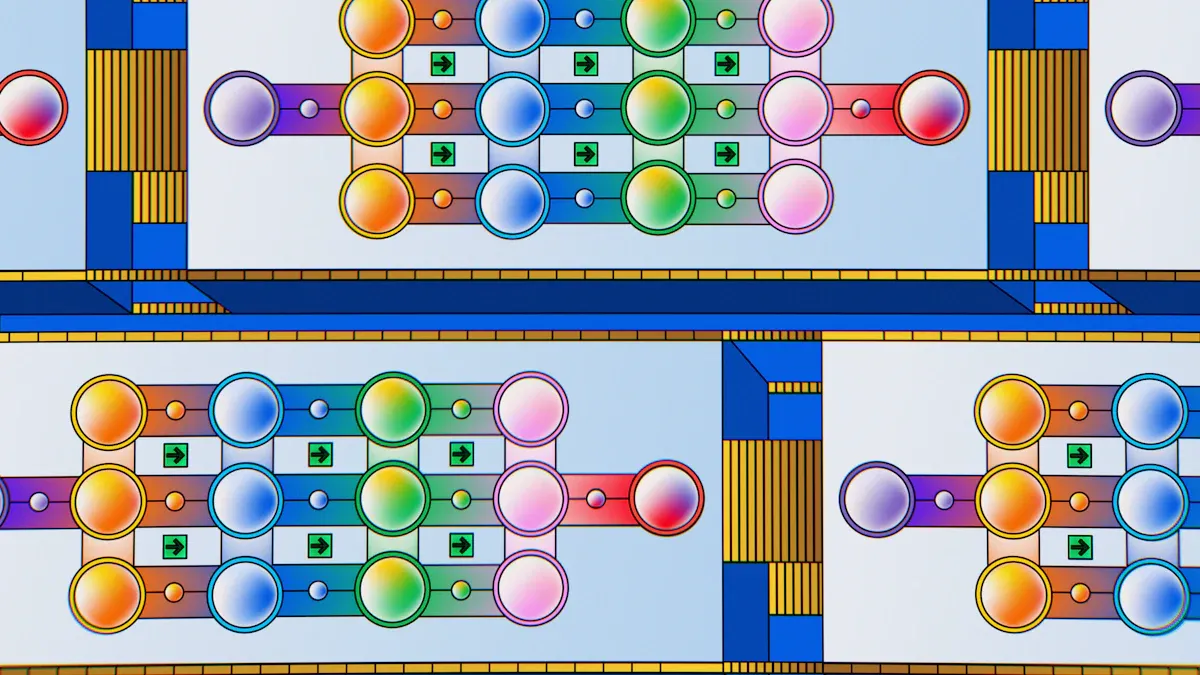
Seafood optical sorter machines rely on advanced cameras and imaging systems to capture detailed images of seafood products. Most systems use high-resolution CCD cameras, which can reach a resolution of 2048 pixels and define objects as small as 0.08 square millimeters. These cameras, combined with multispectral imaging technology, allow the sorter to distinguish between meat and shell by analyzing color and texture. Hyperspectral imaging systems further enhance detection by capturing hundreds of narrow spectral bands, creating a unique spectral fingerprint for each pixel. This approach enables the identification of chemical composition, surface defects, and physical contaminants without physical contact.
High-resolution CCD cameras
Multispectral and hyperspectral imaging
Detection of color, texture, and chemical composition
A seafood optical sorter uses a combination of sensor technologies to ensure product quality and safety. These include:
SiftAI® FM for defect detection in free-flowing materials
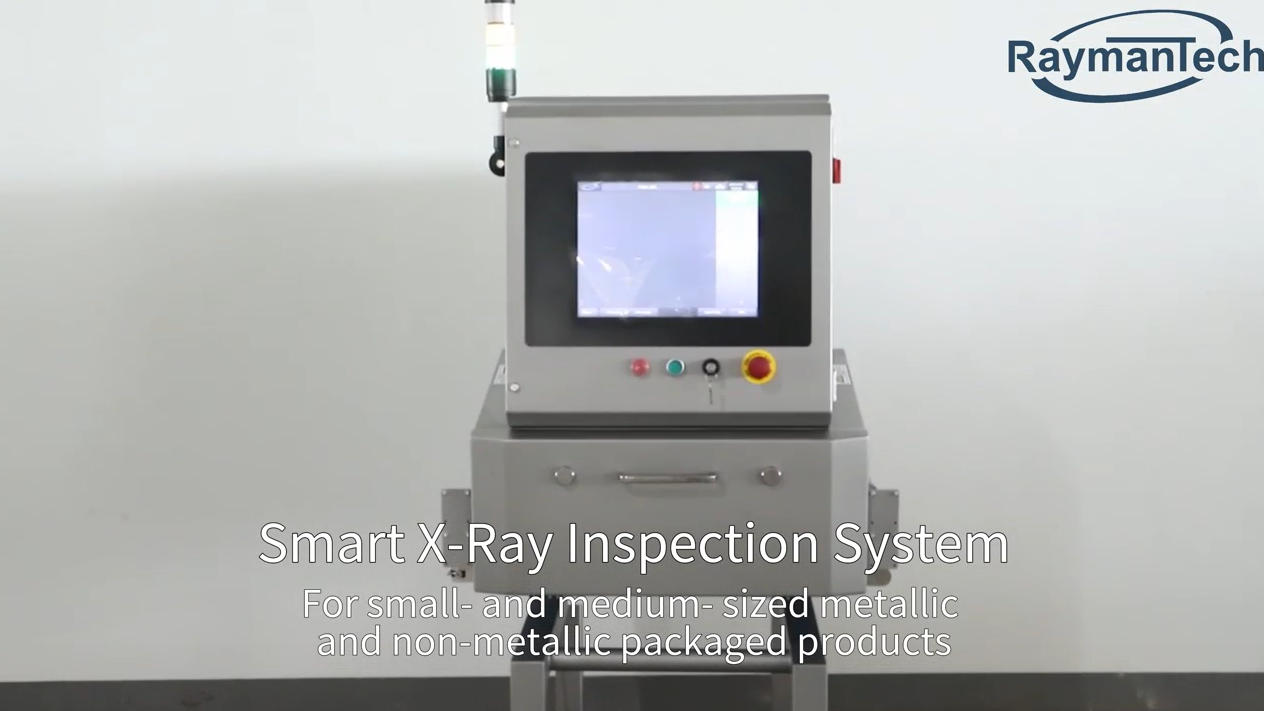
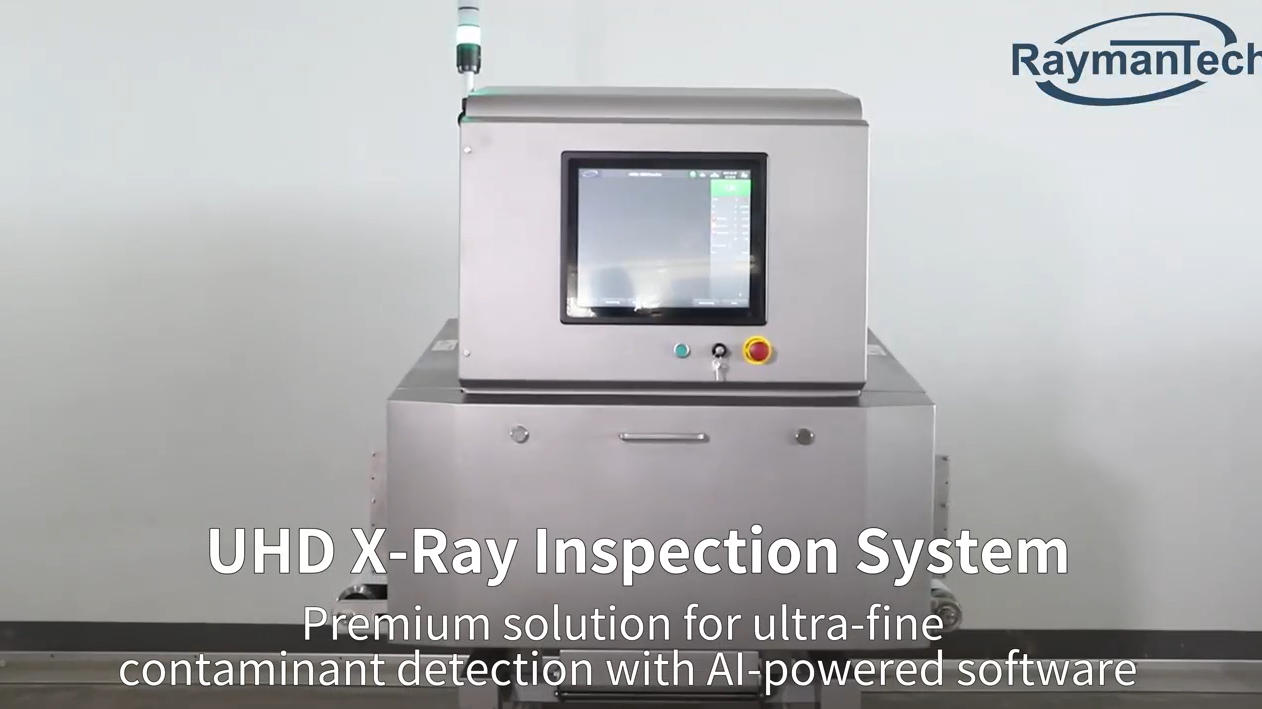
X-ray and metal detection for identifying foreign materials
Optical sorting with cameras and lasers
Infrared (IR) and ultraviolet (UV) sensors for specialized tasks
| Detection Method | Advantages | Limitations |
|---|---|---|
| Near-Infrared (NIR) | High specificity, non-destructive, quick response | Requires model development for accuracy |
| X-ray | Penetrates products, finds hidden contaminants | Potentially more invasive |
Artificial intelligence plays a critical role in seafood optical sorter performance. Robotics and machine learning algorithms improve accuracy in grading and sorting. AI-driven systems reduce waste and labor costs, while real-time freshness monitoring ensures quality. Deep learning models and image recognition software help classify fish species and detect defects, even under challenging conditions like poor lighting or high water turbidity.
Note: AI also supports digital traceability, providing transparency throughout the seafood supply chain.
Seafood optical sorters use several ejection mechanisms to remove defective products efficiently. Common systems include:
| Ejection Mechanism | Description |
|---|---|
| Pusher Systems | Mechanical paddles push rejected items off the belt. |
| Retracting Conveyor Systems | Conveyor sections retract to drop faulty products. |
| Diverter Arms and Gates | Direct contaminated products to separate paths. |
| Pneumatic Reject Actuator | Air pressure gently pushes fragile items off the line. |
Pneumatic ejection, such as air jets, offers both speed and reliability, ensuring delicate seafood remains undamaged during sorting.

Seafood processing begins with the infeed stage, where products enter the optical sorter. Operators arrange seafood items on conveyors or vibratory feeders to ensure even spacing and optimal orientation. Proper presentation allows the cameras and sensors to capture clear images of each item. This step is crucial for accurate inspection, as overlapping or misaligned products can hinder detection of defects or contaminants.
Once seafood items move into the inspection zone, the system captures high-resolution images and sensor data. The seafood optical sorter uses advanced data analysis techniques to process this information. The following table outlines key techniques used in this stage:
| Technique | Description |
|---|---|
| Machine Learning | Enhances non-destructive technologies for food quality and safety detection. |
| Data Preprocessing | Handles noise, missing values, and outliers before analysis. |
| Noise Filtering | Uses methods like wavelet transform denoising to separate noise from signals at different scales. |
| Feature Extraction | Extracts relevant features from preprocessed data, such as light signal intensity. |
| Performance Metrics | Evaluates model effectiveness using metrics like accuracy and F1 score. |
| Key Algorithms | Employs SVMs, random forests, k-NNs, ANNs, PCA, CNNs, and autoencoders for analysis and construction. |
These techniques enable the system to identify subtle differences in color, texture, and shape, ensuring precise detection of defects and contaminants.
After data analysis, the seafood optical sorter classifies each item based on predefined quality standards. The system uses artificial intelligence to make rapid sorting decisions. However, ambiguous or borderline cases can challenge even the most advanced algorithms. For example:
Crabs with minor limb damage may be misclassified as visually intact.
Overlapping limbs or occlusion in images can obscure missing appendages, leading to further misclassification.
Improving image angles and incorporating depth or multi-view data can help address these challenges.
Despite these complexities, modern sorters continue to improve their accuracy through ongoing software updates and hardware enhancements.
Once the system classifies each product, it activates the appropriate ejection mechanism. Air jets, mechanical pushers, or retracting conveyors remove defective or out-of-spec items from the main product flow. This process ensures only high-quality seafood advances to the next stage. The gentle handling provided by pneumatic systems helps protect delicate products from damage during separation.
Seafood optical sorters play a vital role throughout the processing line. They perform initial sorting of raw materials to ensure compliance with quality standards. During processing, these machines filter out poorly processed or defective items. Before packaging, they conduct final checks to guarantee that only suitable products reach customers. Recent advancements in computer vision and sensor technology have expanded their use to various seafood types, including fish fillets and shellfish. These systems can sort by species, size, and quality, adapting to the diverse needs of commercial seafood plants. Sorting machines can separate small fish from larger ones, segregate different species for targeted packaging, and adapt to various fish types, enhancing their utility in the seafood supply chain.
Automated sorting systems offer significant advantages over manual labor. They reduce reliance on human workers, which lowers labor costs and overhead. Manual sorting often proves time-consuming and susceptible to human error, resulting in defective products and increased material costs. Seafood optical sorters operate continuously and accurately, performing tasks that would require multiple workers. This automation enhances efficiency and consistency across the production line.
Seafood processors report substantial efficiency gains after implementing optical sorting systems. These benefits include faster production, accurate sorting and grading, reduced labor costs, and consistent product quality. Optical sorting machines utilize advanced imaging technology and intelligent algorithms to achieve high sorting accuracy. They identify attributes such as color, size, shape, and defects, efficiently eliminating substandard products from production lines. This capability not only improves product quality by ensuring only the best items reach consumers but also significantly reduces waste by preventing defective products from advancing further in the process.
Tip: Investing in a seafood optical sorter can transform processing operations, delivering measurable improvements in efficiency, quality, and sustainability.
A seafood optical sorter streamlines seafood processing by improving efficiency, product quality, and compliance with safety standards. Companies benefit from reduced labor costs and enhanced competitiveness.
| Trend Description | Implication |
|---|---|
| Integration of AI and machine learning | Enhances sorting accuracy and operational efficiency |
| Focus on sustainability | Development of energy-efficient machinery and eco-friendly materials |
| Adoption of IoT-enabled systems | Enables remote monitoring and predictive maintenance |
| Modular and customizable solutions | Caters to diverse aquaculture setups |
Automated sorting reduces bycatch and energy use, supporting sustainability.
Regulatory standards recognize optical sorting as a key preventive control.
Seafood optical sorters achieve up to 99% accuracy. They use advanced cameras and AI to detect defects, contaminants, and ensure consistent product quality.
Yes. These machines adapt to various seafood, including fish fillets, shrimp, and shellfish. Operators can adjust settings for species, size, and quality requirements.
Regular cleaning and calibration keep optical sorters running efficiently. Technicians inspect cameras, sensors, and ejection systems to maintain peak performance and minimize downtime.

We provide you with comprehensive foreign trade solutions to help enterprises achieve global development
.webp)
Recommedation: Chili, walnut, peanuts, soybeans, c...
.webp)
Automatic recognition and rejection, fish bone ins...
Improve Product Purity While Reducing Raw Material...
1. Machine Features Multi-view imaging, UHD camera...
Select the most popular foreign trade service products to meet your diverse needs
Select the most popular foreign trade service products to meet your diverse needs


.webp)




User Comments
Service Experience Sharing from Real Customers
James Wilson
Production ManagerThis seafood optical sorter has revolutionized our processing line. The accuracy in sorting shrimp by size and color is exceptional, drastically reducing waste and labor costs. A game-changer for our productivity.
Sophia Chen
Quality Assurance SupervisorHighly reliable and precise system for sorting scallops and mussels. The user interface is intuitive, and the maintenance requirements are low. It has significantly improved our product consistency and quality control.
David Rodriguez
Plant Operations DirectorOutstanding investment. The sorter's speed and ability to handle multiple species (like fish fillets and crab meat) simultaneously is impressive. It has boosted our throughput by over 30% while ensuring top-notch quality.
Emily Parker
Food TechnologistAs someone focused on food safety and standards, this optical sorter gives me immense confidence. It effectively removes foreign materials and defective pieces we might miss manually. Essential for modern seafood packaging.