 English EN
 Germany DE
 French FR
 Portuguese PT
 Spanish ES
.webp)
Safe Paws, Happy Hearts: Mastering Pet Food Safety with Advanced X-Ray Inspection
As pet owners increasingly view their companions a...
More

Sausage x-ray inspection systems in 2026 empower producers with complete traceability. Real-time monitoring leads to fewer large-scale recalls, more targeted product withdrawals, and reduced public health risks. The table below highlights measurable benefits reported by the industry:
| Measurable Benefits | Description |
|---|---|
| Fewer large-scale recalls | Improved monitoring reduces significant product recalls. |
| More targeted withdrawals | Producers withdraw specific products, minimizing waste. |
| Reduced public health impact | Lower risk of foodborne illnesses linked to sausage products. |
| Decreased business disruption | Less operational downtime from recalls and compliance issues. |
Traceability plays a critical role in protecting consumers from food safety risks in sausage production. Foreign material contamination can occur at multiple points in the supply chain. Producers must use rigorous detection and traceability measures to ensure product safety. Sausage x-ray inspection systems help identify contaminants early, reducing the risk of unsafe products reaching consumers. These systems also support targeted recalls, which minimize waste and lower costs. When contamination occurs, traceability allows companies to estimate the amount of product affected and respond quickly. This approach protects public health and maintains trust in the food supply.
Regulatory requirements for sausage traceability have become more stringent in 2026. The FDA's Food Traceability Rule mandates detailed recordkeeping and rapid data access. Producers must document Critical Tracking Events (CTEs) and Key Data Elements (KDEs) for each batch. The table below outlines the main requirements:
| Requirement | Description |
|---|---|
| Record Maintenance | Maintain records in a specified format and storage location. |
| Food Identification | Identify all foods on the Food Traceability List (FTL). |
| Traceability Lot Codes | Assign lot codes to foods on the FTL. |
| Point of Contact | Document a contact for traceability questions. |
| Additional Farm Info | Include farm details, maps, and field locations for relevant foods. |
| KDE Management | Capture, store, and share Key Data Elements. |
| Partner Data Needs | Understand and document partner data requirements. |
| Record Format | Create electronic, sortable spreadsheets for FSMA 204 records. |
| Audit Schedule | Conduct regular audits and updates. |
| Record Retention | Retain previous traceability plans for two years after updates. |
Producers must provide traceability data to the FDA within 24 hours of a request. Compliance ensures faster identification and removal of contaminated products.
Traceability strengthens brand reputation and opens doors to new markets. Consumers increasingly demand transparency about their food. In the United States, 55% of consumers want to know the story behind their food. Brands that offer complete transparency retain 94% of their customers. Additionally, 73% of consumers are willing to pay more for products with full transparency. Companies that invest in traceability, including sausage x-ray inspection, gain a competitive edge and meet the expectations of both regulators and consumers.

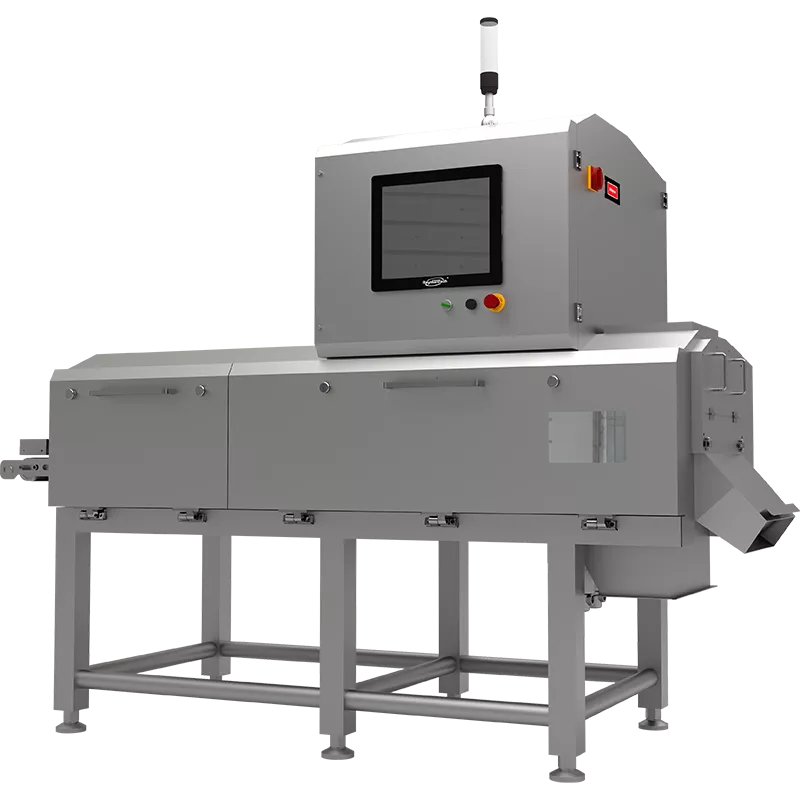
Sausage x-ray inspection uses advanced imaging to detect foreign objects in sausage products. The system monitors meat for contaminants like bone or metal before grinding. This proactive approach increases product quality and improves food safety. The technology operates continuously on the production line. It identifies hidden foreign objects, such as bones and metals, without stopping production. An automatic rejection mechanism removes contaminated sausages. This process ensures food safety and maintains production efficiency.
The core components of x-ray inspection technology include:
| Component | Description |
|---|---|
| Device to generate x-rays | Produces the x-rays necessary for inspection. |
| Sensor to detect contaminants | Detects the presence of contaminants by measuring x-ray energy that passes through the product. |
| High-speed computer | Processes the data from the sensor to identify contaminants and ensure product integrity. |
Sausage x-ray inspection offers several advantages over traditional detection methods. The system detects foreign materials as small as 0.8 mm. It distinguishes between contaminants and normal product variations. Unlike metal detectors, x-ray systems use density differences, not conductivity, to find contaminants. This reduces false positives caused by the product itself. Metal detectors may miss non-metallic contaminants, leading to higher false negatives. X-ray inspection provides more reliable results and supports both inline and offline analysis.
Tip: Processors can use more cost-effective meat trims while ensuring a quality, bone-free end product.
Manufacturers can choose from different types of x-ray systems for sausage traceability. Inline systems inspect products during production, removing contaminated items automatically. Offline systems provide detailed analysis for quality assurance. Advanced equipment ensures incoming meat meets specifications and detects contaminants before processing. These systems help lower costs and enhance food safety. Sausage x-ray inspection supports both high-volume production and specialty sausage lines.
Sausage producers face complex challenges in food traceability. They must address risks of contamination and product recalls. A robust traceability system forms the foundation for managing these risks. Producers should evaluate their production processes, distribution channels, and supply chain partners. They need to track each product’s journey from raw material sourcing to retail delivery. Identification systems and data management must integrate with quality management practices. Collaboration among agriculture, manufacturers, and retailers ensures that every ingredient’s origin is documented. Producers who align traceability goals with production needs strengthen food safety and streamline recall procedures.
Choosing an appropriate x-ray system requires a clear understanding of production volume, product types, and traceability requirements. Producers should consider the size and shape of sausages, the speed of production lines, and the types of contaminants most likely to occur. Inline systems suit high-volume environments, while offline systems provide detailed analysis for specialty products. Advanced models offer features such as fat analysis and contaminant detection. Producers must ensure that the selected system meets industry standards for food safety and quality assurance. The right choice supports compliance and enhances operational efficiency.
Successful integration of sausage x-ray inspection into production lines involves several best practices:
Fat analysis x-ray inspection systems evaluate the quality of raw meats and processed sausages.
These systems help producers meet industry standards for product quality and safety.
Implementation reduces waste and improves customer satisfaction.
X-ray inspection systems detect physical contaminants, including glass and metal fragments.
Producers deploy these systems at multiple stages, from raw material inspection to packaging.
Image analysis and traceability features maintain high production standards.
Producers who follow these practices achieve greater efficiency and reduce the risk of contaminated products reaching consumers.
Modern sausage x-ray inspection systems offer advanced data capture and reporting capabilities. Software such as TraceServer records production data at every inspection point. Manufacturers can connect up to 32 x-ray machines, consolidating information and images into a centralized database. This approach enhances item-level traceability and supports food safety initiatives. Producers track products through every stage of production, improving due diligence and quality assurance. Centralized data management enables rapid response to regulatory requests and simplifies recall procedures.
Tip: Centralized traceability reporting helps producers respond quickly to audits and regulatory inquiries.
Effective staff training ensures the successful adoption of sausage x-ray inspection technology. Training programs should cover system operation, image interpretation, troubleshooting, and equipment maintenance. Staff who understand how to use the technology contribute to product safety and quality. Change management strategies help teams adapt to new workflows and responsibilities. Producers who invest in comprehensive training build a culture of safety and accountability.
Note: Well-trained staff reduce errors and maximize the benefits of x-ray inspection systems.

Sausage x-ray inspection systems raise the standard for product quality and safety. These systems detect foreign materials such as bone, metal, and glass before products reach consumers. Producers use advanced imaging to identify contaminants early in the process. This approach prevents unsafe products from entering the market and protects public health. Consistent quality control ensures every batch meets strict safety standards. Producers maintain their reputation by delivering reliable products to retailers and consumers.
X-ray inspection technology transforms recall management for sausage producers. Immediate detection and removal of contaminated products keep production lines running smoothly. Producers benefit from several advantages:
Detection of contaminants like metal, glass, and bone prevents unsafe products from reaching consumers.
Removal of defective items during production protects brand reputation.
Early identification of issues reduces the risk of costly recalls and associated expenses.
Compliance with food safety regulations becomes easier, lowering the chance of financial penalties.
Tip: Proactive recall management saves time and resources, allowing producers to focus on quality and growth.
Producers experience significant gains in operational efficiency with x-ray inspection systems. The table below highlights key improvements:
| Evidence Description | Impact on Operational Efficiency |
|---|---|
| X-ray inspection enhances safety and accuracy in fat-to-lean measurements. | Improves product quality and reduces the risk of recalls, thus enhancing operational efficiency. |
| Consistent quality control is achieved through X-ray inspection. | Ensures products meet safety and quality standards, which is essential for maintaining competitiveness in the market. |
| Advanced trim inspection technology streamlines production and reduces giveaway. | Increases profitability by minimizing waste and ensuring optimal use of resources. |
| Accurate fat-to-lean ratio measurements from the start of processing. | Provides better control over product formulation, leading to improved consistency and reduced production errors. |
| Efficient measurement at full production speed with SensorX Magna. | Enhances throughput and operational efficiency by allowing for real-time adjustments during production. |
Producers who invest in these systems achieve faster throughput and better resource management. Sausage x-ray inspection supports consistent product quality and helps companies remain competitive in a demanding market.
Sausage producers must address several safety and regulatory issues when implementing x-ray inspection systems. Aluminum clip residues present a significant contamination risk in sausage production. Traditional metal detectors often fail to detect these contaminants because sausages contain high levels of salt and moisture. Advanced x-ray systems provide reliable detection, helping producers maintain food safety and product quality. Regulatory bodies require detailed inspection records and digital documentation for compliance. Producers must calibrate and validate x-ray equipment regularly to ensure accuracy.
| Concern | Description |
|---|---|
| Contamination Detection | X-ray systems can detect foreign contaminants like aluminum clip residues in sausages. |
| Compliance with Food Safety Standards | Regulatory bodies require detailed inspection records, which X-ray systems can provide. |
| Digital Documentation | X-ray systems generate digital logs for traceability and proof of compliance. |
| Calibration and Validation | Regular calibration is necessary to maintain the accuracy of X-ray inspection systems. |
X-ray inspection technology transforms operational processes in sausage production facilities. The system automates the detection of foreign materials, reducing the need for manual checks and improving efficiency. Producers use components such as x-ray generators, line scan sensors, conveyor belts, and computers for real-time analysis. However, x-ray systems may struggle to detect objects with densities similar to water, such as hair or plastics. Producers must adapt workflows to integrate these systems and address their limitations.
X-ray inspection eliminates aluminum clip contamination.
The technology enhances product quality and brand reputation.
Automated detection streamlines workflow and reduces manual labor.
Investing in x-ray inspection systems requires careful financial consideration. Producers must evaluate the initial cost of equipment, ongoing maintenance, and staff training. The return on investment comes from reduced recalls, improved product quality, and enhanced compliance. Automated detection lowers labor costs and minimizes waste. Producers who prioritize x-ray inspection gain long-term savings and strengthen their market position.
Tip: Regular calibration and digital documentation support compliance and maximize the value of x-ray inspection investments.
Sausage producers often rely on metal detectors to identify metallic contaminants. However, x-ray inspection systems deliver broader detection capabilities. These systems can identify metal, glass, bone, and dense plastics. Metal detectors struggle with products that contain high moisture or salt, which can cause false readings. X-ray technology operates efficiently across various food formats, including sausages with high moisture content. Producers benefit from fewer false rejects and higher line speeds. The following points highlight key differences:
X-ray inspection identifies a wider range of contaminants, including non-metallic materials.
Product characteristics, such as moisture and salt, do not affect x-ray detection accuracy.
X-ray systems maintain reliable performance at high production speeds.
Vision systems use cameras and software to inspect sausages for visual defects. These systems excel at checking labels and packaging but have limitations in contaminant detection. The table below compares x-ray inspection and vision systems:
| Feature | X-Ray Inspection | Vision Systems |
|---|---|---|
| Contaminant Detection | Detects metals, bone, ceramic, glass, and dense plastics | Primarily detects visual defects and labels |
| Product Integrity Check | Can verify product completeness and detect defects | Limited in integrity checks, focuses on appearance |
| Contaminant Size Detection | Can reliably see smaller contaminants in hard-to-inspect products | May struggle with very small contaminants |
| Cost | Generally more expensive due to advanced capabilities | Typically cheaper, but limited to visual inspection |
Vision systems enhance checkweigher performance by reading weight labels and provide information about pack separation. Producers often use vision systems alongside x-ray and metal detection for comprehensive quality control.
Manual inspection relies on trained staff to visually check sausages for defects and contaminants. This method offers flexibility but lacks consistency and speed. Human error can lead to missed contaminants, especially those not visible to the naked eye. Manual inspection cannot match the accuracy or efficiency of automated x-ray systems. Producers who depend solely on manual methods risk higher rates of recalls and compromised product safety.
Sausage producers in 2026 achieve reliable traceability by following proven best practices. They prepare the site with a level floor, proper electrical service, and ventilation. Teams verify shielding and safety compliance through radiation surveys. Proper conveyor alignment and network connectivity ensure smooth integration with production lines. Validation steps include installation qualification, operational checks, and performance testing with certified samples. Regular preventive maintenance keeps systems running efficiently. Producers archive images, log rejected products, and generate statistical reports for complete traceability.
| Category | Best Practices |
|---|---|
| Installation | Site preparation, radiation survey, line integration, network connectivity |
| Validation & Qualification | Installation, operational, and performance qualification; ongoing verification |
| Preventive Maintenance | Daily visual checks, weekly cleaning, monthly calibration, annual performance assessment |
| Data Traceability | Image archiving, rejection logging, statistical reporting, audit trail, remote access |
Tip: Cloud-based monitoring and reporting allow managers to review traceability data from any location, improving responsiveness during audits.
Sausage production continues to evolve as new technologies emerge. Advanced fat analyzers now play a key role in quality and safety assurance. Producers use spectroscopic and magnetic resonance methods for rapid, non-destructive fat measurement. These innovations support compliance with stricter regulations and meet growing consumer demands for transparency. Digital analytics and smart manufacturing systems help companies use fat analysis data to strengthen supply chains and drive product innovation. The industry expects further integration of these technologies, leading to greater efficiency and resilience.
Sausage producers gain significant advantages by adopting x-ray traceability. The table below highlights essential benefits:
| Key Takeaway | Description |
|---|---|
| Food Safety Enhancement | X-ray systems detect contaminants, ensuring safer products. |
| Regulatory Compliance | These solutions help meet strict FDA and USDA standards. |
| Operational Efficiency | Advanced inspection improves production and reduces recalls. |
Sausage x-ray inspection systems identify bone, metal, glass, and dense plastics. They provide reliable detection for foreign materials that traditional methods often miss.
X-ray inspection enables immediate detection and removal of contaminated products. Producers respond quickly to issues, reducing recall costs and protecting brand reputation.
Yes, staff training ensures proper system operation, accurate image interpretation, and effective troubleshooting. Well-trained teams maximize safety and maintain product quality.

We provide you with comprehensive foreign trade solutions to help enterprises achieve global development
.webp)
Recommedation: Aquatic products, pet food, candy, ...
.webp)
Glass-in-glass / Metal-in-metal inspection, small ...
Recommedation: Small particle, flat products such ...
.webp)
Designed to inspect small- and medium-sized food p...
Select the most popular foreign trade service products to meet your diverse needs
Select the most popular foreign trade service products to meet your diverse needs








User Comments
Service Experience Sharing from Real Customers
Michael Rodriguez
Quality Assurance ManagerThis sausage x-ray inspection system has revolutionized our production line. The detection accuracy for bone fragments and foreign materials is exceptional, significantly reducing our risk and customer complaints. The software interface is also very intuitive.
Sarah Chen
Production SupervisorHighly reliable machine for our sausage inspection. It integrates seamlessly with our existing conveyor system and has drastically improved our inspection speed without compromising safety. Minor learning curve for operators, but overall an excellent investment.
David Miller
Plant EngineerOutstanding performance and durability. The x-ray unit provides crystal-clear images, allowing us to identify even the smallest density anomalies in our premium sausage products. Maintenance is straightforward, and technical support is responsive.
Jessica Williams
Food Safety CoordinatorThis inspection system is a cornerstone of our HACCP program. It gives us complete confidence in every batch that leaves the facility. The detailed reporting features are perfect for audits and traceability. A must-have for any modern sausage producer.