 English EN
 Germany DE
 French FR
 Portuguese PT
 Spanish ES
.webp)
.webp)
How Multi-View AI Sorting Helps Frozen French Fries Processors Improve Quality Control, Optimize Product Grading, and Maximize Raw Material Utilization
Discover how multi-view AI optical sorting helps f...
More

A potato chip sorter plays a vital role in modern snack manufacturing. It selects high-quality potatoes by size and shape, removing defects before frying. This process ensures uniform chips, reduces waste, and maintains consistent product standards. Efficient sorting directly improves both production quality and operational efficiency.
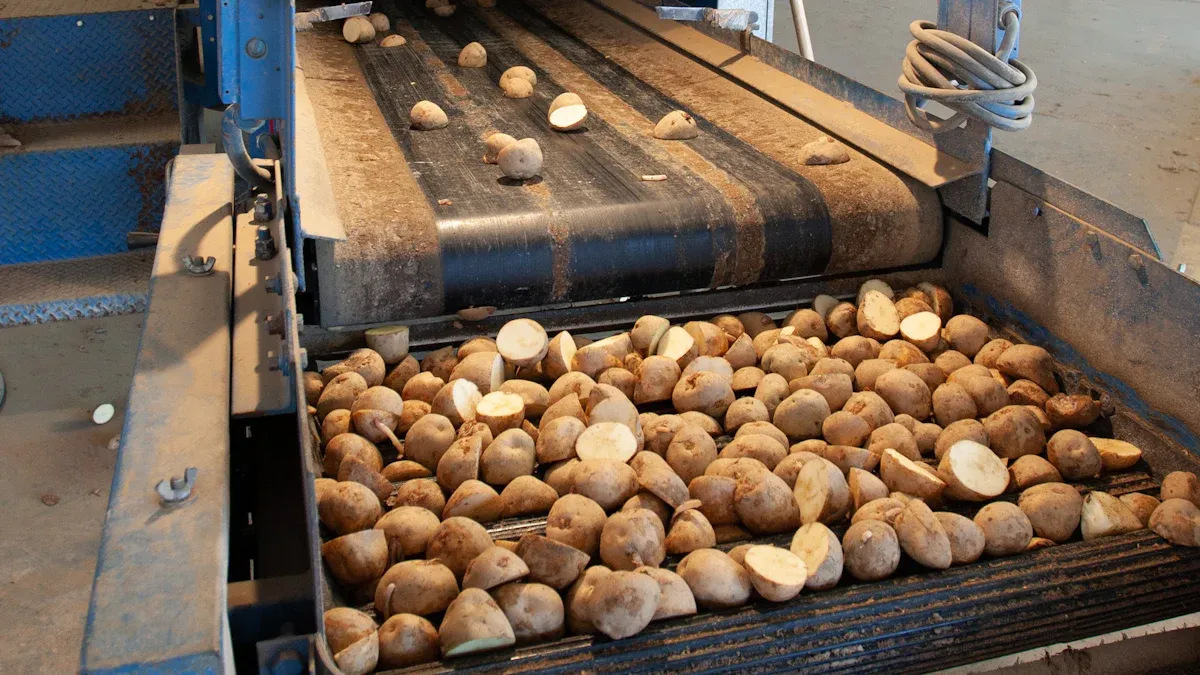
A potato chip sorter operates by combining mechanical systems with advanced imaging and automation technologies. The process begins with a feeding hopper that regulates the flow of potatoes onto a conveyor belt. This conveyor, constructed from durable materials, moves the potatoes through several stages. A cleaning and washing unit removes dirt and debris, ensuring accurate grading and reducing the risk of contamination.
Modern potato chip sorters rely on a combination of sensors and computer vision systems to assess each potato or chip. High-resolution cameras and LED lighting systems provide consistent illumination, allowing the system to capture detailed images. Spectroscopic sensors can analyze the chemical composition of each chip, while machine learning algorithms improve the accuracy of defect detection over time. The control panel offers a user-friendly interface for operators, and some models support remote monitoring for enhanced oversight.
Note: Computer vision systems have transformed quality control in the food industry. These systems deliver rapid, noninvasive assessments, reducing human error and ensuring consistent detection of defects and foreign materials.
The sorting and discharge system then directs potatoes or chips into bins based on programmable criteria. High-speed ejection systems remove defective products with precision, ensuring only chips that meet quality standards continue down the line.
Key mechanical and technological components include:
Feeding hopper for controlled input
Conveyor belt system for transport
Cleaning and washing unit for debris removal
Sorting and discharge system for graded output
Control panel with automation features
The potato chip sorting process follows a series of well-defined steps to ensure product quality and efficiency. Each stage plays a critical role in transforming raw potatoes into high-quality chips ready for packaging.
Potato Selection & Sorting: The process starts with the selection and initial sorting of raw potatoes. The potato chip sorter evaluates size, shape, and visible defects.
Washing & Peeling: Potatoes move through cleaning units that remove dirt and peel the skin, preparing them for slicing.
Slicing: The cleaned potatoes are sliced into thin pieces, which are then conveyed for further processing.
Soaking & Rinsing (Blanching): Slices undergo soaking and rinsing to remove excess starch and improve texture.
Frying: The slices are fried to achieve the desired crispness and color.
Seasoning: After frying, chips receive seasoning for flavor enhancement.
Cooling: Chips cool down to maintain texture and prevent condensation in packaging.
Inspection & Grading: The potato chip sorter uses advanced imaging and AI to inspect chips for color uniformity, edge defects, and spot defects. The system removes chips that are too dark, too light, or have burnt edges or blemishes.
Packaging: Only chips that meet strict quality criteria proceed to packaging.
During inspection and grading, the sorter uses a sequence of steps:
The camera captures images of chips on the conveyor.
The AI system separates chips from the background.
The system scans for defects, calculates defect percentages, and determines which chips to accept or reject.
This comprehensive process ensures that each bag of chips meets consumer expectations for taste, appearance, and safety.
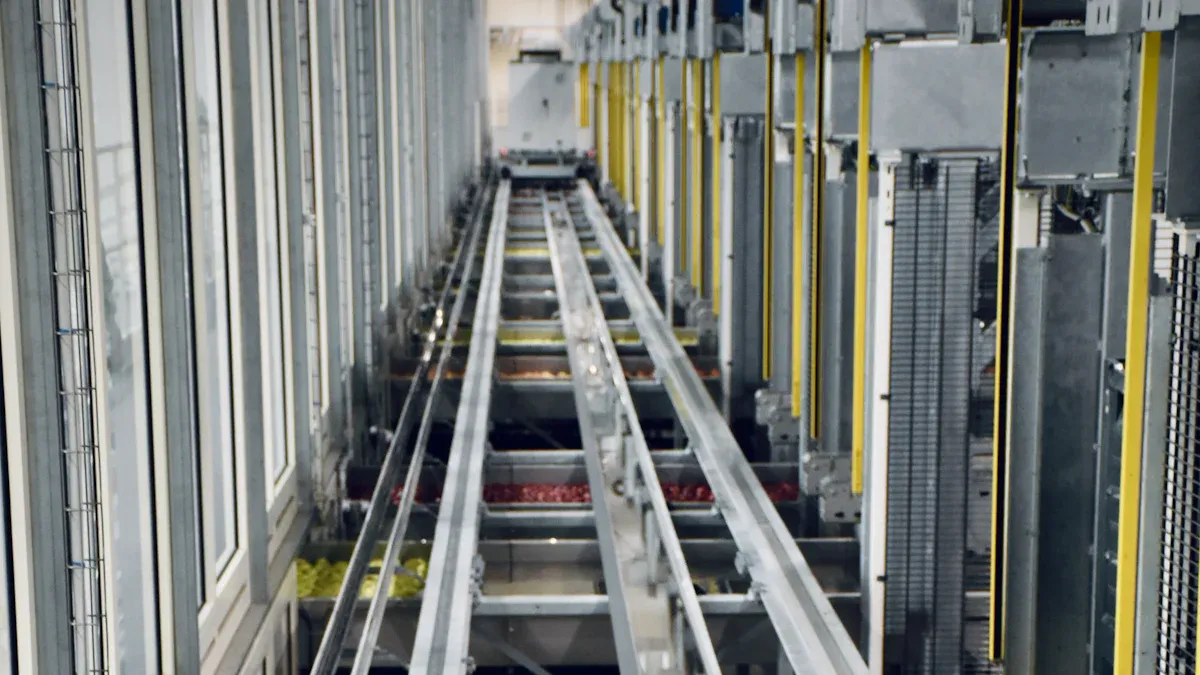
Potato chip manufacturers rely on several types of sorting equipment to ensure product quality and efficiency. Each system offers unique features and benefits, making it important to select the right solution for specific production needs.
Optical sorters use advanced cameras and artificial intelligence to analyze chips in real time. These systems detect color, shape, and surface defects, then remove unwanted items with high-speed ejection mechanisms. Optical sorters achieve over 98% accuracy under optimal conditions, making them ideal for large-scale operations that demand consistent quality. Operators benefit from rapid sorting and reduced labor requirements.
Note: Optical and AI-powered sorters deliver extremely accurate, high-speed sorting but require a significant initial investment and regular maintenance.
Mechanical sorters rely on physical properties such as size and weight. Common designs include roller and belt systems that separate chips based on adjustable gaps or weight thresholds. These machines offer simplicity and low maintenance, but their accuracy falls short compared to optical systems. Weight-based sorters often need recalibration, which can slow down production.
Air jet sorters combine sensors with targeted bursts of air to remove defective chips from the production line. When a sensor detects an off-spec chip, a jet of air diverts it into a separate bin. This method provides fast, contactless sorting and works well for removing lightweight or misshapen pieces.
Manual roller sorters use rotating rollers and adjustable gaps to separate chips by size. Workers visually inspect and remove defective chips by hand. These systems cost less and require minimal maintenance, but they offer limited accuracy and cannot handle high production volumes.
| Type of Sorter | Features | Pros | Cons |
|---|---|---|---|
| Manual Roller Sorters | Simple equipment with rotating rollers; adjustable gaps for size sorting | Low cost, portable, minimal maintenance | Limited accuracy, not for high volume |
| Optical and AI-Powered Sorters | Uses cameras and AI for real-time analysis; detects defects and ejects items | Extremely accurate, high-speed sorting | High initial investment, complex maintenance |
A potato chip sorter plays a crucial role in selecting the right equipment for each stage of production. The choice depends on desired accuracy, production scale, and budget.
Modern potato chip sorters use advanced detection methods to ensure only the best chips reach consumers. 3D vision systems scan each chip from multiple angles, capturing detailed shape and size information. Hyperspectral imaging takes quality control further by analyzing both visible and invisible defects. This technology detects issues like 'sugar ends' and internal bruising, which traditional inspection methods often miss. Hyperspectral imaging collects spatial and spectral data at the same time, allowing the sorter to identify problems such as hollow heart disease. These improvements help maintain high product standards and reduce waste.
Tip: Hyperspectral imaging not only finds surface flaws but also uncovers hidden defects, making it a powerful tool for quality assurance in snack production.
Automation plays a key role in today’s potato chip sorter systems. Automated machines control sorting speed, accuracy, and consistency. Operators can set quality parameters through user-friendly interfaces. The system then removes defective chips without manual intervention. Automation reduces human error and labor costs, while also increasing throughput. Real-time monitoring and self-adjustment features help maintain optimal performance during long production runs.
Potato chip sorters integrate seamlessly with other equipment in automated production lines. This integration ensures smooth transitions between washing, slicing, frying, and packaging stages. Automated sorting systems remove defects early, enhancing quality control and saving resources. The use of PLCs and IoT technology enables real-time monitoring and reduces downtime.
| Technology | Impact |
|---|---|
| Automated machines | Reduces error, ensures uniformity |
| PLCs and IoT | Real-time monitoring, reduces downtime |
| Advanced sorters | Detects defects, improves food safety |
Integration increases output and allows for continuous production, meeting higher demand without sacrificing quality.
Manufacturers position potato chip sorters at a strategic point in the production line. Sorters typically operate after the frying and seasoning stages. This placement ensures that only high-quality chips move forward to packaging. The system removes defective products, such as chips with discoloration or physical damage, maintaining strict quality standards. Optical and laser sorters identify and eliminate chips and foreign objects by analyzing surface characteristics like color and shape. Air blowers and electronic sorters further enhance the removal process, targeting lightweight contaminants and nonconforming materials. This approach maximizes the efficiency of defect elimination and supports food safety protocols.
Tip: Placing sorters after frying and seasoning allows manufacturers to catch defects that may arise during cooking, ensuring only the best chips reach consumers.
Potato chip sorters deliver measurable improvements in product quality. Advanced optical sorting technology enhances defect removal and consistency. New cameras with higher resolution identify smaller imperfections, while upgraded operating systems enable sophisticated analysis. Lighter reject fingers and improved air cylinders increase the speed and accuracy of defect removal. Enhanced surface inspection capabilities allow for up to 20% more thorough checks compared to traditional methods. These machines sort up to 40 metric tons per hour, maintaining consistent line capacity. By detecting and removing contaminants, manufacturers comply with food safety regulations and industry standards. The result is a final product that meets consumer expectations for taste, appearance, and safety.
| Improvement Aspect | Description |
|---|---|
| Enhanced Sorting Capabilities | Improved defect removal and product consistency |
| Camera Resolution | Identifies smaller defects |
| Energy Efficiency | Reduces energy usage and maintenance needs |
| Surface Inspection | Maximizes defect removal |
| Capacity | Ensures consistent line throughput |
| Safety Compliance | Detects and removes contaminants for regulatory adherence |
Potato chip inspecting machines ensure defect-free chips reach consumers.
These systems help manufacturers meet food safety regulations and maintain high-quality standards.
Automated inspection increases operational efficiency and marketability.
Production volume stands as a primary factor when selecting sorting equipment. Facilities processing a few tons per hour may find entry-level or mid-range machines suitable. High-capacity plants often require advanced systems that handle over 10 tons per hour. Matching the sorter’s throughput to the plant’s needs prevents bottlenecks and supports consistent output.
Cost plays a significant role in equipment selection. The price of a sorter varies by technology and capacity. The following tables show typical price ranges:
| Type of Sorter | Price Range |
|---|---|
| Manual and Basic Mechanical Models | $800 – $3,000 |
| Vibratory and Semi-Automatic Systems | $3,000 – $15,000 |
| Full Conveyor Lines with Inspection Stations | $15,000 – $50,000 |
| Optical and AI-Based Sorters | $50,000 – $200,000+ |
| Type of Sorting Machine | Price Range |
|---|---|
| Entry-Level (1–3 tons/h) | $5,000–$15,000 |
| Mid-Range (5–10 tons/h) | $18,000–$40,000 |
| High-End (10+ tons/h) | $45,000–$100,000+ |
Buyers should also consider ongoing expenses. Maintenance and repair costs for machinery in a potato chips factory range from $5,000 to $10,000. Preventive maintenance and regular inspections help manage these costs. The total cost of ownership includes energy use, spare parts, labor, and equipment lifespan.
Maintenance costs influence long-term value. Regular upkeep reduces breakdowns and expensive repairs. Choosing between OEM service contracts and third-party support affects operational costs. Leading manufacturers offer a range of support services:
| Service Type | Description |
|---|---|
| Lifecycle Services | Comprehensive support throughout the equipment's lifespan. |
| Parts | Availability of replacement parts for maintenance and repairs. |
| Service | Professional service options for equipment maintenance and troubleshooting. |
| Productivity | Solutions aimed at enhancing operational efficiency. |
| Connectivity | Options for integrating equipment with modern technology. |
| Technical Manuals | Access to manuals for proper equipment operation and maintenance. |
Tip: Evaluate after-sales support and service agreements before investing in a potato chip sorter. Reliable support ensures smooth operation and reduces downtime.
Manufacturers continue to innovate in the potato chip sorting industry. Several companies stand out for their advanced technology and reliability.
TOMRA
Protec
Novus
Quadra
Newtec
Key
Optimum Sorting
Marcelissen
TOMRA and Key Technology lead the market with their high-performance solutions. TOMRA Food offers sorters that combine high-resolution cameras and near-infrared sensors. Key Technology provides robust systems for large-scale operations. Growers and processors in regions such as Wisconsin and France report strong results after adopting TOMRA sorters.
Note: Leading manufacturers invest in research and development to improve sorting accuracy, throughput, and operational efficiency.
Processors often compare models to find the best fit for their production needs. The TOMRA 5A stands out for its ability to remove foreign materials at a 98% rate. It detects subtle defects, discolorations, and blemishes, which increases sorting accuracy. The TOMRA 3A offers flexibility and high throughput, making it suitable for various processing environments.
Key Technology’s Veryx B210 sorter supports high-capacity lines. It inspects over 80 inches of product width and exceeds 23 metric tons per hour in throughput. This model helps processors maximize output and maintain consistent quality.
| Feature/Capability | TOMRA 3A | TOMRA 5A |
|---|---|---|
| Sorting Technology | High-resolution cameras, NIR | Pulsed LED, camera, NIR, 1mm precision |
| Key Functionality | Identifies green potatoes | Removes foreign materials (98% rate) |
| Capacity | 100 tons per hour | High throughput |
| Flexibility | Movable between sheds | Adjustable accept/reject levels |
| Waste Minimization | Recovers lesser-quality potatoes | Reduces waste, improves profitability |
| Operational Efficiency | Enhances food safety, minimizes labor | Increases recovery, reduces downtime |
A potato chip sorter from a reputable brand ensures consistent quality and efficient operation in modern snack production.
Potato chip sorters, like any industrial equipment, can experience technical challenges that disrupt production. Operators often encounter several recurring problems:
Assembly instructions sometimes lack clarity, especially when translated poorly. This confusion can lead to incorrect setup and delays.
Excessive vibration during operation may cause bruising of potatoes or chips. Lowering the machine speed often reduces this damage.
Replacement part requests may face slow customer service responses. Some users report waiting over two weeks for assistance after a breakdown.
Tip: Keeping a detailed log of issues helps maintenance teams identify patterns and address root causes quickly.
Mechanical jams, sensor misalignment, and software glitches also occur. Regular monitoring and prompt troubleshooting minimize downtime and maintain product quality.
Routine maintenance ensures that potato chip sorters operate efficiently and last longer. Most machines require daily cleaning to remove debris and prevent contamination. Weekly inspections help spot wear and tear before it leads to bigger problems. Preventive maintenance, performed every three to six months, keeps all components in optimal condition and extends the equipment’s lifespan.
Clean the sorter daily to avoid buildup and ensure food safety.
Inspect belts, sensors, and moving parts weekly for signs of damage.
Schedule comprehensive preventive maintenance every 3–6 months.
Note: Consistent maintenance not only reduces unexpected breakdowns but also improves sorting accuracy and throughput.
A proactive approach to troubleshooting and maintenance supports reliable operation and high-quality chip production.
A potato chip sorter delivers measurable gains in yield, quality, and cost savings:
| Benefit | Description |
|---|---|
| Yield | Efficient sorting increases usable output and reduces waste. |
| Quality | AI-driven grading ensures consistent, high-quality chips. |
| Cost Savings | Lower storage losses and fewer defects cut operational expenses. |
Manufacturers see long-term profitability through higher throughput, reduced waste, and premium product pricing.
AI-based systems prevent costly fines for contaminants
Advanced sorting meets rising consumer demand for quality snacks
Operators should clean the sorter daily. Regular cleaning prevents contamination and maintains food safety standards.
Yes. Advanced sorters use sensors and cameras to identify and remove foreign materials, including plastic, metal, and glass.
Most potato chip sorters last 8–12 years with proper maintenance. Regular servicing extends equipment life and ensures consistent performance.

We provide you with comprehensive foreign trade solutions to help enterprises achieve global development
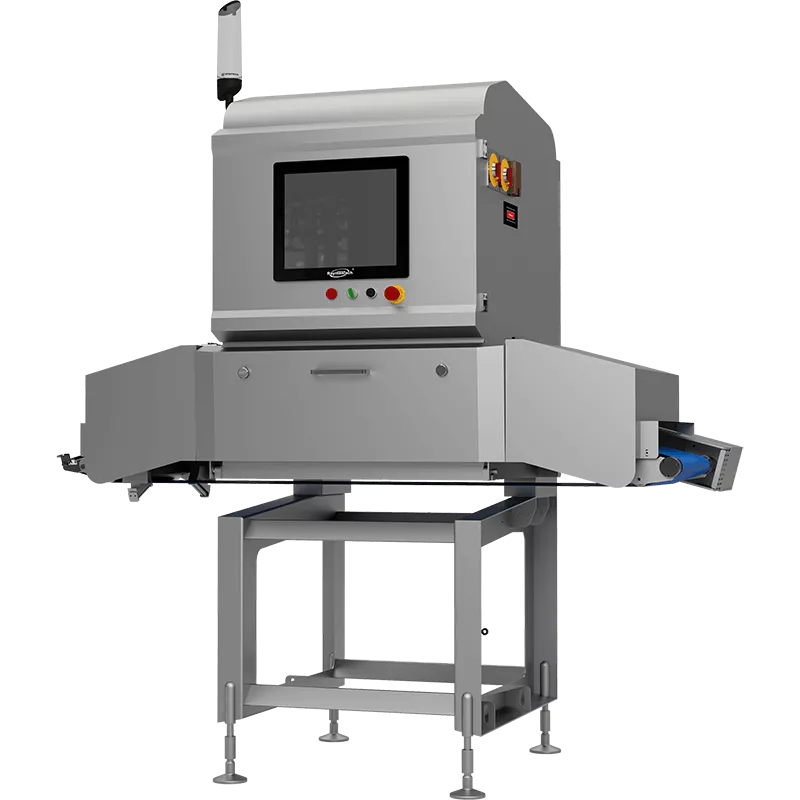
Uneven and overlapped product detection, thin & lo...
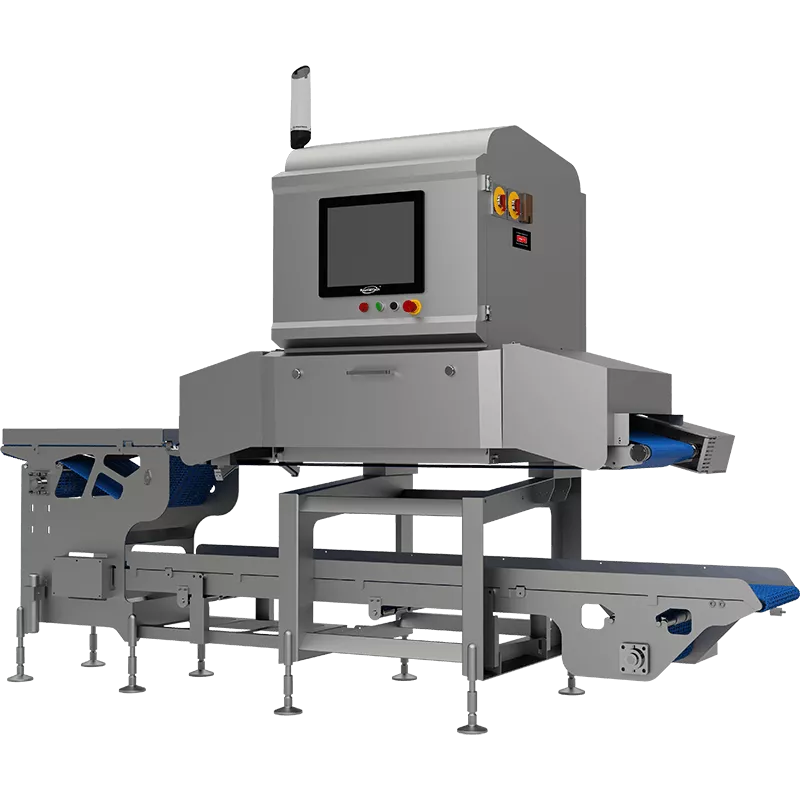
Chicken bone inspection, global poultry AI databas...
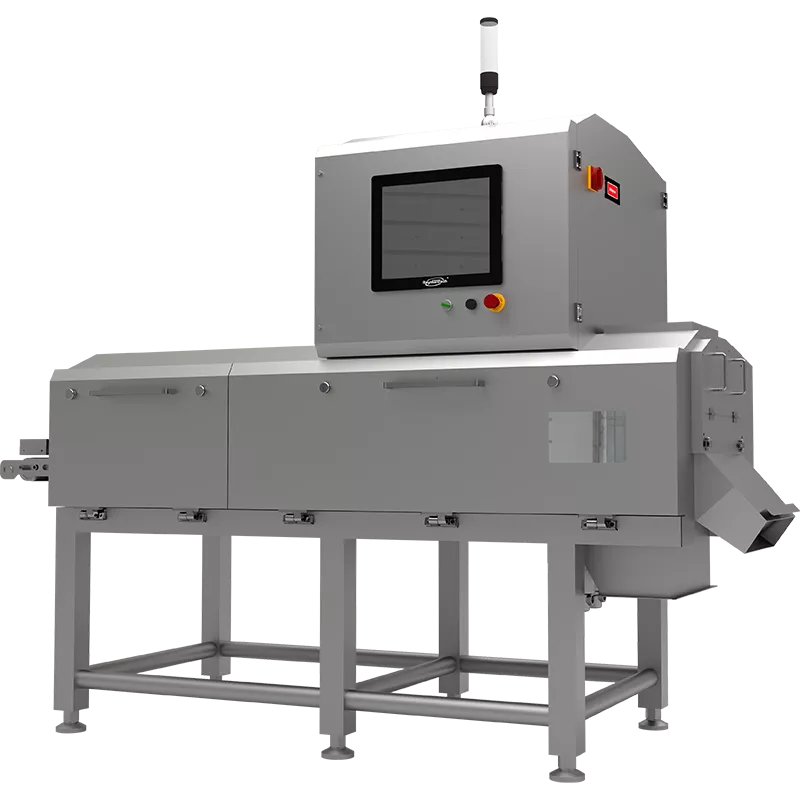
Conventional and unconventional contaminant detect...
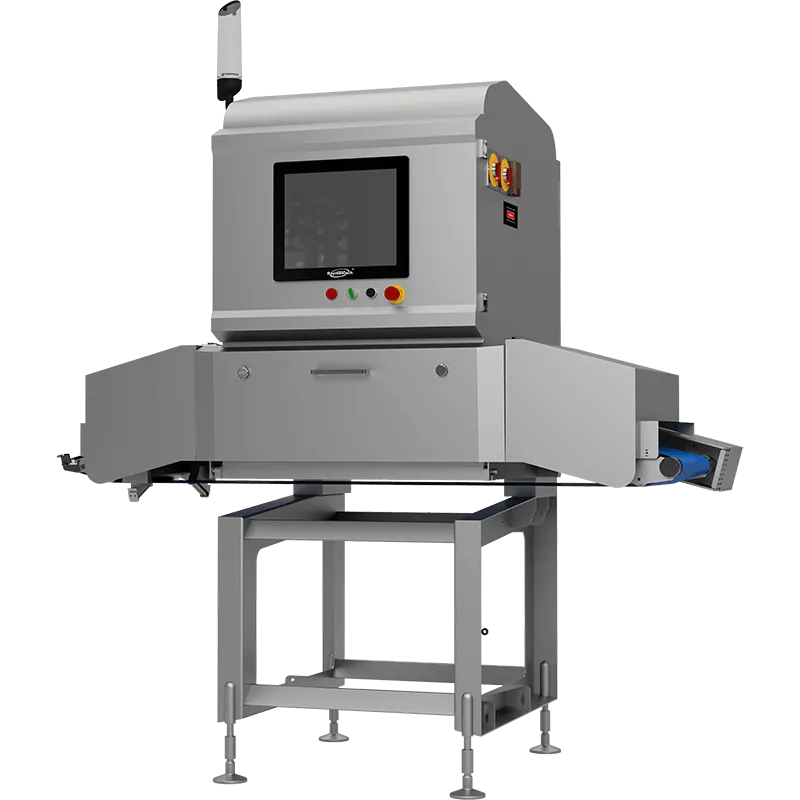
Both fat analysis and contaminant inspection (bone...
Select the most popular foreign trade service products to meet your diverse needs
Select the most popular foreign trade service products to meet your diverse needs



.webp)



User Comments
Service Experience Sharing from Real Customers
Michael Rodriguez
Production Line SupervisorThis potato chip sorter has revolutionized our quality control. The optical sorting accuracy is exceptional, drastically reducing waste and ensuring only perfect chips move to packaging. A game-changer for our throughput.
Sarah Chen
Quality Assurance ManagerHighly efficient and reliable machine. The color and defect sorting has improved our product consistency significantly. Setup was straightforward, and the maintenance team found it easy to service. Minor software interface could be more intuitive.
James Wilson
Plant Operations DirectorOutstanding investment. The sorter's speed and precision have increased our line efficiency by over 30%. The durability is impressive for a 24/7 operation. The supplier's technical support was also top-notch during installation.
Lisa Thompson
Food TechnologistAs someone focused on product quality, this sorter is a dream. It consistently removes foreign material and defective pieces we used to miss. The data logging feature helps us track and improve our raw potato supply quality. Absolutely essential for modern chip production.