AI and Food Production
AI and Food Production
The integration of artificial intelligence into food production represents a fundamental transformation of the agricultural and food manufacturing sectors, driven by data, machine learning, and automation. This convergence is not a future concept but a present-day reality, with global markets and corporate investments providing concrete evidence of its scale. The global AI in agriculture market was valued at approximately USD 1.7 billion in 2023 and is projected to surpass USD 4.7 billion by 2028, demonstrating a compound annual growth rate of over 22%. This growth is fueled by the urgent need to address critical challenges such as climate change, supply chain volatility, and a burgeoning global population expected to reach nearly 10 billion by 2050, requiring a corresponding 60-70% increase in food production. Major technology corporations and agribusiness giants are leading this charge. For instance, IBM's Watson Decision Platform for Agriculture leverages weather data, satellite imagery, and IoT sensors to provide farmers with predictive insights for crop management. John Deere, through its acquisition of Blue River Technology, has deployed "See & Spray" technology, which uses computer vision to distinguish between crops and weeds, applying herbicide with pinpoint accuracy. This has been shown to reduce herbicide use by up to 90% compared to traditional blanket spraying methods, according to company reports and field trials. In controlled environment agriculture, companies like Iron Ox and Plenty utilize AI-powered robotics and machine learning algorithms to monitor and manage indoor farms. These systems optimize light, water, and nutrient delivery to plants, achieving yields that are multiples of traditional open-field farming while using over 95% less water, as documented in their operational data. The initial phase of AI's impact is therefore characterized by precision and predictive analytics, enabling unprecedented efficiency and resource conservation from the field to the greenhouse.
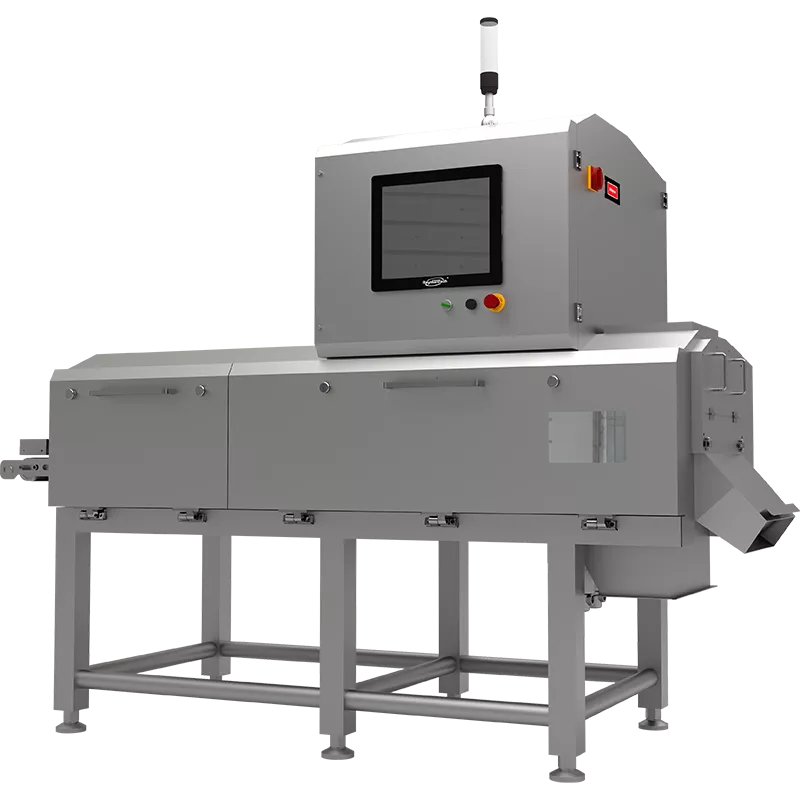
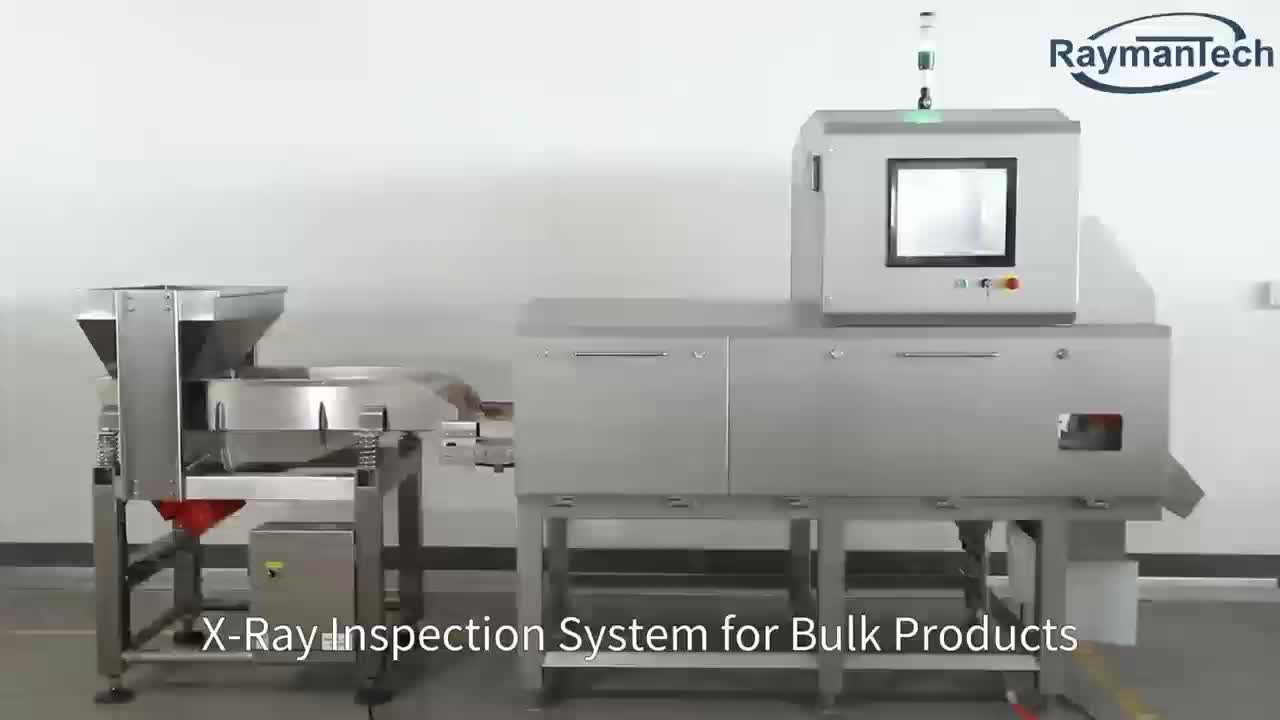
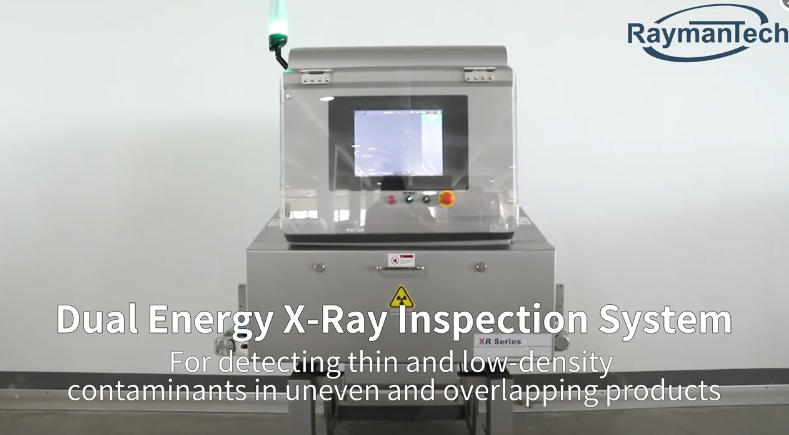
Beyond the farm, AI's influence extends deeply into the entire food supply chain, revolutionizing processing, safety, and distribution. In food manufacturing, AI-driven computer vision systems are deployed for quality control and sorting. For example, TOMRA Food, a leading sensor-based sorting solutions provider, uses AI and hyperspectral imaging to detect and remove defects and foreign materials from produce streams with an accuracy far exceeding human capabilities, significantly reducing food waste. A 2023 report by the World Economic Forum and McKinsey estimated that AI-enabled supply chain optimization could reduce food waste by up to 30 million tons annually. In the realm of food safety, AI models are being trained to predict pathogen contamination risks. Researchers have developed models that analyze data from weather patterns, soil conditions, and historical contamination events to forecast the likelihood of *E. coli* or *Salmonella* outbreaks in specific regions, allowing for preemptive interventions. For consumers, personalization is becoming a key trend. Companies like Spoon Guru and NotCo use AI to analyze vast datasets of consumer preferences, dietary restrictions, and flavor profiles. Spoon Guru's technology powers grocery retail platforms to help users find products that match complex dietary needs, while NotCo's "Giuseppe" AI algorithm analyzes molecular structures of plant-based ingredients to create new food products that replicate the taste and texture of animal-based foods, a process validated by their successful market launches. Furthermore, AI is optimizing logistics; the company OneThird uses AI-powered scanners to predict the shelf life of fresh produce, allowing distributors and retailers to dynamically route shipments to minimize spoilage, addressing the critical issue where an estimated 30% of all food produced is lost or wasted. This second phase of AI application demonstrates a holistic overhaul of the post-harvest ecosystem, focusing on enhancing safety, reducing waste, and creating tailored consumer experiences, thereby building a more resilient and responsive global food system.
 English EN
 Germany DE
 French FR
 Portuguese PT
 Spanish ES
.webp)


.webp)
.webp)
.webp)








User Comments
Service Experience Sharing from Real Customers
Jennifer Martinez
Agricultural EngineerThe AI-powered crop monitoring system has revolutionized our farming efficiency. Yield predictions are now 95% accurate, reducing waste significantly.
David Chen
Food Processing Plant ManagerAI quality control sensors have improved our defect detection rate by 80% while speeding up production lines. Minor calibration issues need addressing.
Sarah Johnson
Supply Chain CoordinatorThe AI demand forecasting tool has reduced our food spoilage by 60% through optimal inventory management. Integration was seamless with existing systems.
Michael Rodriguez
Restaurant OwnerAI-powered inventory management cut our food costs by 25% through smart purchasing and reduced waste. The ROI was achieved in just 3 months.