 English EN
 Germany DE
 French FR
 Portuguese PT
 Spanish ES
.webp)
.webp)
How Safe is X-ray Inspection of Food?
Consumers and manufacturers alike worry about cont...
More

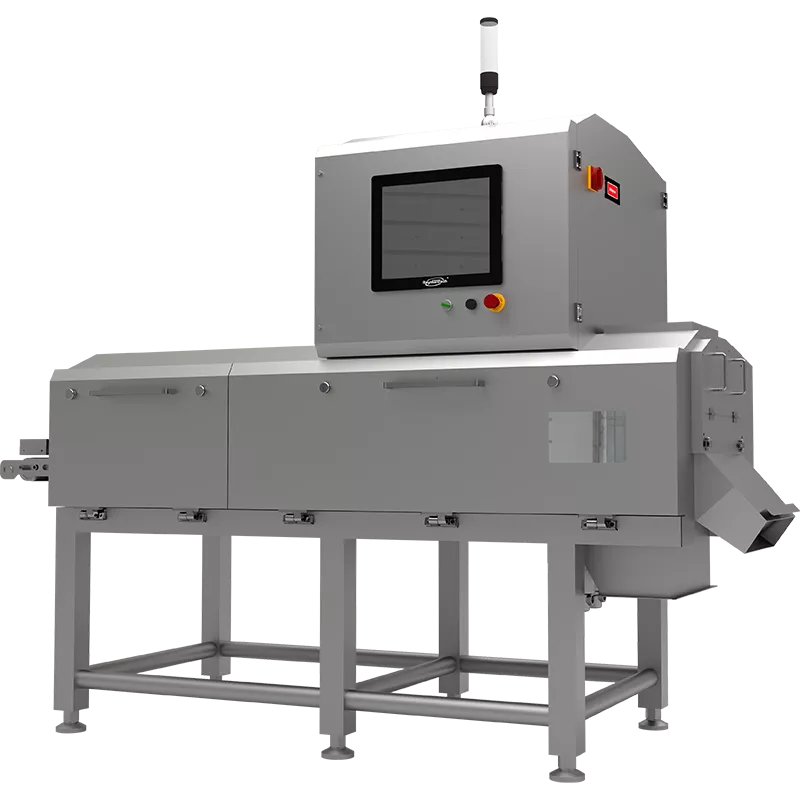
The global canned food market will reach an estimated USD 144.43 billion by 2026. This significant growth demands superior quality assurance. Canned food x ray inspection provides a critical solution.
This technology moves beyond simple contaminant detection to guarantee total product integrity. It verifies fill levels, component counts, and seal quality, protecting brand reputation and ensuring operational efficiency.
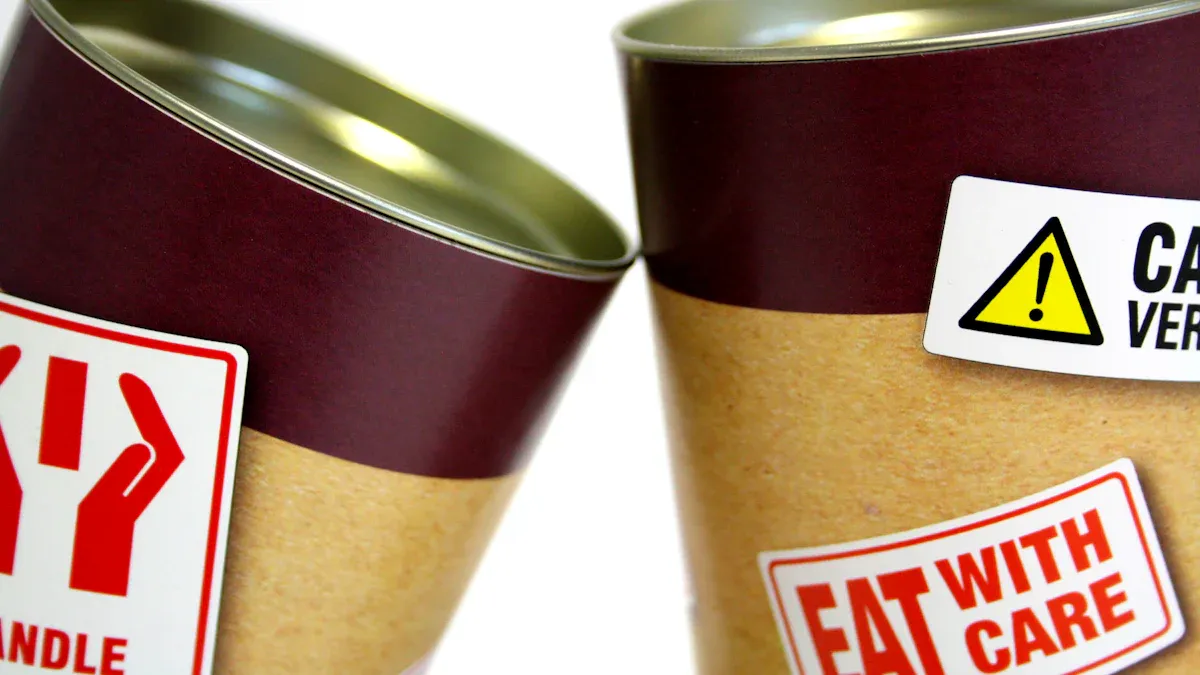
Modern quality assurance extends far beyond finding an occasional foreign object. For canned food manufacturers in 2026, total product integrity is the new standard. This holistic approach means guaranteeing every aspect of the product inside the sealed can is perfect. Advanced x-ray systems provide this comprehensive oversight, inspecting for quality control issues that other technologies cannot see.
Metal detectors are a valuable part of any food safety program. They excel at identifying ferrous metals like iron and steel. However, their reliance on magnetic fields creates significant blind spots. Many common physical contaminants in the food supply chain are non-metallic and pass through a metal detector completely unnoticed.
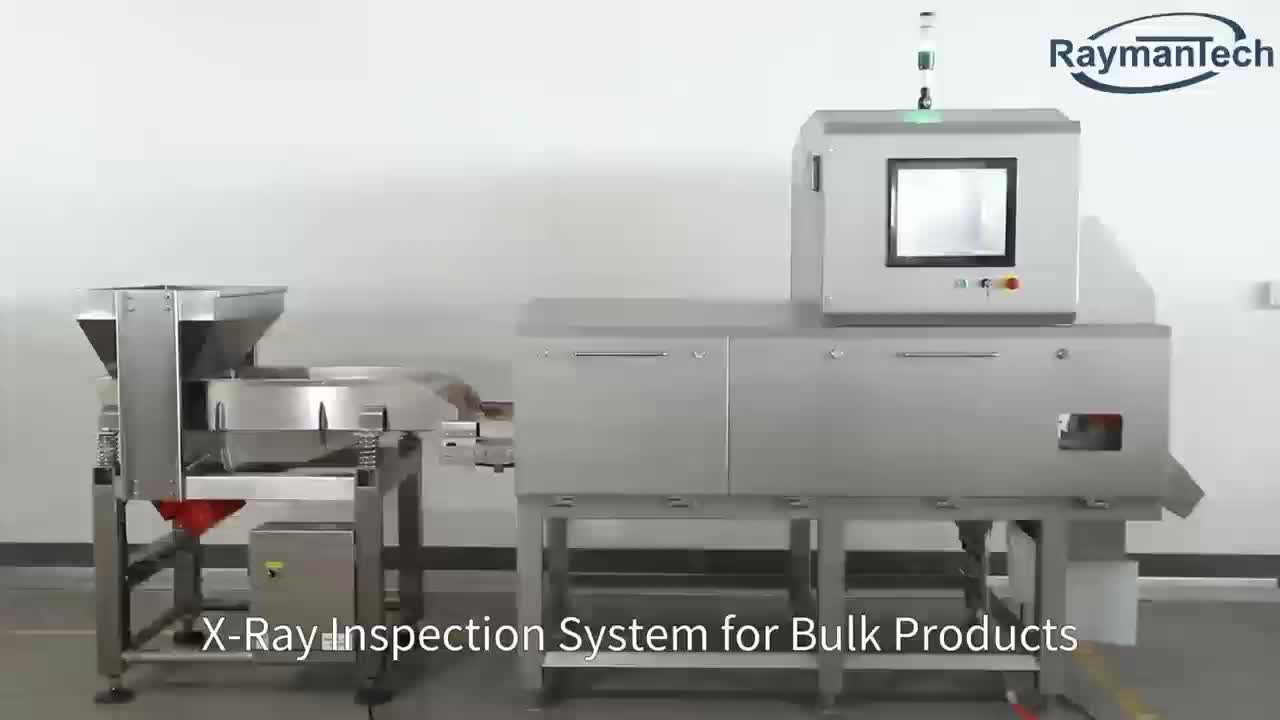
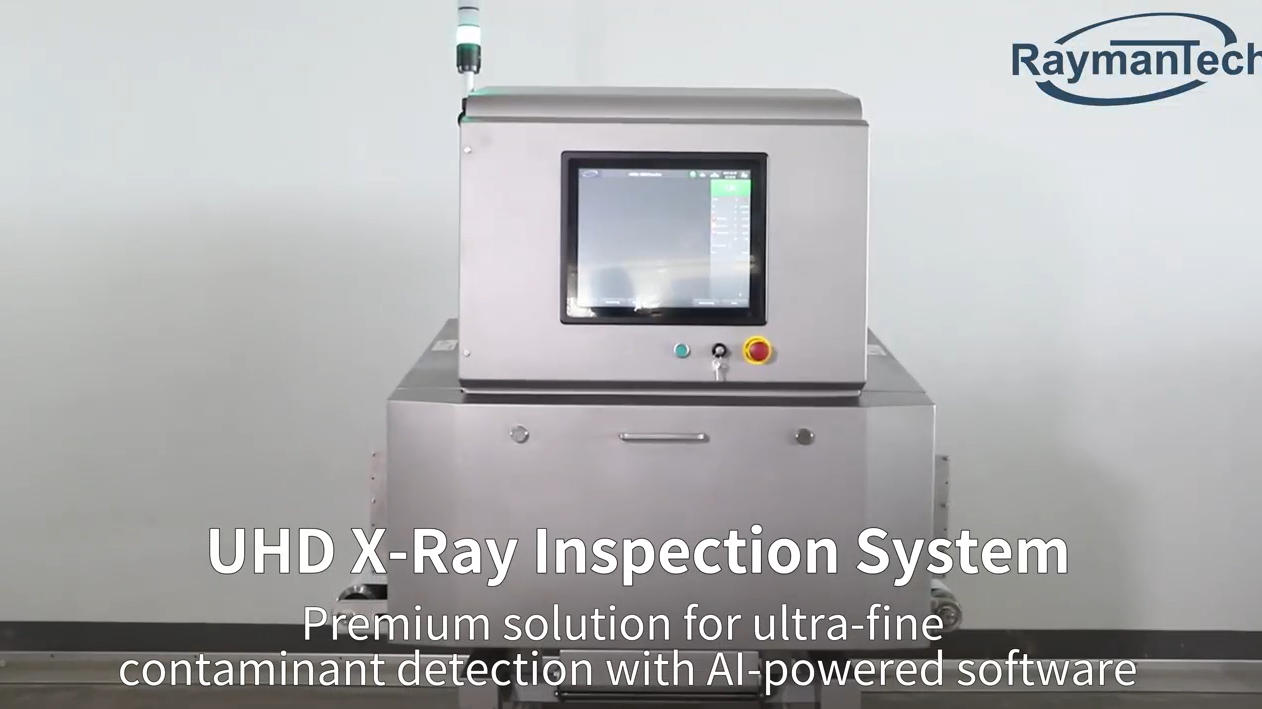
A canned food x ray inspection system operates on a different principle. It uses density to identify foreign bodies. This allows it to detect a much wider range of materials that pose a safety risk.
Common contaminants that metal detectors miss but x-ray systems can find include:
Glass shards
Stones or rocks
Calcified bone fragments
High-density plastics and rubber
The technology's ability to penetrate packaging, including aluminum cans, gives it a distinct advantage.
| Feature | X-ray Inspection System | Metal Detection |
|---|---|---|
| Detection Method | Uses density differences | Relies on magnetic field disturbances |
| Scope of Detection | Detects metals, glass, stone, bone | Primarily detects metallic contaminants |
| Image Visualization | Generates a detailed image of the can's interior | Does not provide visual images |
| Versatility | Performs multiple quality checks at once | Focused only on metal detection |
Sophisticated algorithms analyze the x-ray image, flagging items that are denser than the surrounding food product. This process effectively separates genuine threats from the food itself, ensuring a safer final product.
Inconsistent fill levels directly harm a brand's profitability and reputation. Government regulations, such as the FDA's 21 CFR 101.105, make underfilling illegal. Consumers who receive an underfilled can feel cheated, leading to dissatisfaction and loss of trust.
Overfilling, or "giveaway," is unnecessarily costly. Underfilling damages brand reputation and can lead to legal penalties. Precise weight control directly impacts profitability and long-term customer relationships.
X-ray inspection systems offer a powerful solution. They function as highly accurate in-line checkweighers. The system analyzes the x-ray image to calculate the volume and estimate the mass of the product inside the sealed can. This allows manufacturers to:
Instantly identify and reject underfilled or overfilled cans.
Gather statistical data to fine-tune filler performance.
Ensure compliance with net weight regulations without slowing production.
This simultaneous mass and volume measurement provides a level of control that protects both the consumer and the company's bottom line.
Many canned products, like soups or ready-to-eat meals, contain multiple ingredients. Consumers expect consistency with every purchase. A can of chicken noodle soup should have a reliable amount of chicken, noodles, and vegetables. A canned food x ray inspection system ensures this uniformity through component counting.
The system performs completeness checks to verify the contents of each can. It can:
Confirm the presence of each key component.
Detect missing or broken items (e.g., a missing meatball).
Ensure ingredients are distributed correctly within the can.
This capability is especially valuable for premium products where the count and quality of specific ingredients are a key selling point. It automates a quality check that is impossible to perform manually once the can is sealed, guaranteeing a consistent product experience for the consumer.
A can's integrity is essential for preserving the food inside. While major dents are easy to spot, microscopic defects can compromise the seal and lead to spoilage. These issues create significant food safety risks, as a compromised seal allows for microbial or chemical contamination. This can lead to product recalls, financial losses, and severe damage to a brand's reputation.
X-ray inspection sees through the can to identify structural flaws invisible to the naked eye or standard camera systems. It can detect:
Voids: Small air pockets within the product.
Cracks: Fine ruptures in the can's seam or body.
Porosity: Tiny interconnected voids that weaken the container.
By automatically identifying and rejecting cans with these defects, manufacturers prevent spoiled or unsafe products from ever reaching the market. The instant feedback from an automated x-ray system allows for immediate process adjustments, maintaining high-speed production while upholding the strictest quality standards.

By 2026, market forces and regulatory pressures will make advanced inspection non-negotiable. The conversation is shifting from what is acceptable to what is possible. Canned food manufacturers face a clear choice: adopt proactive quality assurance technologies or risk falling behind. The imperative for canned food x ray inspection stems from three key areas: stricter compliance mandates, the rise of artificial intelligence, and the relentless pursuit of operational efficiency.
Global food safety standards are becoming more demanding every year. Retailers and certification bodies are raising the bar for quality, making advanced inspection a prerequisite for market access. Major wholesalers like Costco now mandate that suppliers screen food products with an x-ray detection device. This policy sets a powerful precedent, indicating the future direction for other major retailers that already enforce strict food safety guidelines.
A food safety culture must be "firmly embedded" in all operational aspects. This is a core requirement from the Global Food Safety Initiative (GFSI), moving compliance from a checklist to a company-wide mindset.
GFSI-recognized standards, which are foundational for market access, continue to evolve. The upcoming Safe Quality Food (SQF) Edition 10, with its GFSI benchmarking review set for March 2026, will likely bring expanded requirements for environmental monitoring and food fraud prevention. Similarly, the FSSC Development Program now includes packaging (Category I) in its scope, placing greater scrutiny on container integrity.
X-ray inspection systems directly help manufacturers meet these rigorous standards. They are crucial for:
HACCP and FSMS Compliance: X-ray systems serve as a Critical Control Point (CCP) within a Hazard Analysis and Critical Control Points (HACCP) plan. They provide a documented, verifiable intervention that is essential for any Food Safety Management System (FSMS).
Demonstrating Due Diligence: The technology provides auditable proof of compliance. Systems can save and export production data, including images of rejected products tagged with the date, time, and reason for rejection. This enhances traceability and satisfies auditors.
Meeting Global Standards: Implementing a canned food x ray inspection program helps companies achieve and maintain certifications like BRCGS, IFS, SQF, and FSSC 22000, which are often required by top retailers.
Artificial intelligence (AI) is transforming x-ray inspection from a detection tool into an intelligent quality assurance partner. AI-powered systems use deep learning algorithms to analyze inspection images with a level of precision that surpasses traditional software and human capabilities. These systems learn from vast datasets to identify contaminants and defects more accurately.
AI integration delivers several key advantages:
Enhanced Detection Accuracy: Intelligent algorithms analyze subtle differences in texture and density. This allows them to find low-density contaminants like plastic, rubber, and bone that older systems might miss.
Reduced False Positives: AI excels at distinguishing between a real contaminant and a naturally occurring product variation (e.g., a dense herb in a sauce). This capability, proven in fields like medical imaging where AI reduces false positives by over 37%, prevents unnecessary product waste.
Adaptive Learning: An AI-powered system continuously improves. As it inspects more products, it learns to identify new or unusual defects without needing manual reprogramming. This adaptability allows it to handle new product formulations and evolving production challenges seamlessly.
This technology automates complex quality checks, providing real-time data analysis that makes the entire inspection process faster, smarter, and more reliable.
Every can that is unnecessarily rejected represents lost profit. X-ray inspection boosts efficiency by minimizing waste and optimizing production line performance. While some systems can reduce routine product waste by 2-5%, their true value shines during a contamination event. In such cases, targeted x-ray inspection can help recover up to 98% of a product run that would otherwise be destroyed.
This technology directly improves Overall Equipment Effectiveness (OEE), a key metric for manufacturing productivity. By identifying issues like incorrect fill levels or faulty seals in real time, x-ray systems enhance the quality component of OEE. This early detection prevents defective products from continuing down the line, saving the costs of additional processing, packaging, and labor.
Integrating x-ray inspection data with factory management systems (MES/ERP) creates a complete digital record for every can. This provides unparalleled transparency and traceability, allowing manufacturers to isolate affected batches instantly during an audit or recall.
This data integration is the cornerstone of a modern, transparent supply chain. Cloud-based platforms can centralize inspection data from multiple facilities, enabling remote monitoring and trend analysis. This digital thread proves compliance, builds consumer trust, and future-proofs operations against unforeseen challenges.
Investing in x-ray inspection is a strategic necessity for 2026, a fact reflected in the market's projected growth. The technology's ability to ensure comprehensive quality makes it indispensable for protecting consumers and brand trust.
For canned food manufacturers, adopting advanced x-ray systems is the definitive step toward future-proofing operations against rising quality standards and compliance demands.
Yes, the process is completely safe. The radiation levels are extremely low. X-ray inspection does not affect the food's safety, taste, texture, or nutritional value.
Modern x-ray systems operate at very high speeds. They inspect products in-line without reducing throughput. This technology helps manufacturers maintain maximum production efficiency while ensuring quality.
X-ray systems detect contaminants based on density differences. This allows them to find non-metallic items like glass, stone, and bone, which metal detectors completely miss.

We provide you with comprehensive foreign trade solutions to help enterprises achieve global development
.webp)
Designed for food manufacturers requiring exceptio...
.webp)
RaymanTech Combined Weighing and Labeling System a...
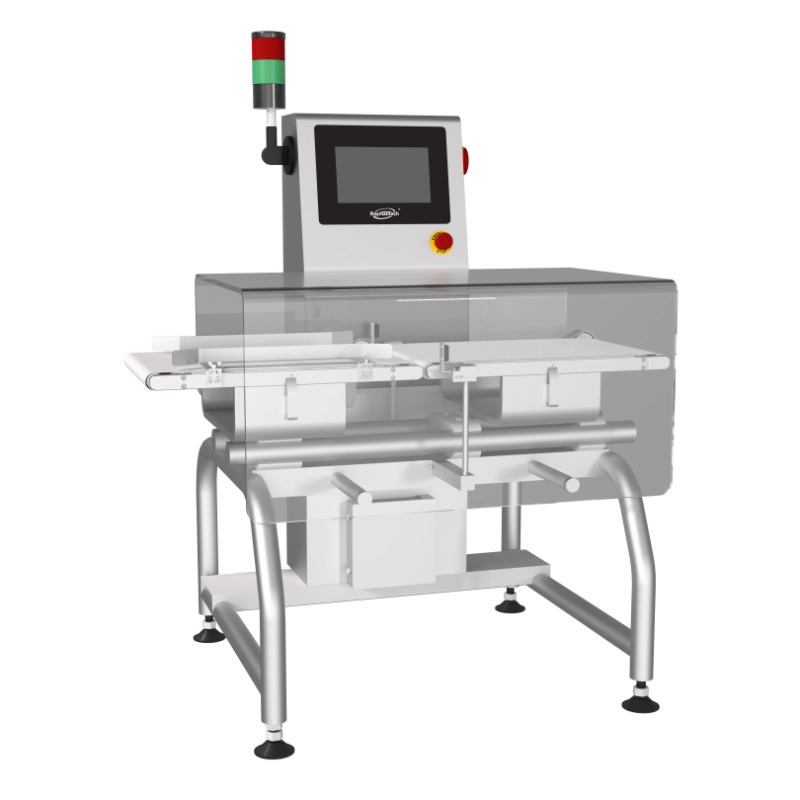
Check product weight on the production line and re...
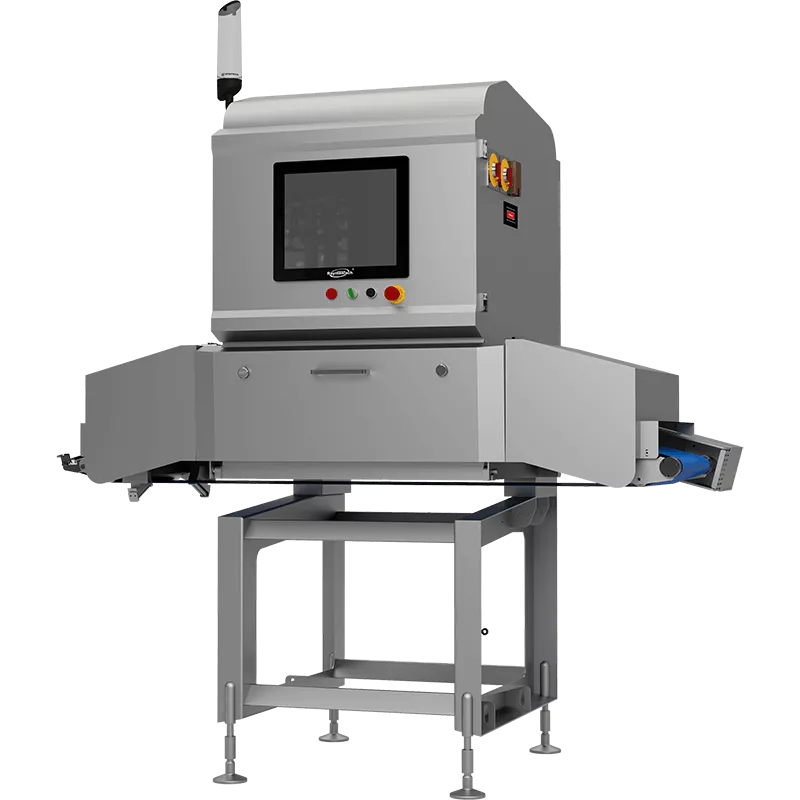
Uneven and overlapped product detection, thin & lo...
Select the most popular foreign trade service products to meet your diverse needs
Select the most popular foreign trade service products to meet your diverse needs



.webp)



User Comments
Service Experience Sharing from Real Customers
Michael Thompson
Quality Assurance ManagerThis canned food x-ray inspection system has revolutionized our quality control process. The detection accuracy for foreign objects like metal fragments and glass shards is exceptional. We've significantly reduced consumer complaints since implementation.
Sarah Chen
Production SupervisorHighly reliable x-ray machine for our canned vegetable line. The automatic rejection system works flawlessly when contaminants are detected. The only minor drawback is the initial setup complexity, but once configured, it operates smoothly with minimal maintenance.
David Rodriguez
Plant ManagerOutstanding investment for our canned fish facility. The x-ray inspection system not only detects foreign materials but also identifies missing components and fill level issues. The user interface is intuitive and the technical support team is responsive.
Jennifer Wilson
Food Safety CoordinatorThis inspection equipment has been crucial for maintaining our HACCP compliance. The sensitivity settings allow us to detect even minute contaminants in canned soups and stews. The detailed reporting features make audit preparation much easier.