 English EN
 中国 CN
中国 CN
X-Ray Inspection System Makes Bottles and Cans Safer
Advanced x-ray inspection systems powered by AI improve safety for bottles, cans, and jars. These systems inspect for metal, glass, ceramic, and other dense contaminants. The technology detects hard-to-find impurities like glass-in-glass.
Key Takeaways
AI-powered x-ray inspection systems enhance safety by detecting a wide range of contaminants in bottles and cans, reducing the risk of harmful impurities.
Modern x-ray technology offers dual-view and multi-view imaging, ensuring thorough inspections with no blind spots, which leads to fewer product recalls.
Investing in advanced x-ray systems not only improves product safety but also boosts brand trust and operational efficiency, ultimately saving costs for manufacturers.
X-Ray Inspection System Technology
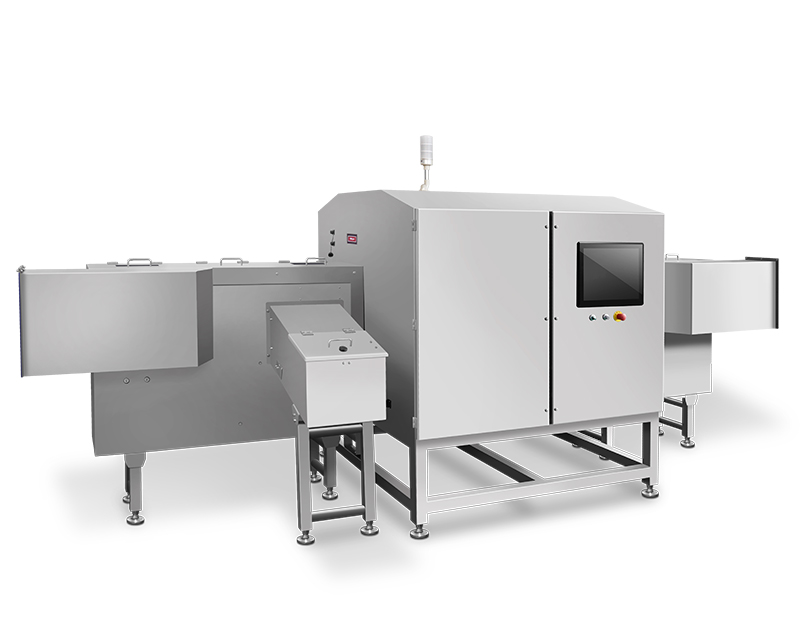
Multi-View and Dual-View X-Ray Inspection
Modern x-ray inspection system technology has advanced rapidly in the last decade. RaymanTech’s x-ray inspection system stands out with its ability to detect a wide range of contaminants, including metal, glass, ceramic, stone, hard plastic, bone, dense rubber, and other dense impurities. The system uses x-ray energy to analyze material density, not just conductivity, which allows for the detection of both metal and non-metal threats.
Multi-view and dual-view x-ray inspection provide enhanced detection coverage for bottles, cans, and jars. These systems use one to four x-ray beams to capture images from different angles, ensuring 360° inspection with no blind spots. Dual-energy systems, like the eagle tall pro xsdv system, use two energy levels to reveal differences in how materials absorb x-rays. This method improves detection of low-density contaminants and reduces false rejects, making food and beverage products safer.
Advancement Type | Description |
|---|---|
Dual-Energy Systems | Differentiate materials by density for better contaminant detection. |
Multi-Tasking Capabilities | Perform quality checks like fill level and seal integrity during inspection. |
Identify metal, glass, bone, and other dense impurities. | |
Inline Product Integrity | Monitor mass, count, and fill levels in real time. |
RaymanTech AI-Powered Image Processing
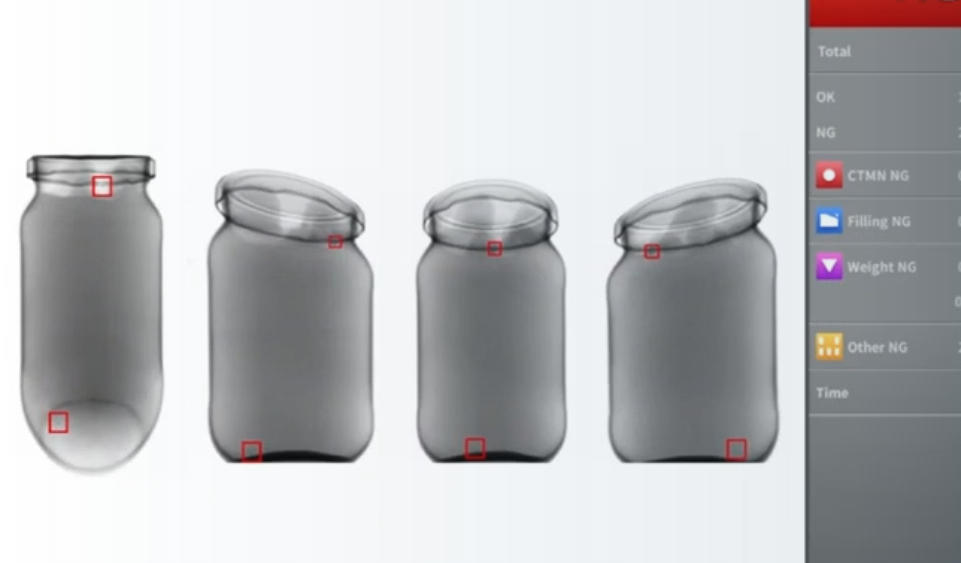
RaymanTech’s x-ray inspection technology uses advanced AI-powered image processing. The system examines grayscale x-ray images to spot differences in density. Darker areas in the image often signal possible contaminants. Machine learning models, such as One-Class Support Vector Machines, are trained on clean product batches. These models help the system find rare contamination events while reducing false rejections.
Choosing the right x-ray inspection system depends on product type, packaging, throughput, and contaminant risks. RaymanTech offers sample testing to validate system performance before purchase. The company also supports AI-based inspection, remote service, data logging, spare parts, and validation services. This ensures each production line gets the best solution for safety and quality.
Safety and Quality with X-Ray Food Inspection Systems
Contaminant Detection and Full-Container Inspection
X-ray food inspection systems play a vital role in ensuring product safety for bottles, cans, and jars. These systems use advanced technology to detect a wide range of foreign contaminants. Manufacturers rely on x-ray food inspection systems to identify threats that could harm consumers or damage brand reputation.
Types of contaminants detected include:
Ferrous and non-ferrous metals
Stainless steel
Mineral stone
Calcified bone
Glass
Plastics
Rubber
RaymanTech’s x-ray inspection system inspects products based on material density. This method allows for the detection of non-metallic items, such as glass or stone, that traditional metal detectors often miss. The system can also find dense rubber, ceramic, and hard plastic. This broad detection range supports total product assurance and helps prevent costly recalls.
X-ray food inspection systems perform full inspection of containers without damaging packaging or the product inside. High-definition image processing enables the system to scan both incoming materials and finished packages. The inspection process checks for contaminants, verifies fill levels, and ensures product uniformity. This approach maintains high safety standards even as production speeds increase.
X-ray inspection systems are flexible and adaptable. They maintain inspection accuracy across various packaging formats and production capacities.
In-line x-ray systems provide precise inline measurements for every product. These measurements help manufacturers catch defects early and reduce the risk of undetected contamination. Automated rejection mechanisms remove any product that fails inspection, supporting food safety systems and regulatory compliance.
Quality Control Functions and Data Connectivity
Modern x-ray food inspection systems offer more than just contaminant detection. They include quality control features that enhance data-driven quality verification and streamline production.
Key quality control functions include:
Fill level checks
Seal integrity verification
Mass and count monitoring
Positioning and uniformity assessment
The following table shows common methods used to check seal integrity in food and beverage packaging:
Method | Description |
|---|---|
Seal integrity | Identify incomplete seals and closure defects |
X-ray Generation | A controlled X-ray beam passes through the product on the conveyor |
Differential Absorption | Dense contaminants absorb more X-rays than surrounding product |
Image Capture | Detectors create a detailed grayscale image showing density changes |
AI Analysis | Advanced algorithms identify anomalies and contaminants in real time |
Automatic Rejection | Contaminated products are diverted from the production line |
X-ray food inspection systems generate actionable inspection data for manufacturers. This data integrates with Manufacturing Execution Systems (MES) and Enterprise Resource Planning (ERP) platforms. The result is a real-time, dynamic quality control loop that supports data-driven quality verification and traceability. Systems like MetVIEW® log inspection results, tagging them to products, users, and dates for full traceability. This approach allows for data mining and pattern recognition, which can improve production efficiency.
Precise inline measurements and full inspection help manufacturers meet strict safety standards. X-ray food inspection systems operate effectively regardless of product temperature, moisture, or packaging type. Automated rejection and real-time inspections prevent delays and ensure compliance with food safety regulations.
X-ray food inspection systems are widely used in many industries, including:
Seafood
Baby food
Dairy products
Meat and poultry
Bakery
Pet food
Pharmaceutical products
These sectors depend on x-ray inspection to detect foreign contaminants and maintain high quality. The technology supports compliance with global safety standards and reduces legal risks.
Manufacturers benefit from cost savings as well. X-ray systems can run for years with minimal maintenance. Automated inspection reduces labor costs and prevents expensive recalls. Investing in advanced x-ray inspection systems leads to safer products and greater market access.
The use of x-ray food inspection systems in food processing plants also requires attention to health and environmental safety. Proper training and best practices ensure operator safety and food quality.
RaymanTech supports manufacturers with sample testing, remote service, data logging, and validation services. Regular cleaning, calibration, and software updates keep the system accurate and reliable. Choosing the right model depends on product type, packaging, throughput, and contaminant risks. RaymanTech helps customers select the best solution for their needs.
X-ray food inspection systems deliver total product assurance through advanced detection, full inspection, and data-driven quality verification. These systems set a new standard for safety and quality in the food and beverage industry.
AI-powered x-ray inspection systems, with dual-view and multi-view imaging, improve detection and quality for bottles, cans, and jars. Manufacturers see fewer recalls and better brand trust. Notably, RaymanTech’s system helped Costco eliminate safety complaints. Adoption of reliable x-ray inspection systems is rising as companies seek higher safety and operational efficiency.
FAQ
What contaminants can RaymanTech x-ray inspection systems detect?
RaymanTech bottles x-ray inspection systems find metal, glass, stone, bone, hard plastic, ceramic, and dense rubber. The inspection process covers both metallic and non-metallic contaminants.
How do I choose the right x-ray inspection system for my production line?
Consider product type, packaging, throughput, and contaminant risks. RaymanTech offers sample testing and expert guidance to help select the best inspection system for your needs.
Does the system support AI-based inspection and remote service?
Yes. The x-ray inspection system uses AI-powered image processing. It supports remote service, data logging, spare parts, validation, cleaning, calibration, and software updates.





Follow us:


