
 English EN
 中国 CN
中国 CN
Top-Tier Baby Food X-Ray Inspection Machines: Advanced Solutions for Formula, Cereals, and Beverage Production
In the highly sensitive world of infant nutrition, safety is not just a regulatory requirement—it is a brand promise. For parents, the purity of what goes into their child's body is paramount. This is why a commercial Baby Food X-ray machine has become an indispensable asset on modern production lines. Unlike traditional metal detectors, advanced X-ray technology provides a "transparent" view into every jar, pouch, and can, ensuring that no physical contaminant reaches the highchair.
Whether you are a startup or a global leader, choosing the right Baby Food X-ray inspection machine manufacturer is the first step toward achieving uncompromising quality and regulatory compliance (such as FDA’s "Closer to Zero" initiative and EU safety standards).
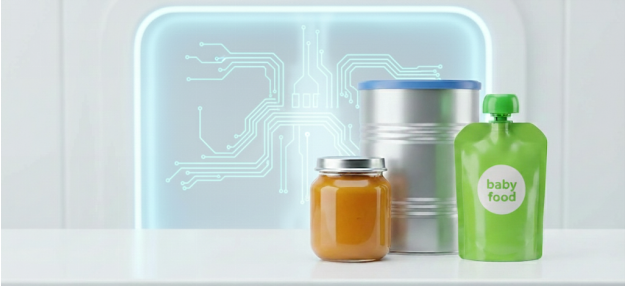
Why X-Ray Inspection is Essential for Baby Food
Traditional inspection methods often fall short when dealing with non-metallic contaminants or complex packaging like foil pouches and glass jars. A high-performance Baby Food X-ray machine offers:
· Multi-Contaminant Detection: Identifies glass shards, stones, high-density plastics, ceramics, and even calcified bone.
·Quality Integrity Checks: Beyond foreign objects, it verifies fill levels, identifies missing components (like measuring spoons), and detects damaged packaging.
· Packaging Versatility: Operates with high precision even through aluminum foil or metalized films.
Comprehensive Inspection Standards by Category
Based on industry processing standards, the following table outlines the specific contaminants and quality control points for different types of baby food.
Quality Control Matrix for Baby Food Production
Category | Main Products | Potential Contaminants & Defects | Key Inspection Points |
1. Baby Formula | Powdered infant formula | Metal (stainless steel wire mesh), rigid plastics, clumping ($\ge 10 \times 10 \times 10$mm) | Capacity filling, missing spoons, jar integrity |
2. Purees & Mashed Foods | Fruit, vegetable, meat, and blended purees | Metal (slag, drilling debris), stone, rigid plastics, ceramics, glass, stainless steel mesh | Vacuum detection (for safety helmets), capacity filling |
3. Cereals & Grains | Rice cereal, oatmeal, multigrain blends, porridge | Metal, stone, rigid plastics, ceramics, glass, stainless steel mesh | Packaging integrity (dents/deformed cans), vacuum detection, capacity |
4. Snack Pouches | Rice puffs, crackers, teething biscuits, fruit/veggie snacks | Metal, stone, rigid plastics, ceramics, glass, sand | Defect detection (damages, breaks, or cracks) |
5. Stage 2 & 3 Baby Foods | Chunky blends (6-12 months), mixed protein foods | Metal, stone, rigid plastics, ceramics, glass, sand | Vacuum detection, capacity filling control |
6. Drinks & Beverages | Fruit juices, formula drinks, milk-based drinks | Metal, stone, glass (especially high precision for bottle bottoms) | Vacuum detection, packaging integrity (dented cans), capacity |
7. Frozen Baby Food | Frozen purees, meals, and finger food snacks | Metal, stone, glass | Foreign body detection in frozen density |
Deep Dive: Specialized Application Solutions

1. Baby Formula X-Ray Machine
The Baby Formula X-ray machine must handle high-speed lines while detecting minute stainless steel wires. It also plays a vital role in "Missing Component" detection—ensuring every can includes the essential plastic measuring spoon.
2. Purees and Mashed Foods X-Ray Machine
With diverse packaging ranging from glass jars to flexible pouches, a Purees and Mashed Foods X-ray machine utilizes side-view or top-down imaging to identify glass-in-glass contaminants or vacuum seal failures.
3. Cereals and Grains X-Ray Machine
Bulk cereal production often faces risks from stones or field debris. A dedicated Cereals and Grains X-ray machine filters out these high-density hazards before the product is even packaged.
4. Snack Pouches X-Ray Machine
Modern snacks like puffs are often in lightweight, resealable pouches. The Snack Pouches X-ray machine is calibrated to ignore the "product effect" of light, airy snacks while spotting tiny fragments of metal or glass.
5. Stage 2 and Stage 3 Baby Foods X-Ray Machine
As textures become chunkier with meat and vegetable pieces, the Stage 2 and Stage 3 Baby Foods X-ray machine uses advanced algorithms to distinguish between a dense piece of vegetable and a foreign stone.
6. Drinks and Beverages X-Ray Machine
Liquid inspection requires a focus on the bottom of the container. A Drinks and Beverages X-ray machine provides specialized coverage for the "crown" and "base" of glass bottles where contaminants often settle.
7. Frozen Baby Food X-Ray Machine
Frozen meals often contain multiple ingredients. A Frozen Baby Food X-ray machine maintains high sensitivity despite the temperature shifts and density changes of frozen products.
Selecting a Manufacturer for Your Commercial Baby Food X-Ray Machine
When evaluating a Baby Food X-ray inspection machine manufacturer, consider the following "Must-Have" features:
·Hygienic Design: Machines must meet IP69K washdown standards to prevent bacterial growth.
· AI-Powered Algorithms: Modern software can learn to "ignore" the product and focus solely on anomalies, reducing false reject rates.
· Traceability: Every rejected item should be logged with a timestamped image for HACCP auditing.
Frequently Asked Questions (FAQs)
Q: Is X-ray inspection safe for baby food?
A: Yes. Scientific studies by the WHO and FDA confirm that the low-energy levels used in food inspection (often less than 1 second of exposure) do not affect the taste, nutritional value, or safety of the food. It is far safer than the risk of an undetected glass shard.
Q: How does an X-ray machine differ from a metal detector in baby food?
A: While metal detectors only find conductive metals, an X-ray machine can detect glass, stone, bone, and certain plastics. It is also unaffected by "product effect" (e.g., high salt or moisture content) and can see through aluminum foil packaging.
Q: Can X-ray machines detect BPA or chemical contaminants?
A: No. X-ray technology is designed to detect physical foreign objects based on density. Chemical safety is managed through strict raw material sourcing and lab testing.
Q: What is "Vacuum Detection" in X-ray systems?
A: For jarred baby foods, X-ray systems can measure the curvature of the safety lid. If the lid is not concave, it indicates a loss of vacuum, and the machine will automatically reject the unit to prevent spoilage.
Q: How small of a contaminant can a Baby Food X-ray machine find?
A: Modern systems can often detect stainless steel and glass pieces as small as 0.5mm to 0.8mm, depending on the product density and packaging type.
Food X-Ray Inspection Systems and Equipment for the Food Industry
This video provides a professional look at how advanced X-ray systems are integrated into food production lines to ensure the highest safety standards.

Related Articles
-
 Jan-21-2026
RaymanTech X-ray Inspection Systems: The Complete Guide to a Smarter, Safer Production Line
When a single shard of glass, a fragment of bone, or an unnoticed plastic tie can trigger a multimillion-dollar recall and shatter consumer trust, food manufacturers can no longer rely on yesterday’s detection technology. RaymanTech has built an entire ecosystem of X-ray inspection solutions that go far beyond traditional metal detectors, delivering density-based, shape-aware, AI-enhanced inspection across every product format imaginable.learn more -
 Jan-21-2026
Introduction to RaymanTech Optical Sorters for Farm Products and Food Processors
RaymanTech, as a leading provider of inspection and sorting solutions, has developed a comprehensive optical sorter portfolio that now serves both farm-product applications and food-processing environments. While farm-product sorters focus on capacity, adaptability, and raw-material variability, food-processor-grade sorters must also incorporate high IP protection, robust stainless-steel construction, sanitary design, and harsh washdown compatibility.learn more -
 Jan-21-2026
How Safe is X-ray Inspection of Food?
Consumers and manufacturers alike worry about contamination in food – broken glass, metal fragments, plastic or stone – entering a product and harming someone or prompting a recall. X-ray inspection systems have become a key solution: conveyors carrying packaged or unpackaged food pass through a shielded X-ray machine that “sees” inside each item. This technology complements traditional metal detectors and manual checks to catch a wider range of hazards. Importantly, extensive research and industry experience show that food X-ray inspection is extremely safe. Nearly everything we eat – from spices to snacks – is X-rayed at some point during production, and regulatory bodies (like the FDA) report “no known adverse effects” from the low-dose X-ray scans used in food plants.learn more




Follow us:


