 English EN
 中国 CN
中国 CN
.png)
Advancing Food Safety:Overcoming Challenges in Residual Bone Detection in Meat Processing
In the high-volume world of meat processing,...
More

Pork fat analysis x-ray technology detects differences in x-ray absorption between fat and lean tissue. This approach delivers highly precise results, with dual-energy x-ray systems achieving accuracy as low as 0.34% RMSEP for large meat batches.
Dual-energy x-ray: 0.57% RMSEP for 27 kg samples
0.34% RMSEP for 241 kg batches
Near infrared: about 0.5% RMSEP
Accurate measurement supports quality control in pork processing. The table below highlights how precise fat assessment shapes product quality:
| Attribute | Impact on Quality Control and Product Consistency |
|---|---|
| Firmness | Influences the texture and consumer perception of the product. |
| Solid Fat Content (SFC) | Affects appearance, flavor release, melt rate, shelf life, and stability of fat-based products. |
| Fat Quality | Correlates with nutrition, sensory characteristics, and shelf-life, impacting overall consumer satisfaction and marketability. |
| Soft Fats | Can lead to undesirable oily appearance and difficulty in processing, resulting in potential monetary loss. |
| Fatty Acid Composition | Affects SFC and overall quality, with specific fatty acids influencing firmness and melting point, crucial for product quality. |
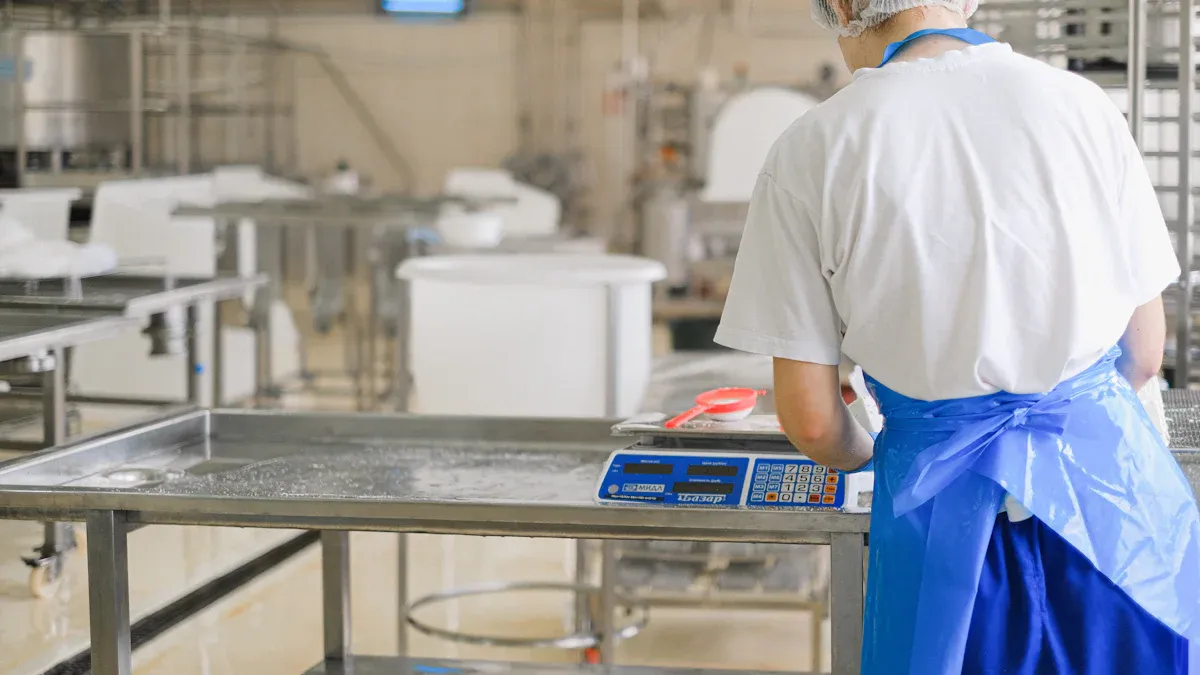
Pork fat analysis x-ray technology relies on the unique way x-rays interact with different components of pork tissue. When x-rays pass through pork, they encounter both fat and lean muscle, each with distinct molecular structures. Fat tissue contains more lipids, while lean tissue consists mainly of water and protein. These differences cause x-rays to attenuate, or weaken, at different rates as they travel through the tissue.
Researchers have explored how various factors influence x-ray interactions at the molecular level. For example:
High-pressure processing (HPP) can alter the macromolecular structure of pork, changing protein configurations and affecting properties like texture and water retention.
Studies on x-ray induced photodynamic therapy (X-PDT) show that tissue thickness significantly impacts how x-rays interact with pork. Thicker samples reduce the effectiveness of x-ray treatments, demonstrating that x-ray penetration and absorption depend on the physical characteristics of the tissue.
Note: The effectiveness of pork fat analysis x-ray systems depends on proper calibration. Operators must consider the type of meat and sample thickness, ideally between 4 and 10 cm, to ensure accurate fat measurement.
Safety remains a top priority in pork processing environments. Operators use shields, lead aprons, and gloves to protect themselves from ionizing radiation. Training helps staff understand correct beam positioning, and modern x-ray systems include safeguards such as excess radiation detection and automatic shut-offs.
Pork fat analysis x-ray systems distinguish fat from lean tissue by measuring how each absorbs x-rays. Dual energy x-ray absorptiometry (DXA) plays a crucial role in this process. DXA measures the attenuation coefficient, also known as the R value, by comparing the number of x-ray photons that pass through the tissue at two different energy levels. Fat, being less dense, allows more x-rays to pass through, resulting in lower R values. Lean tissue, which is denser due to higher protein and water content, absorbs more x-rays and produces higher R values.
This precise differentiation enables pork processors to assess fat content quickly and accurately. Recent advancements in pork fat analysis x-ray technology include:
The integration of DEXA technology for inline fat measurement and contaminant detection.
Real-time analysis capabilities that provide accurate chemical lean values, improving operational efficiency and product quality.
Enhanced insights that help meat processors remain competitive in the global market.
Pork fat analysis x-ray systems deliver consistent results by combining advanced detection methods with robust calibration procedures. These systems support quality control, product consistency, and safety in pork processing facilities.
X-ray attenuation describes how x-rays lose energy as they pass through different materials. In pork fat analysis x-ray applications, tissue density plays a critical role in determining the accuracy of fat measurement. Fat and lean tissues absorb x-rays at different rates due to their unique molecular compositions. Fat tissue, which contains more lipids, allows x-rays to pass through more easily. Lean tissue, with higher water and protein content, absorbs more x-rays.
The thickness of pork tissue can influence the reliability of x-ray measurements. Researchers have observed that thicker samples may lead to errors in fat estimation. The following table summarizes how tissue thickness affects dual-energy x-ray absorptiometry (DXA) measurements:
| Tissue Thickness (cm) | Effect on DXA Measurement |
|---|---|
| 20–25 | Overestimation of fat and bone |
| 15–28 | Errors in fat measurement independent of thickness |
Operators must calibrate x-ray systems carefully and select appropriate sample thickness to minimize measurement errors. Consistent sample preparation and positioning help maintain accuracy in pork fat analysis x-ray procedures.
Tip: For best results, processors should standardize sample thickness and ensure proper calibration before each measurement.
Dual-energy x-ray absorptiometry (DXA) has become a preferred method for quantifying pork fat content. DXA uses two different x-ray energy levels to distinguish fat from lean tissue with high precision. This technique provides rapid, non-destructive analysis, making it suitable for both research and industrial applications.
DXA demonstrates strong performance in predicting total fat content in pork. Key findings include:
DXA shows a strong correlation with chemically determined total fat content in pork chops (r = 0.91).
The correlation for total fat in chops with subcutaneous fat (SF) is moderate (r = 0.69).
The correlation for intramuscular fat (IMF) in samples without SF is weak (r = 0.23).
The regression model for predicting total fat content from DXA fat percentage has a high predictive performance (R² = 0.83).
The model for IMF prediction has poor predictive capability (R² = 0.05).
Precision remains a key advantage of DXA. Studies have evaluated the repeatability and reproducibility of DXA measurements on pig carcasses. Repeatability tests, which involve scanning the same carcass multiple times in the same position, show a coefficient of variation (CV) of less than 1% for certain regions of interest (ROI). However, reproducibility errors can exceed 20% in the trunk ROI, indicating that the choice of ROI affects measurement precision.
Repeatability: CV < 1% for specific ROIs
Reproducibility: Errors > 20% in trunk ROI
The selection of ROI impacts the reliability of fat tissue measurements
Pork fat analysis x-ray systems that utilize DXA technology offer reliable and consistent results when operators follow standardized procedures. The combination of advanced imaging and careful calibration supports accurate fat quantification, which is essential for quality control in pork processing.
Pork processors rely on speed and efficiency to maintain high standards in production. Pork fat analysis x-ray technology delivers results in just 3 to 5 seconds, allowing operators to analyze large batches quickly. This rapid turnaround supports real-time decision-making and minimizes delays in processing lines. Unlike traditional fat measurement techniques, which often require sample destruction or lengthy chemical analysis, x-ray absorption methods preserve the integrity of the meat. Operators can assess fat content without altering or damaging the product, ensuring that every piece remains suitable for sale or further processing. This non-destructive approach reduces waste and maximizes yield, making it a preferred choice in modern facilities.
Note: Rapid, non-destructive testing helps processors maintain product quality while optimizing workflow efficiency.
Pork fat analysis x-ray systems set a new standard for measurement reliability. These advanced imaging techniques minimize variability and deliver consistent results, outperforming manual and chemical methods. Operators benefit from technology that can be calibrated and validated against established industry standards. The following points highlight how x-ray absorption methods improve consistency and accuracy:
Pork fat analysis x-ray provides a quick, non-destructive way to evaluate carcass composition, including fat content.
Measurement consistency increases as variability decreases compared to manual or chemical techniques.
Calibration and validation against standards ensure reliable results batch after batch.
Processors who adopt these systems experience fewer errors and greater confidence in their quality control procedures. Consistent fat measurement supports product uniformity, which is essential for meeting customer expectations and regulatory requirements.
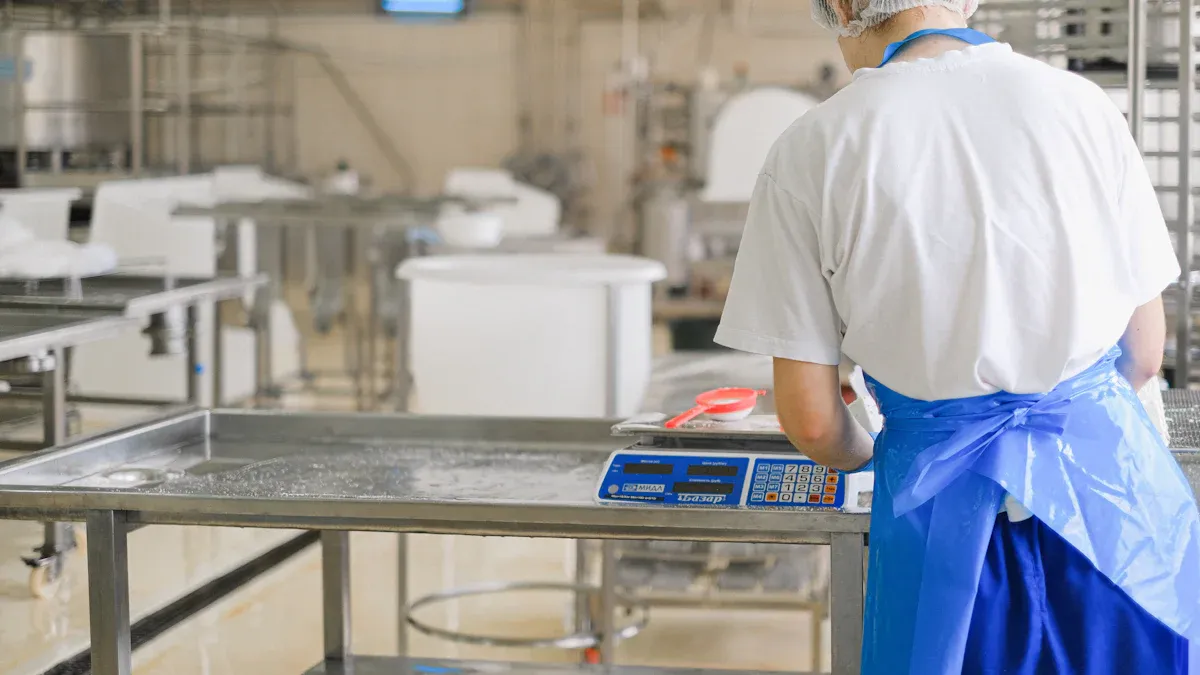
Meat processors have adopted pork fat analysis x-ray systems to streamline production and enhance product safety. Low-energy x-ray technology integrates directly into processing lines, offering several operational advantages:
Extends shelf life and maintains safety without thermal treatment.
Compact tabletop x-ray sources fit seamlessly into existing workflows.
Non-thermal irradiation preserves meat quality and freshness.
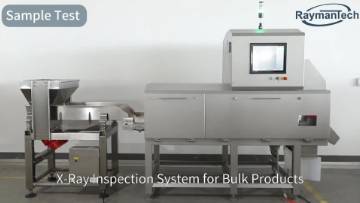
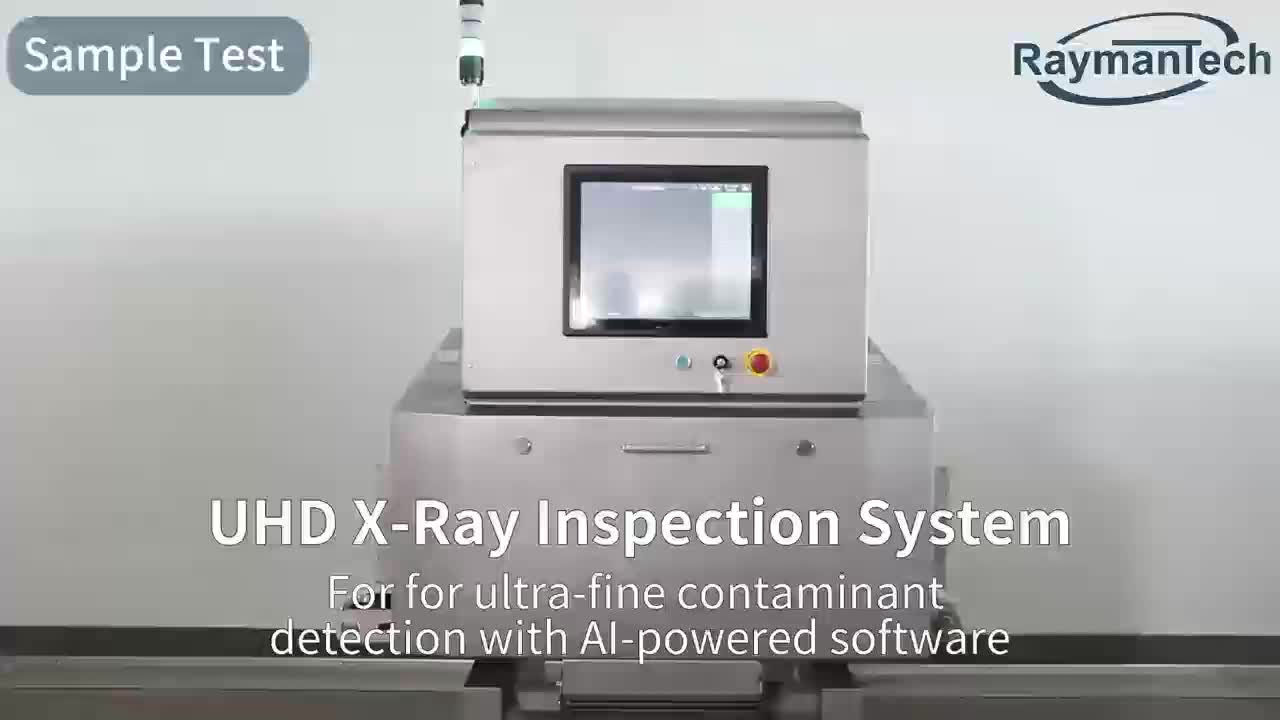
In-line systems provide continuous fat measurement and contaminant detection.
Recent innovations have made these systems more accessible and cost-effective. Facilities benefit from improved efficiency and reduced manual intervention. Operators can monitor fat content and safety parameters in real time, supporting consistent product quality.
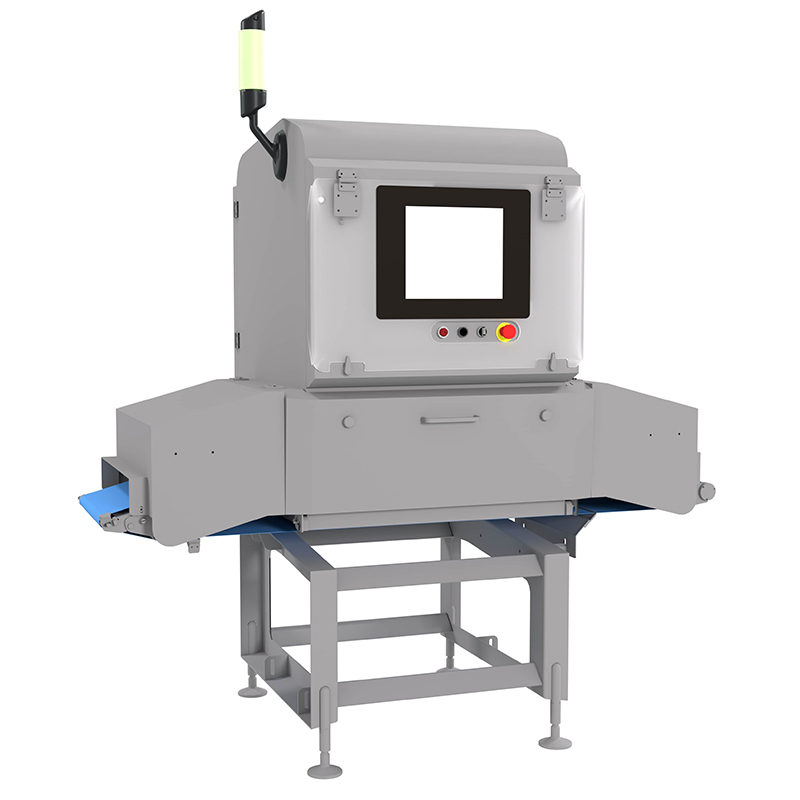
Technical requirements for real-time pork fat analysis x-ray monitoring include advanced detectors, robust construction, and user-friendly interfaces. The following table outlines key specifications for modern x-ray fat analysis systems:
| Specification | Details |
|---|---|
| Model | FXR-FA4017/ FXR-FA6035 |
| X-ray Detector | 0.4, 0.8mm TDI Dual Energy |
| Aperture Size width | 400mm 600mm |
| Aperture Size height | 170mm 350mm |
| Inspection Modes | Simultaneous checking of contaminants, chemical fat values and quality measurement (weight) |
| Fat Accuracy | <1% fat |
| Speed | 10-60m/min |
| Max. Capacity Up to Bulk | 30 tons/hr, Packages: 2400 packages/hr |
| Operation | 17-inch colored touchscreen, Windows 10 |
| Support Data Interface | LAN port, USB Port, Ethernet |
| Waterproof Level | IP66 (Suitable for wet food processing environments) |
| Leakage | <1μSv |
| Protection Material | Protecting Cabinet, Protecting Curtains |
| Operating Requirement Temperature | -10℃~40℃, Humidity: 30%~90% |
| Power Supply | AC220/110V±10% 50Hz/60Hz |
| Main Structure | SUS304 Stainless Steel |
Real-time x-ray monitoring delivers measurable improvements in quality assurance:
Detects bone fragments, reducing customer complaints.
Verifies product uniformity, minimizing waste and variability.
Generates digital logs for traceability and regulatory compliance.
Supports cost savings through waste reduction.
Pork fat analysis x-ray technology enables processors to maintain high standards, optimize production, and meet industry regulations.
Pork processors strive for uniformity in every batch. Pork fat analysis x-ray systems support this goal by maintaining the ideal fat-to-lean ratio. These systems help ensure that each product meets consumer preferences and regulatory requirements. Quality control teams rely on this technology to deliver consistent results. Experts such as Lynn Knipe, Ph.D., highlight that achieving consistency benefits consumers. Chris Kerth, Ph.D., points out that on-site x-ray analysis provides accurate and efficient results, which is essential for high-volume operations.
X-ray fat analysis systems optimize quality control and compliance.
They maintain the desired fat-to-lean ratio for every batch.
Cost management remains a priority in pork processing. Accurate fat measurement enables processors to optimize production and reduce waste. Inline fat analysis measures the variability of raw materials, which is crucial for calculating least cost formulation. This approach helps processors meet blending targets, maximize yield, and control costs.
| Evidence Type | Description |
|---|---|
| Accurate Fat Measurement | Enables least cost formulation for better cost control. |
| Inline Fat Analysis | Measures raw material variability for optimal production. |
| Maximizing Yield | Precise fat measurement improves yield and cost management. |
Pork fat analysis x-ray technology helps processors comply with industry standards. Dual energy x-ray absorption provides validated accuracy for fat measurement. Calibration and specific procedures ensure compliance with regulatory requirements. These systems analyze 100% of throughput in real time, offering reliable data for traceability and regulatory audits.
| Feature | Description |
|---|---|
| Technology | Dual Energy X-ray Absorptiometry (DEXA) |
| Measurement Accuracy | Better than +/- 1CL |
| Throughput Inspection | 100% real-time analysis |
| Compliance Support | Reliable data for regulatory compliance |
| Traceability | Carton tracking by bar code for batching |
Note: Consistent use of x-ray analysis supports both product quality and regulatory compliance, strengthening a processor’s reputation in the market.
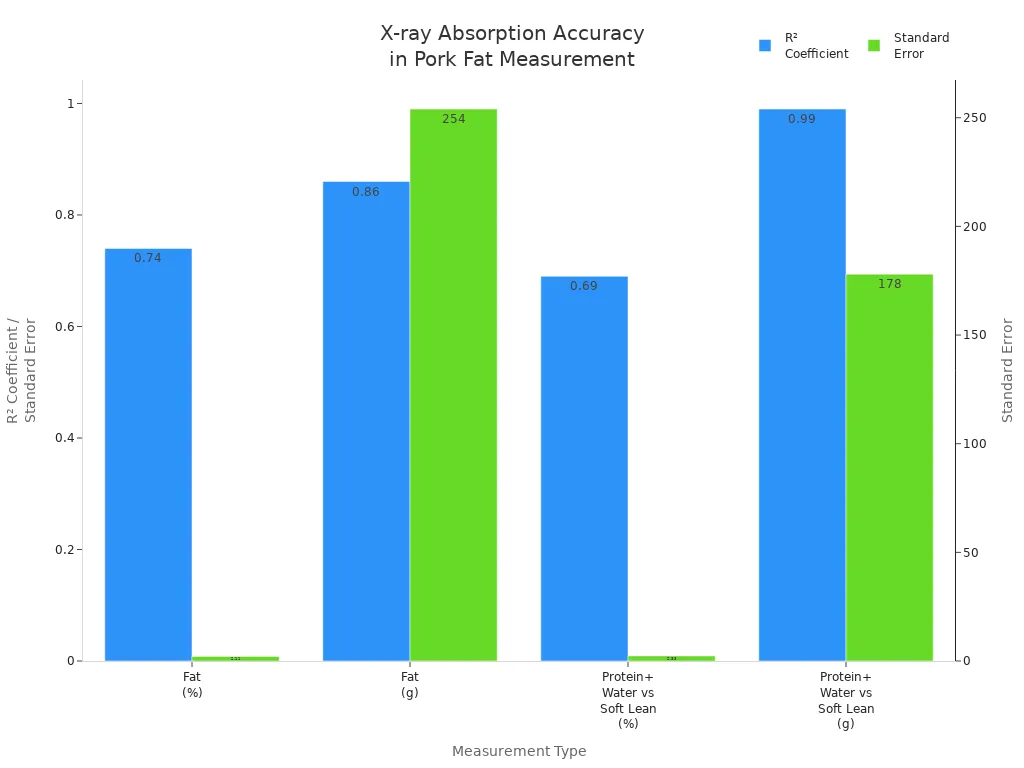
Pork fat analysis x-ray provides a practical solution for accurate fat measurement. Scientific studies show high reliability, as seen in the table below. Industry surveys confirm improved quality and compliance. However, challenges remain, including fat distribution and visualization limits.
| Measurement Type | R² | Standard Error |
|---|---|---|
| Fat (%) | 0.74 | 2.11 |
| Fat (g) | 0.86 | 254 |
Variations in fat distribution affect accuracy.
Certain internal structures remain difficult to visualize.
Application across different meat types may limit reliability.
Operators stay safe by using protective gear and following strict protocols. Modern x-ray systems include automatic shut-offs and radiation shields.
X-ray fat analysis works best on standardized cuts. Variations in thickness or bone content may affect accuracy.
Regular calibration and cleaning keep the system accurate. Technicians inspect detectors and software to maintain optimal performance.

We provide you with comprehensive foreign trade solutions to help enterprises achieve global development
Uneven and overlapped product detection, thin & lo...
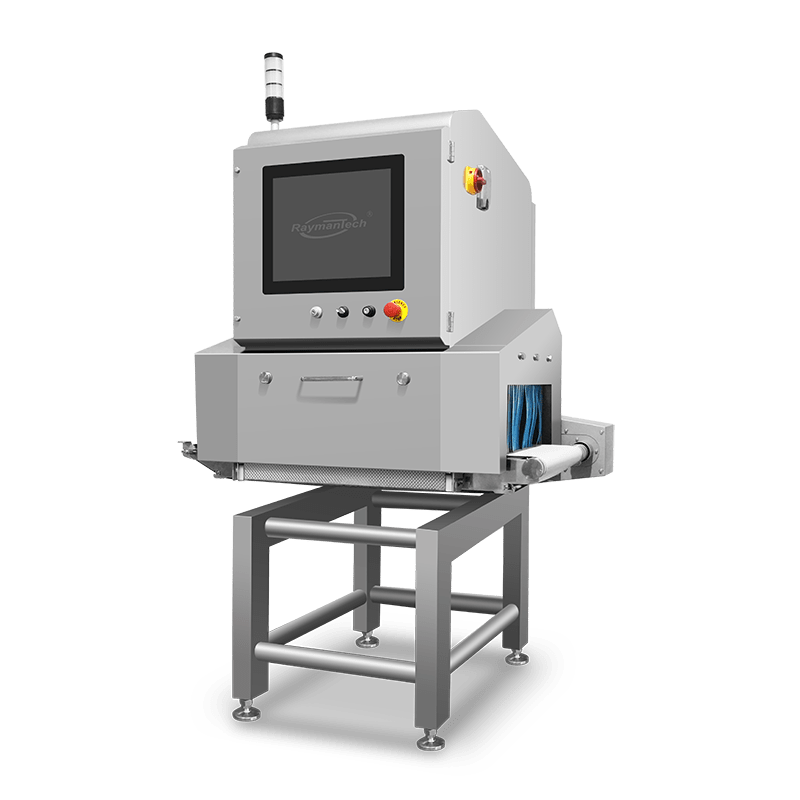
UHD X-Ray detector, AI large model, all food indus...
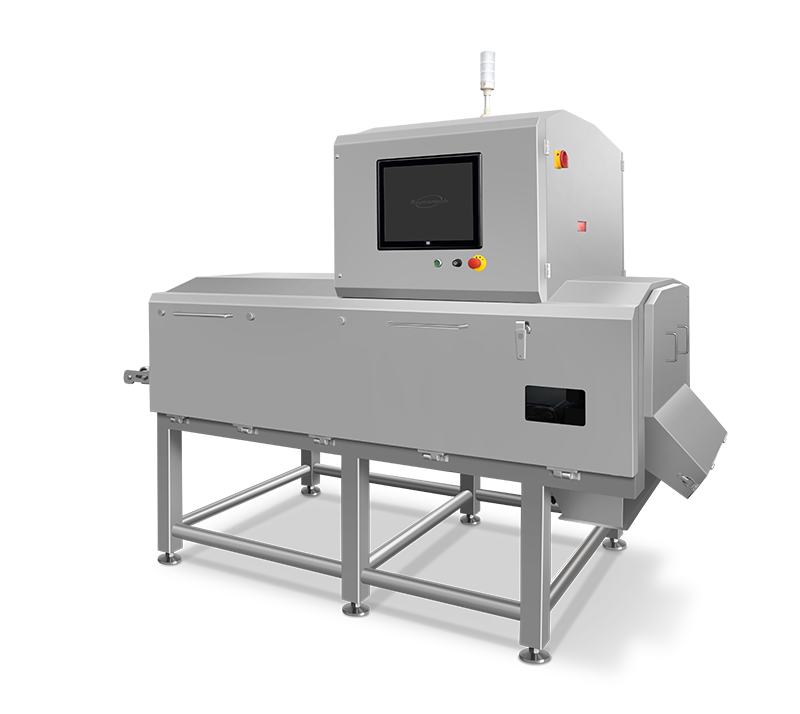
Conventional and unconventional contaminant detect...
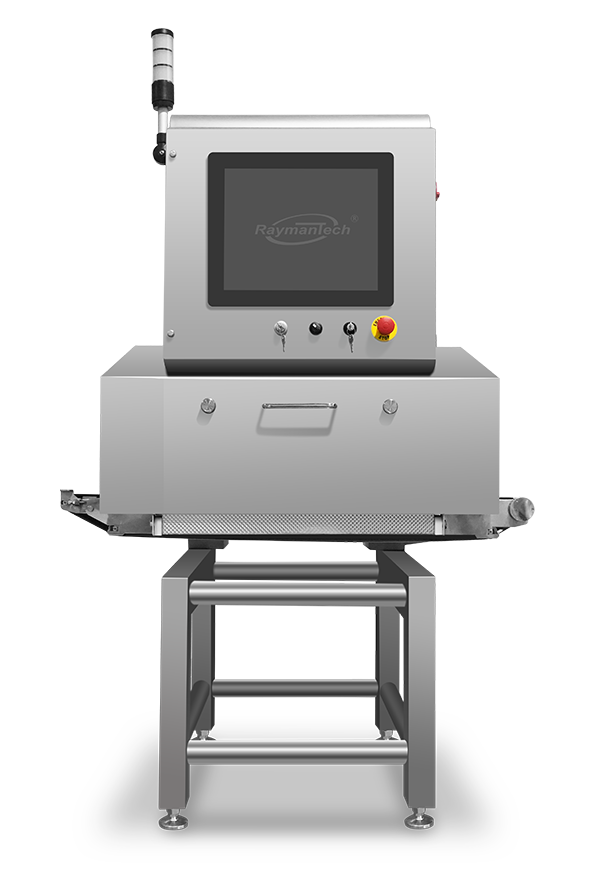
Ultra-fine contaminants detection, UHD X-Ray detec...
Select the most popular foreign trade service products to meet your diverse needs
Select the most popular foreign trade service products to meet your diverse needs







User Comments
Service Experience Sharing from Real Customers
Michael Chen
Quality Control ManagerThis X-ray analyzer revolutionized our pork fat quality checks. It's fast, accurate, and non-destructive, allowing for 100% inline inspection. The data on fat distribution and lean meat percentage is invaluable for product consistency.
Sarah Johnson
Food Safety SpecialistAn excellent tool for objective fat analysis. It has significantly reduced human error in our grading process and provides reliable, traceable data for compliance reports. The initial setup required some calibration, but now it runs smoothly.
David Rodriguez
Research & Development ScientistPrecision is key in our formulation work. This X-ray system delivers detailed compositional analysis of pork fat, helping us optimize product recipes for texture and flavor. It's a game-changer for R&D in processed meats.
Jennifer Park
Production SupervisorIntegration into our production line was seamless. The real-time analysis allows for immediate adjustments, minimizing waste and ensuring every batch meets our strict fat content specifications. A must-have for modern meat processing.