
 English EN
 French FR
 Portuguese PT
 Spanish ES
Optical Color Sorter for Frozen Vegetable Sorting
An optical system inspects frozen vegetables for color and shape. The Frozen vegetable sorter uses advanced sensors to find defects and impurities. Manufacturers rely on this technology for product safety and quality. It solves problems like contamination and damaged produce, improving efficiency and meeting strict standards.

Key Takeaways
Optical sorters enhance food safety by detecting and removing defects and contaminants from frozen vegetables, ensuring only high-quality products reach consumers.
AI technology improves sorting accuracy and efficiency, allowing processors to adapt to new defect patterns and reduce waste in production.
Choosing the right sorter involves considering factors like capacity, accuracy, and sorting speed, which are crucial for maintaining high production standards.
Optical Technology in Frozen Vegetable Sorting
How Optical Sorters Work
Optical sorters use advanced systems to inspect frozen vegetables for defects and impurities. The process starts with a feed system that spreads the vegetables into a single layer. This ensures each piece is visible to the optical sensors. The sensors use lights to capture color and surface details. High-resolution imaging systems collect visual data from every item.
The image processing stage compares each vegetable to preset standards. If a piece does not meet the quality threshold, the system marks it for removal. The separation system uses compressed air or mechanical devices to eject defective items. This keeps only high-quality vegetables in the final batch.
The following table shows the main components and stages of a frozen vegetable sorter:
Component/Stage | Description |
|---|---|
Feed System | Spreads products into a uniform monolayer for even presentation to the optical system. |
Optical System | Includes lights and sensors to capture color and surface properties of the items being sorted. |
Image Processing | Compares objects to user-defined accept/reject thresholds to classify and actuate the separation. |
Separation System | Uses compressed air or mechanical devices to remove defective items while allowing good products to continue. |
Detection Stage | Captures visual data of incoming materials using a high-resolution imaging system. |
Analysis Stage | Processes visual data with algorithms to determine quality based on thresholds. |
Decision-Making Stage | Evaluates whether items meet quality standards based on pre-configured profiles. |
Action Stage | Ejects defective items using a precision mechanism, typically compressed air valves. |
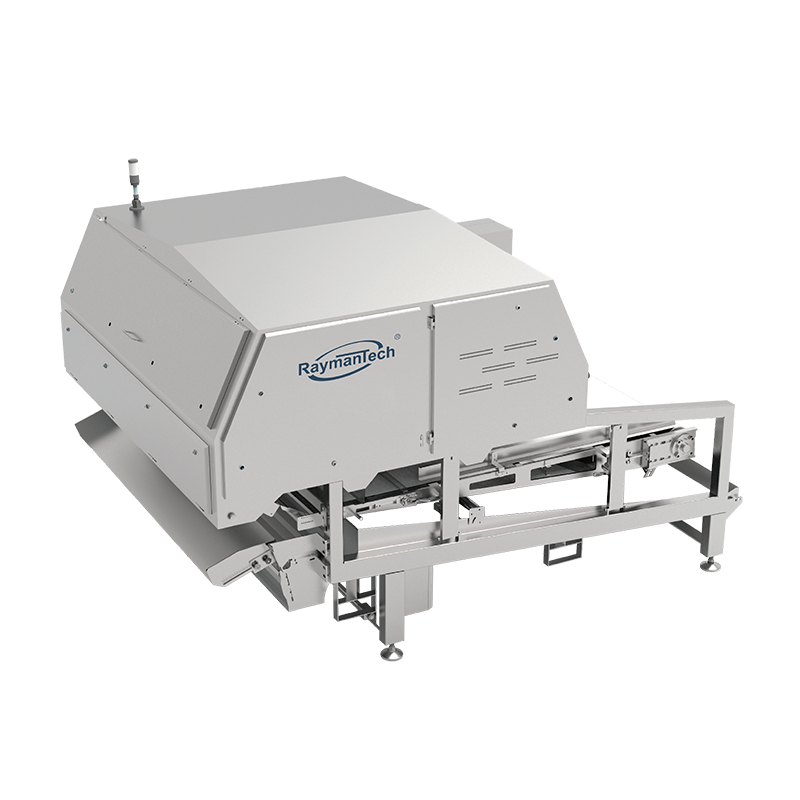
RaymanTech’s frozen vegetable sorter uses these stages to inspect products like peas, carrots, corn, and mixed vegetables. The system ensures that only vegetables meeting strict quality standards reach consumers.
AI and Real-Time Data Features
Artificial intelligence improves the accuracy of optical sorters. AI systems learn from each batch and adapt to new defect patterns. They use ultra-high-speed image processing to spot even tiny defects. This technology reduces waste by keeping more good produce in the final batch.
Real-time data processing allows the sorter to adjust instantly. The vision system tracks the position of each vegetable and aligns sorting actions. This minimizes missed picks and boosts productivity. The AI-enabled solution also lowers maintenance costs over time. The result is a more efficient and sustainable sorting line.
AI enables continuous improvement in defect detection.
Real-time precision and adaptability enhance sorting efficiency.
The system generates real-time positional data for accurate alignment.
Operational efficiency improves, and maintenance costs decrease.
RaymanTech’s optical sorters use AI and real-time data features to maintain high sorting purity and minimize product loss. The equipment provides nearly 360° coverage, ensuring micro-defects are detected and removed.
Defect and Contaminant Detection
Optical sorters detect a wide range of defects and contaminants in frozen vegetables. Multi-beam and multi-spectral imaging systems use different wavelengths to create detailed images. These systems highlight differences between foreign bodies and vegetables. They can spot mold, color defects, and other imperfections.
The table below lists common defects and contaminants found in frozen vegetables:
Frozen Vegetable | Defects and Contaminants Detected |
|---|---|
Frozen French Fries | Foreign materials (wood, plastic, cardboard, glass), black and green color defects. |
Frozen Carrots | Color defects (white, green, dark blemishes), foreign materials (stones, insects, mice, plastic, wood, glass, cardboard). |
Frozen Peas | Color defects (yellow, blond, khaki, nightshades), foreign materials (pods, sticks, insects, snails, mice, snakes, wood, plastic, glass, stones). |
Frozen Corn | Color defects (white and dark kernels), foreign materials (cobs, white plastics, cardboard, wood, stones, caterpillars, husk material, insects). |
Frozen Cranberries | Color defects (discolored, pink, white, green, dark), foreign materials (pine needles, sticks, leaves, animal matter, packaging materials). |
Frozen Raspberries | Defects (white, pink, green, mouldy, soft), foreign materials (insects, snails, glass, plastic). |
Frozen Blueberries | Defects (shriveled, discolored red and green, half berries), foreign materials (plant stalks, stones, insects, snails, glass, plastic). |
RaymanTech’s optical sorters remove subtle imperfections and foreign materials from frozen vegetables. The sorters are specifically designed for frozen products and offer high sorting purity. They cover a wide range of vegetables and ensure that even micro-defects are detected.
Tip: Multi-beam imaging systems increase the contrast between defects and vegetables. This makes it easier to identify and remove impurities, such as mold or glass.
Optical technology in frozen vegetable sorting helps processors deliver safe, high-quality products. The combination of AI, real-time data, and advanced imaging ensures that every batch meets strict standards.
Benefits for Frozen Vegetable Processors
Quality and Safety Improvements
Frozen vegetable processors depend on reliable sorting technology to deliver safe, high-quality products. The frozen vegetable sorter uses advanced optical systems to detect and remove defects, contaminants, and foreign bodies. This process ensures that only vegetables meeting strict standards reach consumers.
The table below shows how optical sorters contribute to food safety compliance:
Feature | Benefit |
|---|---|
High accuracy in removing defects | Ensures consistent product quality |
Detection of contaminants | Reduces risk of food safety issues |
Removal of foreign bodies | Enhances overall food safety compliance |
Optical sorters help processors meet international quality standards such as ISO and HACCP. These machines use imaging technology and AI algorithms to maintain consistent product quality. They minimize waste by removing substandard products efficiently. This level of control is essential for frozen vegetable processors who want to build consumer trust and comply with regulations.
Note: Consistent sorting and defect removal protect consumers and strengthen brand reputation.
Efficiency and Cost Savings
Efficiency is a major advantage for processors using frozen vegetable sorters. These machines increase throughput and speed up processing. For example, some sorters can handle up to 40,000 pounds of frozen vegetables per hour. This high capacity allows processors to meet demand and reduce bottlenecks.
Sorters remove foreign materials and defects quickly, improving processing speed.
Facilities can maximize yield and simplify operations by accommodating various product grades.
Labor costs decrease because automated sorting reduces manual inspection.
Maintenance costs drop as AI-enabled systems adapt and optimize performance.
Frozen vegetable processors benefit from faster production cycles and lower operational expenses. The frozen vegetable sorter streamlines workflow and ensures that only high-quality vegetables move forward in the process.
Product Range and Versatility
Modern sorters offer flexibility for a wide range of frozen vegetables. The technology can handle peas, corn, carrots, beans, and mixed vegetables. Each product receives careful inspection for color consistency, defect-free quality, and removal of foreign materials.
The table below highlights the variety of frozen vegetables sorted:
Frozen Vegetables Sorted | Additional Information |
|---|---|
Peas | Vital for global food markets due to convenience and freshness retention |
Corn | Year-round availability and essential for consumer satisfaction |
Carrots | Maintains color consistency and defect-free quality |
Beans | Used in retail packs and bulk for food processing industries |
Sorters accurately detect subtle color defects and identify extraneous matter. They remove foreign materials from frozen vegetables, ensuring that each batch meets high standards. This versatility allows processors to expand their product offerings and serve diverse markets.
Tip: A versatile frozen vegetable sorter supports processors as they adapt to changing consumer preferences and market demands.
The combination of quality improvements, efficiency gains, and product versatility makes optical sorting technology a valuable asset for frozen vegetable processors. These benefits help processors deliver safe, consistent, and appealing products to consumers.
Choosing and Implementing a Frozen Vegetable Sorter
Key Selection Factors
Choosing the right frozen vegetable sorter is important for maintaining high standards in production. Processors should consider several factors:
Capacity: The machine must handle the volume of frozen vegetables produced.
Accuracy: Optical sorters with advanced cameras and AI algorithms detect defects and impurities with high precision.
Material types: The sorter should match the types of vegetables being processed.
Sorting speed: Fast sorting increases efficiency and output.
Compatibility: The sorter must fit into existing production lines.
Maintenance: Easy maintenance ensures reliable operation and reduces downtime.
Optical sorters improve efficiency by processing large volumes quickly. They enhance quality control and reduce labor costs. Machines apply uniform sorting criteria, which leads to consistent product quality and less waste.
Integration and Setup Tips
Smooth integration of a frozen vegetable sorter requires careful planning. Processors should:
Assess the layout of their facility to ensure proper placement of the sorter.
Work with the supplier to set up the equipment and validate its operation.
Connect the sorter to existing lines for seamless workflow.
Tip: Proper installation and commissioning help maximize performance and minimize disruptions.
Staff Training and Support
Staff training is essential for effective operation and maintenance. Comprehensive programs teach operators how to use the sorter and perform routine maintenance. Ongoing support from the supplier helps address any issues and keeps the equipment running smoothly.
Aspect | Description |
|---|---|
Installation | Ensures proper setup of the equipment |
Commissioning | Validates that the sorter operates correctly |
Training | Educates staff on optimal usage and maintenance |
Maintenance Services | Provides ongoing support to enhance longevity |
Processors can request a demo or quote from RaymanTech to experience advanced solutions. This helps them see how the technology fits their needs and improves frozen vegetable quality.
Optical color sorters help frozen vegetable processors improve quality, safety, and efficiency. These systems support automation and sustainability in food processing. Choosing the right technology ensures better results. Processors who adopt advanced sorting solutions stay ahead of industry trends and deliver consistent products to consumers.
Feature | Benefit |
|---|---|
Automation | Higher efficiency |
Accuracy | Better quality control |
Sustainability | Eco-friendly operations |
FAQ
How does an optical color sorter improve frozen vegetable quality?
Optical color sorters remove damaged, discolored, or contaminated pieces. This process ensures only high-quality vegetables reach consumers.
What types of defects can RaymanTech’s sorter detect?
RaymanTech’s sorter detects color defects, shape irregularities, mold, and foreign materials like glass, stones, or insects.
Is staff training required for operating an optical color sorter?
Staff training helps operators use the sorter efficiently. Training covers machine setup, maintenance, and troubleshooting for smooth operation.

Related Articles
-
 Feb-26-2026
What is a Pine Nut Sorter and How does AI Pine Nut Sorter Work
A Pine Nut Sorter uses AI to detect defects and remove contaminants, ensuring only high-quality pine nuts move forward in food processing.learn more -
 Feb-26-2026
Dried Chili Sorters Explained for the Spice Industry
A dried chili sorter uses AI to remove defects and contaminants, ensuring spice quality, safety, and efficiency for the spice industry.learn more -




Follow us:


