Millet Sorting Machine
Millet Sorting Machine
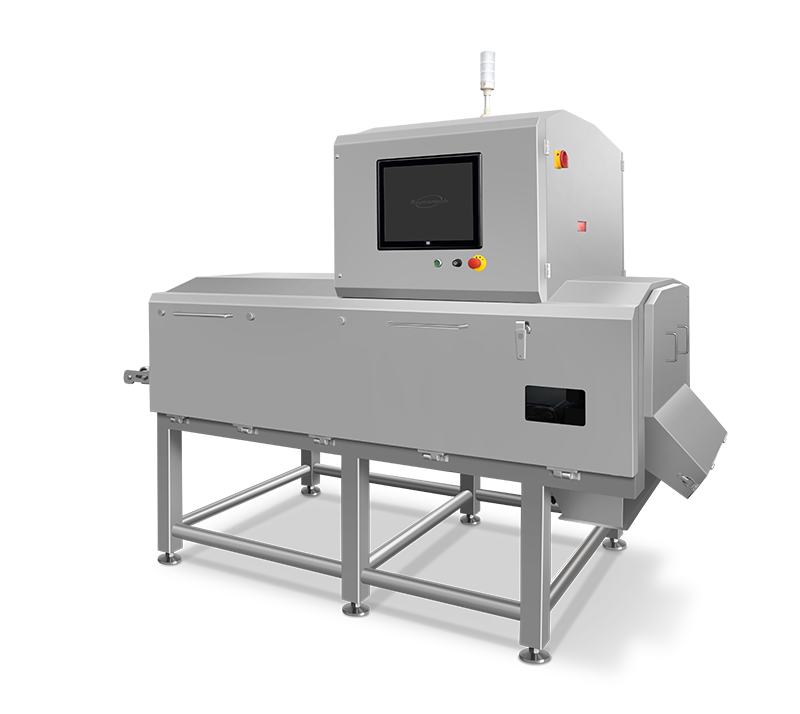
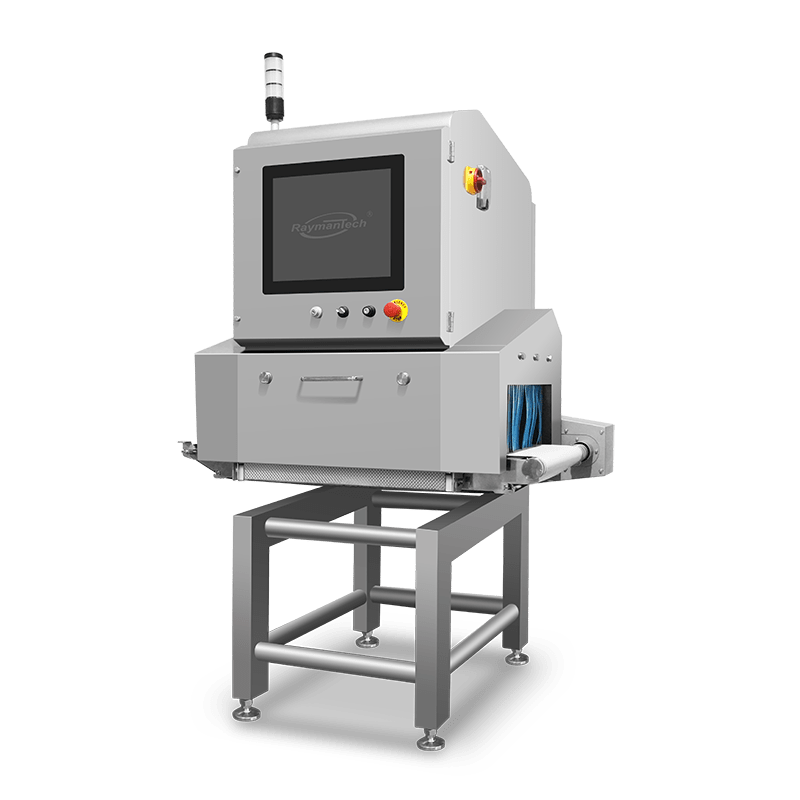
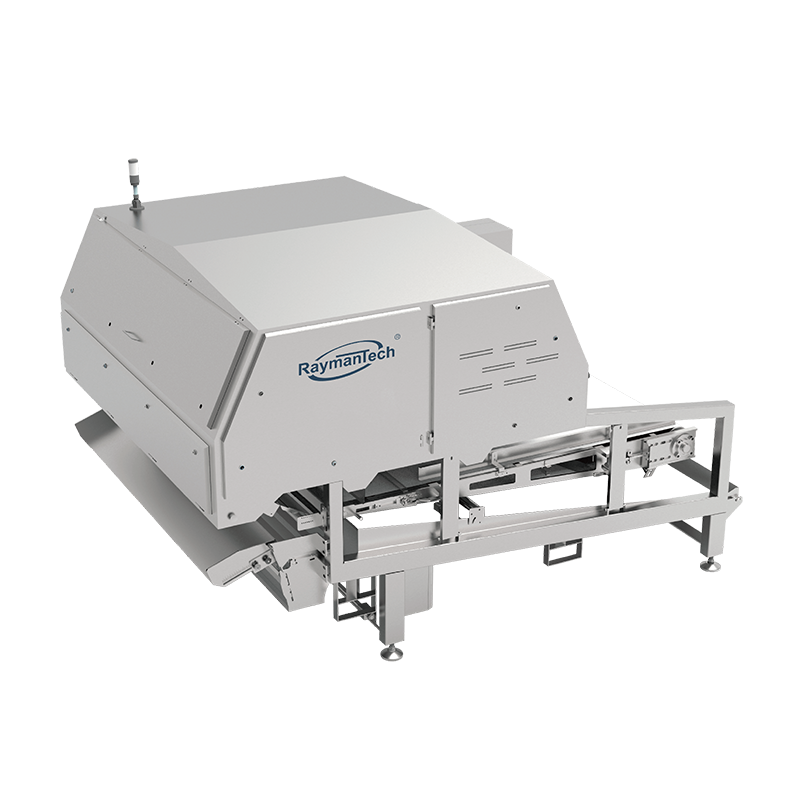
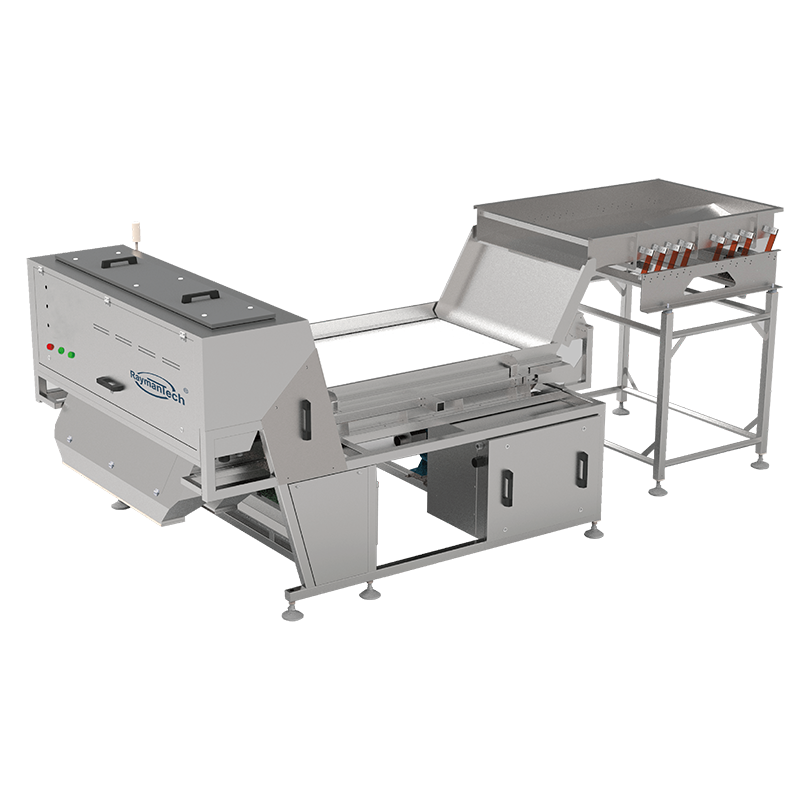
Millet sorting machines are specialized optical sorting equipment designed to remove defects, impurities, and foreign materials from millet grains to enhance product quality, safety, and market value. These machines utilize advanced sensor technology, typically high-resolution cameras or laser scanners, to inspect individual grains at high speed. They identify and eject discolored grains, damaged kernels, stones, husks, and other non-millet materials based on color, shape, and structural characteristics. The implementation of this technology is critical in modern grain processing, replacing inefficient manual sorting and basic sieving methods. It directly addresses major industry challenges such as reducing aflatoxin contamination, removing biological impurities, and ensuring consistent color and size uniformity. The global push for higher food safety standards, exemplified by regulations from the FDA and EFSA, drives the adoption of these precision sorting systems. Market data indicates a growing demand in regions with high millet production and consumption, including India, Nigeria, Niger, and China, as well as in markets for premium and organic health foods in North America and Europe.
Operational data from leading manufacturers like Bühler, Satake, and Key Technology demonstrate that modern millet sorters can process between 2 to 10 tons per hour, depending on the model and initial grain quality. Their ejection accuracy often exceeds 99%, significantly reducing good product loss to less than 1-2%, a marked improvement over manual methods. The core technology relies on CCD/CMOS cameras with specialized lighting (LED, infrared, or laser) to detect subtle defects invisible to the human eye. This is crucial for mitigating mycotoxins, as discolored kernels often indicate fungal infection. The economic rationale is clear: processors report a reduction in labor costs by up to 70%, an increase in overall yield, and the ability to command higher prices for sorted, premium-grade millet. Furthermore, the machines ensure compliance with stringent international export standards regarding impurity levels and contaminant limits. The return on investment (ROI) is typically achieved within 12-24 months through reduced waste, lower labor dependency, and access to higher-value markets. As millet gains recognition as a nutrient-dense, gluten-free, and climate-resilient crop, the demand for efficient, automated sorting technology is set to rise, making it an indispensable asset for commercial millet processors aiming for scalability, profitability, and consistent quality assurance.
 English EN
 中国 CN
中国 CN
.png)


.png)









User Comments
Service Experience Sharing from Real Customers
Michael Chen
Farm ManagerThis millet sorting machine has revolutionized our post-harvest processing. The accuracy in removing impurities and broken grains is exceptional, significantly improving our product quality and market price.
Sarah Johnson
Quality Control SupervisorA reliable and efficient machine for our grain processing plant. It's user-friendly and has greatly reduced manual sorting labor. The capacity is good for our medium-scale operation. One point off for the initial setup which required technical support.
David Rodriguez
Operations DirectorOutstanding investment. The sorting precision is over 99% for our organic millet. It's robust, requires minimal maintenance, and the after-sales service team is very responsive. Highly recommended for commercial milling operations.
Priya Sharma
Agricultural ResearcherWe use this machine in our research station for seed purification. Its adjustable settings allow us to sort millet by size, color, and density with great consistency, which is crucial for our breeding programs. Excellent performance.