Meat Foreign Body Detection
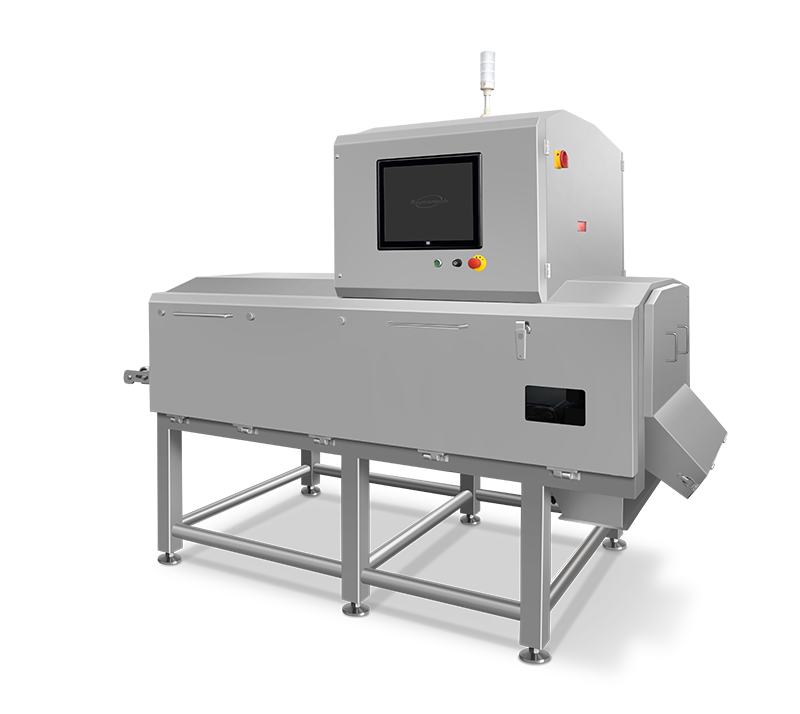
Meat foreign body detection is a critical process in the food production industry, specifically designed to identify and remove non-metallic and metallic contaminants from meat products before they reach consumers. This includes materials such as plastic, bone, rubber, glass, and stone that may inadvertently enter the production line during slaughter, processing, or packaging. The implementation of these systems is not merely a quality control measure but a fundamental requirement for food safety, regulatory compliance, and brand protection. With increasing global food safety standards and consumer awareness, the demand for reliable foreign body detection in meat has become paramount for producers worldwide. Technologies employed in this field have evolved significantly to address the complex challenge of inspecting heterogeneous, high-moisture products like fresh meat, poultry, and processed items, where traditional metal detectors alone are insufficient.
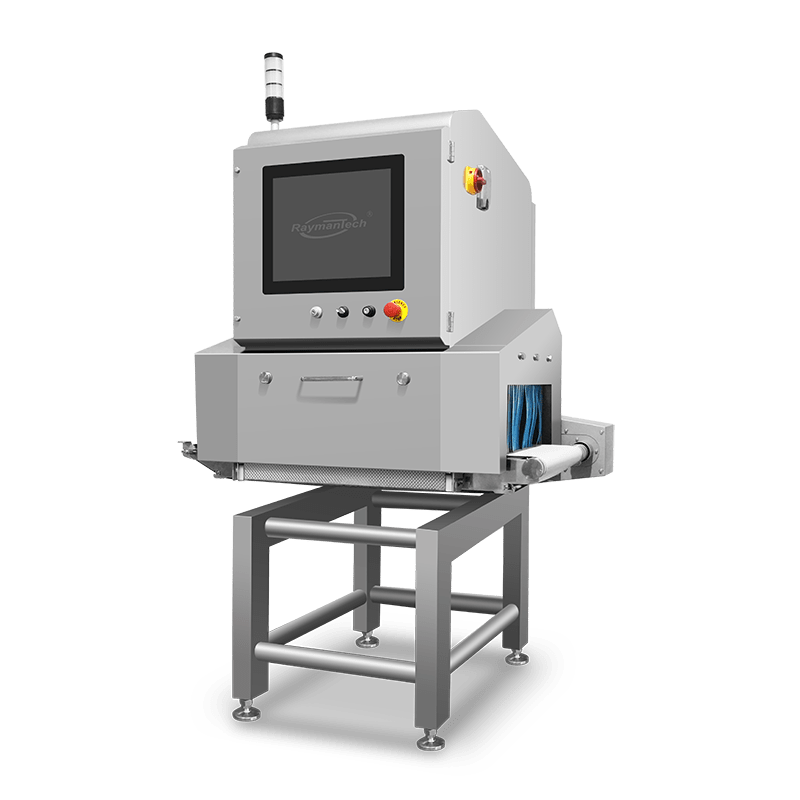
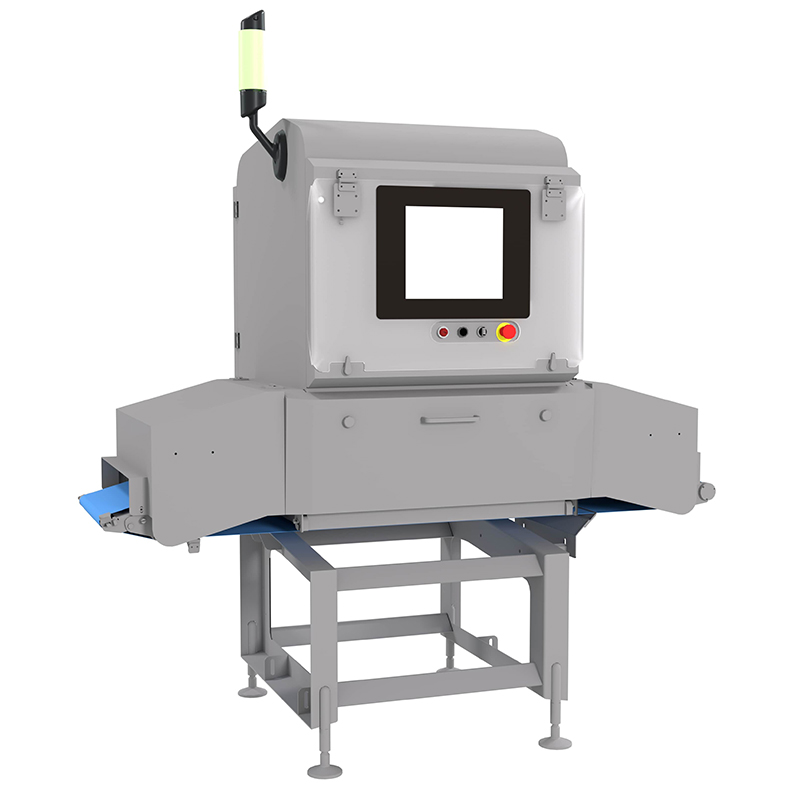
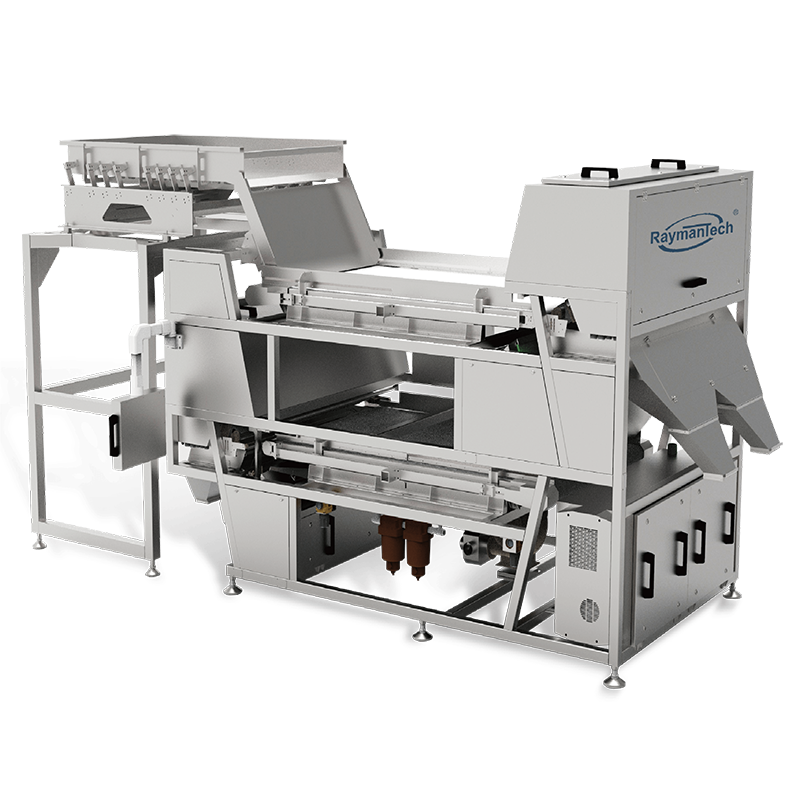
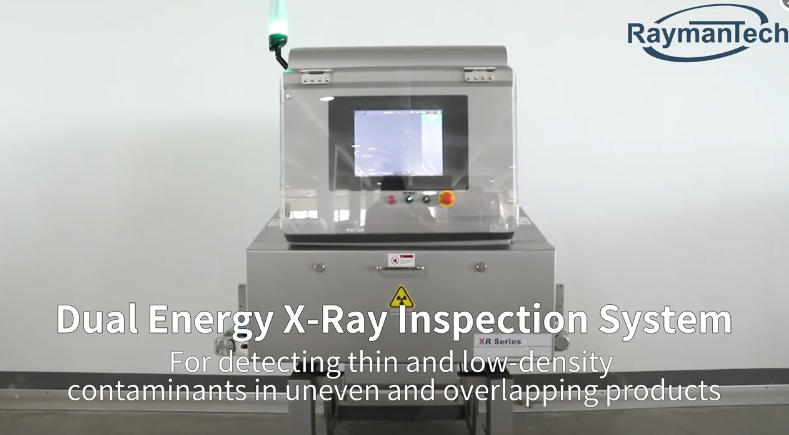
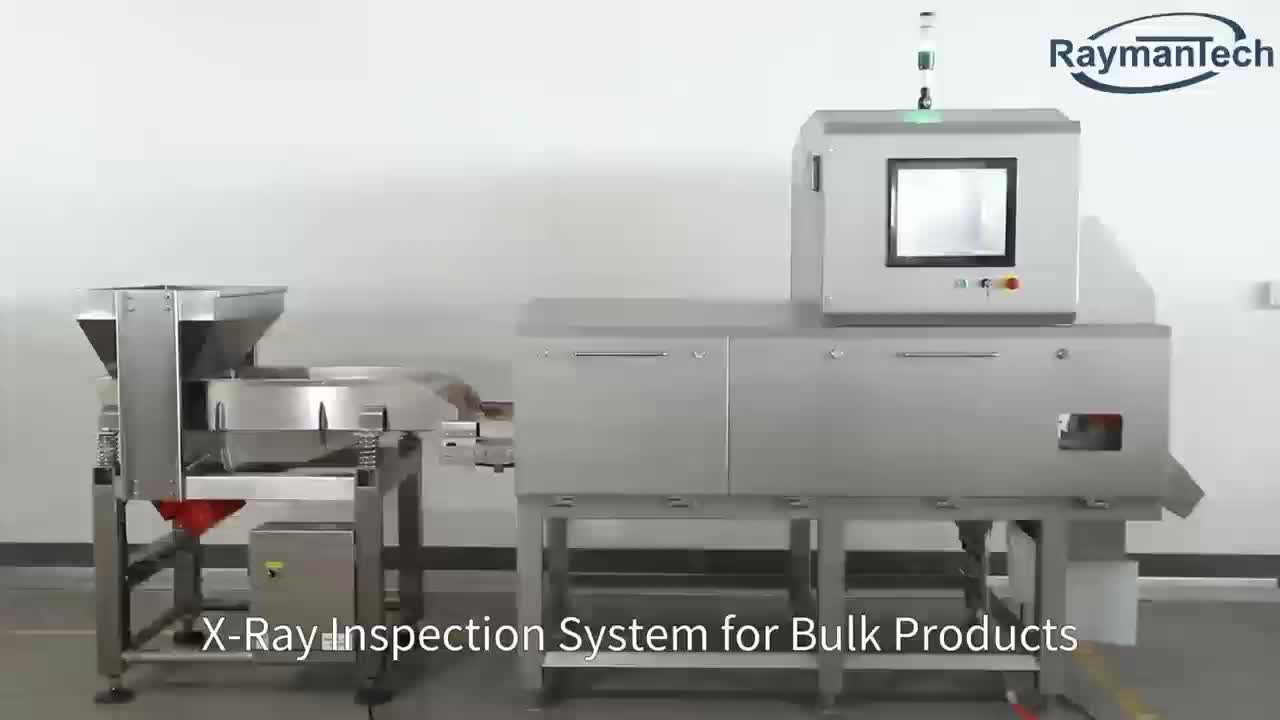
The primary technologies dominating the market for meat foreign body detection are advanced X-ray inspection systems and high-sensitivity metal detectors. According to industry analyses and market research from sources like Food Online and Meat+Poultry, X-ray inspection is increasingly favored for its ability to detect a wider range of contaminants based on density differentials. Real-world data from equipment manufacturers such as Mettler-Toledo, Thermo Fisher Scientific, and Eagle Product Inspection indicate that modern X-ray systems can effectively identify bones in deboned poultry or meat, calcified tendons, plastic fragments from gloves or packaging, and even certain types of glass and rubber. For instance, case studies published by these companies demonstrate detection capabilities for stainless steel fragments as small as 0.3mm in certain applications and the reliable identification of bone chips in chicken breast fillets. Metal detectors remain a robust and cost-effective solution for finding ferrous and non-ferrous metals, with modern multi-frequency and digital systems offering improved sensitivity in wet, salty, or chilled meat environments that traditionally cause signal interference. The choice between technologies often depends on the specific hazard analysis, product type, packaging, and production line speed, with many facilities employing both in a complementary "defense-in-depth" strategy. Regulatory frameworks, notably the U.S. Food Safety Modernization Act (FSMA) and European Union regulations (EC) No 178/2002, mandate hazard control, making these detection systems an integral part of a facility's Hazard Analysis and Critical Control Points (HACCP) plan. Failure to implement adequate controls can lead to costly recalls; data from the USDA and FDA show that undeclared foreign materials, including extraneous matter in meat products, are a leading cause of food recalls, resulting in significant financial losses and reputational damage. Furthermore, consumer trends toward processed and convenience meat products, which involve more mechanical processing steps, inherently increase the risk of contamination, thereby elevating the necessity for end-of-line inspection. Investment in this technology directly impacts operational efficiency by reducing waste from false rejects through sophisticated software algorithms that distinguish between the product and contaminants, and by minimizing downtime. The global market for food metal detectors and X-ray inspection systems, as reported by research firms, continues to grow, driven by automation in meat processing and stringent global food trade standards. Ultimately, effective meat foreign body detection is a non-negotiable component of modern food safety protocols, safeguarding public health, ensuring compliance with international standards, and protecting brand equity by preventing contaminated products from entering the supply chain.
 English EN
 中国 CN
中国 CN
.png)


.png)







User Comments
Service Experience Sharing from Real Customers
Michael Chen
Quality Assurance ManagerThis X-ray inspection system has revolutionized our production line. The detection accuracy for bone fragments and metal contaminants in our chicken products is exceptional. False positives are minimal, which greatly improves our efficiency.
Sarah Johnson
Plant Operations DirectorThe multi-spectral imaging technology is impressive. It reliably identifies dense connective tissues and plastic fragments in our ground beef batches. The user interface is intuitive, though we wish the initial calibration was slightly faster. Overall, a vital tool for food safety.
David Rodriguez
Food Safety TechnicianAs someone on the line every day, the reliability of this metal and high-density plastic detector is crucial. It caught a small stainless steel shard that other systems might have missed. The automatic rejection arm is fast and precise, giving us immense confidence in our final packaged products.
Emily Watson
Procurement SpecialistWe integrated this foreign body detection system across three facilities. The ROI is clear through reduced consumer complaints and enhanced brand protection. The sensitivity settings for detecting thin bones in fish fillets are particularly effective. Customer support for maintenance is prompt and helpful.